

Nutrition While Breastfeeding – What You Can Eat and What to Avoid When Breastfeeding
Being a mum isn't easy – especially in the period after birth, and even more so if you're breastfeeding. Because paying attention to which foods are allowed and which aren't doesn't end with the birth. Your body is still going through many changes and is already using up plenty of resources to recover from pregnancy and childbirth.
Breastfeeding means your body uses up even more energy and resources to give your baby everything it needs to grow and thrive. So everything you eat has a direct impact on how quickly your body recovers and how well you feel – as well as on the quality of your breast milk and the nutrients you pass on to your little one. That's why it's important to pay attention to your diet and treat yourself to the most nutrient-rich foods you can.
So let's talk about what you can and can't eat while breastfeeding – and why.
Why nutrition matters so much while breastfeeding
You've surely heard that everything a mother eats is passed on to her baby through her breast milk. But have you ever wondered exactly how that works? To understand why a mother's diet is so important during breastfeeding, here's what you should know about breast milk:
- High-quality breast milk is crucial for your baby's healthy development.
- It contains all the nutrients your little one needs during the first 6 months of life – with the exception of vitamin D.
- The composition of breast milk changes over the course of breastfeeding, partly depending on the foods you eat.
- The quality of breast milk declines if the mother's diet isn't nutrient-rich enough.
- Some foods can have a potentially toxic effect on breast milk, which is why they aren't recommended while breastfeeding.
In other words: breastfeeding and milk production require a very high expenditure of energy and resources from the mother's body. And if you don't compensate for this with a calorie surplus and an adequate nutrient intake, you won't have enough energy left to keep producing equally nutrient-rich milk for your baby.
So although there's no need to follow a special, strict diet while breastfeeding, eating as balanced a diet as possible is essential. By ensuring your body functions optimally and avoiding deficiencies, you're giving both yourself and your baby a healthy life. The postnatal period isn't an easy time – your body goes through many challenges, including postpartum bleeding.
Opt for a varied diet rich in fruit and vegetables, along with intimate care using organic, 100% natural products, so you give your body the support it needs to recover optimally without any adverse effects.
Foods to avoid – what you shouldn't eat while breastfeeding
Let's start with the foods to avoid while breastfeeding, because there are plenty of rumours out there that fuel anxiety around eating and demonise certain foods. What you should know from the outset: the dose makes the poison, and moderation is key.
It's true that certain foods can change the taste of breast milk: spices, drinks and so on. However, researchers say it's unlikely these changes bother your baby at all.
It's also said that wind-inducing foods (especially brassicas) could give your baby wind – cauliflower or broccoli, for example. Yes, they're rich in raffinose and oligosaccharides, which are harder to digest and therefore cause wind. However, studies confirm that these compounds don't pass into breast milk and so don't affect your baby.
Apart from allergies or intolerances, you can eat virtually anything while breastfeeding, as long as you don't overdo it and your diet is balanced overall. If you have any concerns, though, do speak to your doctor before cutting any foods out of your diet.
With that cleared up, let's move on to the "forbidden" foods. These are really foods that should generally be avoided or limited – not just while breastfeeding – because they may contain certain bacteria or less beneficial nutrients. Here's what they are and why you should pay particular attention to quantities while breastfeeding:
Raw eggs / foods containing raw eggs
With raw or undercooked eggs there's an increased risk of salmonella contamination and food poisoning. It's advisable to avoid both raw eggs and dishes made with them (for example, mayonnaise made with raw egg yolk) – and this applies at all times, not just while breastfeeding.
Be careful, though: eggs are NOT off limits while breastfeeding – quite the opposite. They're rich in protein, fats and many micronutrients that are valuable for the body, which is why a slight increase in cooked egg consumption is actually recommended while breastfeeding. So you don't need to avoid them – just make sure they're thoroughly cooked.
Soft cheeses
More specifically, the issue is the unpasteurised milk typically used to make soft cheeses (such as brie, camembert and so on). Unpasteurised milk can be contaminated with listeria and cause listeriosis – a form of food poisoning.
Check the label. You can still eat soft cheese, just make sure it's made with pasteurised milk.
Unwashed fruit and vegetables
This also applies all the time, not just while breastfeeding. Fruit and vegetables can harbour numerous bacteria and toxins, including parasites, pesticides and the chemicals they've been treated with. Washing them ensures these don't end up in your body.
Toxoplasma gondii is one of the most common parasites found on unwashed fruit and vegetables and can cause toxoplasmosis.
Raw meat
Salmonella, toxoplasmosis, trichinella and E. coli – all of these can also be caused by eating various types of raw meat. Always make sure you only eat meat that's been cooked thoroughly, as heat destroys the vast majority of toxic compounds.
Mushrooms
Some experts recommend avoiding mushrooms while breastfeeding, especially during your baby's first 3 months. They can contain toxins that pass into breast milk and may trigger allergies or other digestive problems in your little one, whose digestive system isn't yet sufficiently developed.
Sweets
Sweets and sugar aren't off limits while breastfeeding, but moderation is recommended. According to doctors, excessive sugar consumption can increase a baby's tendency towards being overweight.
Caffeine and alcohol
Around 1% of the caffeine a mother consumes passes into her breast milk and is passed on to her baby, who takes far longer to break it down. Studies haven't been able to demonstrate that a baby's sleep is affected when the mother drinks coffee or other caffeinated drinks, but it's still recommended to limit intake to a maximum of 3 cups a day.
The situation is somewhat more serious with alcohol: it's been shown that it can disrupt your little one's sleep and cause restlessness. It also appears to reduce breast milk intake by 23% – after just 1–2 drinks on the mother's part. That's why mothers are advised not to exceed 0.5 mg of alcohol per kilogram of body weight and to wait at least 2 hours after drinking before breastfeeding.
Citrus fruits
Similar to mushrooms – although here the issue is acidity. Citrus fruits eaten by the mother can cause skin irritation, vomiting and restlessness in the baby, because its digestive system isn't yet sufficiently developed to handle the acidity of these fruits.
Foods you can eat – what's allowed while breastfeeding
We also covered this topic in our article on breastfeeding, where we shared further useful information and tips on breastfeeding, its benefits and the best positions for feeding your little one.
Now, though, let's look in more detail at the foods that aren't just allowed while breastfeeding, but actively recommended. By giving your body varied, nutrient-rich foods, you ensure you continue to feel good and can produce nutritious breast milk.
Fresh fruit and vegetables
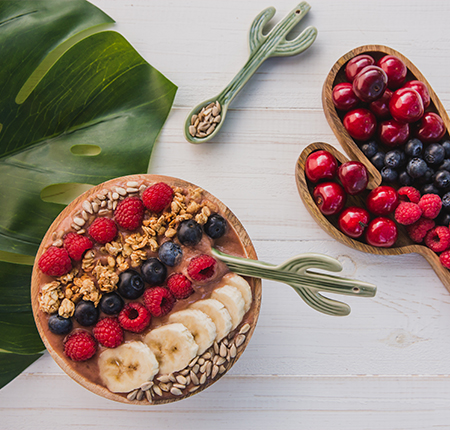
Fruit and vegetables – whether fresh or frozen – are important sources of vitamins and antioxidants, fibre and minerals. They're essential for your body to function optimally and for strengthening your immune system. Some of the most nutrient-rich fruit and vegetables include:
- Berries: rich in antioxidants and vitamin C
- Green vegetables: broccoli, kale, cabbage, spinach, parsley – rich in vitamins A, C and K, calcium and folic acid
- Carrots: contain beta-carotene, which the body converts into vitamin A
- Aubergines and peppers: have a high water content
- Beans: rich in protein, fibre, folic acid, fatty acids, magnesium, potassium and vitamins A and C
Wholegrains and seeds
Thanks to their high content of fibre, fats and complex carbohydrates, wholegrains and seeds provide a slow release of energy that lasts for several hours and keeps you feeling full for longer. You can include the following in a balanced diet:
- Porridge oats
- Cornflakes
- Wholegrain rice
- Chia seeds
- Hemp seeds
- Flaxseeds
Protein
Protein requirements while breastfeeding vary from woman to woman, but it's important to get enough protein to support bodily functions, hormonal balance and tissue repair. The most important sources of protein include:
- Animal sources: lean meat (chicken, turkey), fish, eggs, dairy products
- Plant sources: soya, peas, lentils, beans, chickpeas, cashews, pistachios, almonds, hazelnuts
Fatty acids (fats)
Fatty acids support your little one's brain development and are a source of energy for you – which is why it's important to include them in your diet. When there's no glucose available for energy, fatty acids become fuel for the body's cells.
Important sources of fatty acids include:
- Fish and seafood
- Avocado
- Olive oil
- Eggs
- Coconut
- Full-fat yoghurt
- Almonds
- Flaxseeds and pumpkin seeds
Fish / seafood
As well as being rich in fatty acids, they're excellent sources of protein, vitamins and minerals. Some of the most nutrient-rich types of fish and seafood include:
- Salmon
- Trout
- Sardines
- Mussels
- Crab
Bear in mind, however, that fish can be contaminated and may contain high levels of mercury. Don't eat it to excess, to protect the development of your baby's nervous system.
Calorie requirements while breastfeeding
If you're breastfeeding, you may have noticed that you're hungrier too. Feeling like you're "constantly hungry" is also perfectly normal. The last thing you should do is judge yourself for it or feel guilty.
Because of the high energy expenditure involved in the postnatal period and breastfeeding, your body genuinely needs extra calories – which is exactly why it's asking for them. Hunger isn't just a feeling, it's a signal that there's a need.
Experts recommend adding around 500 kcal a day to your diet while breastfeeding – from the healthiest, most nutrient-rich foods you can.
Important supplements while breastfeeding
Your diet remains your body's main source of energy, providing all the macronutrients it needs. Meeting your micronutrient needs through food alone, however, is somewhat harder. If your body becomes deficient in certain vitamins and minerals, supplements can be a great help in restoring balance.
Do bear in mind, though, that supplements should only be taken on your doctor's recommendation, according to your body's needs. If you take them when there's no deficiency, they won't do you any good. Always ask your doctor for advice before taking any supplement, to make sure it's safe.
These are the most important supplements while breastfeeding:
Multivitamins
Vitamin and mineral deficiencies are common in the postnatal period. Multivitamins can restore their levels in your body, especially if you can't meet your needs through fruit and vegetables alone.
Vitamin B12
It's essential while breastfeeding, both for your baby's health and for your own. Vitamin B12 is a water-soluble vitamin found in meat, fish and eggs – so the risk of deficiency is particularly high if you follow a vegan diet.
Remember, though, that other supplements also contain B12, so taking it separately may not be necessary if you're already taking a multivitamin.
Omega-3 (DHA)
Omega-3 fatty acids are essential for the health of your baby's skin, eyes and nervous system. And the concentration of omega-3 in your breast milk depends directly on how much there is in your diet.
Omega-3 occurs naturally in fish and algae – so it's a good idea to take a supplement if you don't eat much fish. Doctors recommend breastfeeding mothers get around 250–375 mg of omega-3 fatty acids a day.
Vitamin D
It's one of the hardest vitamins for the body to obtain and deficiency is common, because:
- it's found in only a few foods (oily fish or fish liver oil)
- although the body can produce it through sun exposure, this depends heavily on factors such as geographical location and skin tone.
Vitamin D plays an important role in bone health and immune function – and it makes sense to supplement if your body isn't getting enough of it.
Iron
Did you know that a great many babies are born with an iron deficiency? And even those with stores use them up within the first few months of life. Yet iron is essential during the first year for producing red blood cells and supplying the body with oxygen. That's why it's so important for mothers not to be iron deficient, so they can provide their baby with the amount needed through breast milk.
Foods naturally rich in iron include meat (red meat, chicken, pork), seafood, dried fruit, beans, spinach and so on – but if you're deficient, supplements can also be a good idea.
Teas while breastfeeding
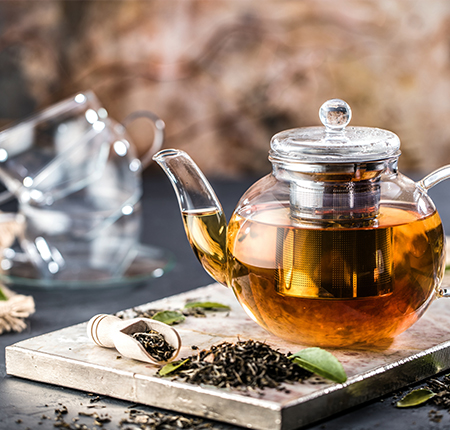
Generally speaking, teas have a calming effect on the body and are also recommended while breastfeeding. They can also have a positive effect on the quality of your breast milk and help to ease colic.
With the exception of green tea, black tea and other caffeinated drinks, teas are allowed while breastfeeding and are even recommended for their calming effect. Good options include:
- Chamomile tea: has a calming effect and supports the immune system of both mother and newborn. It can also help with sleep problems, if you're affected by them
- Ginger tea: supports milk production and can increase milk supply
- Fennel tea: contributes to the development of your baby's immune system, as it's rich in vitamin C, magnesium, potassium and antioxidants
- Ginkgo biloba tea: has a particularly positive effect on postnatal depression and can support memory and concentration.
Tips and recommendations for nutrition while breastfeeding
If you take just one thing away from this article, let it be this: eating well after giving birth doesn't have to be a headache. Postnatal care brings enough challenges as it is, and what you eat shouldn't be another worry. Rather, it should be a way of looking after your body by treating yourself to nutrient-rich foods for you and your baby.
It's not about a strict list of absolute DOs and DON'Ts, of allowed versus forbidden, but about finding a balance between what nourishes the body and what's good for the soul. You don't have to give up eggs, just foods containing raw eggs. You don't have to give up sweets and coffee, just cut back on them. Balance is key.
To finish, here are a few last recommendations that may help you eat in a way that supports breastfeeding as well as possible.
Drink more water
While breastfeeding, it's not just your calorie intake that needs to increase, but your water intake too. It's recommended to drink 200–300 ml more water a day than usual. Breast milk is 87–90% water, so staying well hydrated is very important.
Give up smoking
Like alcohol, nicotine passes quickly into breast milk and also affects the amount of milk you produce. What's more, if your baby is in an environment where people smoke, that's passive smoking, which can cause restlessness, diarrhoea, vomiting and respiratory infections.
The best approach is to give up smoking altogether while breastfeeding, or at the very least not to smoke for 30 minutes before a feed.
Don't take any medication without your doctor's approval
Some medicines are safe while breastfeeding, but others can affect breast milk in unexpected ways and reach your baby as toxic substances. Always talk to your doctor and seek their advice before taking any medication – whether it's a treatment or a supplement.

Medium, super or extra absorption

Low, medium or super absorption

Low or medium absorption


and happily breaking taboos!


