

9 possible causes of ovarian pain
Many women experience ovary pain at some point in their lives. If you've been through it yourself, it's perfectly natural to feel worried. To help you better understand what's behind it and what you can do, we've put together an article packed with useful information – for all those moments when your ovaries hurt.
The main possible causes of ovary pain
First, there's something you should know: ovary pain isn't always what it seems. Essentially, it's pain in the lower abdomen, and only a gynaecological examination can determine whether there really is a problem with the ovaries or whether the pain originates from other organs.
If the pain genuinely does come from the ovaries, the causes can range from serious conditions to entirely harmless reasons. The most common sources of pain are:
- Ovulation pain (mittelschmerz)
- Menstruation
- Ovarian cysts
- Endometriosis
- Pelvic inflammatory disease (adnexitis)
- Ovarian tumours
- Ovarian cancer
- Ovarian torsion (twisting of the ovary)
- Ovarian remnant syndrome
Painful ovulation
Painful ovulation, also known as mittelschmerz, affects around 20% of all women. It can present as a sharp, stabbing pain or as a mild cramp in the pelvic or lower abdominal area.
Wondering how this pain comes about? When the membrane surrounding the egg stretches so that it can be released from the ovary, this stretching creates pressure and pain. It's usually more intense on one side – namely the side on which the ovary is releasing an egg.
In rare cases, the pain can last for several days and be barely tolerable, but most of the time it's only mild, brief discomfort.
Before and during menstruation
Some women feel pain in the area of the ovaries before their period starts, or during it. As with ovulation pain, this type of pain is no cause for concern and generally disappears a few days after the bleeding begins.
The appropriate term in this case – and the one most women use – is "period cramps". They are normal, as long as they don't stop you getting on with your daily life, and they occur when the uterus contracts to expel the uterine lining and menstrual blood. Heat patches can help to ease this pain.
Ovary pain outside of menstruation
When ovary pain occurs outside of menstruation, the possible causes are considerably more varied – and not as harmless as period cramps. The reasons range from gynaecological conditions to other health problems, including appendicitis.
Common causes of ovary pain outside your period include cysts, endometriosis and certain infections or sexually transmitted diseases. Pelvic inflammatory disease – that is, inflammation of the internal reproductive organs (ovaries, fallopian tubes, uterus and cervix) – can also cause ovary pain, even when you're not menstruating. The same applies to ovarian torsion, in which the ovary twists around the ligament that holds it in place.
These conditions require treatment and should therefore not be ignored. Don't regard ovary pain outside of menstruation as normal, and always book an appointment with a specialist for diagnosis and treatment – particularly if the symptoms worsen or persist for several days.
An ovarian cyst
Fluid-filled formations on the ovaries are called ovarian cysts and are among the most common causes of ovary pain. They can go unnoticed for a long time without causing any discomfort, but they may in some cases make themselves known through symptoms: pain (which may radiate into the leg or back and can occur during intercourse or menstruation), unusual vaginal bleeding, pressure on the bladder and an increase in abdominal girth.
Cysts often disappear on their own after a short time, without any treatment. There are cases, however, where a doctor may recommend preventive treatment with the pill, or surgical removal if the cysts cause persistent discomfort. If you'd like to learn more about this topic, we've explained everything HERE.
After intercourse
Ovarian cysts and endometriosis are among the gynaecological conditions that frequently cause ovary pain which becomes particularly worse after intercourse – but they aren't the only ones.
Another important cause of this type of pain is pelvic inflammatory disease, which can be triggered by various bacteria and above all by sexually transmitted infections such as gonorrhoea and chlamydia – but also by others, which we've covered in more detail HERE. Ovarian cancer can also be a cause of ovary pain after intercourse.
Ovary pain can also have anatomical causes, for example if it only occurs towards the end of intercourse. In that case, the cause lies not with the ovary but with a retroverted uterus, which means the penis pushes painfully against the cervix during sex.
An infection
We're not referring here to vaginal infections, which you can read more about in our article. Ovary pain can be caused by an abscess on the ovary, usually in patients with an infectious disease. Alongside the infections already mentioned, salpingitis is another infection of this kind.
It develops when one or both fallopian tubes become infected – for instance as a result of a sexually transmitted infection, an infection of an organ near the reproductive organs (e.g. appendicitis), the insertion of a coil, or an examination of the uterine cavity. An infection of this kind is accompanied by fever and unusual discharge, can only be diagnosed by a doctor using a pelvic ultrasound scan, and is treated with antibiotics.
After in vitro fertilisation (IVF)
In vitro fertilisation is a modern assisted reproduction technique recommended in cases of infertility. Fertilisation takes place artificially, and one or more embryos are selected for transfer into the uterus – with the aim of achieving a healthy pregnancy.
If such a procedure places too much strain on the ovaries, however, for instance during very intensive stimulation, ovarian cysts and therefore possibly ovary pain may develop. This condition even has its own name – ovarian hyperstimulation syndrome (OHSS) – and is accompanied by swelling of the ovaries and pain. The cysts are immediately visible to the doctor on an ultrasound scan.
9 conditions that may be behind ovary pain
Ovary pain during ovulation – mittelschmerz
Ovary pain is by no means unusual – quite the opposite. It can occur during menstruation, but not only then: it's also common during ovulation, when the follicle ruptures and the egg is released.
Mittelschmerz symptoms & diagnosis
Although it's fairly common, this phenomenon bears a rather uncommon name: mittelschmerz – made up of the German words for "middle" and "pain".
Ovulation usually takes place in the middle of the menstrual cycle, which is why you'll typically feel the pain most strongly around day 14 – at the moment the egg leaves the ovary and enters the fallopian tube.
Various theories explain why ovulation might hurt. One of them suggests that, since the ovary has no opening, the egg has to break through the ovarian wall – and that can be painful.
Ovary pain – ovarian cyst
If the pain persists outside of menstruation or ovulation, an ovarian cyst may be behind it.
Ovarian cyst – symptoms & diagnosis
An ovarian cyst takes the form of round, fluid-filled sacs that develop as a result of changes during ovulation. These cysts can rupture, twist or bleed and cause severe pain.
In the vast majority of cases, ovarian cysts cause no symptoms and can be treated with medication. During acute phases, or if they rupture or twist, surgical treatment is required. If ovary pain persists, a gynaecological examination is recommended to reach a diagnosis.
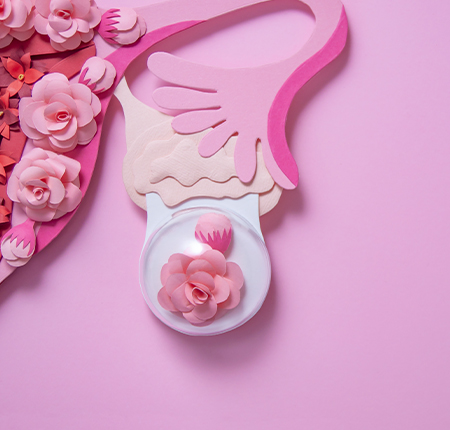
Most cysts are symptomless and cause neither pain nor complications. With problematic cysts, however, abdominal pain and more frequent urination may occur. Your doctor may recommend treatment as well as monitoring how the cysts develop. In rare cases, a minor laparoscopic procedure is needed to remove the cysts. The contraceptive pill may also be recommended.
Pain caused by ovarian cancer
There are several types of ovarian cancer that can cause ovary pain, including epithelial ovarian carcinoma, ovarian germ cell tumours, stromal cell tumours and small cell carcinoma. Although they are all classified as "ovarian" because they affect the ovaries, they differ in terms of origin, treatment and diagnosis.
Ovarian cancer symptoms & diagnosis
Symptoms of ovarian cancer may include:
- Severe ovary pain, or pain lasting longer than the discomfort associated with the menstrual cycle
- Bloating
- Pelvic or abdominal pain
- Difficulty eating or feeling full quickly
- Urinary symptoms (urgency or frequent urination)
A gynaecologist can help you identify the causes of the pain and reach a diagnosis.
Ovary pain – endometriosis
Endometriosis commonly affects women between the ages of 25 and 35 and is the most frequent cause of chronic pelvic pain. But what exactly is this condition?

Endometriosis is a chronic condition in which the tissue that lines the uterus (the endometrium), as well as similar fragments of tissue, is found outside the uterus. These tissue fragments are also known as "endometriosis lesions" and vary in size; they are found inside the abdominal cavity and can spread over the course of a menstrual cycle.
Endometriosis – symptoms & diagnosis
Those affected describe the pain as more severe than usual. Over time it can also get worse and occur during intercourse, which then becomes painful. When we talk about more severe pain, this also includes being confined to bed and experiencing acute pain between periods.
The symptoms therefore include:
- Dysmenorrhoea – that is, painful periods – where pain and cramping are also accompanied by back and abdominal pain and may continue before and after the period.
- Pain during intercourse
- Abdominal pain when urinating and/or passing stools
- Heavy bleeding and bleeding between periods
- Infertility
- Fatigue, diarrhoea, nausea and other symptoms
Pelvic inflammatory disease (PID)
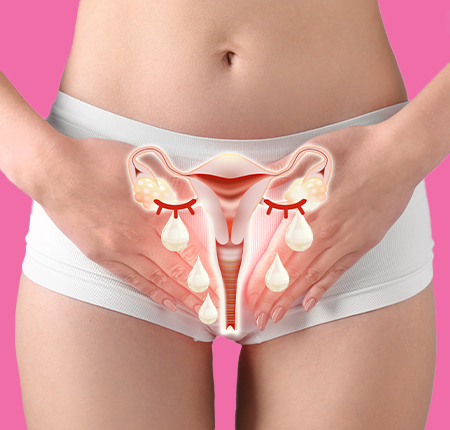
Pelvic inflammatory disease (PID) is an infection of the reproductive organs in people with ovaries. It can affect the cervix, uterus, fallopian tubes and ovaries and can be sexually transmitted – though this isn't necessarily the case. In some cases, PID can lead to permanent damage to the reproductive organs and to serious complications, such as infertility and the risk of an ectopic pregnancy.
Pelvic inflammatory disease symptoms & diagnosis
The most common sign and symptom of pelvic inflammatory disease is ovary pain, which can become almost constant. It's also possible, however, to have PID without symptoms, or with complaints that are mistaken for other conditions, such as:
- a burning sensation when urinating
- frequent urination
- irregular periods
- changes in vaginal discharge
- pain during sex
- fever, with or without chills
Having a coil as your method of contraception can also cause pain.
Seeing a doctor is important for diagnosis: after the appropriate tests, you'll find out what triggered the condition and receive the right treatment.
Pain caused by ovarian torsion
Ovarian torsion occurs when an ovary twists around the ligaments that hold it in place. This can cut off the blood supply to the ovary, which may lead to the death of the ovarian tissue. Ovarian torsion is most commonly caused by a mass on the ovary, due to:
- an ovarian cyst
- polycystic ovary syndrome
- a tumour on the ovary
Pregnancy and fertility treatments are also risk factors for ovarian torsion. Recent studies show that 8 to 15% of people with this diagnosis were pregnant.
Ovarian torsion symptoms & diagnosis
Symptoms of ovarian torsion may include:
- sudden, severe pelvic pain that may radiate into the abdomen, back or flank
- nausea, vomiting
It's also possible for the symptoms to come and go over days or weeks. Diagnosis involves blood and urine tests to rule out other conditions, as well as – on the doctor's recommendation – an ultrasound scan and/or a pregnancy test.
Ovarian remnant syndrome (ORS)
In ovarian remnant syndrome, ovarian tissue remains in the body after a woman has had surgery to remove one or both ovaries.
Ovarian remnant syndrome symptoms & diagnosis
Signs and symptoms may include pelvic pain, a mass in the pelvis, or the absence of menopause following surgery. In addition, complaints similar to endometriosis may occur – such as pain during sex, when urinating or when passing stools, as well as digestive problems.
To diagnose ORS, your doctor will take a history of previous ovarian surgery and recommend an ultrasound scan. The definitive diagnosis is made by laparoscopy.
Ovary pain during pregnancy
Ovary pain can also be one of the first signs of pregnancy. Bloating can be a sign of pregnancy, along with digestive problems such as constipation and abdominal cramps. When you become pregnant, progesterone levels rise and can slow down digestion, leading to constipation. Abdominal cramps and ovary pain can also occur with menstruation, however – so it's best to take a pregnancy test if you're unsure!
Ovary pain with an ectopic pregnancy
If ovary pain occurs at the same time as a missed period in a woman of childbearing age, an ectopic pregnancy located on the ovary could be a plausible cause. This isn't a common situation, but it's certainly possible.
An ectopic pregnancy occurs when the embryo implants outside the uterus. This usually happens in the fallopian tubes, but in rare cases also in the abdominal cavity or on an ovary.
If you've had unprotected sex, missed a contraceptive pill or pregnancy is a possibility, a pregnancy test is recommended. If the result is positive, you should book an appointment for an ultrasound scan. An ectopic pregnancy cannot be carried to term and can lead to complications that endanger your health – so discuss the next steps with your specialist.
Symptoms & diagnosis of pain caused by an ectopic pregnancy
The symptoms of an ectopic pregnancy can be very similar to the first signs of a normal pregnancy. Your period doesn't come, you feel more tired and weaker, you experience increased tenderness, or you get severe pain in the area of the ovaries and notice unusual vaginal bleeding.
As a rule, a gynaecologist can detect ovary pain during a physical examination by palpation. To identify an ectopic pregnancy, however, an ultrasound scan is required. This form of pregnancy is usually diagnosed early, within the first 12 weeks, so that action can be taken as quickly as possible to prevent later complications.
What is referred ovary pain – the link with other conditions
The ovaries lie close to other organs and areas of the body. Pelvic and ovary pain can therefore also originate from other conditions. If, for example, you have pain in one area of the body that actually originates from another region, this is known as referred pain.
Symptoms & diagnosis of referred pain
Medicine is still trying to understand exactly why referred pain occurs! It's likely to be linked to the way the nerves in the body are connected to one another. A pain sensation from a particular region has to reach the brain via the nerve network – and when these nerves overlap, the pain can be perceived in a different place.
Treatment methods and remedies for ovary pain
There's no single treatment, and which remedies help with ovary pain varies from person to person (just as the intensity of cramps varies). You can, however, try a few natural methods when ovary pain is troubling you.
Even though there's no one-size-fits-all treatment and the remedies that work depend on the individual (and on the intensity of the cramps), you can try a few natural methods when ovary pain is bothering you.
Our recommendations for easing cramps:
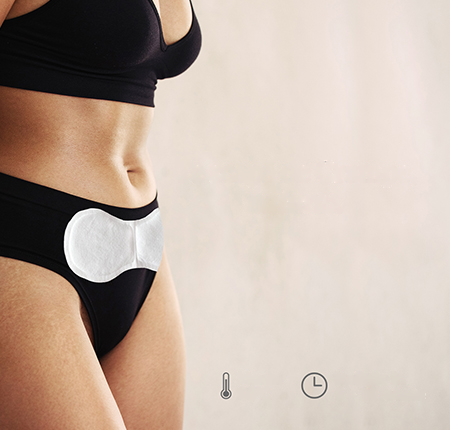
- Natural period patches: stick the patch wherever it hurts and enjoy up to 8 hours free from cramps!
- Painkillers and anti-inflammatories: if cramps can't be eased naturally, you'll find specific medicines for period pain at the pharmacy.
- Avoid excessive consumption of salt, sugar, red meat and alcohol: these can cause bloating, which makes the pain worse.
- Drink enough: make sure you take in sufficient fluids and electrolytes.
- Supplements, or more fruit, vegetables, nuts and seeds for vitamins and minerals: a balanced diet is one of the simplest and most natural remedies for ovary pain, because symptoms can ease when the body has no nutrient deficiencies and is hormonally balanced.
- Painkillers and anti-inflammatories
- Avoiding excessive consumption of salt, sugar, red meat and alcohol
- Adequate fluid intake
- Supplements, or more fruit, vegetables, nuts and seeds for vitamins and minerals.
When should you see a doctor?
If you have other symptoms alongside the ovary pain, or suspect one of the conditions described in this article, it's essential to seek medical advice. That's because treatments differ: pelvic inflammatory disease may require antibiotics, and ovarian torsion is a medical emergency!
Last but not least: since ovary pain and dysmenorrhoea are closely linked to premenstrual syndrome, we recommend our article on everything PMS involves: what it is, its physical and emotional symptoms, how it affects your health, and its causes and risk factors.
Frequently asked questions about ovary pain
If you have further questions about ovary pain, take a look at our FAQ section. Here you'll find short, clear answers to all the questions you may not have found answers to in the article.
Why do the ovaries hurt after intercourse?
There are several possible causes of ovary pain after intercourse. Among the most common are sexually transmitted diseases, ovarian cysts and also the anatomical position of the uterus.
With sexually transmitted diseases, inflammation of the internal organs can cause pain and bleeding after sex. Ovarian cysts can remain symptomless until they rupture – so pain after intercourse may indicate a ruptured cyst. In the final case, a retroverted position of the uterus (whereas the normal position is anteverted) can mean the penis repeatedly pushes against the cervix, causing pain towards the end of intercourse.
Can ovary pain radiate into the leg?
Yes, pain in the area of the ovaries and in the lower abdomen can radiate into the leg or the back. The cause is usually either a health problem such as appendicitis or a gynaecological problem such as an ovarian cyst. The latter can make the pain worse, particularly during menstruation or during/after intercourse.
If you have symptoms like these, don't ignore them. Book an appointment with a gynaecologist to determine the exact cause and decide on the next steps. Some cysts disappear on their own without treatment, while others require surgery to resolve the symptoms.
Are natural remedies for ovary pain effective?
When it comes to pain during menstruation, you can certainly try natural remedies for relief. As long as they remain bearable, period cramps are normal, and you can tackle them effectively with Enroush period patches made with 100% natural ingredients: they use heat therapy so you can relax without medication.
If the pain occurs outside of menstruation, however, or you have reason to believe it's caused by other conditions, it's always advisable to see a gynaecologist for diagnosis and effective treatment. And if you'd like a natural treatment, talk to your doctor about it and follow their advice.
Is ovary and back pain during ovulation normal?
Ovary pain (which can radiate into the back) isn't all that unusual during ovulation. Yes, painful ovulation can be normal, is generally no cause for concern, isn't a serious condition and doesn't affect fertility either.
The pain arises because the membrane around the egg stretches so that it can be released – creating pressure and pain. In addition, the blood released when the egg is expelled can irritate the lining of the abdomen and intensify the pain.
If the discomfort becomes very severe, however, lasts for many days, or other symptoms appear, we shouldn't dismiss it as normal.
Sources
For this article, we drew on information from the following sources:
1. NIH, National Library of Medicine, "Ovarian Conditions As Causes Of Pelvic Pain": https://pmc.ncbi.nlm.nih.gov/articles/PMC2445661/
2. Cleveland Clinic, "Ovary Pain": https://my.clevelandclinic.org/health/symptoms/24726-ovary-pain
3. Healthline, "Causes and Treatments for Ovary Pain": https://www.healthline.com/health/womens-health/ovary-pain
4. WebMD, "Ovarian Pain: Possible Causes, Diagnosis, and Treatments": https://www.webmd.com/women/ovarian-pain-causes-diagnosis-treatments
5. Ovarian Cancer Research Alliance, "5 Possible Causes for Ovary Pain": https://ocrahope.org/news/5-possible-causes-for-ovary-pain/
6. VeryWell Health, "12 Possible Causes of Ovary Pain and Treatment Options": https://www.verywellhealth.com/ovary-pain-causes-and-treatment-514437
7. Mayo Clinic, "Ovarian cysts": https://www.mayoclinic.org/diseases-conditions/ovarian-cysts/symptoms-causes/syc-20353405
8. Mayo Clinic, "Ovary hyperstimulation syndrome": https://www.mayoclinic.org/diseases-conditions/ovarian-hyperstimulation-syndrome-ohss/symptoms-causes/syc-20354697
9. Mayo Clinic, "Ectopic pregnancy": https://www.mayoclinic.org/diseases-conditions/ectopic-pregnancy/diagnosis-treatment/drc-20372093

Medium, super or extra absorption

Low, medium or super absorption

Low or medium absorption


and happily breaking taboos!


