

DHEA (dehydroepiandrosterone): what it is, what role it plays in your body and when testing makes sense
Have you recently had blood tests done to check the hormones in your body, and there's a line on the report about DHEA-S where you have no idea what the values mean? Or have you heard that DHEA can be taken as an anti-ageing supplement? After reading our article, you won't be left with any questions. DHEA (dehydroepiandrosterone) is a hormone your body produces itself – mainly in the adrenal glands – and which serves as the starting material for producing sex hormones such as testosterone and oestrogen. When measured in the laboratory, the value is never assessed in isolation, but always together with your symptoms and your overall hormonal picture.
In brief, here's what you should know about DHEA:
- DHEA is a hormone produced largely in the adrenal glands and is involved in the production of other sex hormones.
- Laboratories usually measure DHEA-S rather than DHEA. The sulphated form of the hormone is more stable in the blood.
- A raised DHEA-S level can occur in polycystic ovary syndrome, in adrenal disorders, or after taking DHEA. A low DHEA-S level may be linked to age, adrenal insufficiency, or corticosteroid treatment.
- DHEA preparations can have unwanted effects and are not a cure-all for ageing, fatigue, or libido.
- If you have irregular bleeding, acne, excessive body hair, or unusual changes to your cycle, your doctor may recommend measuring DHEA-S as part of investigating hormonal disorders.
Want to know straight away what raised or low DHEA-S levels mean? Or would you prefer to jump to a particular section? Here's the contents list – read whatever interests you:
- What DHEA is and where it comes from
- What DHEA does in the female body
- How DHEA changes with age
- The DHEA-S test: when it's recommended and how to prepare
- Normal DHEA-S values in women by age
- Raised DHEA-S: what it can mean
- Low DHEA-S: what it can mean
- DHEA supplements: what the science says – and what it doesn't
- Vaginal DHEA (prasterone): the only form with a clear indication in women
- DHEA and fertility: what we know about ovarian reserve
- What you can do if your result doesn't look good
- Frequently asked questions
What DHEA is and where it comes from
DHEA (dehydroepiandrosterone) is a steroid hormone that your body makes from cholesterol – around 8 mg a day in total.
Most of it is produced in the zona reticularis of the adrenal cortex, the outer layer of the adrenal glands, two small glands that sit above the kidneys. The brain and the ovaries also produce smaller amounts of DHEA.
This production changes with age. Levels begin to rise even before puberty proper, during what is known as adrenarche at around 7 to 9 years of age, when the first pubic and underarm hair appears along with the typical adult body odour. Levels usually peak between the ages of 20 and 25, after which they decline steadily.
Dehydroepiandrosterone is considered a prohormone, in other words a hormone the body uses as a starting material to make other hormones – including oestrogen and testosterone in women. The body first converts it into androstenedione, which can then be converted in various tissues into testosterone and onwards into oestrogens.
DHEA vs DHEA-S: why the laboratory measures the sulphate
If you have blood taken to have your DHEA level measured and the report says DHEA-S, your first thought may be that there's been a mistake. There hasn't. The laboratory measures the sulphated form of the hormone.
DHEA circulates in the blood only briefly, for around 25 minutes. And levels can fluctuate considerably over the course of the day.
DHEA-S, on the other hand – dehydroepiandrosterone sulphate – remains in the blood for around 11 hours and shows considerably more stable values. It functions as a kind of DHEA reservoir.
That's why it makes sense for the laboratory to measure DHEA-S rather than DHEA: a single blood sample gives you a more reliable picture of adrenal androgen production.
What DHEA does in the female body
What is DHEA – which also contributes to testosterone production, in other words to the androgens – doing in the female body? Androgens are generally regarded as male hormones that a woman shouldn't have at all, aren't they? Well, that's a myth.
In reality, the female body produces and uses androgens every single day, and DHEA is their most important adrenal source. It contributes to the available testosterone and oestrogen reserves in the body, which become particularly important after the menopause.
When the ovaries produce considerably less oestrogen, the peripheral conversion of DHEA becomes the main source. That's why DHEA is associated with libido, bone density, skin health, and general wellbeing. It's also the reason DHEA is sometimes marketed as the "youth hormone".
Most of these links between DHEA and health, however, come from observational studies. Clinical trials have not so far shown that a higher DHEA level automatically means rejuvenation or more energy. Always take such claims with a pinch of salt.
If you're struggling with low libido or skin ageing, for example, a higher DHEA level isn't automatically the miracle cure for turning back the clock. Rather, you need to look at your hormonal picture as a whole – including testosterone, oestrogen, and progesterone.
How DHEA changes with age
DHEA begins to rise at around 7 to 9 years of age with adrenarche. It reaches its highest levels between the ages of 20 and 25, after which production gradually declines. The laboratory reference ranges for DHEA-S reflect this:
- 20–24 years: approx. 148–407 µg/dl
- 35–44 years: approx. 60.9–337 µg/dl
- 55–64 years: approx. 18.9–205 µg/dl
So within three decades, the DHEA-S range roughly halves. The same value can be low in a young woman and normal in an older woman – which is why the result is always assessed in the context of age and the laboratory's reference range.
So if you're over 40, a falling DHEA-S level is physiological, part of the normal ageing process, and not a sign of disease. And although this decline coincides with the transition into perimenopause and menopause, it isn't their cause.

The DHEA-S test: when it's recommended and how to prepare
Your DHEA-S level can point to an androgen imbalance or a problem with the adrenal glands. Your doctor may recommend it if they want to investigate a possible link between your symptoms and androgen production.
When the DHEA-S test is requested:
- You have an irregular menstrual cycle or no periods at all
- You have excessive hair growth on the face, chest, or abdomen (hirsutism)
- You have treatment-resistant hormonal acne
- Signs of virilisation appear, such as a deeper voice or increased muscle mass
- Male-pattern hair loss
- Polycystic ovary syndrome (PCOS) is suspected
- As part of a fertility investigation
- To assess adrenal function
- In cases of precocious puberty in children
How the DHEA-S test works:
- The test involves a simple venous blood sample, usually taken while fasting, i.e. in the morning on an empty stomach.
- Unlike FSH, LH, or oestradiol, DHEA-S doesn't fluctuate much over the course of the day and doesn't depend on the day of your cycle. So the blood sample doesn't have to be timed for days 2 to 5, as with other hormone tests.
- Take care if you're taking biotin: doses above 5 mg a day, commonly found in skin and nail supplements, can distort the result. Blood should be taken no sooner than 8 hours after your last dose.
- Tell your doctor exactly which medicines you're taking. Clomifene, danazol, and corticotropin can raise the measured DHEA-S value. Dexamethasone, prednisone and other glucocorticoids, carbamazepine, and testosterone can lower it.
Normal DHEA-S values in women by age
DHEA-S values differ considerably by age and, as mentioned above, decline steadily from around the age of 25. As a guide, below are the ranges considered normal over the course of a woman's life:
- 10–14 years: 33.9–280 µg/dl
- 15–19 years: 65.1–368 µg/dl
- 20–24 years: 148–407 µg/dl
- 25–34 years: 98.8–340 µg/dl
- 35–44 years: 60.9–337 µg/dl
- 45–54 years: 35.4–256 µg/dl
- 55–64 years: 18.9–205 µg/dl
- 65–74 years: 9.4–246 µg/dl
- Over 75 years: 12–154 µg/dl
These are merely reference ranges, not ideal values you need to achieve. Always bear in mind that:
- ranges can vary from laboratory to laboratory. Always compare your result with the reference range on your own report.
- some laboratories use µg/ml or µmol/l as the unit. To convert to µmol/l, multiply the value in µg/dl by 0.02714.
- a result above 700 µg/dl is considered a value that should be medically investigated in order to establish the precise cause and rule out a possible tumour source.
Raised DHEA-S: what it can mean
The measured DHEA-S value, together with the testosterone level, can help your doctor work out where the androgen excess is coming from.
DHEA-S is produced almost exclusively in the adrenal glands. A raised DHEA-S value with normal testosterone may therefore point to the adrenal gland as the source of the androgen excess. Raised testosterone with normal DHEA-S suggests an ovarian source instead, for example in the case of enlarged ovaries.
These results, however, are only the first step towards identifying the cause. Androgen excess is common in women with hirsutism – it affects around 84% of them. Many other cases are linked to polycystic ovary syndrome (PCOS), but rarer causes such as androgen-producing tumours are also possible.
Polycystic ovary syndrome (PCOS)
Polycystic ovary syndrome is one of the most common explanations for raised androgens in young women. It affects around 5–10% of women of reproductive age.
In some patients with PCOS, the adrenal glands also contribute to the androgen excess, which shows up in the laboratory as a mildly to moderately raised DHEA-S value.
Simply finding a raised DHEA-S value is not enough to diagnose PCOS and doesn't confirm it with any certainty. Your doctor will take into account clinical signs such as an irregular cycle and signs of hyperandrogenaemia and – if necessary – an ultrasound scan of the ovaries before making the diagnosis.
Congenital adrenal hyperplasia, non-classical form
Congenital adrenal hyperplasia is a genetic condition in which an enzyme needed to produce the adrenal hormones is missing or present with insufficient activity – most commonly 21-hydroxylase.
The non-classical form doesn't show itself in childhood but only becomes apparent in puberty or adulthood. Typical signs are acne, hirsutism, and irregular cycles – a picture that closely resembles PCOS and is often confused with it.
Doctors usually distinguish between the two conditions by measuring 17-hydroxyprogesterone, not DHEA-S.
Tumours and other rare causes
Adrenal tumours or – far more rarely – androgen-producing ovarian tumours are unusual causes of a raised DHEA-S value. They do, however, need to be considered when values are very high or when symptoms appear suddenly and progress rapidly.
A DHEA-S value above 700 µg/dl, particularly in combination with sudden-onset hirsutism or signs of virilisation, may raise this suspicion.
Does that automatically mean there's a tumour? No – and there's no point in panicking.
A markedly raised DHEA-S value or a rapid onset of symptoms are, however, grounds for further investigation, including imaging if your doctor recommends it, in order to detect any possible problem early.
Low DHEA-S: what it can mean
From a clinical point of view, it is above all raised DHEA-S values that are informative, since they can point to particular conditions.
A low DHEA-S value on its own is no cause for concern – particularly not if you have no symptoms. This is because levels of this hormone fall naturally with age, and that is usually the main reason for the decline.
If there is another cause, however, a low DHEA-S value may be linked to:
- Adrenal insufficiency (Addison's disease)
- Long-term corticosteroid treatment
- Pituitary disorders
If you also have symptoms such as chronic fatigue, the result must always be considered alongside other values, including cortisol. The term "adrenal fatigue" is not a recognised medical diagnosis, so a low DHEA level cannot be regarded as a direct cause.
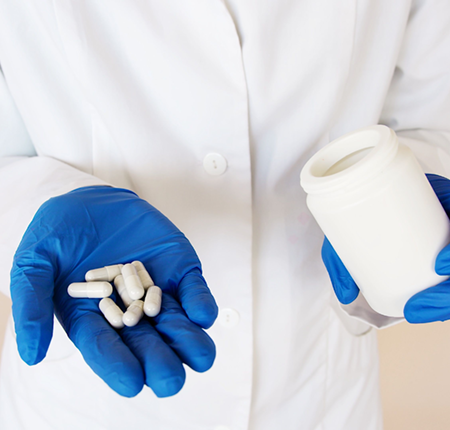
DHEA supplements: what the science says – and what it doesn't
Thinking of correcting your DHEA level with supplements after your laboratory result came back outside the reference range? Don't go straight out looking for the best product, because DHEA works in a completely different way to other supplements.
DHEA is a hormone, not a vitamin. And you can't simply take DHEA the way you take vitamins and minerals. The fact that DHEA supplements are available over the counter in the USA doesn't mean they're risk-free.
In the UK, DHEA is not treated as an ordinary food supplement: products containing it are regulated as medicines by the MHRA.. There's no DHEA level you should be "optimising" on your own. That decision has to be made responsibly – always together with an endocrinologist or gynaecologist, after your symptoms and laboratory values have been carefully assessed.
What has been studied – and with what results
DHEA has been studied for a wide variety of effects, from influences on ageing to libido and menopausal symptoms. The findings, however, don't support all the promises you'll find online. Let's look at what the science says.
What does appear to help:
- Some studies observed improvements in skin hydration, collagen production, and age-related skin thinning.
- A meta-analysis showed favourable changes in body composition, specifically more lean mass and less fat mass.
- When it comes to sexual function, study findings are mixed. Some reported small improvements, others found no effect.
What hasn't been borne out:
- Studies have not clearly shown that DHEA can slow the ageing process or significantly improve cognitive function, bone strength, or physical performance in older adults.
- For depression, the evidence is still preliminary and of low quality; DHEA is not a first-line treatment.
- For hot flushes and vaginal dryness too, oral use has not produced consistent results.
Risks, side effects, and who shouldn't take DHEA
Even if the body needs additional amounts of DHEA, taking it can cause side effects. DHEA acts on several body systems and isn't a supplement you should take preventively simply because levels fall with age.
The most common side effects include:
- Acne
- Stomach upset
- Mood changes.
For certain groups of people, taking DHEA is contraindicated:
- Women who are pregnant or breastfeeding
- People with liver disease
- Patients with polycystic ovary syndrome, since they often already have raised androgens and DHEA can push these up further.
In addition, high doses and long-term use can carry the following risks:
- Worsening of hormone-dependent conditions (breast cancer, ovarian cancer, endometriosis)
- Interactions with insulin and the need for blood glucose monitoring in women with diabetes
- Lowering of protective HDL cholesterol
- Irritability and impulsivity in people with mood disorders
- Interactions with anticoagulants, hormone therapies, some cancer treatments, and antidepressants.
Another point to be aware of: DHEA supplements aren't regulated in the same way as medicines. The actual amount of active ingredient they contain may therefore differ from what's stated on the label. So if you're considering taking DHEA, always speak to your doctor first and get their recommendation.
Vaginal DHEA (prasterone): the only form with a clear indication in women
DHEA can be used both orally and vaginally in the form of vaginal pessaries, and there are considerable differences between the two in how they work.
Unlike capsules taken by mouth, the vaginal form (prasterone) is used intravaginally and acts locally. Its medical indication is clearly defined: the treatment of moderate to severe symptoms of genitourinary syndrome of the menopause, in other words thinning and dryness of the vaginal lining with pain during intercourse.
Unlike DHEA food supplements, prasterone isn't an off-the-shelf product but a prescription-only medicine. Your doctor can recommend it after a medical assessment, particularly where vaginal oestrogen isn't suitable.
That doesn't mean DHEA in the menopause is a treatment for every complaint of this stage of life, or that it automatically boosts libido.
If you're suffering from atrophic vaginitis or pain during sex, however, you don't simply have to put up with the discomfort and resign yourself to it. It's a treatable symptom you should discuss with your doctor.
DHEA and fertility: what we know about ovarian reserve
DHEA is often mentioned in connection with fertility and IVF. Do you know why? Some fertility clinics prescribe it to women with diminished ovarian reserve, for example in connection with amenorrhoea or other ovulation disorders. The thinking behind it is the hypothesis that androgens might support follicle development in the early stages.
The problem is that the studies reach differing conclusions. Some have reported possible benefits for individual parameters of ovarian response, but the evidence is inconsistent. Positive effects on live birth rates have not been convincingly demonstrated.
So although DHEA may be helpful as part of IVF, it cannot currently be regarded as a treatment for infertility in women. The decision to use DHEA is made solely together with a fertility specialist and within the framework of a supervised protocol.
In addition, as already mentioned, women with PCOS should avoid taking it, since DHEA can push androgens up further.

What you can do if your result doesn't look good
Have you had your blood DHEA-S level measured and just received the report? Here's how best to proceed:
- Check the reference range on the report and your age group.
- Make a note of your symptoms. What is your cycle like? How regular are your periods? When did the extra hair appear? When did your skin and hair change?
- Make an appointment with an endocrinologist or gynaecologist and take the report with you, along with a list of all the medicines and supplements you're taking.
- Share all this information with your doctor, as well as any periods without ovulation and stress. Expect them to recommend further tests, because DHEA-S alone doesn't give a diagnosis. Total and free testosterone and 17-hydroxyprogesterone may also need to be measured, and an ultrasound scan carried out.
- In the meantime, don't start any treatment and don't take any supplements. Be patient and trust your doctor – decisions made together are the safest for you.
Frequently asked questions
What else would you like to know about DHEA? Not entirely clear on the difference from the sulphated form? Interested in the cost of the test? Below we answer the questions women most commonly ask about dehydroepiandrosterone.
What's the difference between DHEA and DHEA-S?
DHEA is the free, less stable form of the hormone. DHEA-S is its sulphated form, which is more stable and present in larger amounts in the blood. DHEA fluctuates more over the course of the day, whereas DHEA-S remains relatively constant. That's why laboratories generally measure DHEA-S.
What does a raised DHEA-S value mean in women?
A raised DHEA-S value can indicate increased androgen production by the adrenal glands, but it doesn't automatically explain the cause. It can occur in PCOS, in congenital adrenal hyperplasia, or – more rarely – with an androgen-producing tumour. Assessment is based both on the value and on your symptoms and further tests.
Which DHEA-S values are normal in women?
Normal DHEA-S values depend on age and on the laboratory method used. The most important thing is to compare your result with the reference range given on your own report, not with a figure you've found online.
On which day of the cycle is the DHEA-S test done?
The DHEA-S test doesn't have to be done on a particular day of your cycle. Unlike FSH, LH, or oestradiol, DHEA-S barely fluctuates according to the phase of the cycle. Do, however, follow the laboratory's instructions for blood sampling. Usually you'll be advised to come in fasting.
How much does the DHEA-S test cost?
The price of the DHEA-S test varies from laboratory to laboratory, and rates can change. Check the current price directly with your chosen laboratory before having blood taken.
Is a low DHEA-S value dangerous?
A low DHEA-S value isn't necessarily cause for concern, particularly not in older women. Levels of the hormone fall naturally over the years. It can, however, also occur in adrenal insufficiency, during corticosteroid treatment, or with certain pituitary disorders. Your doctor will always take the whole clinical picture into account.
Does a raised DHEA-S value automatically mean polycystic ovary syndrome?
No, a raised DHEA-S value doesn't automatically mean you have polycystic ovary syndrome (PCOS). DHEA-S is produced mainly in the adrenal glands, and a raised value can have several causes. A PCOS diagnosis is based, among other things, on the combination of symptoms and further tests.
Can I take DHEA supplements without seeing a doctor?
It isn't advisable to take DHEA without medical advice. DHEA is a hormone, not a vitamin; it carries risks for certain groups of people and can cause side effects or drug interactions. Always speak to your gynaecologist or endocrinologist.
Does a raised DHEA-S value prevent pregnancy?
Raised DHEA-S values don't automatically mean infertility, although raised androgen levels can occur in conditions associated with ovulation disorders and infertility. If you have irregular cycles, aren't ovulating, or are having difficulty conceiving, these symptoms shouldn't automatically be attributed to your DHEA-S value. The cause needs to be investigated.
Which medicines and supplements can distort the DHEA-S result?
High doses of biotin can affect laboratory results. Other substances that can alter the result include corticosteroids, testosterone, carbamazepine, clomifene, and danazol. Always tell your doctor before the test which medicines and food supplements you're taking.
Sources
- Cleveland Clinic — DHEAS Test (DHEA Sulfate Test) — https://my.clevelandclinic.org/health/diagnostics/22148-dheas-test-dhea-sulfate-test
- Harvard Health Publishing — DHEA supplements: Are they safe? Or effective? — https://www.health.harvard.edu/healthy-aging-and-longevity/dhea-supplements-are-they-safe-or-effective
- Mayo Clinic — DHEA — https://www.mayoclinic.org/drugs-supplements-dhea/art-20364199
- Memorial Sloan Kettering Cancer Center — Dehydroepiandrosterone — https://www.mskcc.org/cancer-care/integrative-medicine/herbs/dehydroepiandrosterone
- Medscape Reference — Dehydroepiandrosterone (DHEA) — https://emedicine.medscape.com/article/2088870-overview
- Synevo Romania — Dehydroepiandrosterone sulphate (DHEA-S): reference values and interfering factors — https://www.synevo.ro/shop/dehidroepiandrosteron-sulfat-dhea-s/
Image sources: Pexels.com

Medium, super or extra absorption

Low, medium or super absorption

Low or medium absorption


and happily breaking taboos!


