

Everything you ever wanted to know about vaginal dryness
Every body is unique in its own way. But one thing's universal: vaginal discharge – or cervical mucus, to put it another way – is something everyone with a vagina experiences. While there's no standard for what counts as "normal discharge", it can look rather different from person to person – and all of it is perfectly normal.
We're talking here about the fluid that keeps your vagina working properly: it helps it clean itself, flushes out bacteria and keeps the pH balanced at the same time. Usually it's odourless, has a clear consistency and can be thicker or thinner. It all depends on which phase of your menstrual cycle you're in!
But is it really that simple? Things can change at any time, regardless of your cycle, and you may already have had the less pleasant experience of discharge being reduced to a minimum or absent altogether. There can be various reasons for this, including the use of contraceptives, dehydration, sexually transmitted infections or other conditions. To understand the absence of vaginal fluid, though, we need to start right at the beginning: with the phases of your cycle.
Cycle phases and cervical mucus
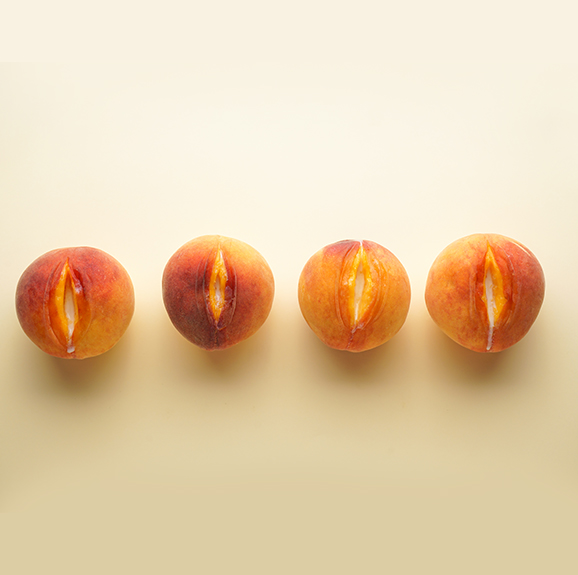
Image source: 123rf.com
At the start of your cycle, on the first day of your period, your cervix doesn't produce any fluid, as the hormone responsible for it (oestrogen) is at a low level. Towards the end of your period, however, you'll probably notice both cervical fluid and traces of blood, which give it a brownish colour. Equally, there may be no discharge at all.
In the days after your period, oestrogen gradually starts to rise so that it can support fluid production in the next phase. For the time being, though, cervical mucus is still absent.
After the dry days, before ovulation, the discharge takes on a thicker, creamier consistency, and during ovulation, when oestrogen peaks, it can become slippery with a consistency rather like egg white. During this time – around ovulation – your vagina feels much wetter than usual. This is the phase in which your cervix produces the greatest amount of mucus.
Next comes the luteal phase, after ovulation. Here things change a little: the discharge has a different consistency and is produced in smaller amounts. It's either slightly sticky or absent altogether. High progesterone levels affect fluid production and reduce it – a sign that your period is approaching once again: a new cycle is beginning.
What is vaginal dryness?
One of the best-known factors affecting how your body produces hormones and how this influences vaginal fluid is pregnancy. Beyond that, cervical mucus can be affected by various infections, the menopause, intimate hygiene, contraceptives (including the morning-after pill), breastfeeding, surgical procedures and a range of conditions or infections.
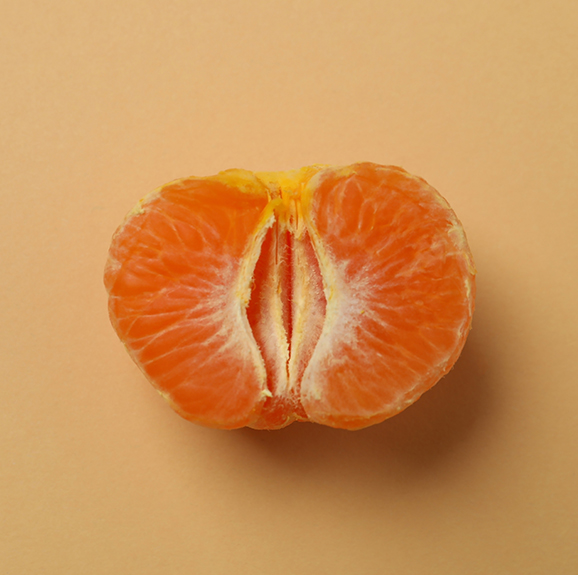
Alongside all these causes, it's important to know that vaginal dryness can have both physical and psychological causes, and that medication can bring about an absence of fluid. Vaginal dryness can occur at any age – but once you know the cause, it can be treated.
How do you recognise the symptoms?
Burning and a stinging sensation
Discomfort or itching
Pain in the vulva and vagina
Pain during sex or masturbation
Possible causes and how to deal with them
The most common causes of vaginal dryness are:
Medication / contraceptives
Low oestrogen levels
Pregnancy
If you suspect that the contraceptive pill or medication for other conditions is causing your vaginal dryness, speak to your doctor about alternative treatment options.
If your oestrogen levels are low, ask about oestrogen therapy; and if the symptoms appear during sexual activity, it's worth allowing more time for foreplay and using a lubricant.
Besides the causes already mentioned – contraceptives, medication, pregnancy or low oestrogen levels – there are of course other factors that can affect cervical mucus.
Smokers have a higher risk of early menopause, which means that a range of menopausal symptoms, including vaginal dryness, appear sooner.
Some women experience more frequent urination or recurrent infections which, together with vaginal dryness, usually occur during the menopause and are known as genitourinary syndrome of menopause. Common treatment options include local oestrogen therapy, systemic oestrogen therapy, lubricants and topical moisturisers.
Another medical issue – Sjögren's syndrome – could also be a cause of vaginal dryness. Sjögren's syndrome is a chronic autoimmune condition in which the fluid-producing glands are attacked and destroyed by the body's own immune system: instead of protecting the body from infection and illness, it reacts abnormally and attacks its own healthy cells and tissues.
Finally, if you've been searching for a reason behind your vaginal dryness and none of the above applies, there's one more, less obvious factor: an allergy or irritation caused by the chemicals in soaps, lubricants or conventional period products.
The chemicals in most period products can cause vaginal dryness and irritation – so the solution is simple: choose only period products made from 100% organic cotton. And don't forget: your vagina cleans itself! It doesn't need douches or deodorants – these can actually harm its microbiome.

Medium, super or extra absorption

Low, medium or super absorption

Low or medium absorption


and happily breaking taboos!


