

Adnexitis / Pelvic Inflammatory Disease (PID) – what is it and how is it treated?
The health of your womb and reproductive organs is crucial to a properly functioning reproductive system. If inflammation of the womb and ovaries goes untreated, it can lead to infertility or other complications. So don't ignore pelvic pain or unusual discharge. These may be signs of an infection, signalling that it's time to see a doctor. Today we're talking about adnexitis, or pelvic inflammatory disease, commonly (and mistakenly) referred to as a "cold in the ovaries".
What is adnexitis (pelvic inflammatory disease)?
Adnexitis, also known as pelvic inflammatory disease (PID), is a gynaecological infection of the internal female reproductive organs. It can affect the womb, the fallopian tubes, the cervix and the ovaries, and occurs mainly in young, sexually active women. Left untreated, it can lead to infertility.
Because it involves inflammation in the pelvic area affecting the female reproductive organs, adnexitis is often colloquially called a "cold in the ovaries". This term is, however, incorrect. PID is not a common cold. It has neither the causes nor the symptoms of a cold, and its consequences for female fertility can be serious.
Adnexitis or cystitis ("cold in the ovaries") – what's the difference?
The symptoms and their location in the pelvis explain why many people confuse cystitis and adnexitis. There are, however, numerous differences between the two – from the causes and treatment through to the long-term consequences.
Cystitis is actually what people mean when they talk about a "cold in the ovaries": a bacterial infection of the urinary tract (bladder, urethra, ureters and kidneys) that causes inflammation of the bladder. Cystitis, which we discussed in more detail HERE, can be caused by bacteria entering the urinary tract, but sometimes also as a side effect of certain medications or as a result of inadequate hygiene.
Adnexitis, on the other hand, develops when bacteria enter the vagina – not the urinary tract – and affect the reproductive organs, so again not the urinary organs. We can't call it a "cold in the ovaries", because the ovaries only become infected if adnexitis goes untreated and reaches an advanced stage. Otherwise the problems occur in the cervix or the womb, and the fallopian tubes become inflamed.
Types of adnexitis
Depending on how far the infection has progressed, pelvic inflammatory disease is divided into two forms: acute and chronic. The symptoms don't differ greatly, but it's chronic adnexitis that can lead to infertility.
Acute adnexitis
Acute adnexitis is the first stage of the infection and can also cause cervicitis and endometritis. Typical symptoms include:
- sudden, severe pelvic pain between the lower abdomen and the lower back;
- a feeling of tension in the abdominal muscles;
- menstrual cycle irregularities.
As it is an inflammatory condition, you may also see enlargement of the fallopian tubes or the lumen filling with purulent secretions, which can allow the infection to spread to the peritoneum and the ovaries.
Chronic adnexitis
If acute adnexitis goes untreated, the condition progresses to the chronic stage. This is characterised by the fallopian tubes swelling or becoming deformed, along with further symptoms:
- vaginal discharge, spotting between periods;
- slightly raised body temperature;
- loss of appetite;
- migraine.
The fact that chronic adnexitis inflames the womb as well as the ovaries and the peritoneum is ultimately why it can cause infertility.
Adnexitis – symptoms:
Unfortunately, it's difficult to tell whether you have adnexitis, because the symptoms are varied, mild and sometimes absent altogether – which makes them easy to miss.
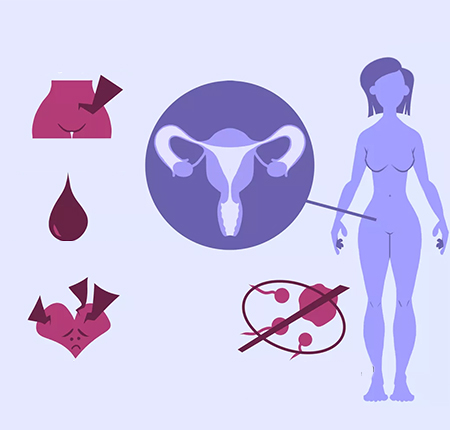
Generally speaking, PID begins with an uncomfortable sensation in the lower abdomen, sometimes more pronounced on one side and radiating down to the inner thigh. That's only the first phase; after that, the most common physical symptoms of adnexitis include:
- foul-smelling vaginal discharge;
- a change in the consistency or a yellow-green colour of the discharge;
- slightly raised temperature or fever of up to 39 °C;
- abdominal cramps and acute pain;
- frequent need to urinate;
- pain or burning when passing urine;
- discomfort or pain during intercourse;
- bleeding or pain after intercourse;
- heavy bleeding and intense pain during menstruation;
- bleeding between periods.
In advanced stages, adnexitis may additionally present with:
- vomiting;
- dizziness or fainting;
- chills, shivering or heavy sweating.
To manage all these unpleasant symptoms as effectively as possible, you should see a doctor as soon as you can and begin an appropriate course of treatment.
Just as important, though, is paying close attention to your intimate hygiene. The more natural and healthy your care routine, the better you'll be at preventing inflammation and pain from worsening. We're here to support you with everything you need for your care during your period and on every other day of the month – with organic, natural products that won't cause irritation or allergies.
Bear in mind, too, that pelvic inflammatory disease affects not only the body but also behaviour and mental wellbeing. Other changes you may notice with PID include:
- mood swings;
- persistent and excessive irritability;
- aversion towards your partner;
- reduced sexual desire.
Adnexitis – causes of pelvic inflammatory disease (PID)
As mentioned above, adnexitis develops when bacteria from the vagina or cervix infect the fallopian tubes and the womb. There are many different bacteria that can cause this, but the best known are sexually transmitted infections, which lead to the proliferation of bacteria such as streptococci and staphylococci that travel up through the female reproductive organs to the fallopian tubes.
There are other causes, too. For instance, although rarely, the condition can spread from infected abdominal organs, such as in appendicitis. So let's take a closer look at as many causes of adnexitis as possible:
- gonorrhoea, chlamydia or mycoplasma infections: these are the most common causes of adnexitis and are transmitted through unprotected sexual intercourse;
- infections during menstruation, after childbirth or following an abortion: these are rare and are caused by bacteria entering the reproductive system because the cervix's natural protective barrier is altered;
- bacteria entering the reproductive system during a procedure in which instruments are inserted into the womb – a very rare situation;
- an imbalance in the vaginal flora caused by excessive douching;
- surgical procedures on the reproductive organs;
- a lesion on the cervix;
- bacterial vaginitis;
- appendicitis.
Risk factors for PID
Pelvic inflammatory disease (PID) is a common condition, and early treatment helps protect your fertility. It has been observed that pelvic inflammatory disease occurs most frequently in young, sexually active women and is only very rarely diagnosed during or after the menopause.
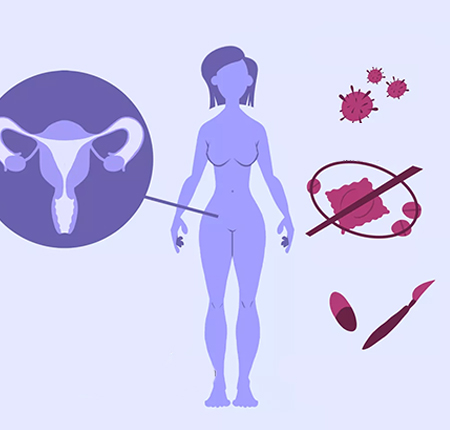
Those most at risk are patients around the age of 25 who have multiple sexual partners and don't use barrier contraception such as condoms. With that in mind, your risk of PID may be higher if:
- you're around 25 years old;
- you're sexually active with multiple partners or a new partner;
- you have intercourse with someone who has multiple partners;
- you have sex without barrier contraception such as a condom;
- you douche without medical advice;
- you've had PID or other sexually transmitted infections in the past;
- you've recently had a coil (intrauterine device) fitted – a very low risk, within the first 3 weeks;
- your immune system is weakened.
When should you see a doctor?
You should see a doctor straight away if you notice symptoms that raise the suspicion of adnexitis – whether that's pelvic pain, unusual discharge or a slightly raised temperature.
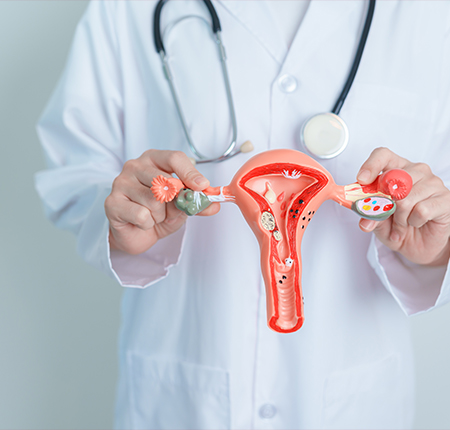
Practically any foul-smelling discharge, pain during intercourse, bleeding between periods or discomfort when passing urine can point to a sexually transmitted infection. Correct, early treatment can prevent pelvic inflammatory disease from developing.
So it's important, firstly, to tell your doctor about any change in your menstrual cycle, your discharge or any other symptom relating to your intimate health; and secondly, that the final diagnosis is made by a gynaecologist.
What's more, if you have severe pain in the lower abdomen, nausea and vomiting, dizziness and faintness, a fever above 38.3 ℃ with chills, shivering, heavy sweating or unusual discharge, adnexitis becomes a medical emergency and you must be examined as quickly as possible.
PID – diagnosis
A diagnosis of pelvic inflammatory disease isn't made on the basis of a single test, but rather on a series of indicators. Here's how a PID diagnosis is correctly established:
- a visit to the gynaecologist: as mentioned, only a gynaecologist can make a correct diagnosis;
- taking a medical history: the doctor may ask you questions about your sex life, the contraceptive methods you use and any previous sexually transmitted infections;
- assessing the symptoms: at this stage you tell the doctor about all the signs and symptoms you've noticed – even the smallest changes;
- clinical examination: first, the doctor palpates the area to detect and locate inflammation;
- examination of vaginal secretions: the doctor may take a sample of the discharge to test for specific bacteria.
After the initial examination, the diagnosis may still be unclear. In that case, the doctor may recommend further tests and analyses:
- blood tests;
- urine tests;
- a pregnancy test;
- a pelvic ultrasound;
- colposcopy;
- laparoscopy;
- endometrial biopsy.
Treatment of adnexitis / pelvic inflammatory disease
Once a diagnosis has been made, there are specific treatments for adnexitis. These depend, however, on your medical history and the severity of the infection. Depending on the stage of the disease and the patient's needs, the doctor will choose the appropriate treatment regimen for pelvic inflammatory disease.
Throughout the course of treatment, you may receive further recommendations designed to prevent reinfection and ensure the therapy works as effectively as possible:
- sexual abstinence until you've fully recovered;
- rest and avoiding physical exertion;
- avoiding low temperatures;
- treatment of your sexual partner, even if they have no symptoms;
- removal of the coil, particularly if it was fitted shortly before the infection;
- regular medical check-ups during treatment to monitor how well it's working.
Once treatment has finished, it's also advisable to repeat all the tests. If adnexitis doesn't clear up completely, further complications can arise. Retesting is therefore necessary so that the doctor can confirm that all the bacteria have been fully eliminated.
Antibiotic therapy for adnexitis
Antibiotic therapy is prescribed to fight the bacterial infection and cure the condition when it's at an early stage or the symptoms are mild. The doctor may recommend a combination of antibiotics if several bacteria are causing the infection. Antibiotics can be given as tablets, injections or vaginal pessaries.
The treatment must be taken for the full prescribed period, even if the symptoms ease sooner. Depending on the situation, intravenous administration may be necessary – in which case the treatment takes place in hospital. For pregnant women with a severe case, for example, antibiotics are given intravenously.
Treatment with vaginal pessaries for pelvic inflammatory disease
We've already noted that for adnexitis the doctor may also recommend vaginal pessaries containing antibiotics. In addition, pessaries containing propolis or other plant-based active ingredients may be recommended to ease the pain through their numbing effect.
Anti-inflammatory treatment for adnexitis
Alongside antibiotics, anti-inflammatory medicines and painkillers may also be recommended to reduce local discomfort – that is, pain in the area of the ovaries (the sensation of an inflamed ovary or inflamed ovaries) and in the lower abdomen.
Surgical treatment for PID
In very rare cases, surgery may also be necessary. Situations in which the doctor would recommend a surgical procedure include:
- when the patient's body doesn't respond to antibiotic therapy: in this case the aim of surgery is to completely remove the infection and the fluid collections on the fallopian tubes or in the lining of the womb;
- when the infection continues to spread: the doctor may remove the fallopian tubes, which means pregnancy is no longer possible;
- when a large abscess forms or there's a risk of rupture: the doctor performs a drainage procedure.
Does naturopathic treatment work for adnexitis?
The immune system plays a very important role in the body's ability to fight bacteria and therefore pelvic inflammatory disease too. With a weakened immune system, further strained by antibiotics, there's a possibility of relapse with symptoms returning. To prevent this, taking natural supplements to strengthen the immune system can be helpful.
So alongside the medication prescribed by your gynaecologist, naturopathic treatment can speed up recovery and prevent relapses. The natural remedies most commonly used for PID include those containing:
- vitamin C;
- zinc;
- probiotics;
- echinacea;
- blackcurrant buds;
- raspberry shoots.
But take care! It's very important to seek a specialist's advice before using natural remedies or herbal teas for pelvic inflammatory disease, to make sure they don't have a negative effect on treatment that's already under way.
Complications of pelvic inflammatory disease
Because it involves inflammation of the female reproductive organs, PID means these organs can no longer properly perform their main function – reproduction. This means the patient can't conceive; the most common complication of adnexitis is therefore infertility.
If the condition is treated early and correctly, the reproductive organs resume their function, the infertility resolves and the patient can conceive again. In rare cases there are exceptions in which infertility may become permanent due to other complications.
Without appropriate treatment, further complications of chronic adnexitis may also arise:
- The pelvic pain can become chronic and persist for months or even years;
- The bacteria can spread to neighbouring organs, even as far as the liver;
- An abscess in the area of the fallopian tubes or ovaries can rupture (peritonitis);
- Adhesions and collections of pus can form, causing permanent damage to the reproductive organs or spreading to other organs in the pelvic area;
- Damage and scarring to the fallopian tubes caused during PID can prevent the fertilised egg from reaching the womb and trap it in the tube – which is why PID is one of the leading causes of ectopic pregnancy;
- PID can recur if the treatment regimen wasn't completed in full. What's more, a body that has already had PID is more susceptible to developing it again;
- Depression can develop as a result of feelings of guilt and unfulfilment – emotions that can accompany the loss of the ability to give life (infertility).
How can you prevent adnexitis?
Preventing adnexitis isn't difficult if you're well informed. The measures for preventing pelvic inflammatory disease are simple and easy to put into practice. The key is to look after the health of your intimate area – in terms of both hygiene and sexual health:
- Use a condom every time you have sex;
- Choose your sexual partners carefully.
- Avoid douching, which increases the risk of infection by upsetting the balance of the vaginal flora;
- Make sure you're properly informed about contraceptive methods: just because they protect against unwanted pregnancy doesn't mean they protect you from sexually transmitted infections or from developing adnexitis. Only barrier methods such as condoms can reduce the risk of infection;
- Get tested as soon as possible if you suspect adnexitis or a sexually transmitted infection (that is, as soon as you notice unusual discharge, pelvic pain or other symptoms);
- Treat any sexually transmitted infection as early as possible to prevent the bacteria from spreading and pelvic inflammatory disease from developing;
- Your partner must also be tested and treated if you've been infected;
- Don't put off your routine gynaecological check-ups, as regular examinations are essential for preventing any health problems;
- Look after your intimate and sexual hygiene.
Frequently asked questions
We want to support you with the clearest possible information from reliable sources. That's why we answer some of the most common questions about PID below – for example, whether adnexitis can be passed on to men, or what risk it poses during pregnancy.
We would, however, strongly encourage you to discuss any concerns about adnexitis or your intimate health with your gynaecologist. As they know your medical history and are a specialist, they can give you the most appropriate answers and recommendations.
Can men get pelvic inflammatory disease?
Adnexitis affects the female reproductive organs. Pelvic inflammatory disease therefore can't develop in men, only in women, because by definition it's an infection that occurs when bacteria from the vagina travel up towards the womb and fallopian tubes during intercourse.
Although men can't develop this condition, they can still be affected by other sexually transmitted infections. They may, for example, contract gonorrhoea or chlamydia and pass these bacteria (Neisseria gonorrhoeae and Chlamydia trachomatis respectively) on to their partner, where they can later trigger PID.
Can adnexitis be passed on to a partner?
Adnexitis develops primarily when a sexually transmitted infection goes untreated – an infection that can be passed on through unprotected sex. So what's transmitted isn't adnexitis itself, but the bacteria that caused it. Although a man can't develop PID, he can pass the infection on to a woman, who may then go on to develop pelvic inflammatory disease.
Is adnexitis dangerous during pregnancy?
If it occurs before pregnancy, adnexitis is one of the main causes of ectopic pregnancy. It can also develop during pregnancy, however, with symptoms often appearing in the second trimester.
Specialist studies (PMID: 35405372) show that adnexitis in pregnancy is rare but can have serious consequences for health. Although it hasn't yet been studied enough to give a clear picture, pelvic inflammatory disease in pregnancy must be diagnosed and treated as quickly as possible to avoid surgical procedures such as a laparotomy or removal of the ovaries and fallopian tubes (salpingo-oophorectomy).

Medium, super or extra absorption

Low, medium or super absorption

Low or medium absorption


and happily breaking taboos!


