

Anaemia – What It Is, Causes, Symptoms & Effective Treatments
Almost one in four people worldwide suffers from anaemia – according to statistics from the IHME (Institute of Health Metrics and Evaluation). That means around 2 billion people are affected by a condition which, in the long term, can increase the risk of heart attack, cardiovascular disease, dementia and other chronic illnesses.
Read on to find out which factors lead to anaemia, which symptoms commonly affect those living with it, and what treatment options are available.
What is anaemia?
Anaemia is a blood disorder characterised by a reduced haemoglobin level – in other words, when there are no longer enough red blood cells, or when those cells no longer function properly.
What is haemoglobin?
Haemoglobin is found in red blood cells and is an iron-rich protein that carries oxygen from the lungs to all other organs and tissues. Without enough haemoglobin, the body no longer receives sufficient oxygen from the blood and can't work as it should. That is precisely what happens with anaemia.
Why it's important to spot the signs of anaemia early
With mild or long-standing anaemia, the symptoms often go unnoticed. Headaches, tiredness or dizziness are quickly put down to stress and too little sleep – and then ignored. Other signs, such as unusual cravings, are hard to place because blood disorders rarely spring to mind.
Because of its symptoms, and because less oxygen reaches the organs, anaemia can have a considerable impact on everyday life. Severe anaemia, for instance, can cause lifelong health problems and may even prove fatal.
That's why it's so important not to ignore the signs, so that anaemia can be detected and treated at an early stage.
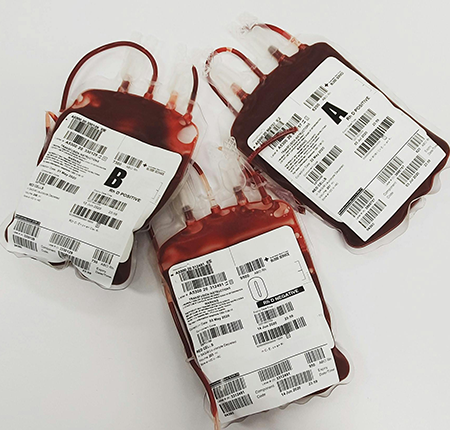
Types of anaemia and their causes
Although in everyday conversation we simply say "anaemia", there are in fact over 400 forms of this condition, grouped into several categories. The cause and the appropriate treatment differ in each case. These are the main categories:
Iron deficiency anaemia
Iron deficiency anaemia results from a lack of iron. It occurs when iron levels in the body are not sufficient to produce haemoglobin. The causes are varied, ranging from diet and lifestyle through to menstrual disorders and other health problems.
Specific causes:
- An unbalanced diet with too little iron
- Frequent blood donation
- Heavy or prolonged menstrual bleeding
- Bleeding between periods
- Chronic, slow bleeding, particularly in the digestive tract (e.g. a stomach ulcer)
- Excessively intense endurance training
- Certain medications as well as caffeinated foods and drinks
- Crohn's disease and other digestive disorders or autoimmune conditions affecting the stomach lining
- Helicobacter pylori infection
- Pregnancy and breastfeeding
- Various forms of cancer
Megaloblastic anaemia
Vitamin deficiency anaemia, or megaloblastic anaemia, is characterised by a lack of vitamin B12 and B9 (folate), both of which are needed to produce red blood cells. It mainly affects people who take in too little vitamin B12 through their diet (not enough meat, eggs or dairy products) or who have certain underlying conditions.
Specific causes:
- Nutrient deficiencies (particularly vitamin B12)
- Certain medications
- Excessive alcohol consumption
- Intestinal disorders
- Haematological conditions
Haemolytic anaemia
Specific causes:
- Autoimmune conditions such as lupus, which trigger an attack by the immune system
- Inherited conditions such as thalassaemia
- Splenomegaly (an enlarged spleen), which in rare cases can cause the destruction of red blood cells
- Infections in the body
- Certain medications
- Inflammation caused by snake or spider venom, or by certain foods
- Toxins resulting from advanced kidney or liver disease
- High blood pressure
- Clotting disorders
- Severe burns
- Tumours
- Haematological conditions or cancers that can lead to haemolysis
Aplastic anaemia
Specific causes:
- Damage to the stem cells in the bone marrow, often as a result of an immune system attack
- Exposure to certain toxic substances
- Certain medications
- Chemotherapy or radiotherapy
Chronic anaemia
Chronic anaemia occurs when the condition has not been diagnosed and treated, or does not respond to therapy, and persists over a long period. At this stage it can cause serious health problems, including heart attack, heart failure and organ dysfunction.
There is also a form of anaemia associated with other chronic conditions. It develops when there is long-standing inflammation in the body, as pro-inflammatory proteins interfere with the production of red blood cells in the bone marrow.
Thalassaemia is a form of haemolytic anaemia caused by an inherited genetic defect. Mild forms require no treatment, but severe cases call for regular blood transfusions.
Thalassaemia cannot be prevented, as it is passed on genetically. Genetic counselling is therefore important for those affected who are planning to have a child.

Anaemia – symptoms
Symptoms vary depending on the type, cause and severity of the anaemia, as well as on any accompanying conditions.
Some forms of anaemia cause no symptoms at all; others are caused by chronic illnesses, so the complaints remain masked by the underlying condition. In such cases, anaemia is often discovered by chance during tests carried out for another reason.
In the early stages, those affected may have no complaints whatsoever. The longer the condition persists and the more it worsens, the more pronounced the symptoms become.
The most common signs of anaemia include:
- Tiredness and weakness
- Lack of energy
- Pale or yellowish skin
- Palpitations (irregular heartbeat), especially during physical exertion
- Shortness of breath, particularly during physical activity
- Dizziness or confusion
- Chest pain
- Cold hands and feet
- Tingling in the limbs
- Calf cramps
- Headaches
- Difficulty concentrating
- Insomnia
- Cravings for non-food substances such as ice, chalk, soil or paper
Risk factors for anaemia
There are numerous factors that can increase the risk of anaemia. Some of these can be influenced, such as diet and lifestyle; others cannot – they depend not on a person's behaviour but on age or family history.
The key factors affecting red blood cell production and increasing the risk of anaemia include:
- A diet low in vitamins and minerals
- Intestinal disorders
- Menstruation
- Pregnancy
- Chronic conditions
- Family history
- Age
Anaemia in pregnancy
Pregnant women are particularly prone to anaemia, especially iron deficiency anaemia. An expectant mother's body has to produce around 20–30% more blood to support the baby's development – and the need for iron and vitamins rises accordingly. The risk is higher still for pregnant women who don't take multivitamin supplements containing folic acid.
While mild anaemia is quite normal during pregnancy, severe anaemia can affect the health of both mother and baby.
In the mother, anaemia can lead to extreme exhaustion, pre-eclampsia, premature birth or bleeding after delivery.
In the baby, it can cause low birth weight, inadequate development or death within the first month of life. If the mother is anaemic during pregnancy, the baby is also at greater risk of developing anaemia in infancy.
Anaemia in children
The most common cause of anaemia in children and babies is iron deficiency. Babies are born with a store of iron built up during the final trimester of pregnancy, and large amounts are used up each day to support rapid growth. This store is therefore quickly depleted, and from the age of 4 to 6 months children need to get iron directly from their food.
In breastfed babies, iron from breast milk is absorbed more effectively, which reduces the risk of deficiency. The same applies to babies given infant formula. The risk is greatest in children under 12 months who are fed cow's milk.
In rarer cases, anaemia in children can also be triggered by certain infections or illnesses.
Depending on severity, symptoms may include tiredness, pale skin, a swollen or sore tongue, restlessness and irritability, or a rapid heartbeat.
The link between menstruation and anaemia
Any condition involving significant blood loss increases the risk of anaemia. That includes menstruation – or, more precisely, menstrual disorders, which can contribute to a shortage of red blood cells.
Menstrual bleeding is a risk factor for iron deficiency anaemia when periods occur frequently, last longer than 7 days, or are very heavy (menorrhagia) and require changing period products hourly or even more often.
Anaemia – how is it diagnosed?
The first step in diagnosing anaemia is a medical consultation and examination to identify and assess the symptoms.
To confirm the shortage of red blood cells typical of anaemia, various blood tests are carried out – starting with a full blood count, which also checks levels of vitamin B9 and B12. After reviewing the blood count, your doctor may recommend further tests:
- Haemoglobin level, to measure the haemoglobin in the red blood cells
- Haematocrit level, to determine the proportion of red blood cells in the blood
- Peripheral blood smear, in which red blood cells are examined under a microscope to assess the shape and size of the blood cells
- Reticulocyte count, to check whether the bone marrow is producing enough healthy red blood cells
- Iron status, measured via ferritin (which indicates the body's iron stores), serum iron (the amount of iron in the blood) as well as total iron-binding capacity and transferrin saturation (which reflect the body's iron requirements)
- Vitamin B12 and folate measurement
- ESR (erythrocyte sedimentation rate), to detect inflammation or other conditions
- Bone marrow biopsy, to establish the cause of the anaemia where there is no deficiency of iron, folate or vitamin B12.
Treatment of anaemia
Once a diagnosis has been made, treatment is tailored to the individual – depending on the type and severity of the anaemia as well as on symptoms, age and general health.
Recommended vitamins and supplements: iron, B12, folate
If the anaemia is caused by iron deficiency, treatment consists of taking iron supplements in tablet or capsule form along with a diet richer in iron.
Similarly, for anaemia caused by vitamin and mineral deficiencies such as folate or vitamin B12, the relevant supplements and a diet rich in vitamins and nutrients are recommended. The aim is to support the body in producing healthy red blood cells.

A diet rich in essential nutrients
Switching to a nutrient-rich diet is one of the first pieces of medical advice given for anaemia. That includes eating plenty of iron sources as well as foods containing vitamin C, folate, copper, vitamin A and B vitamins.
Further medical treatments (transfusions, hormone therapies)
Depending on the cause and severity, drug therapy and – in rare cases – a more involved procedure may be recommended:
- Erythropoietin: a medication that stimulates the production of stem cells in the bone marrow.
- Immunosuppressants: for anaemia caused by autoimmune conditions, there are medications that prevent the immune system from attacking red blood cells.
- Hormone therapy: for anaemia caused by excessive menstrual bleeding resulting from hormone-related menstrual disorders.
- Blood transfusions: to replace red blood cells.
- Stem cell (bone marrow) transplant: to replace diseased red blood cells with healthy ones.
- Surgical procedures: to treat internal bleeding where this is the cause of the anaemia.
Diet and anaemia
A diet aimed at treating and preventing anaemia should provide all the macronutrients as well as a wide range of vitamins and minerals. Foods high in iron, folate, vitamin C and vitamin B12 are especially recommended.
Iron-rich foods
Large amounts of iron are found above all in dark green leafy vegetables such as spinach, kale, chard, broccoli leaves, cauliflower, Brussels sprouts and kohlrabi. Beans, soya beans, chickpeas and peas also provide considerable amounts.
Other important sources of iron include red meat, poultry, fish, nuts, seeds, dried fruit and fortified cereal products.
How to improve iron absorption
It's important to combine iron-rich foods with foods containing vitamin C, as vitamin C helps the body absorb iron. Oranges, peppers, tomatoes and strawberries are excellent sources of vitamin C.
Avoid consuming calcium-rich foods, coffee or tea at the same time as iron sources, as these can slow absorption.
Foods to avoid with anaemia
If you have anaemia, eggs, tofu, edamame, soya milk and tempeh, as well as sources of calcium, should only be eaten in moderation. They can inhibit iron absorption, particularly when consumed alongside an iron-rich meal.
Above all, avoid excessive alcohol consumption, as this can impair vitamin absorption.
Anaemia – possible complications
Mild anaemia generally causes no serious symptoms or complications. Without diagnosis and treatment, however, it persists, symptoms worsen and chronic anaemia can develop.
Chronic anaemia can lead to serious problems such as heart attack and heart failure. Other possible complications include:
- Chronic exhaustion
- Cardiovascular complications
- A weakened immune system
- Pregnancy complications (pre-eclampsia, premature birth)
- Impaired cognitive function
- Kidney damage and kidney failure
How can anaemia be prevented?
The most common form, iron deficiency anaemia, can be prevented by eating iron-rich foods every day – as well as through:
- A diet rich in vitamins and minerals, which supports optimal bodily function and the production of healthy red blood cells.
- Regular medical check-ups, to detect anaemia or conditions that increase the risk at an early stage.
- Preventive supplementation, though only on medical advice and based on the relevant test results.
Unfortunately, there is no way to prevent hereditary forms of anaemia.
Frequently asked questions about anaemia
Anaemia is a widespread condition affecting almost a quarter of the world's population, and without appropriate treatment it can significantly reduce quality of life. Even so, the signs are easily missed in the early stages.
In this section we answer the most common questions about the causes, course and consequences of the condition, so you can better understand how anaemia develops – and recognise it at the first symptoms.
What does a low haemoglobin level mean?
Haemoglobin is a protein in red blood cells that transports oxygen around the body. A low haemoglobin level is known as anaemia and often indicates too few red blood cells, which can cause tiredness, weakness or difficulty concentrating.
Can anaemia return after treatment?
Yes, anaemia can come back if the underlying cause isn't addressed (such as chronic bleeding, a nutrient-poor diet or certain medical conditions). Regular check-ups, a mindful lifestyle and avoiding risk factors are crucial in preventing a relapse.
How does anaemia affect physical performance?
Anaemia reduces the blood's ability to carry oxygen. The result is lower physical stamina, rapid exhaustion, shortness of breath and a racing heart during strenuous activity.
Is anaemia dangerous during pregnancy?
Mild anaemia is normal during pregnancy, as iron requirements rise and more blood is produced to support the baby's development.
Without careful monitoring and without multivitamin supplements containing folic acid, however, anaemia can worsen. This increases the risk of complications for both mother and baby, including premature birth and low birth weight.
Can I give blood if I have or have had anaemia?
Anyone currently living with anaemia cannot donate blood. If you've had anaemia in the past, you can only donate if your current haemoglobin levels are within the normal range and you feel well.
How long does treatment for anaemia take?
The duration of treatment depends on the type and severity of the anaemia. As a rule, it takes anywhere from a few weeks to several months for haemoglobin and iron levels in the body to return to normal.
Image sources: Pexels.com, Unsplash.com, Pixabay.com

Medium, super or extra absorption

Low, medium or super absorption

Low or medium absorption


and happily breaking taboos!


