

Anxiety explained clearly
Everyone experiences feelings of anxiety at some point in their life. Perhaps you're worried about an exam or an upcoming medical test, perhaps you're giving a presentation in front of several people or facing a job interview. In moments like these, feeling anxious is entirely normal.
How does it present itself and how is it treated?
Anxiety becomes a problem when you find it difficult to control your worries and the feeling of anxiety becomes a constant companion that disrupts your daily life. For people with an anxiety disorder, anxiety isn't a passing feeling – it doesn't simply go away and may even worsen over time.
What is anxiety?
Feelings of worry, fear and stress with cognitive, emotional and physical effects – that's what we call anxiety. It can be responsible for negative thoughts, and you'll often feel as though you've lost control of your life or of yourself. Anxiety can also bring on physical sensations such as sweating, trembling or breathlessness.
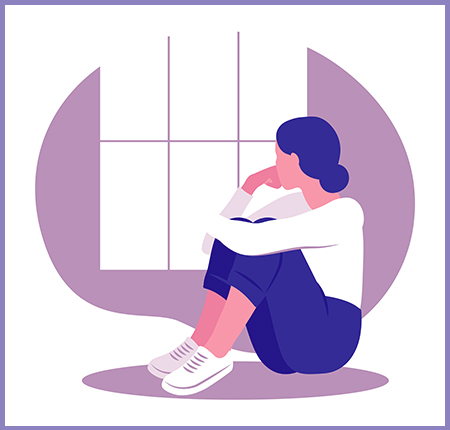
Anxiety is a basic emotion that is essential for survival. It is linked to the automatic fight-or-flight response, which triggers in the body all the changes needed to confront an attack or an immediate danger. However, when this emotion intensifies and arises in situations or towards people that pose no real threat (at times it can even become all-pervasive), it can take a toll on concentration, appetite, sleep, social relationships and overall quality of life.
How anxiety presents itself – symptoms & signs
People with anxiety may experience both psychological (mental) and physical symptoms. The most common include: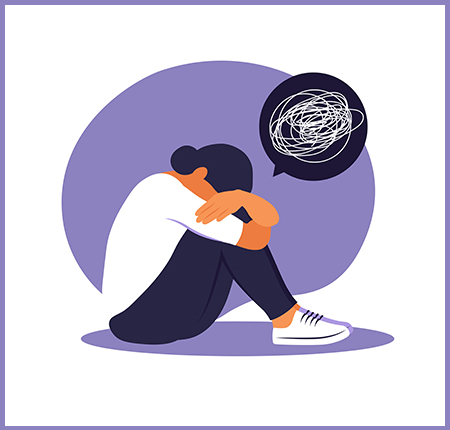
- Inner restlessness
- Agitation and nervousness, coupled with general tension
- The appearance of nervous tics
- Sweating
- Palpitations
- Hyperventilation
- Malaise and trembling
- A sense of impending death (occurs during panic attacks)
- Feeling faint
- Sleep disturbances, nightmares
- Digestive complaints, nausea, vomiting
- Difficulties with attention and concentration, disorientation
- Lack of energy, fatigue, migraines
Symptoms may begin as early as childhood or adolescence and persist into adulthood. It's also possible for anxiety to enter your life following a traumatic experience.
The panic attack
People with panic disorder experience frequent and unexpected panic attacks. Panic attacks are sudden moments or episodes of intense fear, profound discomfort or a sense of losing control – even when there is no identifiable danger or specific trigger. Not everyone who has a panic attack goes on to develop panic disorder.
During a panic attack, a person may experience the following:
- Increased heart rate
- Laboured breathing or shortness of breath
- Sweating
- Trembling or tingling
- Chest pain
- A sense of impending death
- The feeling of having lost control of everything
- Dizziness, light-headedness, a tendency to faint
- A choking sensation
- Nausea or abdominal discomfort
Symptoms usually peak within 10 minutes and subside a few minutes later. Although they are unpleasant and at times extremely distressing, panic attacks pose no medical danger.
Types of anxiety
There are various forms of anxiety, distinguished by their causes and symptoms. A person may suffer from several anxiety disorders at once – in which case the risk of depression or other personality disorders also increases.
Since everyone is different, anxiety manifests differently in each person. Let's now look at the most common forms of anxiety disorder.
Generalised anxiety disorder
In generalised anxiety disorder, anxious behaviour persists for more than six months and relates to everyday activities – such as meeting friends, going to school/university/work or talking to strangers. It is characterised by constant restlessness, difficulty concentrating, negative thought patterns, frequent fatigue, nervousness and an all-encompassing sense of weakness.
This form of anxiety can affect anyone and often occurs alongside other anxiety disorders or depression.
Social anxiety
Also known as social phobia, this form of anxiety can be described as an intense fear of social situations in which the person might be evaluated or judged and consequently rejected or criticised.
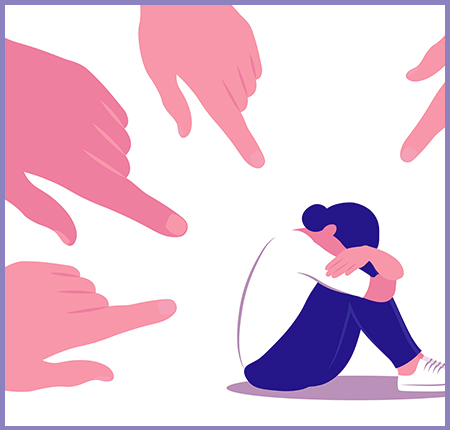
People with social anxiety fear being viewed negatively by those around them and therefore avoid any situation requiring social interaction. If they are unable to avoid such situations, pronounced physical symptoms arise, such as excessive sweating, nausea and palpitations.
Separation anxiety
Separation anxiety is a childhood disorder characterised by fear that is excessive for the child's developmental stage and is linked to being separated from parents or other primary caregivers. This form of anxiety can also occur in babies, in couple relationships and even in pets.
Performance anxiety
People with performance anxiety often worry, even before starting a task, that they might fail, and frequently associate failure with intense feelings of humiliation and rejection. Performance anxiety can arise in connection with any kind of task and is particularly common in the workplace.
Phobia
A phobia is an intense fear of, or aversion to, particular objects or situations. While fear can be considered natural in certain circumstances, the fear felt by people with phobias is out of all proportion to the actual danger posed by the situation or object.
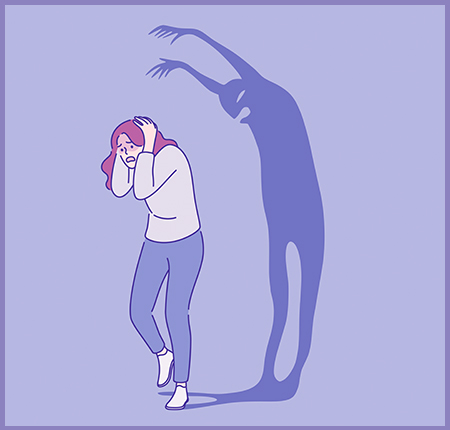
People with a phobia:
- may worry irrationally or excessively about encountering the feared object or situation;
- actively avoid the object or situation that triggers fear;
- experience intense agitation and fear when they encounter the feared object or situation;
- feel enormous fear when they have to endure unavoidable objects and situations.
Phobias present in a variety of ways and are triggered by different factors. The most common forms include:
- Agoraphobia (also known as a fear of open spaces): the affected person fears and often avoids places or situations (large shops, lifts, a room full of people) that can trigger panic and create a sense of being trapped, helpless or exposed.
- Glossophobia, or the fear of public speaking: sufferers experience anxiety when they have to speak in front of an audience, or even just think about it.
More than 12% of the population will develop a phobia at some point in their lives – making it one of the most common mental health disorders.
Panic disorder / anxiety disorder
Panic disorder is a diagnosis given to people who have frequent panic attacks (intense, overwhelming episodes of fear accompanied by chest pain, a choking sensation and difficulty calming down again) or who feel an intense fear that further panic attacks may occur in future.
Obsessive-compulsive disorder (OCD)
This disorder is considered a chronic condition that develops over time and is characterised by various obsessive thoughts along with behavioural rituals that the affected person repeats in order to reduce anxiety. Obsessions are unwanted thoughts or worries that cause marked inner turmoil; through compulsions (compulsive counting or hand-washing, repeating certain gestures or words) the person believes they can control the obsessive thoughts.
Post-traumatic stress disorder (PTSD)
This arises as a result of traumatic events, accidents, the loss of a loved one or a severe shock. It persists over a prolonged period and involves reliving the event through flashbacks and dreams. Sufferers also avoid stimuli that triggered the trauma, withdraw socially and may experience gaps in memory alongside excessive irritability, anger or outbursts of rage.
Hypochondria
Hypochondria refers to the fear of having a serious illness – a fear based on misinterpreting bodily symptoms or normal bodily functions. Sufferers are constantly afraid that something will happen to them, that they have serious illnesses, that doctors aren't paying them enough attention, that they haven't been examined thoroughly enough and that information about their state of health is being withheld from them.
Fear, anxiety & depression – what's the difference and the connection?
Faced with a real and immediate threat, fear is the normal cognitive and emotional response of any human being. When we hear a sudden, loud noise or walk past an unfamiliar house with a dog barking aggressively at us from the yard, the brain receives the signal "careful, danger!" and, within a fraction of a second, sends various messages to the body designed to ensure our survival. Fear is short-lived, focused on the present moment and directed at a specific threat.
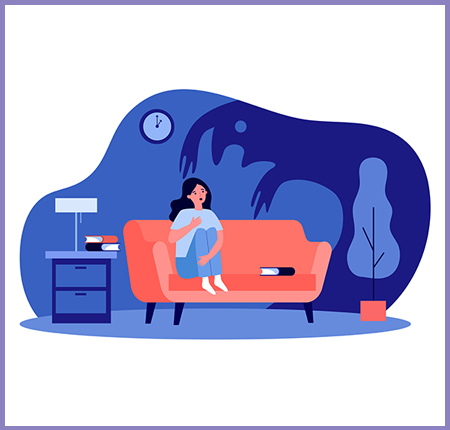
Anxiety, by contrast, is the body's natural response to stress and describes a feeling of fear or apprehension about future events that might occur in life. Anxiety is also felt over a longer period, experienced diffusely, and causes us to be excessively cautious. The body is thus kept in a sustained and exhausting state of alert.
Depression, meanwhile, is a mood disorder that causes a persistent feeling of sadness and a loss of interest in activities that once brought pleasure. Also known as major depression, it affects how we feel, think and act, and can lead to a wide range of emotional and physical problems.
People who experience anxiety over a long period often also suffer from some form of depression – though this isn't always the case.
Causes – anxiety
The causes of anxiety disorders are not fully understood. Anxiety can occur at any age and is usually triggered by a combination of several factors. The most common causes include:
- Genetic predisposition
- Imbalances in brain chemistry
- Family history
- Social influence
- Life experiences (major changes, trauma)
- Depression (including postnatal depression)
- Serious illnesses
A stressful work environment, a traumatic event, loneliness, possible mistreatment in childhood, parents' divorce, living with a parent who has an alcohol dependency – all of these can contribute to the development of an anxiety disorder.
Even an extremely caring family in which anxious behaviour predominates can teach a child to see the world as a dangerous, threatening place. A link has also been identified between alcohol dependency, psychotropic substances (medicines or drugs) and anxiety disorders.
Anxiety in pregnancy
Feelings of anxiety during pregnancy are by no means unusual or pathological. Several risk factors make them more likely, such as: hormonal and physical changes in the mother's body, an anxiety-depression syndrome that existed before pregnancy or other pre-existing psychiatric conditions, stress, and alcohol or drug use. On top of this come the worries that an expectant mother has about the pregnancy itself. All the more reason, then, to take good care of your mind, body and spirit during pregnancy.
Premenstrual & postmenstrual syndrome and anxiety
The pre- and postmenstrual phase is particularly susceptible to significant hormonal fluctuations and can lead to a pronounced feeling of anxiety during menstruation. This form of anxiety is one of the recognised symptoms of premenstrual syndrome (PMS), which we've already told you all about in one of our blog articles.
Anxiety in children & adolescents
The most common anxiety disorders in children and adolescents are separation anxiety, specific phobias, panic disorders, generalised anxiety disorder and post-traumatic stress disorder. Anxiety can appear just a few months after birth and shows itself in a child in a variety of ways. For instance, a baby may start crying when picked up by an unfamiliar person, a child may be frightened of clowns, or may complain of a tummy ache on the first day of school (thereby expressing their anxiety physically) – and the causes are just as varied.
To help prevent such disorders, parents should pay close attention to how their child is feeling, what events are taking place in their life and whether any physical complaints or imbalances arise. If noticeable changes are observed, it's always a good idea as a parent to seek medical advice to find out how best to help the child.
Anxiety test – how is a diagnosis made?
There are numerous anxiety tests online, consisting of a series of questions about feelings, behaviour and the extent of anxiety in particular situations. It's worth bearing in mind, however, that such tests do not constitute a reliable diagnosis.
There is no actual test that can determine whether or not someone has this disorder. So if the symptoms make it impossible to find calm, or if they interfere with daily life, you should seek medical advice to rule out any underlying physical conditions (asthma, for example, causes breathing difficulties). If no specific cause is found, the doctor will make a diagnosis of anxiety disorder.
Treating anxiety
An anxiety disorder can only be diagnosed by a consultant psychiatrist or a psychotherapist. Assessing the severity of the anxiety is also crucial in order to draw up an effective treatment plan.
Depending on the needs of the person affected, treatment may involve psychotherapy, medication or both.
Psychotherapy for anxiety
The most effective form of psychotherapy is cognitive behavioural therapy. Over a relatively small number of sessions with a psychotherapist, the person's fears are identified and methods for easing the symptoms are developed – along with strategies for avoiding anxiety in future.
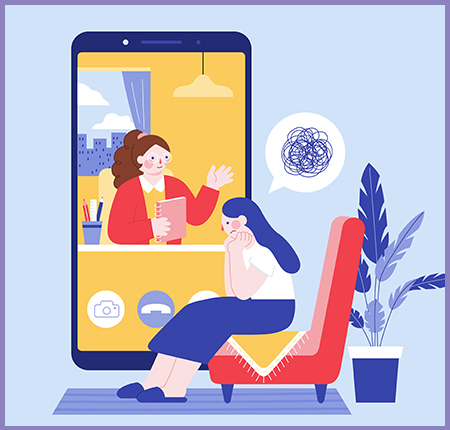
This form of therapy also includes exposure therapy, in which the person is gradually confronted with the object or situation that triggers their anxiety, so that they gain confidence in their ability to cope with the situation and the symptoms of anxiety.
Relaxation techniques for anxiety
While there's no definitive way to rid yourself of this emotional disorder, anxiety can be managed and eased with a few practical, straightforward approaches. So remember that it helps if you:
- trick your mind into thinking about something else.
- work out what's weighing on you.
- focus on what you can change.
- eat a balanced diet.
- get enough sleep.
Healthy & relaxing habits
For many people, anxiety can become all-pervasive – and that forces us to learn to live with it. So you can create a routine that gives you the calm you need, or that simply helps you relax. Here are a few ideas from us:
- Immerse yourself in a creative activity at least once a day (drawing, painting or writing, for example).
- Find a hobby you can devote yourself to.
- Go for a walk or a run to release the tension built up in your body.
- Listen to music.
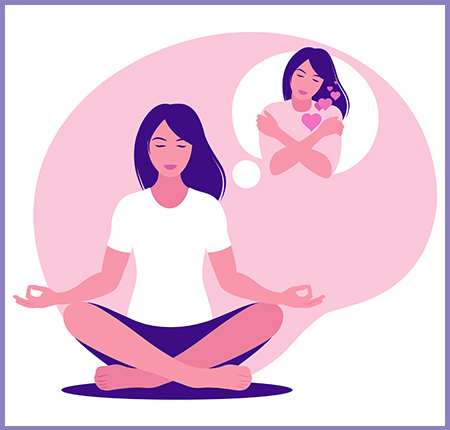
- Meditate or try some simple yoga poses.
- Read a book or watch a good film.
Whatever you do, pay attention to how an activity makes you feel, listen to your emotions and accept them so that you can live in harmony with them.
Natural treatment for anxiety
Aromatherapy is among the most effective treatments for anxiety and can be used easily at home. Lavender, jasmine or sandalwood oil are particularly well suited to aromatherapy.
If you feel that stress is overwhelming you and taking over your body, it's a good idea to make yourself a cup of herbal tea and give yourself a break to enjoy it. Among the best plants for anxiety are: chamomile, ginkgo biloba, valerian root, lavender, St John's wort, green tea and hawthorn. They calm the nervous system and promote far more restful sleep.
Medical treatment
If the anxiety is severe and psychotherapy alone isn't enough to ease the symptoms, your doctor may recommend treatment with medication. Depending on the type of anxiety disorder present and whether there are other mental or physical health problems, various groups of medicines are used to relieve symptoms. Drug treatment may include antidepressants, anxiolytics, sedatives or beta blockers.
Complications of anxiety
If an anxiety disorder is left untreated, it can worsen and lead to psychological as well as physical problems, such as:
- Depression or other mental health disorders
- Substance misuse
- Sleep problems (insomnia, nightmares)
- Digestive or bowel complaints
- Headaches and chronic pain
- Social isolation
- Difficulties at school or work
- Reduced quality of life
Preventing anxiety – tips & recommendations
Although it's impossible to predict with certainty what will trigger an anxiety disorder, we can take steps to reduce the impact of the symptoms and to find our balance again during or after a period of anxiety. Most importantly, it's worth understanding that changes to our lifestyle can make a real difference.
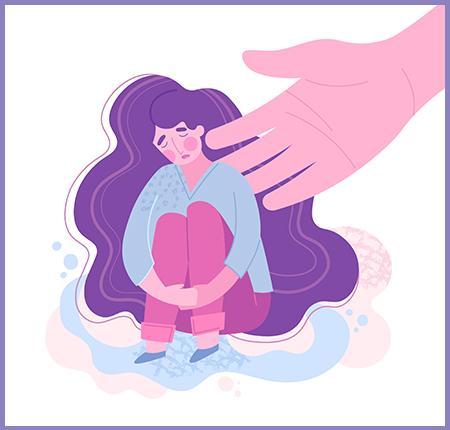
So what can you do to take better care of yourself and your body?
- Get help early if you're suffering from anxiety – the later the intervention, the more difficult treatment can be.
- Find hobbies and pursue activities that bring you joy.
- Invest time in social contact – relationships with others can help reduce fears and worries.
- Avoid alcohol and drugs, as they can make your anxiety worse.
- Steer clear of smoking and caffeinated drinks – both heighten inner restlessness.
- Use stress-management and relaxation techniques such as breathing exercises, muscle relaxation or visualisation techniques.
- Make sure you get enough rest every night.
- Eat a balanced diet and pay attention to your nutrition, as it safeguards your health in the long term.
Frequently asked questions
If the article hasn't answered all your questions, here are a few of the most common ones.
How does alcohol affect anxiety?
Alcohol significantly affects the chemistry of the human brain and alters what we call balance. Drinking alcohol can also intensify anxiety and depression, trigger panic and agitation, and change mood and behaviour. Alcohol should be avoided in particular while undergoing treatment with medication.
Can anxiety symptoms worsen during menstruation?
The pre- and postmenstrual phase is susceptible to significant hormonal fluctuations and can lead to a pronounced feeling of anxiety during menstruation. While this isn't a rule, it's entirely possible that we experience anxiety more intensely during our period.
Can anxiety be controlled?
There's no evidence so far that anxiety can be cured, but we know for certain that it can be managed and controlled through every decision we make. As mentioned above, for some people treatment may simply mean a healthier and more relaxed lifestyle – in other cases, treatment with medication may be necessary.

Medium, super or extra absorption

Low, medium or super absorption

Low or medium absorption


and happily breaking taboos!


