

Bladder Infection (Cystitis) – Causes, Symptoms and Treatment
Cystitis (urinary tract infection / bladder infection): causes and treatment
Cystitis, an inflammation of the bladder resulting from a urinary tract infection, mainly affects women.
What is cystitis?
Cystitis causes pain and, if left untreated, can affect the kidneys and become a serious problem. It's important to know that in most cases this inflammation is triggered by bacteria found on the skin, in the vagina or in the bowel – which then multiply in the bladder. This is how the condition develops, along with its unpleasant symptoms.
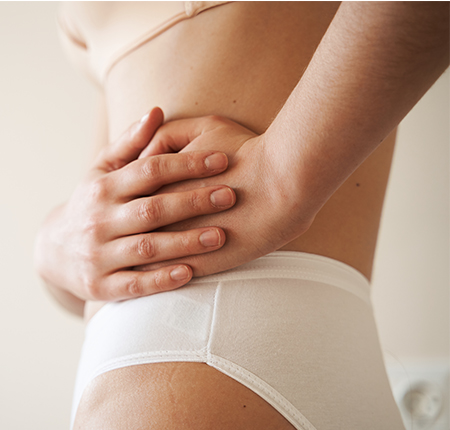
Cystitis (bladder infection) – symptoms
The symptoms of cystitis vary from person to person. The most common complaints include:
- pain when passing urine or difficulty passing urine
- a frequent urge to urinate
- pus or blood in the urine, dark-coloured urine
- pain in the lower back
- passing only small amounts of urine at a time
- pain during sexual intercourse
- fatigue
Causes of cystitis
Cystitis develops when bacteria from outside the urinary tract enter the urethra and multiply there. Bacterial cystitis is usually caused by Escherichia coli – but that isn't the only cause: salmonella, chlamydia and other germs can also be responsible. Most often these bacteria multiply after sexual intercourse, but this isn't a rule, as bacterial cystitis can also occur in people who aren't sexually active.
On the other hand, other factors can trigger the inflammation too: kidney conditions such as kidney stones, disorders of the reproductive organs such as an enlarged prostate, or diabetes.
Cystitis in pregnancy
A frequent urge to urinate can be a symptom of pregnancy – which is why diagnosing cystitis (especially in its mild or moderate form) is sometimes difficult, though not impossible. If you notice signs of cystitis, it's best to see a doctor: a urine test will quickly provide clarity.
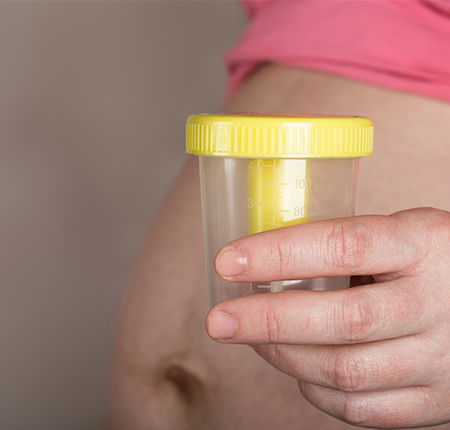
Also during pregnancy, some women notice no symptoms of cystitis even though a urinary tract infection is present. Cystitis can therefore be asymptomatic – but during pregnancy it absolutely must be treated. This is known as "asymptomatic bacteriuria", which is often linked with premature birth.
Cystitis in children & babies
It isn't only women who can suffer from urinary tract infections (UTIs). Cystitis also occurs frequently in children or babies when bacteria enter the bladder. The trigger is usually the E. coli bacterium. The infection won't clear up on its own, but it is easily treatable and curable.
In small children, however, cystitis is hard to spot, as the symptoms are less specific. Usually a temperature is the only sign; others may include:
- vomiting
- pain when passing urine
- irritability
- an increased urge to urinate
- bedwetting
- pain in the lower back
- cloudy, strong-smelling urine
If your child has these symptoms and an unexplained temperature, take them to the nearest hospital.
Cystitis in men
Men can get urinary tract infections too; these are generally classed as complicated infections. Symptoms include an urgent need to urinate, frequent urination and a burning sensation when passing urine.

According to studies, women are 30 times more susceptible to urinary tract infections than men – but that doesn't mean men never get cystitis. UTIs become more common in men as they get older. One reason for this is that older men are more likely to develop a benign enlargement of the prostate, known as benign prostatic hyperplasia. The prostate surrounds the bladder neck, where the urethra meets the bladder. An enlarged prostate can narrow the bladder neck and obstruct the free flow of urine. If the bladder doesn't empty completely, bacteria that would normally be flushed out with the urine can remain there and multiply – causing cystitis.
Risk factors for cystitis (bladder infection)
Why cystitis is so common in women isn't yet fully understood. It's thought to be due to the woman's short urethra, whose opening lies close to the anus – allowing bacteria to travel easily from the bowel to the bladder. Certain risk factors further increase the likelihood of a urinary tract infection. These include:
- certain medicines or treatments
- intimate care products containing questionable ingredients
- sexual intercourse
- obstructions in the urinary tract (kidney stones, an enlarged prostate)
- a weakened immune system
- the menopause
Types of cystitis
There are two types of cystitis:
- bacterial cystitis
- non-infectious cystitis
Depending on how long the condition lasts, cystitis can also be:
- acute (short-lived)
- chronic (lasting longer than three months)
Bacterial cystitis
Bacterial cystitis occurs when bacteria enter the urethra or bladder and cause an infection there. It can also occur when your body's natural bacterial flora becomes unbalanced – for example through the use of gels or menstrual products containing chemicals.
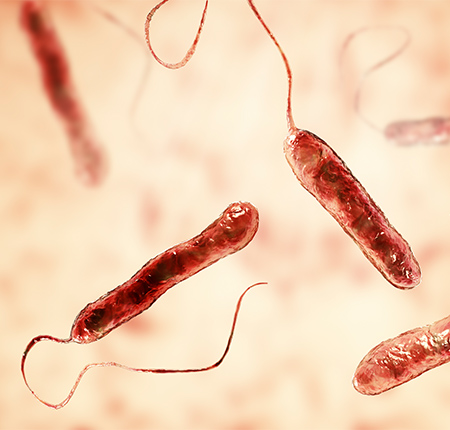
It's extremely important to treat a bladder infection! If the infection spreads to the kidneys, it can become a serious health problem.
Drug-induced cystitis
Certain medicines can trigger inflammation of the bladder. Why? Medicines pass through the body and are ultimately excreted via the urinary system – and some can irritate the bladder along the way! The chemotherapy drugs cyclophosphamide and ifosfamide, for instance, can cause cystitis.
Radiation cystitis
Also linked to medical treatment is radiotherapy, another risk factor for cystitis. Radiotherapy is used to destroy cancer cells and shrink tumours, but it can also damage healthy cells and tissue. Radiotherapy to the pelvic area can lead to inflammation of the bladder.
Cystitis caused by a foreign body
Prolonged use of a catheter (a tube that helps urine drain) can increase the risk of bacterial infection and damage the tissue of the urinary tract. Both the bacteria and the damaged tissue can trigger inflammation.
Chemical cystitis
Alongside menstrual products containing questionable ingredients, which we've already mentioned, certain intimate care products can also irritate the bladder and encourage cystitis:
- spermicides
- using a diaphragm with spermicide
- intimate sprays
- chemicals in bath products (such as those that produce lots of foam)
Cystitis associated with other conditions
Regardless of risk factors or external triggers, cystitis can also occur as a symptom accompanying other conditions, for example:
- diabetes
- kidney stones
- HIV
- an enlarged prostate
- spinal injuries
Diagnosing cystitis
Your GP can usually diagnose cystitis – following a thorough examination with laboratory tests and investigations such as a urine culture and an abdominal ultrasound.
Cystitis: urinary tract infection / bladder infection – treatment
Treatment for cystitis depends on each person's symptoms, so it is symptom-led and may include antispasmodics, anti-inflammatories and/or antibiotics.
During treatment, your doctor will advise you to avoid chemical intimate care products, as these can cause irritation.
PS: Did you know that ENROUSH panty liners contain no chemical ingredients, fragrances or irritants of the kind found in other conventional menstrual products? They're made from 100% organic cotton and entirely natural fibres!
Medicines for cystitis
Antibiotics are the usual treatment for bacterial cystitis. Depending on the cause of your symptoms, your doctor may recommend:
- antibiotics matched to the bacteria identified
- medicines to relieve pain (anti-inflammatories)
It's also advisable to drink plenty during treatment (and not only then) – even more than usual – and to empty your bladder regularly.
When surgery for cystitis may be considered
Surgery can treat cystitis, but it isn't usually a doctor's first choice. It's more commonly used in chronic cases.
Natural treatment & self-care for cystitis at home
If you have mild cystitis symptoms, you can try the following:
- take an anti-inflammatory medicine
- drink plenty of water
- use heat patches or place a hot water bottle on the painful area
- avoid sex
- avoid drinks that can irritate the bladder, such as fizzy juices, coffee and alcohol
- urinate frequently
Some people report that cranberry juice – drunk daily – can help prevent a bladder infection. However, there's no evidence that it eases symptoms or cures cystitis once the infection has already started.
Complications of cystitis
If treated promptly with the right medicines, cystitis rarely leads to complications. If left untreated, however, the infection can take a more serious course. Possible complications include:
- a kidney infection, which can cause lasting damage to the kidneys
- blood in the urine. This condition is known as microscopic haematuria. It usually disappears after treatment. If blood cells are still found in the urine afterwards, a specialist should investigate the cause.
Preventing cystitis / bladder infection
If you often get cystitis, there are a few things you can do to help prevent it coming back.
What you should do:
- Always wipe from front to back when using the toilet
- Go to the toilet as soon as possible after sex
- Drink plenty of fluids, especially water – enough that you're passing urine regularly throughout the day
- Shower more often rather than bathing – this avoids the vulva and vagina being in contact with cleansing products for too long
- Use a natural wash gel or just water to clean the vulva before and after sexual intercourse
- Change a full pad or tampon straight away
What you should avoid:
- Don't use perfumed soap, bubble bath, talcum powder or menstrual products containing fragrances and questionable ingredients
- Don't use spermicides (in a diaphragm or condom)
- Don't hold in your urine when you feel the need to go
- Don't get up too quickly after urinating – try to empty your bladder completely
- Don't drink excessive amounts of coffee or alcohol, as these can irritate the bladder
- Don't eat too much sugar, as it can encourage bacterial growth
Frequently asked questions
Got questions? We're here to answer them!
How long does a bladder infection / cystitis last?
Generally, uncomplicated cystitis clears up within a few days with the right treatment. Symptoms begin to improve after about 3 days. Chronic cystitis, however, can last longer than three months.
What should you do if you have a urinary tract infection?
If you notice changes and symptoms such as pain when passing urine, a frequent urge to urinate, passing only small amounts of urine at a time and pain during sexual intercourse, we recommend seeing a doctor as soon as possible.
Can you have sex with a urinary tract infection?
In short: yes. But although sex is possible, your symptoms may get worse – with more pain and more discomfort.
What should you eat if you have a urinary tract infection?
While natural remedies and diet can't guarantee a cure for cystitis, they can help you get rid of the symptoms and get treatment under way. Calcium-rich foods, cranberries and blueberries, and last but not least natural yoghurt with live cultures, are all recommended.
For any other questions: write to us! And to prevent irritation, redness, infections and itching, always choose intimate products without unknown, chemical or questionable ingredients: put your trust in us – with 100% organic cotton!


Medium, super or extra absorption

Low, medium or super absorption

Low or medium absorption


and happily breaking taboos!


