

Bleeding in Pregnancy – What Does It Mean and When Should You Worry?
Light bleeding in pregnancy is normal and doesn't always indicate a problem. Statistics show that one in four women notices bleeding or spotting at some point during pregnancy without going on to miscarry. Heavy bleeding, on the other hand, is dangerous in most cases.
This is why it's always worth talking to your doctor about any kind of discharge – that way you can rest assured that everything is as it should be. And because the right knowledge equips you for any challenge, in this article we'll help you understand what's happening in your body and what to expect if you experience bleeding during pregnancy.
The difference between bleeding in pregnancy & spotting
During pregnancy, both bleeding and spotting can occur at any time – from implantation right through to birth. For example, it's normal to notice bleeding at six weeks of pregnancy, as long as it isn't as heavy or painful as a period.
To keep a close eye on how and how much you're bleeding, it's a good idea to wear a panty liner during pregnancy. The best way to tell the two phenomena apart is by the amount of blood.
Spotting in pregnancy is only very light bleeding – no more than a few drops and definitely not enough to fill a panty liner.
Vaginal bleeding in pregnancy is quite the opposite – you lose a greater amount of blood with a heavier flow, so you'll need a pad to avoid staining your underwear.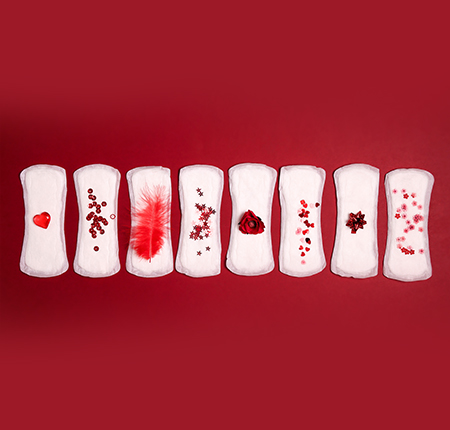
Causes – bleeding in pregnancy
As a rule, spotting and other light bleeding in the first trimester is no cause for concern. The causes behind it, however, vary a great deal and depend on many factors.
- What type of pregnancy is it and how far along is it?
- What does the bleeding look like in terms of amount and colour?
- What other conditions does the pregnant patient have?
From a simple infection or sexual intercourse through to hormonal changes, an ectopic pregnancy or a miscarriage – the factors that cause bleeding in pregnancy differ from case to case.
Below we outline the most common causes in each trimester of pregnancy, how they present and the possible challenges you should prepare for if you experience bleeding or spotting during pregnancy.
Causes of bleeding in pregnancy in the 1st trimester
Light bleeding and discharge in the first trimester of pregnancy are entirely normal and occur most frequently at this stage. Around 20% of pregnant women bleed during this period, and the causes can be extremely varied. Implantation itself, changes to the cervix or hormonal shifts, various genetic tests performed on the foetus, or infections – all of these can trigger bleeding in the early phase of pregnancy.
Even so, a miscarriage or an ectopic pregnancy can also lie behind bleeding. That's why it's important to tell your doctor about any change – they can then determine the cause and explain what needs to be done.
Implantation bleeding
Spotting or light implantation bleeding can occur 6 to 12 days after intercourse, while the fertilised egg implants. This type of bleeding usually appears in the first month of pregnancy at exactly the time your period would otherwise have been due – which is why the two are so often confused.
The difference is fairly clear, as this spotting lasts only a few hours or at most a couple of days and the flow is very light – so there's no need to worry. If, however, it continues for more than a few days, or the flow is heavy after a confirmed pregnancy, you should seek medical advice.
Tubal / ectopic pregnancy
This is a pregnancy that develops outside the uterus – the embryo usually implants in the fallopian tubes. Such a pregnancy cannot be carried to term, and its progression can put the mother's life at risk.
Bleeding with an ectopic pregnancy generally occurs in the first 12 weeks and is accompanied by abdominal cramps, headaches or severe pain in the pelvic area.
Miscarriage / pregnancy loss
Also within the first 12 weeks of pregnancy, vaginal bleeding may indicate pregnancy loss, in other words a miscarriage. Almost all pregnant women who experience this notice bleeding or spotting beforehand, accompanied by pain and abdominal cramping, the passing of fluid and tissue from the vagina, or the sudden disappearance of nausea and other typical pregnancy symptoms.
Although this is the biggest worry in pregnancy, in 90% of cases bleeding in the first trimester does not mean loss of the foetus but is perfectly normal. This is precisely why a miscarriage is hard to identify – the clearest sign is the bleeding. Every miscarriage is different and brings its own symptoms, which makes it difficult to recognise. The first thing you should do – whether you've confirmed a miscarriage or merely suspect one – is speak to your doctor.
Haematoma during pregnancy
Bleeding during pregnancy usually stops of its own accord – which is why it's described as self-limiting. If the amount of blood is large, however, it can collect and form a clot in the uterine cavity. This blood clot is known as a haematoma. Such haematomas most commonly occur in the first trimester – rarely in the 2nd and 3rd trimesters – and can cause:
- brownish bleeding in pregnancy;
- bright red vaginal bleeding;
- heavy bleeding;
- bleeding with clots during pregnancy.
In most cases a haematoma is harmless if it occurs within the first 12 weeks – even though it can affect the pregnancy. It is easily detected by ultrasound. Once a diagnosis is made, the specialist can decide what to do – either a measure to prevent pregnancy loss, if the bleeding stops and mother and baby are safe, or an emergency caesarean section or induction of a vaginal birth.
A haematoma cannot be treated, but it can be monitored and managed to protect mother and baby. Every pregnancy is unique and has individual needs, however, which is why each solution is tailored to the stage of pregnancy and other factors.
Molar pregnancy
This is a very rare situation – a complication arising at fertilisation that can cause serious health problems. A molar pregnancy is in fact a benign, that is non-cancerous, tumour in which no baby develops in the uterus, but rather a mass of small, fluid-filled sacs. It is the result of a genetic error in which the sperm and egg fail to combine correctly, so that no embryo can develop.
Bright red to dark brown bleeding in the first three months of pregnancy is the most striking symptom of a molar pregnancy – alongside pressure or swelling in the abdomen and the passing of these tiny, fluid-filled sacs, which resemble a bunch of grapes, from the vagina. The specialist will remove the molar pregnancy promptly by curettage, so as not to put the mother's life at even greater risk.
Various infections or conditions
Last but not least, bleeding and light or heavier discharge in the first trimester can also occur as a response to various other infections or conditions affecting the mother, including:
- Vaginal infections (thrush, bacterial vaginosis);
- Sexually transmitted infections (chlamydia, gonorrhoea, genital herpes, trichomoniasis), which can cause bleeding through inflammation of the cervix;
- Cervical cancer, in which painless vaginal bleeding is a common symptom in all women – whether pregnant or not.

Other discharge in the 1st trimester of pregnancy
Besides bleeding, there are other types of vaginal discharge that can occur in the early stages of pregnancy. Some are normal, others may be worrying. Other discharge in the 1st trimester of pregnancy may be:
- Clear or whitish, odourless discharge – this is normal secretion that you also have outside pregnancy, since the vagina produces mucus to cleanse and moisturise itself. If, however, this discharge changes in colour, consistency or smell during the first trimester – becoming, for instance, yellowish-green or unpleasant-smelling – speak to your doctor, as this can indicate an infection.
- Brown discharge in pregnancy during the first trimester – this usually appears around the 7th week of pregnancy but is not a cause for concern; it is simply residual blood being expelled. Do see your doctor, though, if the discharge persists or becomes heavier.
- Watery discharge in the 1st trimester – if it's clear and light, it's normal. If it becomes grey, greenish, reddish or gel-like, a visit to the doctor is advisable.
Causes of bleeding in pregnancy in the 2nd trimester
From the second trimester of pregnancy onwards, the likelihood of bleeding being harmless steadily decreases. During this phase – between weeks 14 and 27 – the typical symptoms of the 1st trimester diminish in intensity, be it bleeding, fatigue or nausea.
This means the likelihood increases that unusual bleeding points to a more serious problem – either in the mother or the baby. It goes without saying that any change should be reported to your doctor as soon as possible. Let's take a look, though, at the best-known causes of bleeding in the 2nd trimester.
Placenta praevia
In a normal pregnancy, the placenta develops in the upper part of the uterus or on a side wall. If, however, it grows in the lower part of the uterus and partly or completely covers the cervix, this is known as placenta praevia – a cause of heavy vaginal bleeding, bright red and painless, in the second trimester or during labour.
The earlier it's detected, the greater the chances that the situation will correct itself. Conversely, the larger the area of the cervix covered by the placenta, and the longer it lies over it during pregnancy, the lower the likelihood of it correcting itself. In this case, the doctor may advise against intercourse, the use of tampons and certain physical activities such as jogging, jumping or squats, and may ultimately recommend a caesarean section.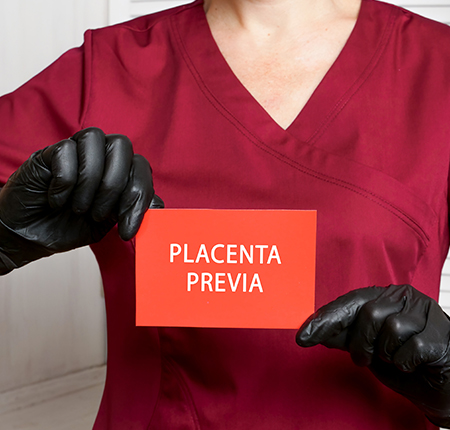
Placental abruption (abruptio placentae)
Another rare complication, affecting around 1% of pregnant women and capable of causing bleeding, is placental abruption. Here the placenta partly or completely detaches from the uterine wall, so that the foetus no longer receives oxygen and nutrients from the mother's body. In most cases this happens in the latter part of the 3rd trimester, but it can also occur as early as the 2nd trimester.
Placental abruption can cause severe bleeding – life-threatening for both baby and mother – accompanied by uterine contractions and sudden-onset back or abdominal pain. If the blood remains trapped within the uterus, there will be no visible vaginal bleeding. Monitoring is important, and any kind of bleeding requires an immediate visit to the doctor.
Miscarriage
As in the 1st trimester, a miscarriage can also occur in the second trimester – more precisely before the 23rd week of the baby's development – either through sudden pregnancy loss or because growth has stopped. A pregnancy that stops developing in the 2nd trimester may even go unnoticed and only be confirmed by a specialist examination.
As a rule, however, severe abdominal pain and cramping accompany the heavy vaginal bleeding by which a miscarriage can be recognised. The absence of the baby's movements, which can be felt from week 20 onwards, is another indicator. Seeing a doctor is the first thing a patient should do in the event of a miscarriage – at any stage of pregnancy.
Premature labour or preterm birth
Labour starting early and preterm birth are two further situations that can arise in the 2nd trimester at any point after week 20. They may happen spontaneously or be induced by the doctor if there is a complication such as placental abruption or placenta praevia, in order to save the lives of mother and baby.
You can recognise such spontaneous labour by pink or red vaginal discharge, an increase in vaginal bleeding, regular uterine contractions, period-like pain or pressure in the lower abdomen. As soon as these signs appear, the mother must see a doctor immediately.
Problems with the cervix
Before pregnancy the cervix is firm and closed; as pregnancy progresses it softens, opens and shortens to prepare the mother's body for birth. If this happens too early, for example in the 2nd trimester, the opening of the cervix (known as cervical insufficiency) or its shortening prevents the pregnancy from progressing normally.
These cervical problems can be a cause of vaginal discharge or light bleeding during pregnancy and can only be diagnosed by a gynaecologist. Fortunately, if detected early and up to week 23, the situation can be resolved with a cerclage. This is a surgical procedure in which the opening of the cervix is reduced in order to prevent miscarriage or preterm birth.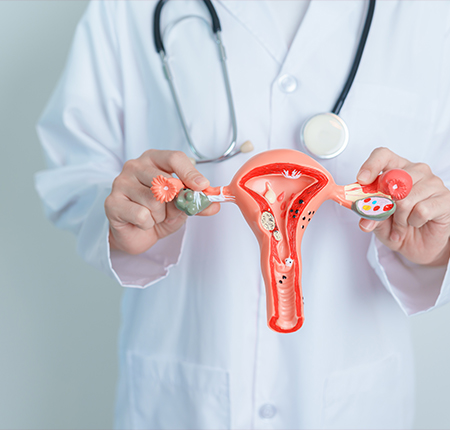
Uterine rupture
This is a rare complication that threatens the lives of mother and baby alike. It can occur as early as the 2nd trimester, but above all in the 3rd trimester during birth – usually in women who have previously delivered by caesarean section. Uterine rupture is when the uterus tears along the scar from a previous caesarean.
Pain more severe than normal labour pain, an abnormal heartbeat in mother and baby, the cessation of uterine contractions and vaginal bleeding can all be traced back to uterine rupture. In this case a further emergency caesarean section is required to avert the danger to the lives of mother and baby.
Vasa praevia
Vasa praevia can be the cause of very heavy bleeding in pregnancy and poses a major danger to the life of the foetus. It is a rare condition in which blood vessels from the umbilical cord or placenta cross the birth canal. If these delicate blood vessels rupture, the foetus suffers oxygen deprivation and severe bleeding – and its life is then in danger.
Although it is a dangerous anomaly for the baby, it can be managed safely if detected in good time. Using transvaginal ultrasound, the specialist regularly assesses the risk of the mother going into labour as well as the length of the cervix, and can thus schedule a planned caesarean section to avoid tragedy.
Causes of bleeding in pregnancy in the 3rd trimester
From week 28 to week 40 we speak of the third trimester of pregnancy – the phase in which the baby continues to develop in the uterus and takes up more and more space. Vaginal bleeding can also occur in the 3rd trimester – in fact, 1 in 10 women experiences vaginal bleeding in the 3rd trimester. It can be just as dangerous as in the 2nd trimester, often for the very same reasons:
- Placental abruption – the most common cause of bleeding in the late stages of pregnancy;
- Sexual intercourse – usually causes light, short-lived spotting;
- Infection, growth, inflammation or insufficiency of the cervix.
- Placenta praevia;
- Vasa praevia;
- Uterine rupture;
- Miscarriage;
- Premature labour or preterm birth.
The important point here is this: it is virtually impossible for a pregnant woman to distinguish harmless vaginal bleeding from the worrying kind. For this reason, any bleeding has the potential to be dangerous in the first instance and should be reported to your doctor straight away.
Symptoms & accompanying signs of bleeding in pregnancy
Although vaginal bleeding is painless and harmless in some cases, it often occurs alongside other signs when the underlying problems are more serious. Symptoms to watch out for and report to your specialist if they accompany bleeding in pregnancy include:
- pain in the back, abdomen or pelvic area;
- period-like cramps;
- fatigue, nausea, headaches, dizziness;
- absence of the baby's movements;
- the passing of fluid, tissue or any other unusual vaginal discharge;
- fever;
- uterine contractions;
- pressure or tenderness of the uterus.
Bleeding in pregnancy after sexual intercourse
No, in most cases it is no cause for concern. The cervix changes continuously during pregnancy and becomes more sensitive. This is why light, short-lived vaginal bleeding that is pink, bright red or even brown after intercourse – or even after a gynaecological examination – is normal, especially in the first months of pregnancy.
It only becomes a cause for concern if it lasts longer than a few days, is heavy, or is accompanied by abdominal pain, pressure or contractions.
When should you see a doctor about bleeding in pregnancy?
Without a medical examination, it's impossible for a patient to know when bleeding in pregnancy is harmless and when it puts the pregnancy, the baby or the mother at risk. It's best to tell your doctor about any kind of bleeding or change in vaginal discharge.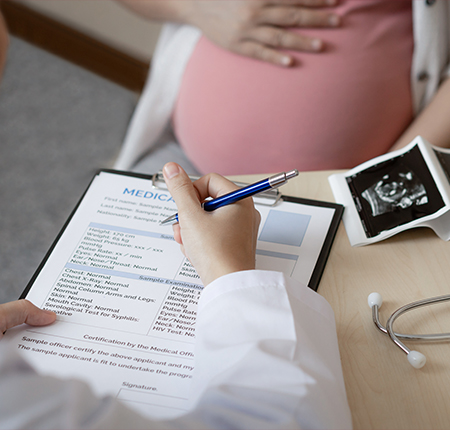
If the bleeding suddenly becomes heavy, lasts several days or is accompanied by other symptoms, you need to go to hospital immediately for further investigation.
Tests needed to diagnose bleeding in pregnancy
Only a gynaecologist can make the diagnosis – it's best to go straight away as soon as you notice bleeding in pregnancy starting or changing. To find the cause, the doctor may use a number of tests:
- gynaecological examination of the pelvis;
- gynaecological vaginal examination;
- blood tests to check hormone levels;
- examination using ultrasound technology;
- transvaginal ultrasound
As a rule, the tests recommended depend above all on the stage of pregnancy. Bleeding in the first trimester, for example, is not as alarming, and the usual investigations are a pelvic examination (to determine whether cervical polyps are causing the bleeding) or a transvaginal ultrasound (to check whether the bleeding is caused by an ectopic pregnancy).
With heavier bleeding, however, specific tests may be carried out, such as a full blood count (to check blood clotting) and measurement of hCG hormone levels to interpret the results. In the 2nd and 3rd trimesters, bleeding is more concerning and the investigations more extensive. It may point to conditions such as placenta praevia or placental abruption, which are identified using the trimester-specific ultrasound scan, possibly supplemented by an additional transvaginal ultrasound.
Monitoring and treatment of the bleeding can take place at home if the symptoms are not severe and do not endanger the lives of mother and baby. Otherwise the patient will be admitted to hospital and monitored there.
How is bleeding in pregnancy treated?
Treatment differs from patient to patient, depending on the cause of the bleeding, the stage of pregnancy and the mother's state of health. Rest is almost always recommended, along with:
- regular monitoring and check-ups;
- avoiding douching, tampons and sexual intercourse;
- various medications, depending on the case;
- the recommendation to take sick leave and stay at home;
- hospital admission;
- surgery.
It's vital that you follow your doctor's advice and attend all tests and appointments so that your life – and your baby's – is safe.
Complications of untreated bleeding in pregnancy
Bleeding in pregnancy must under no circumstances be ignored or left untreated. It can lead to the most tragic complications – from loss of the pregnancy through miscarriage and the death of the baby to heavy bleeding, haemorrhage and serious health problems for the mother. With heavy bleeding (when more than 20% of blood volume is lost), serious complications such as hypovolaemic shock can also occur – a medical emergency that endangers the lives of mother and baby alike.
The development of placental abnormalities and preterm birth are further possible complications of untreated bleeding in pregnancy. This is why it's so important to report any bleeding to your doctor early, so that it can be treated and later complications prevented.
Recommendations – what can you do at home if you have vaginal bleeding in pregnancy?
The first and most important thing is to see your gynaecologist or go to hospital. Not in two weeks' time, when you'd have an appointment anyway. Not in a few days. But straight away. Vaginal bleeding can be a threat to your life and that of the foetus and must be investigated as quickly as possible.
Apart from this crucial step and carefully following your doctor's recommendations and prescribed treatment, here's what else you can do at home if you have bleeding in pregnancy:
- Reduce the intensity of physical exertion: jumping, squats and running should often be avoided in this case. If you exercise, reduce the intensity and make recovery your priority;
- Wear organic pads: keep an eye on the colour and amount of bleeding so you notice any change – use a panty liner for spotting/light discharge or a regular pad for heavier bleeding. Look after your health and your baby's by using organic period products that are free from harmful substances and hypoallergenic, made of 100% organic cotton and with no hidden ingredients that could harm you or your pregnancy.

- Eat a balanced diet: with or without bleeding, nutrition in pregnancy is important for the health of both mother and baby. Make sure you get enough fibre and protein, but also carbohydrates and fats, and include as varied a range of foods as possible in your diet.
- Avoid smoking: studies show that smoking doubles the likelihood of unusual bleeding in pregnancy while also increasing the risk of problems for the foetus. It's a harmful habit that's best avoided during pregnancy.
General questions
Any kind of bleeding can raise dozens of questions. We encourage you to put them all confidently to your specialist – they are best placed to answer them and to offer you solutions to protect your baby's life and your own. Below we've answered the most common questions about bleeding in pregnancy, so that you're prepared for any situation in which you might experience it yourself.
Does bleeding in pregnancy automatically mean pregnancy loss?
No – and certainly not in the first trimester, when it is normal and can occur with no effect whatsoever on how the pregnancy develops. If, however, you have period-like bleeding in pregnancy or other worrying changes/symptoms, you must see a doctor immediately.
At the same time, it's a good idea to tell your doctor – whether you have pink discharge in pregnancy that seems harmless or heavier discharge. That way you can put your worries to rest, and the specialist can draw up a plan early on for treatment and monitoring to avoid pregnancy loss.
How many days after conception does bleeding occur?
Bleeding in pregnancy can occur at any stage and in any trimester, depending on the cause. If it's implantation bleeding, this can occur at any point 6 to 12 days after fertilisation and conception.
How long does implantation bleeding last?
Also known as nidation bleeding, it is light and short-lived. The spotting lasts from a few hours to a couple of days and stops of its own accord.
What does it mean if you bleed at the start of pregnancy?
A small amount of blood loss 1–2 weeks after the embryo implants in the uterine wall is called implantation bleeding and is entirely normal. Light discharge in the 1st trimester is also normal and occurs in around 20% of pregnant women for various reasons, including hormonal changes or changes to the cervix.
If the bleeding is heavy, however, it requires medical investigation, as it may indicate an infection, an ectopic pregnancy or even a miscarriage.
What colour is the blood with a miscarriage?
The colour of bleeding with a miscarriage can range from light shades of red or dark brown (similar to spotting) through to bright red, with or without clots. The bleeding may also start and stop repeatedly over several days and become heavier as the uterus clears itself.
What is a haematoma during pregnancy?
A haematoma is a blood clot that commonly occurs in the first three months of pregnancy and can cause bleeding as it is expelled from the uterus. In most cases it can be managed without affecting the course of the pregnancy. Depending on its size, the doctor may recommend bed rest and abstaining from sexual intercourse until the haematoma dissolves and is completely expelled.
Which discharge is normal in pregnancy?
Not every vaginal secretion in pregnancy is a cause for concern. Normal discharge includes implantation bleeding (1–2 weeks after the fertilised egg implants in the uterus), spotting (especially in the first 12 weeks of pregnancy), and watery, clear or whitish secretion with no unpleasant odour. It's always a good idea, however, to tell your doctor about any discharge so that risks can be identified early and complications prevented.
Sources used
We drew on the following sources for the information and answers in this article:
1. NHS, "Vaginal bleeding in pregnancy": https://www.nhs.uk/pregnancy/related-conditions/common-symptoms/vaginal-bleeding/
2. March Of Dimes, "Bleeding and spotting from the vagina during pregnancy": https://www.marchofdimes.org/find-support/topics/pregnancy/bleeding-and-spotting-vagina-during-pregnancy
3. WebMD, "Bleeding during pregnancy": https://www.webmd.com/baby/bleeding-during-pregnancy
4. Cleveland Clinic, "Bleeding During Pregnancy": https://my.clevelandclinic.org/health/symptoms/22044-bleeding-during-pregnancy
5. Family Doctor, "Bleeding During Pregnancy – What's Normal?": https://familydoctor.org/bleeding-pregnancy-whats-normal/
6. Mayo Clinic, "Bleeding during pregnancy": https://www.mayoclinic.org/symptoms/bleeding-during-pregnancy/basics/when-to-see-doctor/sym-20050636?p=1
7. NHS, "Bleeding in early pregnancy": https://www.nbt.nhs.uk/our-services/a-z-services/emergency-zone/ed-miu-patient-information/early-pregnancy-bleeding
8. Better Health Channel, "Pregnancy - bleeding problems": https://www.nbt.nhs.uk/our-services/a-z-services/emergency-zone/ed-miu-patient-information/early-pregnancy-bleeding
9. Cleveland Clinic, "Subchorionic Hematoma": https://my.clevelandclinic.org/health/symptoms/23511-subchorionic-hematoma
10. American Pregnancy Association, "Bleeding During Pregnancy": https://americanpregnancy.org/healthy-pregnancy/pregnancy-complications/bleeding-during-pregnancy/

Medium, super or extra absorption

Low, medium or super absorption

Low or medium absorption


and happily breaking taboos!


