

Cold hands and feet – causes & treatment
Have you ever caught yourself rubbing your palms together or tucking your feet under the duvet to warm them up – even though the room temperature was perfectly normal? Cold hands and feet, when they only happen occasionally, can be a completely natural bodily response. If they occur frequently, however, this sensitivity may have various underlying causes – including cardiac, vascular or endocrine ones.
Read our article to find out why your hands and feet constantly feel cold, what this bodily response means and what you can do to feel more comfortable.
Why do we get cold hands and feet?
Cold hands and feet can have a whole range of causes, most of them harmless, and they aren't always a reason to worry.
Your extremities may feel cold when you're exposed to low temperatures – for instance when you step outside in winter or when the ambient temperature drops. In situations like these, cold hands and feet are a perfectly normal bodily response.
That chilly feeling in your limbs can also be triggered by stress or strong emotions, without any cause for concern.
That said, there are also some more serious conditions that can manifest as cold hands and feet. If you're constantly battling this sensation even when the ambient temperature is high and everyone around you feels warm, it could be a symptom that warrants medical attention. Impaired blood circulation and autoimmune conditions are among the most common causes of low temperatures in the extremities.
How the body responds to cold
When the temperature drops – for example during the colder months – the body activates a natural protective mechanism to keep heat in the vital organs. The body reduces the blood supply to the extremities (palms, fingers, soles of the feet) through a process called vasoconstriction, the temporary narrowing of the blood vessels. As a result, hands and feet turn cold, even when the rest of the body seems well protected.
The role of peripheral circulation in temperature regulation
Peripheral circulation is responsible for transporting blood to the areas furthest from the heart – that is, to the extremities: hands and feet. When it's impaired, the flow of oxygen-rich blood to these regions decreases and the extremities no longer receive enough warmth. This is how sensations of cold, tingling or even numbness in the hands and feet arise.
Peripheral circulation can be hindered by Raynaud's syndrome – a condition that causes the blood vessels in the extremities to narrow. Vasoconstriction is a normal bodily response to cold exposure, but in Raynaud's syndrome it occurs suddenly and not always for any identifiable reason.
The difference between a bodily response and a symptom of illness
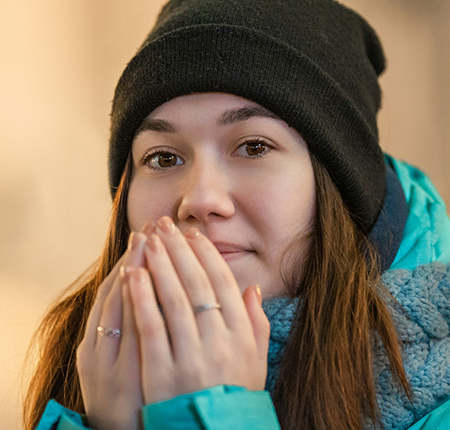
In many cases, cold hands and feet are simply a normal, temporary response to cold, stress or strong emotions.
However, when there's no obvious reason for them, they may point to other health problems. Particularly when the sensation of cold occurs at normal temperatures or is accompanied by pain, colour changes, persistent numbness or symptoms such as fatigue and dizziness, this may indicate conditions such as Raynaud's syndrome, thyroid problems, anaemia or circulatory disorders.
Possible causes of cold hands and feet
Cold hands and feet can have numerous causes – from entirely normal and temporary factors such as low temperatures during the colder months or emotionally demanding moments.
Equally plausible, however, are many other health problems that require medical attention. It's important to know the main factors that can affect the temperature of your hands and feet – that way you can better judge whether it's just temporary discomfort or a symptom.
Impaired blood circulation
"Poor circulation" is probably the "explanation" you hear most often from people around you when you complain about cold hands and feet. And although it isn't the only possible reason, impaired blood circulation really is one of the main causes of this phenomenon.
When blood struggles to reach the hands and feet, these areas cool down quickly and may become pale, numb or sensitive to cold. Lack of movement, low blood pressure or vascular disease can all contribute to a reduced blood supply to the extremities.
Peripheral arterial disease, for example, is one of the more serious conditions associated with narrowing of the arteries and an inadequate blood supply to the extremities.
Chronic venous insufficiency can also be a cause of cold hands and feet, as it affects how blood returns from the peripheral circulation to the heart.
Hypothyroidism and a sluggish metabolism
The thyroid plays an important role in regulating the body's metabolism and energy production. The metabolism, in turn, influences the circulatory system, the heart rate and body temperature. If thyroid function is impaired, this consequently affects the metabolism too.
In people with an underactive thyroid (hypothyroidism), the body produces less heat, circulation is hindered and the sensation of cold is felt more intensely, especially in the hands and feet.
Anaemia and iron deficiency
Iron plays an essential role in transporting oxygen in the blood. If levels aren't within the optimal range, the body receives less oxygen – and the extremities are the first to be affected. Iron-deficiency anaemia often manifests as cold hands and feet, accompanied by marked fatigue, pallor and difficulty concentrating.
Vitamin B12 and magnesium deficiency
Vitamin B12 and magnesium contribute to the optimal functioning of the nervous system and support blood vessel health. A deficiency in these nutrients can affect both circulation and nerve sensitivity, leading to cold extremities, tingling or numbness.
Diabetes and peripheral neuropathy
Peripheral neuropathy refers to a condition caused by damage to the peripheral nerves, which transmit signals between the brain, spinal cord and the rest of the body. When they're damaged and no longer working properly, they can't sense temperature correctly – and the sensation of cold hands and feet arises.
One of the health problems that can damage the peripheral nerves is diabetes. For this reason, people with diabetes often experience cold hands and feet, or even numbness in the extremities.
Raynaud's syndrome
Raynaud's syndrome causes the blood vessels in the fingers to narrow suddenly, even without low temperatures. The fingers may first turn white, then bluish and finally red once circulation returns.
The exact causes aren't always known, but the condition occurs more frequently in women. Around 75% of diagnosed cases of primary Raynaud's syndrome affect women between the ages of 15 and 40.
Heart or vascular disease
Cardiovascular conditions can affect the heart's ability to pump blood efficiently, resulting in a poor supply to the extremities. Vascular conditions such as atherosclerosis can also lead to narrowing of the arteries and therefore to a restricted blood supply to the hands and feet.
Smoking, stress and environmental factors
Smoking can reduce the oxygen supply to the tissues and thereby increase the risk of cold extremities. Stress and anxiety can trigger vasoconstriction – the very same mechanism the body activates in the cold. Low temperatures, wind or damp also contribute to the extremities cooling down quickly.
Hormonal fluctuations and menstruation
Hormonal changes can affect circulation and the perception of temperature.
Many women notice their extremities becoming colder during certain life stages marked by typical hormonal fluctuations (pregnancy, the postnatal period, across the menstrual cycle or during perimenopause). This can also occur during menstruation and is down to fluctuations in oestrogen and progesterone, which can affect vascular tone and heat regulation.
To ease the discomfort during this time, you can dress appropriately to keep your body warm, avoid tight clothing that restricts circulation, and use organic pads and tampons designed specifically with your intimate health and comfort in mind.
Symptoms that accompany cold hands and feet
Cold hands and feet don't always appear as an isolated symptom. Sometimes they're accompanied by other complaints that can help identify the cause. It's important not to ignore these signs, so you can distinguish normal responses to cold from a possible condition requiring further investigation.
Numbness, tingling, pallor or a bluish tinge
When blood circulation slows or the blood vessels contract, the skin may turn pale or bluish, and sensations of tingling or prickling intensify. These complaints often occur with cold exposure or during Raynaud's episodes.
Pain, burning, general fatigue
Sometimes the sensation of cold in the hands and feet is accompanied by pain or may cause a burning feeling. Combined with persistent fatigue, these symptoms may point to anaemia, a vitamin deficiency or other endocrine conditions such as hypothyroidism.
Ulcers and poorly healing wounds
In cases of serious circulatory problems, small, poorly healing wounds or even ulcers can develop. These are warning signs that require prompt medical assessment, as they may indicate a serious vascular problem.
When to be concerned and see a doctor
Although cold extremities generally don't pose an immediate danger, there are situations in which they may signal a serious health problem. It's advisable to consult a specialist if:
- The symptoms persist or worsen regardless of temperature.
- Pain, severe numbness or skin lesions develop.
- You frequently have Raynaud's episodes with sudden colour changes.
- You notice fever, weight loss or states of exhaustion (asthenia).
A medical assessment can help you find the exact cause and start suitable treatment.
Investigations and diagnosis for cold hands and feet
To find out why you constantly have cold hands and feet, your doctor may recommend a series of investigations and tests following an initial consultation:
- Blood tests, to check thyroid function (TSH), haemoglobin levels, vitamin B12 deficiency, iron status and blood glucose to rule out diabetes.
- Doppler ultrasound of the peripheral arteries, which assesses how blood flows through the hands and feet in order to detect any blockages or narrowing of the vessels.
- Cold provocation tests or the Raynaud's test, to detect the episodes of excessive vasoconstriction typical of Raynaud's syndrome.
- Tests for autoimmune or vascular conditions, where there's a suspicion of conditions such as lupus, scleroderma or vasculitis.
Solutions and treatment for cold hands and feet
Treatment for cold hands and feet depends on the underlying cause and involves addressing the associated health problems, where these are triggering the symptoms. At the same time, there are plenty of measures you can put into practice day to day to improve circulation and reduce discomfort.
General measures for cold hands and feet
The first measure against that chilly feeling in your hands and feet is the most obvious one: keeping them warm with simple habits:
- Wear gloves and thick socks during the colder months.
- Avoid staying in the same position for long periods – particularly with your legs crossed – to prevent circulation from slowing.
- Keep up a daily movement routine and do gentle exercises to stimulate circulation in your fingers, palms and the soles of your feet.
- Drink enough fluids, as dehydration can cause the blood vessels to narrow.
Supplements that can help with cold hands and feet
Certain nutrient deficiencies can contribute to impaired circulation. Depending on your test results, your doctor may recommend supplementation with:
- Vitamin B12, to support nerve function and the production of red blood cells.
- Iron, in cases of anaemia or low iron levels.
- Magnesium, to relax the blood vessels.
- Vitamin D, to keep arteries and blood vessels sufficiently relaxed and thus allow adequate blood flow.
Don't take supplements without having the relevant tests done first and without professional advice. For an effective and healthy approach, they should only be taken on a doctor's recommendation.
Avoiding smoking and stress
Smoking promotes vasoconstriction by narrowing the arteries that carry blood to the peripheral nerves. This reduces the oxygen supply to the tissues and intensifies the sensation of cold. Giving up smoking can help improve this symptom.
Periods of stress stimulate the release of hormones that cause the blood vessels to narrow. Stress management techniques such as deep breathing, yoga and other mindfulness practices can improve circulation considerably.
Medical treatment for cold hands and feet
If the sensation of cold is caused by conditions such as anaemia, hypothyroidism, diabetes or vascular disease, the doctor will primarily treat the underlying condition.
With that in mind, hormone therapy may be prescribed for hypothyroidism, iron or B12 supplements for anaemia, medication to control blood glucose for diabetes, or other therapies for autoimmune conditions.
When vasodilators or specific therapies are recommended
In severe cases, particularly in people with Raynaud's syndrome, the doctor may recommend vasodilator medication such as calcium channel blockers, or specific therapies to relax the blood vessels.
These treatments must not be taken without a doctor's recommendation and are only indicated when the symptoms affect quality of life or there's a risk of tissue damage.
Natural and alternative remedies for cold hands and feet
Alongside conventional treatment and lifestyle adjustments, some natural remedies can help stimulate circulation and warm the extremities quickly.
Massage, warm baths, warming-up exercises
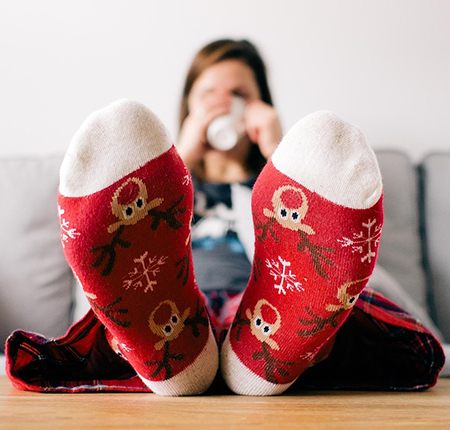
A gentle massage of the palms and soles stimulates blood flow and warms you up. Warm hand and foot baths help relax the blood vessels, and simple exercises such as rotating your ankles, squeezing your fingers together or marching on the spot can stimulate peripheral circulation.
Teas and plants that improve circulation
Certain plants have vasodilatory and anti-inflammatory properties. Ginger, ginkgo biloba, green tea, rosemary and chilli can be taken as teas or supplements – depending on professional advice – to support blood circulation.
Eating for healthy circulation
Diet plays an important role in the elasticity of the blood vessels. For a balanced diet, it's worth regularly eating foods rich in micro- and macronutrients: oily fish, avocado and nuts as sources of healthy fats, citrus fruits, kiwi and peppers for their high vitamin C content, green vegetables for a good supply of iron and magnesium, and spices with a thermogenic effect such as ginger and turmeric.
How to prevent cold hands and feet
Prevention is often easier than treating symptoms – particularly if you frequently suffer from cold extremities. Here's what you can do to reduce the risk of thermal discomfort:
Maintaining body temperature
Dress for the season, in several layers that trap heat. During the colder months you can wear thermal socks, and it's advisable to avoid tight clothing that can slow circulation.
Avoiding extreme cold
Limit the time you spend in very cold environments and avoid sudden changes in temperature. If you work outdoors, make sure you take regular breaks to warm up.
Regular medical check-ups
Do you constantly have cold hands and feet? Monitoring symptoms through regular check-ups is crucial for detecting possible problems such as anaemia, thyroid disorders or circulatory conditions early on. With an early diagnosis and the right treatment, you can prevent complications and maintain optimal circulation.
Frequently asked questions about cold hands and feet
Cold hands and feet are a very common problem, yet the explanations and solutions can vary considerably from person to person depending on the cause and lifestyle. Below you'll find answers to the most common questions, to help you better understand what's happening in your body and when it's worth seeing a doctor.
Why do I always have cold hands and feet?
Normally, the sensation of cold in the hands and feet is a natural response to cold or stress. If it persists, however, it may be a symptom of weak peripheral circulation, anaemia, hypothyroidism or a vitamin and mineral deficiency.
Which conditions can cause cold hands and feet?
The conditions that can trigger the sensation of cold in the hands and feet most commonly include anaemia, hypothyroidism, diabetes, heart or vascular disease, Raynaud's syndrome and autoimmune conditions.
When are cold hands and feet a sign of a serious condition?
If the sensation of cold occurs for no apparent reason, persists, or is accompanied by numbness, pain, ulcers, colour changes or extreme fatigue, it may indicate a health problem – in which case a medical assessment is advisable. A serious condition can only be identified through specific tests and investigations.
How can I improve peripheral circulation naturally?
Daily physical activity, suitable clothing, massage, warm baths, adequate hydration, a nutrient-rich diet and avoiding positions that block blood flow are simple measures that can support your blood circulation and how warm you feel, naturally, day after day.
Which vitamins are good for cold feet?
Vitamin B12, vitamin C, vitamin D, iron and magnesium can support the healthy functioning of the blood vessels and the peripheral nerves. Bear in mind, though, that you shouldn't take supplements simply because you have cold hands and feet. Supplements are only useful if there's an actual deficiency – and that can only be confirmed through specific tests. Always speak to your doctor and follow their advice.
What treatments are available for cold hands and feet?
Treatment for cold hands and feet depends on the cause. Drug therapy is only given on a doctor's recommendation, based on investigations and a diagnosis.
Supplements may be recommended to correct deficiencies, hormone therapy for hypothyroidism, specific treatments for people with diabetes, or, in severe cases, vasodilators.
How do I recognise Raynaud's syndrome and how is it treated?
Raynaud's syndrome manifests in episodes in which cold hands and feet appear suddenly – sometimes without any identifiable cause – and the fingers turn first white, then blue and painful. Treatment may involve protection from the cold, giving up smoking, various relaxation techniques and, in some cases, vasodilators prescribed by a doctor.
Why do feet get cold during sleep?
During sleep the metabolism slows down and peripheral circulation can become more sluggish, causing the temperature in the hands and feet to drop. Sleeping in a cooler room can also make the problem worse.
Do iron and magnesium supplements help circulation?
Supplements can help ease symptoms where there's a genuine deficiency confirmed by tests. Iron supports the oxygen supply to the tissues, while magnesium helps relax the blood vessels. Without a deficiency in the body, however, they won't help. In such cases the sensation of cold has another cause, which the doctor should investigate.
Which investigations are carried out for impaired circulation?
Depending on your symptoms, the doctor may recommend various investigations to determine the cause of cold hands and feet. A full blood count, iron and vitamin B12 levels, TSH, blood glucose, a lipid profile, as well as further investigations such as Doppler ultrasound or the Raynaud's test are among the tests most commonly recommended in these cases.
What natural remedies are there for cold feet?
Warm baths, massage, a balanced diet, eating ginger, ginkgo biloba, green tea or rosemary, and exercises to stimulate circulation are some habits you can adopt day to day to improve how warm you feel.
How can I prevent cold feet in winter?
During the colder months, clothing plays a crucial role in preventing sensations of cold. Wear thick socks and suitable footwear, dress in layers and avoid spending long periods in the cold. You can also support the health of your circulatory system with an active lifestyle.
Can cold hands be a symptom of stress or anxiety?
Yes. Stress and anxiety can trigger vasoconstriction, the narrowing of the blood vessels, which can reduce blood flow to the extremities.
What do cold feet during menstruation mean?
Hormonal fluctuations and fatigue can affect blood circulation and lead to colder extremities during certain phases of the menstrual cycle. As a rule, this is no cause for concern.
How do vasodilators affect peripheral circulation?
These medicines relax the blood vessels, thereby improving blood flow to the hands and feet. They're only prescribed by a doctor in moderate or severe cases, such as Raynaud's syndrome or certain vascular conditions.
Image sources: Pexels.com and Pixabay.com

Medium, super or extra absorption

Low, medium or super absorption

Low or medium absorption


and happily breaking taboos!


