

Depression – What It Looks Like and How Long It Lasts
Feelings of sadness and unease are part of life – they're a natural response to our experiences and to everything happening around us. We all have low moods from time to time, and we usually move past them fairly quickly.
Depression is different. During a depressive episode, these negative states can last for weeks, months or even years, and can seriously affect both our personal and professional lives.
That's why it's so important to recognise the symptoms, to understand that we needn't feel guilty or judge ourselves for a lack of motivation or enjoyment – and to seek professional help when we need it. In this article, we'll help you better understand what depression is, how it manifests and how it can be treated.
What is depression?
Depression is a mood disorder affecting around 5% of adults. It presents as sadness, loss of interest and lack of energy over extended periods – typically longer than two weeks.
Although statistics show women are more frequently affected, anyone can develop this disorder, regardless of age or gender.
Unlike the ordinary mood fluctuations of daily life, depression can also damage relationships with family and friends, as well as performance at school or work. In advanced stages and without appropriate treatment, depression can become so severe that it triggers suicidal thoughts.
It's important that those affected receive professional help as early as possible, because treatment options exist for every form of depression – from mild to severe.
Forms of depression
There are many types and degrees of depression: some are triggered by specific events, others by hormonal changes or shifts in the brain's neurotransmitters.
A specialist will make a diagnosis based on all the symptoms the patient describes and will draw up a treatment plan accordingly. The best-known forms of depression include:
Seasonal depression
Seasonal depression, also known as seasonal affective disorder or winter depression, is a depressive episode that occurs with the change of seasons.
For many people, it sets in during the winter months. As the days grow shorter and time spent in natural daylight drops significantly, the body may produce more melatonin and too little serotonin. This creates a hormonal imbalance that makes it harder to adapt to the winter rhythm, leading to disturbances in sleep, mood and behaviour.
Such depressive states usually lift in spring and summer.
Major depression
Major depression, also known as major depressive disorder or clinical depression, is the most common and at the same time the most severe form of this disorder. Patients generally receive this diagnosis when depressive states persist on most days of the week.
Other symptoms of major depression may include a lack of energy and loss of interest in usual activities, changes in weight and appetite, persistent fatigue and drowsiness, inner restlessness or mental fogginess (brain fog), feelings of guilt, difficulty concentrating and making decisions, as well as suicidal thoughts.
If you recognise five or more of these symptoms on most days over a period of at least two weeks, a specialist may diagnose major depression.
Premenstrual dysphoric disorder
A less familiar term: premenstrual dysphoric disorder is also a genuine condition that some women contend with roughly two weeks before their period begins. It presents as low mood, but also through other symptoms that disrupt daily life, such as mood swings, irritability, severe anxiety, difficulty concentrating, fatigue, changes in appetite or altered sleep patterns.
All these symptoms are more pronounced than in premenstrual syndrome and usually disappear a few days after menstruation starts.
Postnatal depression
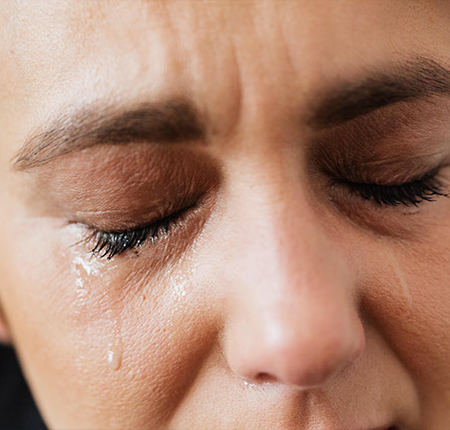
A few weeks or months after a baby is born, roughly one in seven mothers develops postnatal depression.
Unlike the worry and sadness of the first days after birth – known as the baby blues – postnatal depression is characterised by anxiety, sadness, pessimism, lack of interest, irritability and loss of appetite lasting more than two weeks. These emotions can be so intense that they disrupt daily life and make it harder to bond with the baby.
It's vital not to ignore depressive states, because they can persist and worsen. Professional help is particularly urgent if spontaneous aggression occurs without apparent cause, if there are intrusive thoughts relating to the baby, a rejection of the newborn, or a loss of touch with reality.
Depending on severity, a doctor may recommend psychotherapy – with or without medication.
Depression during the menopause
Because of the many hormonal changes that occur during the menopause, many women experience sleep disturbances, mood swings, anxiety, panic attacks and even depression during this time. A doctor may recommend therapy sessions, treatment with antidepressants, or a tailored therapy for specific symptoms.
The risk of depression during the menopause increases further if the patient has previously suffered from anxiety or depression.
Bipolar depression
Bipolar disorder, or manic depression, manifests through extreme states: a sudden shift from phases of unusually high energy to depressive phases with very low energy. During the depressive phases, the typical symptoms of clinical depression appear.
Medication can help keep these mood swings under control. Regardless of whether patients are in a high- or low-energy phase, doctors may recommend mood stabilisers such as lithium.
Atypical depression
In major depressive disorder with atypical features, certain positive experiences can temporarily interrupt the sadness and briefly lift the patient's mood. This phenomenon is known as mood reactivity.
Atypical depression may also present with increased appetite, longer sleep duration, heightened sensitivity to criticism and a feeling of heaviness in the arms and legs. Antidepressant treatment as prescribed by a doctor can help relieve these symptoms.
The main causes of depression
As with many other mental health disorders, the causes of depression aren't precisely known. There are, however, certain situations frequently associated with the onset of depression, including:
- Stressful events: these can increase the risk of depressive episodes occurring.
- Personality: certain behavioural patterns such as excessive self-criticism or low self-esteem can increase vulnerability to depression.
- Menopause: the hormonal changes of this life stage can trigger low mood.
- Pregnancy or recent childbirth: many women are more vulnerable to depression during pregnancy or in the period after giving birth – due to hormonal changes and the new responsibilities of parenthood.
- Loneliness: isolation from friends and family can increase the risk of depression.
- Health problems that are long-term or life-threatening.
- Use of alcohol or other substances.
Risk factors for depression
A number of factors can trigger depressive episodes or increase vulnerability to this disorder:
- Genetic factors: increased vulnerability has been observed in people whose blood relatives suffer from depression.
- Biological factors: the way neurotransmitters function and interact with neural circuits plays a decisive role in the development of depression. Hormonal changes can also bring on depressive states, particularly during pregnancy or after childbirth, during the menopause, or in patients with thyroid problems and other conditions.
- Psychological factors: people with low self-esteem, a harsh inner critic or traumatic experiences – whether recent or in childhood – are more prone to depressive states.
- Environmental factors: chronic stress and social isolation increase the risk of depression.
- Lifestyle: depression can also arise as a result of a neglected sleep routine, lack of exercise and an inadequate diet.
Medical factors: people with chronic illnesses or certain hormonal disorders have an increased vulnerability to depression.

How does depression manifest? – Symptoms
Although depression is a mood disorder, it shows itself not only through psychological symptoms but also through physical ones. These persist for almost the entire day and for most of the time. During a depressive episode, patients may therefore experience the following:
Physical symptoms of depression
On a physical level, energy levels may change and a range of complaints affecting the digestive, cardiovascular and muscular systems, among others, may appear:
- Altered facial expressions (usually limited to a furrowed brow and a hunched posture)
- Restricted mobility
- Heart rhythm disturbances
- Feeling cold or breaking out in a sweat
- Constipation
- Reduced sexual desire
- Headaches or back pain
- Chronic exhaustion or daytime sleepiness
- Weight loss due to lack of appetite
- Cycle irregularities or spotting caused by raised stress levels; use period products made from 100% organic cotton to give your intimate area the gentle, natural care it needs during this time.
Psychological symptoms of depression
The psychological symptoms are the clearest signs of depression, and they vary from person to person. Feelings that may arise during a depressive episode include:
- Sadness, inner emptiness and pessimism
- Frequently feeling the urge to cry
- The desire to withdraw from friends, family and society
- Outbursts of anger, irritability and frustration, even over trivial things
- Loss of interest in all activities, including hobbies and sport
- Reduced libido or loss of interest in sex
- Sleep disturbances, including insomnia or sleeping excessively
- Low energy levels and a constant feeling of exhaustion
- The sense that even simple tasks take too much effort
- Inner restlessness, anxiety and nervousness
- Slowed thinking, movement or speech
- Feelings of guilt and low self-esteem
- Difficulty concentrating, remembering and making decisions
- Changes in personality
- Frequent or recurring suicidal thoughts
Treating depression
If you're experiencing low mood, speak to your GP or psychologist at the very first signs. Depression is a real disorder that can place a heavy burden on you and your loved ones. Left untreated, it can worsen and have consequences for your emotional and physical health, your career and many other important areas of life.
A doctor may recommend treating depression with psychotherapy, with medication, or with an effective combination of both.
Treatment with medication
There are numerous types of antidepressant that a doctor may prescribe depending on the form and severity of the depression – from selective serotonin reuptake inhibitors to atypical, tricyclic and other antidepressants. These are medicines that can have fairly strong side effects, adversely affect a pregnancy or interact with other drugs – so always discuss these aspects with your doctor or pharmacist.
As a rule, medication is continued for a further 16 to 20 weeks after symptoms subside, in order to reduce the risk of relapse.
Treatment through psychotherapy
Psychotherapy means treating depression through conversations with a therapist who specialises in depressive disorders. There are several forms of psychotherapy that are effective for depression.
Individual therapy, for instance, consists of one-to-one conversations with the specialist, designed to help you understand and work through emotional difficulties, blockages or other negative experiences in your personal or professional life.
In cognitive behavioural therapy sessions, the therapist focuses on identifying the patient's problems and helping them develop coping strategies as well as change their patterns of thinking and behaviour.
There is also interpersonal psychotherapy, which focuses on how relationships with others affect the patient's emotional and mental state. This is a short-term therapy whose aim is to help resolve present-day problems.
How to support someone with depression
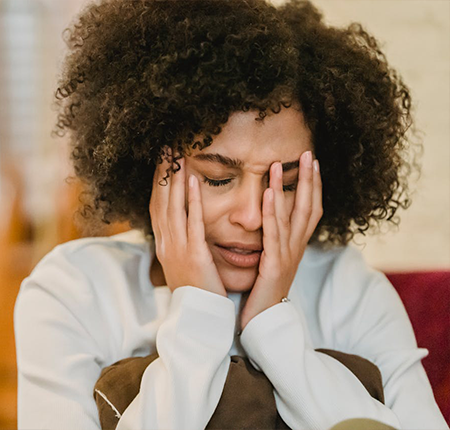
Standing by someone with depression can be a real challenge. You may even feel helpless – particularly when the person affected doesn't realise or doesn't want to accept that they're suffering from depression. What's more, because the disorder presents differently in everyone, there's no universal list of the right words for such situations.
So how do you support someone with depression? With understanding and patience.
As important as conversations about mental health are, a lack of sensitivity and compassion can overshadow any good intention and send entirely the wrong message. This is all the more true if you don't know or understand the form of depression the person is contending with.
When talking to someone who is depressed, you should therefore avoid statements that:
- Invalidate their feelings or symptoms. (e.g. "But you don't seem sad at all!")
- Imply it isn't that bad or that they aren't trying hard enough. (e.g. "You think you've got it bad?")
- Show that you doubt what they're saying. (e.g. "Are you sure you're not just tired?")
- Compare their experience with that of others. (e.g. "I went through that too, and I got through it!")
- Reinforce their feelings of guilt. (e.g. "It's all down to you, it's just in your head.")
- Blame their lifestyle. (e.g. "What did you expect, living like that?")
- Suggest they're being selfish. (e.g. "Other people have problems too, you know.")
What you can do instead: show that you care, be empathetic and meet them with understanding. Rather than offering the help you think is right, ask how you can help. Rather than giving unsolicited advice, offer to find the right support together.
And last but not least: remember that depression is a mental illness that needs treatment. It's therefore very important to encourage a visit to the doctor for professional help. Not with pressure, but with gentleness and patience – and by explaining that there's nothing shameful or wrong about seeking help from an expert.
How to help prevent depression
There's no guaranteed way to prevent depression, but there are ways to reduce the risk of developing it and of relapsing. Here's what you can do:
- Take steps to manage stress and build your self-esteem.
- Limit conflict situations and put rest and recovery first.
- Lead as healthy and active a lifestyle as possible, exercise regularly (even short walks count), eat a nutrient-rich diet and cut down on alcohol.
- Create a self-care ritual and look after your body with products made from natural ingredients that give you safety and comfort.
- Don't hesitate to ask your family or the people around you for help, especially in times of crisis.
- Seek professional help at the very first signs of depression, before it worsens.
- Follow your doctor's treatment recommendations.
Frequently asked questions about depression
Depression is a complex condition that every patient experiences differently – so it's completely normal to have lots of questions about it. In this section we try to answer the most common questions about depressive episodes:
How long does it take to recover from depression?
Recovering from depression isn't easy, and one of the hardest things to accept is that you can't know exactly what lies ahead. It isn't like healing a physical wound; it's an entire process that sometimes takes a few weeks and sometimes a few months.
Without treatment, depression can last for years. With treatment, symptoms may improve within the first few weeks. What's important to understand, though, is that there's no set duration for depressive episodes and no time limit within which a person recovers from depression. It depends on the severity of the illness and on how well someone responds to treatment.
Does sleep cure depression?
Insomnia and sleep disturbances can be among the symptoms of depression. In these cases, a regulated sleep routine and restorative sleep can help treat the disorder and speed up recovery.
What is severe depression and what are its symptoms?
Severe depression is a form of major depression that presents as intense states of unhappiness over extended periods.
There's no single, clearly identifiable cause – unlike grief, which is triggered by particular life events. Rather, these states are the result of a combination of biological, social, psychological and environmental factors, including stress, trauma, genetics, family history, substance use, certain medicines and so on.
A diagnosis of "severe depression" isn't separate from major or clinical depression; it's more a description of how intense the symptoms are and how greatly they affect a person's life. These symptoms include:
- Feelings of sadness, unhappiness or anger, even when positive things happen
- Sleep disturbances
- Changes in appetite
- Loss of interest and pleasure
- Feelings of guilt and low self-esteem
- Suicidal tendencies
What is postnatal depression and what are its symptoms?
Postnatal depression is a form of depression that can affect people who have recently become parents (both mothers and fathers). Symptoms may begin in the first weeks or months after the baby is born, or at any point during the child's first year.
Like every form of depression, it presents differently from person to person. The most common symptoms are:
- Frequently feeling the urge to cry
- Sadness, restlessness, irritability or anger
- Severe exhaustion
- Negative thoughts
- Difficulty forming an emotional bond with the child
- Difficulty concentrating and making decisions
- Feelings of guilt and helplessness
- Constant worry about the baby's safety
- Loss of appetite
How long does postnatal depression last?
Without treatment, postnatal depression can last for months or even years – like any form of depression. And although it can appear at any point up to the baby's first birthday, that doesn't mean parents are cured once the baby turns one.
Studies show that in many cases symptoms have improved after three to six months. The duration of depression, however, varies from person to person and depends on many factors, including environmental factors, treatment and hormone levels.
Sources
For this article we used information from the following sources:
1. WebMD, "Types of Depression and How to Recognize Them": https://www.webmd.com/depression/depression-types
2. World Health Organization, "Depressive disorder (depression)": https://www.who.int/news-room/fact-sheets/detail/depression
3. National Institute of Mental Health, "Depression": https://www.nimh.nih.gov/health/topics/depression
4. Mayo Clinic, "Depression (massive depressive disorder": https://www.mayoclinic.org/diseases-conditions/depression/symptoms-causes/syc-20356007
5. NHS, "Causes - Depression in adults": https://www.nhs.uk/mental-health/conditions/depression-in-adults/causes/
6. Mayo Clinic, "Depression: Supporting a family member or friend": https://www.mayoclinic.org/diseases-conditions/depression/in-depth/depression/art-20045943
7. Very Well Mind, "What Not to Say to Someone Who Is Depressed": https://www.verywellmind.com/worst-things-to-say-to-someone-who-is-depressed-1066982
8. WebMD, "Depression Recovery: An Overview": https://www.webmd.com/depression/recovery-overview
9. MedicalNewsToday, "What to know about severe depression": https://www.medicalnewstoday.com/articles/severe-depression
10. Healthline, "How Long Does Postpartum Depression (PPD) Last - and Can You Shorten It?": https://www.healthline.com/health/depression/how-long-does-postpartum-depression-last
Image source: Pexels.com

Medium, super or extra absorption

Low, medium or super absorption

Low or medium absorption


and happily breaking taboos!


