

Diet and Endometriosis
How can something as simple as diet influence a condition as complex as endometriosis? The key lies in inflammation. The more your diet fuels the factors that sustain the body's inflammatory response, the greater the impact on the intensity of your symptoms.
An anti-inflammatory diet for endometriosis
Did you know that an anti-inflammatory diet is among the first recommendations your gynaecologist will make after a diagnosis? Although it doesn't cure the condition itself, this supportive approach plays a very important role in managing symptoms.
Stay with us: in this article you'll find out which foods are worth including and which are better limited, so you can get chronic pain, fatigue and the discomfort typical of endometriosis under control as effectively as possible.
What is endometriosis and why does diet matter
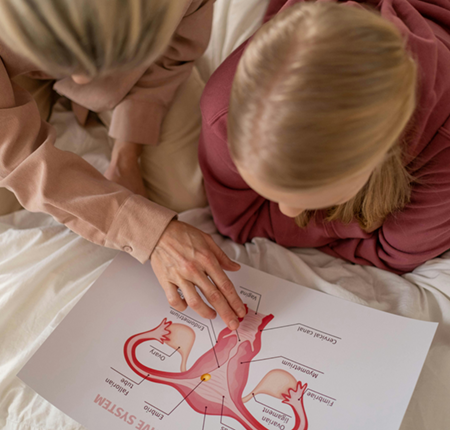
The medical literature defines endometriosis as a chronic inflammatory, oestrogen-dependent condition in which tissue similar to the endometrium grows outside the uterus.
This triggers a chronic inflammatory response in the body. In 90% of patients, this inflammatory response manifests in symptoms such as severe pelvic pain, including dysmenorrhoea (intense menstrual cramps) and dyspareunia (pain during intercourse). Other common complaints in endometriosis include bloating and fatigue.
This inflammatory nature also explains why symptoms can fluctuate in intensity, and why diet can play an important role. Diet and lifestyle influence both your hormonal balance and the way your body handles inflammation.
How diet affects inflammation and pain
Treatment options for endometriosis remain fairly limited. Medication can ease acute pain, but the effect is only temporary. Hormonal or surgical treatments are quite common, yet they can have a negative impact on your fertility.
Dietary measures, on the other hand, can play a supportive role in managing endometriosis — precisely because what you eat can directly influence the level of inflammation in the body. Your diet also affects digestion and gut health, which in turn can either worsen or ease bloating and abdominal discomfort.
In this way, your food choices have a visible and immediate influence on your day-to-day symptoms. Some foods can raise inflammatory markers and sustain inflammatory processes that intensify pain and discomfort. Others can lower these factors.
Anti-inflammatory, antioxidant-rich foods — such as colourful fruit and vegetables with anti-inflammatory properties — help to reduce the inflammatory response, for example. Recent studies also confirm that reducing fat intake in combination with increasing fibre intake can lower oestrogen levels in the body and thus help to ease symptoms.
The role of oestrogen and the link with diet
Endometriosis is a condition that depends directly on oestrogen levels in the body. An excess or imbalance of this hormone can intensify inflammation and the severity of symptoms.
What does all this have to do with diet? Well, your diet can influence how your body metabolises hormones — including oestrogen. Fibre and the gut microbiome, for instance, help to eliminate excess hormones efficiently and maintain a more stable hormonal balance.
The basic principles of eating with endometriosis
Eating for endometriosis is based on an anti-inflammatory model. What does this approach aim to achieve? The main goal is to reduce systemic inflammation and support hormonal balance. That's why:
- You start by increasing your intake of whole, minimally processed foods that provide the nutrients your body needs without overloading it metabolically.
- Fibre intake is increased to support bowel function, reduce bloating and encourage the efficient elimination of excess hormones.
- Care is taken to support the gut microbiome, which has a direct effect on inflammation and the immune system.
- Consumption of processed foods is reduced in order to limit pro-inflammatory factors.
Of course, the diet is always tailored to the individual — depending on which foods you tolerate and what you enjoy. There is no universal list of permitted and forbidden foods, precisely because endometriosis presents differently in every woman.
Recommended foods for endometriosis – what to eat when you have endometriosis
We've already established that the diet recommended for endometriosis is an anti-inflammatory one. But how well do you know the specific anti-inflammatory foods?
In other words, what exactly should you eat to reduce inflammation in the body, lessen the intensity of your symptoms and lead as normal a life as possible? Below you'll find a list of the key foods and how they work:
- Green vegetables and cruciferous veg: broccoli, spinach, kale – foods whose compounds support the body's natural detoxification processes.
- Antioxidant-rich fruit: berries and citrus fruits, which counter oxidative stress and help reduce inflammation.
- Healthy fats: olive oil, avocado, oily fish – these support hormonal balance and help regulate the inflammatory response.
- Wholegrains: oats, quinoa, brown rice – for sufficient fibre intake, which supports the microbiome and digestion and keeps energy levels stable.
- Pulses: lentils, chickpeas, beans – for a higher intake of protein and fibre, which promote satiety and gut health.
- Nuts and seeds: flaxseed, chia seeds, almonds – rich in essential fatty acids, vitamins and minerals with anti-inflammatory effects.
Essential nutrients for women with endometriosis
A study published last year, in 2025, identifies saturated fats and fibre as particularly important nutrients in regulating inflammation in endometriosis patients:
- Omega-3 fatty acids such as EPA and DHA have anti-inflammatory effects and help lower inflammatory markers.
- Fibre supports the gut microbiome and is converted by gut bacteria into short-chain fatty acids, which help regulate the immune response and reduce inflammation.
The same study, however, links a high intake of omega-6 fatty acids, commonly found in animal products, with pro-inflammatory effects. Likewise, trans fats and saturated fats can promote oxidative stress and inflammation. High sugar consumption has the same effect, contributing to the activation of inflammatory mechanisms and potentially worsening chronic conditions such as endometriosis.
Other important nutrients that can help you ease the pain and fatigue typical of endometriosis include:
- Magnesium: supports muscle relaxation and eases cramps and pelvic pain.
- Zinc: supports immune system function.
- Vitamin D: involved in hormone regulation and inflammatory processes.
- Iron: particularly important if your endometriosis involves heavy bleeding, which increases the risk of deficiency.
Forbidden foods or foods to avoid with endometriosis
Contrary to expectations, there's no fixed list of foods you must never eat again after an endometriosis diagnosis. There are no forbidden foods, only ones you're better off avoiding or eating only occasionally, because they can promote inflammation and intensify your symptoms.
It's therefore advisable to limit your consumption of the following as much as possible:
- Sugar and ultra-processed products, which are known to amplify the body's inflammatory response.
- Refined carbohydrates, fried foods and trans fats, which can contribute to metabolic disturbances.
- Red meat and processed meats, which are associated with higher oestrogen levels and greater inflammation. Research from recent years links replacing them with eggs or fish to a lower risk of endometriosis.
- Alcohol and excessive caffeine, which can have a negative effect on the hormonal and nervous systems.
Foods that can worsen endometriosis symptoms
Alongside the general list of foods you should avoid with endometriosis because of their known pro-inflammatory effects, there are also foods that can act as individual triggers.
In other words, every patient has her own sensitivities, which can make symptoms worse even when the foods in question aren't on the list of things to avoid.
Gluten is one such example. Gluten itself is a group of proteins found in wheat, barley, rye and other grains that are normally recommended for increasing fibre intake. In patients with digestive or inflammatory sensitivities, however, gluten-rich foods can worsen bloating and pelvic pain.
Dairy is a similar example, and it isn't usually contraindicated. On the contrary: a study from 2021 links dairy consumption with a reduced risk of endometriosis, with significant effects seen at an average intake of at least 3 servings a day. Even so, in women with lactose intolerance or sensitivity, consuming dairy can considerably increase both digestive discomfort and the intensity of endometriosis-related pain.
By the same principle, many other foods considered healthy can become personal triggers depending on your individual food sensitivities. Pulses, for example, or certain cruciferous vegetables can worsen bloating in people with sensitive digestion, even though they offer important anti-inflammatory benefits.
So what should you do? It isn't complicated at all: you simply need to pay a little attention and listen to your body. Keep a food diary so you can observe exactly how your body responds to different foods and make adjustments to suit your own needs. You can try temporarily removing individual food groups and types and reintroducing them gradually, to pinpoint exactly which ones are your personal triggers.
The anti-oestrogen diet for endometriosis
As already mentioned, oestrogen is the main driver of endometriosis. The growth, persistence and inflammation of endometriotic lesions, as well as the intensity of pain and discomfort, are driven directly by oestrogen levels.
That's why patients are often advised to follow an anti-oestrogen diet. The aim of this approach is, naturally, to support the way the body metabolises and eliminates excess oestrogen.
What does an anti-oestrogen diet look like?
- It's based on eating cruciferous vegetables and fibre-rich foods, which support the natural process of eliminating oestrogen via the gut and help maintain hormonal balance.
- It includes bitter vegetables such as chicory, rocket or artichokes, which support liver function — that is, they help the liver with detoxification and hormone metabolism.
- It requires adequate fluid intake to support the efficient elimination of toxins and hormone metabolites.
- It aims to support the gut microbiome and thereby help regulate oestrogen levels.
- It involves reducing dietary toxins by limiting ultra-processed products, so your internal environment stays as balanced as possible.
Eating during your period when you have endometriosis
The body is especially sensitive to food choices during menstruation, as inflammation is already heightened and energy levels are lower.
So if you have endometriosis, every choice counts and can improve how you feel during your period. Gentle period products can support your body from the outside, while anti-inflammatory food choices help ease discomfort from within.
What to eat during your period to ease endometriosis pain
Opt for warm foods your body is used to and that you know you digest well. So-called comfort foods such as soups, cooked vegetables or fish don't put extra strain on the digestive system, provide essential nutrients in an easily absorbed form and can help ease abdominal discomfort.
Drinking anti-inflammatory teas can also be a good idea — ginger, chamomile, turmeric or raspberry leaf tea, for example, all help with relaxation and pain relief.
What to avoid during your period if you have endometriosis
During menstruation, as throughout the rest of your cycle, the same recommendations apply regarding foods to avoid.
Cut back on coffee, which can contribute to increased tension and stronger cramps, as well as on foods that burden your digestion and can worsen bloating or fatigue.
Also avoid ultra-processed, high-sugar foods or junk food that you already know can increase inflammation or worsen your symptoms.
Key nutrients during menstruation
Studies show that endometriosis patients have significantly lower zinc levels. The authors of a 2024 analysis suggest that zinc deficiency may contribute to the development and worsening of endometriosis through its influence on immune system regulation and the increase in oxidative stress.
This makes zinc an essential nutrient, and taking it in doses of 1–30 mg for 3–6 days before the onset of menstruation has been linked in several medical publications to reduced severity of period pain.
Other nutrients that support endometriosis patients during menstruation and help ease symptoms include:
- Magnesium, to reduce muscle tension and cramps.
- Omega-3 fatty acids, which are associated with reduced inflammation.
- Iron, to restore energy levels, particularly with heavy menstrual bleeding.
Adequate fluid intake also remains a priority during menstruation, to support circulation and the elimination of toxins.
Sample menus for endometriosis
If you need a starting point, a suitable menu for endometriosis might look like this:
- Breakfast: porridge with berries and your favourite seeds
- Lunch: oily fish with a side of vegetables and quinoa
- Dinner: soup and a salad with green vegetables and avocado
- Snacks: suitable portions of nuts, fruit or plant-based yoghurt throughout the day
We've deliberately not given exact quantities, as everyone's needs are different. Bear in mind that this is just an example — meals and foods can vary from person to person.
Feel free to take inspiration from this menu, but always adapt the portions to your nutritional needs, the number of meals to your daily routine, and your food choices to your individual preferences and sensitivities.
Lifestyle and supportive habits for endometriosis
Diet is especially important in managing endometriosis symptoms, but changing what you eat isn't enough on its own. Lifestyle plays an equally important role.
It's recommended to drink at least 1.5–2 litres of water a day and to take in sufficient nutrients and electrolytes so your body can absorb and retain that water properly.
Your gynaecologist will also encourage you to stay physically active — even gentle movement such as yoga, walking or light exercise helps you manage pain better and improves circulation.
High stress levels can intensify inflammation and the severity of symptoms. Managing stress, resting actively and sleeping well therefore all support your body's ability to recover.
Common mistakes when eating for endometriosis
One of the most common mistakes after an endometriosis diagnosis is making drastic changes straight away and cutting out entire food groups all at once. Blanket restrictive diets that ignore your personal needs are equally risky, because they can cause deficiencies and do you more harm than good in the long run.
Another common mistake is ignoring your body's responses. Endometriosis has a strongly individual component, and it's very important to base all your decisions on feedback from your own body.
And of course, it's just as misguided to take supplements without medical advice simply because you've heard they might help. They can mask real problems or create new imbalances rather than resolving them — so always seek medical guidance.
Frequently asked questions about eating with endometriosis
Do you still have questions about the dietary choices recommended for endometriosis? We understand — we know how much uncertainty a diagnosis like this can cause. Your gynaecologist is best placed to give you the answers you're looking for, tailored to your individual needs. In the meantime, though, we hope the following answers bring you a little more clarity and reassurance about the diet recommended for endometriosis:
Can diet cure endometriosis?
No, an anti-inflammatory diet doesn't treat or cure endometriosis, as this is a chronic and complex condition. Diet can, however, influence inflammation levels and make a significant contribution to reducing the intensity of symptoms and improving quality of life.
How long does it take to see results?
Results can vary from person to person, but many patients notice changes after a few weeks to a few months. It depends on your initial level of inflammation, how consistent you are with your diet, and your lifestyle in general.
Is a strict diet necessary long term?
Not necessarily. With endometriosis, a balanced and sustainable approach is more effective than a highly restrictive diet you won't be able to maintain long term anyway. The goal is to reduce inflammation lastingly — not to impose severe restrictions on yourself.
Does gluten need to be cut out completely?
There's no universal rule. Some people notice an improvement in symptoms after reducing or eliminating gluten, but this depends on individual sensitivity. You don't necessarily need to remove gluten from your diet just because you have endometriosis.
Is dairy allowed?
Dairy isn't forbidden, although studies have linked it to worsening symptoms in some people. It all comes down to individual tolerance — which is why it makes sense to observe how your body responds.
Does coffee make symptoms worse?
In excess, coffee can contribute to increased inflammation, higher blood pressure and stronger cramps or feelings of anxiety. The effect varies from person to person, though — so moderation is key.
What should you eat on days with severe pain?
Easily digestible foods such as soups, cooked vegetables, rice or fish are a good choice, along with warm liquids and anti-inflammatory teas, which support digestive comfort on days with severe pain.
Does diet help with fertility?
Diet doesn't directly improve fertility and isn't a treatment in this respect, but it can support hormonal balance and reproductive health.
Are supplements necessary?
Not necessarily. Supplements can be useful in certain cases, but they should be tailored to the individual and recommended by a professional — depending on your blood test results and personal needs.
How do you start changing your diet without over-restricting?
The best approach is a gradual one. Swap ultra-processed foods for whole alternatives, keep adding more vegetables and fibre, and observe how your body responds, without cutting things out drastically from the outset.
Image sources: Pexels.com

Medium, super or extra absorption

Low, medium or super absorption

Low or medium absorption


and happily breaking taboos!


