

EVERYTHING you need to know about burning in the intimate area (vaginal burning)
"Burning in your intimate area when you wee? You've caught a chill!" – you've probably heard this verdict countless times from friends or family. But not all burning is the same, and burning accompanied by that false urge to constantly dash to the loo – typical of urinary tract infections – is just one chapter of this extensive topic.
Burning can also stem from a genital infection, irritation, sexually transmitted infections or even injuries inside the vagina. The causes are far more varied than a simple chill. So today we're debunking another myth: namely that vaginal burning automatically means cystitis. Here you'll discover what causes it, which symptoms occur, how it's treated and how to prevent burning in your intimate area.
What is vaginal burning
Burning in a woman's intimate area is essentially an uncomfortable sensation that manifests as burning, tingling, itching, pain or stinging in the vagina. It can have several causes, which we'll discuss shortly, but it mainly occurs as a result of an imbalance in the vaginal flora, when the tissue in the genital area becomes inflamed.
These symptoms intensify during intercourse, afterwards or when passing urine. It's also possible for their intensity to remain constant throughout the day – preventing you from concentrating and getting on with your daily life as normal.
Causes of burning in the intimate area
There are numerous causes that can trigger burning. We'll tell you more about the medical ones shortly – that is, disturbances of the vaginal flora, bacterial or fungal infections, and sexually transmitted infections.
But first, we'd like to mention another cause that's easily overlooked, yet often causes you considerable discomfort in the genital area by affecting your vagina indirectly: the hygiene products you use down there.
The best example? The pads you use month after month, which can irritate your skin day after day during your period. If you use conventional pads, you should know that many of them contain dioxin, chlorine, bleaching agents, plastic and other chemicals that are toxic to your vulva (even if they're not listed on the label! – because manufacturers aren't obliged to declare them). They can trigger precisely those allergies, itching and irritation that worsen during menstruation. So no – it's not your period that's to blame for this discomfort, but the period products!
That's why we recommend using only organic pads made from 100% organic cotton, consisting of nothing but natural fibres. Choose the right absorbency for your flow – and you'll benefit not only from an allergy-free period, but also from products that are softer and gentler on your skin. What's more, Enroush organic cotton pads are dermatologically and gynaecologically tested, hypoallergenic and pH-neutral – so they're safe for your body.
Bacterial infections
So let's return to the medical causes that can bring on burning and stinging in the genital area. We'll start with bacterial infections – such as bacterial vaginosis – one of the most common causes of vulvovaginitis and discomfort in the intimate area.
When the balance of your vaginal flora is disrupted, an excess of bacteria builds up in the vagina, crowding out the lactobacilli (the good bacteria) – and so a bacterial infection begins. It can sometimes be symptomless, but it usually shows up as discharge and an unusual odour, particularly after intercourse, along with pain and burning in the vagina.
Sexually transmitted infections
Another cause of any kind of discomfort in the intimate area can be a sexually transmitted infection. Infections passed on through intimate contact can cause burning, but also many other unpleasant symptoms such as itching, pain, unpleasant odour, bleeding between periods and discoloured discharge.
So if you've had unprotected sex or sex with a new partner and the burning started afterwards, it could be a sign of a sexually transmitted infection:
Trichomoniasis
Trichomoniasis is a very common sexually transmitted infection – a urogenital infection affecting women and men alike, even though it's symptomless in almost 70% of cases. It's caused by a parasite passed from one person to another during intercourse.
In women, burning in the intimate area is one of the signs of infection. However, it may be accompanied by further complaints: itching, redness and burning in the intimate area, pain during intercourse or when passing urine, unpleasant odour and yellowish or greenish discharge.
Gonorrhoea
Another condition you can pick up through unprotected sex with an infected person is gonorrhoea – infection with a bacterium called "Neisseria gonorrhoeae".
As this bacterium affects the cervix, fallopian tubes and uterus, symptoms such as bleeding between periods, unusual discharge or inflammation and vaginal discomfort with intense burning when passing urine may occur.
Chlamydia
Similarly, you can contract a chlamydia infection if you catch the bacterium "Chlamydia trachomatis" from an infected person during intercourse. Like trichomoniasis, it's a sexually transmitted infection that often goes unnoticed, as symptoms appear in only around 30% of cases.
When it does produce symptoms, however, it can cause burning and stinging in the genital area, vaginal pain during intercourse or when passing urine, bleeding between periods and heavy discharge.
Genital herpes
Also among the sexually transmitted infections is genital herpes – another common cause of pain in the intimate area or burning during intercourse and especially when passing urine. Genital herpes can also cause itching, stinging or vaginal burning, swollen and inflamed glands, blistering, changes in discharge and other flu-like symptoms.
The symptoms of herpes can be treated, but unfortunately it's never fully cured, as the virus remains in the body. That's why it's best to avoid catching it in the first place. Genital herpes is transmitted through skin contact with someone carrying the virus and can remain symptomless until it becomes active.
Imbalance of vaginal pH
Remember what we said above about the balance between lactobacilli and other bacteria in your vagina? It's an extremely delicate balance, and sometimes it doesn't take a bacterial infection to upset it. It's enough for the vaginal pH to shift and allow other bacteria to colonise excessively – and the entire flora of the intimate area suffers. This increases your susceptibility to further infections, irritation and inflammation, which can cause burning in the intimate area.
Normally, a healthy vaginal pH is slightly acidic, with a value between 3.8 and 5. If you douche or use shower gels, soaps, detergents or other perfumed products, these can affect your pH and therefore its protective role in your vaginal health. The menstrual cycle, unprotected sex and courses of antibiotics can also temporarily alter vaginal pH and lead to burning on the labia and inside.
Candidiasis (thrush)
We've talked about bacterial infections, we've talked about sexually transmitted infections – and now we come to one final type of infection in this article that can cause burning in a woman's intimate area: fungal infection. Candidiasis is the best-known example of an infection with a yeast called Candida, usually Candida albicans.
Candida is also normally present inside the body and on the skin, including in the vagina, without posing any danger. However, if the pH and vaginal microbiome are disrupted (for instance by a course of antibiotics, a weakened immune system or hormonal imbalances), this fungus multiplies excessively and triggers what's known as thrush. So genital itching and burning, unusual discharge and vaginal pain when passing urine or during intercourse can also be caused by this type of infection.
Menopause
The menopause isn't a direct cause of burning and pain in the vagina, but it can bring it on indirectly. As oestrogen levels drop steadily before and during the menopause, the vaginal tissue thins, loses moisture and elasticity, and becomes drier.
This vaginal dryness can be precisely the reason you feel stinging in the vagina, and burning and pain during sex intensify further when there's a lack of lubrication. Particularly if you're also experiencing hot flushes and night sweats, irritability and fatigue, reduced libido and sleep problems, it's highly likely that the menopause is behind all these complaints.
Symptoms of burning in the intimate area
By the term burning in the intimate area, we mean more than just vaginal discomfort. Any kind of burning in the external or internal genital area caused by irritation and inflammation falls into this category. Here's how the burning can present:
- in the vagina, but also on the labia and the clitoris
- with moderate but constant intensity, or with low intensity that increases markedly when passing urine or during sex
- together with other symptoms (unusual odour and discharge, bleeding between periods, pain, stinging, itching, redness, swelling, etc.).
Risk factors for vaginal burning
Women prone to vaginal burning and irritation in the intimate area are essentially those prone to all the conditions that can present with this symptom. The at-risk groups therefore include people susceptible to bacterial infections such as vaginitis, to sexually transmitted infections, fungal infections and disturbances of vaginal pH.
The risk factors for vaginal burning therefore correspond to those for all these conditions – and particularly susceptible are women who:
- are pregnant
- use hormonal contraception
- have recently completed a course of antibiotics
- have diabetes
- have a weakened immune system
- don't use condoms during intercourse
- use conventional pads and tampons
- use perfumed intimate care products
- wear tight clothing made from synthetic fibres that doesn't let the skin breathe
- are going through the menopause or perimenopause
When to see a doctor
Any untreated infection can lead to complications and more serious health problems. And since the medical causes of vaginal burning are fundamentally infections – of whatever kind – it's very important to see a doctor at the very first signs. So as soon as the discomfort appears, we recommend booking an appointment with your gynaecologist as soon as possible – particularly if:
- you're pregnant (untreated infections can even lead to premature birth or miscarriage)
- the symptoms are getting worse
- the discomfort is accompanied by pain, itching, inflammation and fever
- you've never had complaints like this before
- you don't know why you have vaginal burning
- treatment isn't helping you feel better
- the symptoms keep coming back or occur more than twice in the same year
- you've had intercourse with someone diagnosed with a sexually transmitted infection
Burning in the intimate area: diagnosis
We'd advise you not to try to diagnose yourself. The symptoms of various sexually transmitted infections can be very similar, or you may have a sexually transmitted infection that produces no symptoms at all. So it's virtually impossible to reach a correct diagnosis yourself without tests.
Your gynaecologist is the only professional who can make the correct diagnosis based on your medical history, clinical examination and specific tests. Once the cause of the vaginal burning has been correctly diagnosed, the appropriate treatment for that particular condition can be chosen – and with it, the burning in your intimate area will subside.
Treatments for itching in the intimate area
There are situations where the burning and irritation is neither serious nor dangerous and clears up on its own. For example, in the following scenario: you've had a bubble bath or used perfumed toilet paper or perfumed pads, which caused irritation – but you noticed the discomfort quickly and stopped using those products. Without the triggers aggravating the reaction, the burning can disappear without any treatment.
Likewise, it's normal to feel vaginal pain and mild burning, tingling or stinging in the genital area during pregnancy, as blood vessels, nerves and vaginal tissue change. This too can improve on its own, without any special treatment.
But not every case is this straightforward, and if a genital infection is behind the burning, the symptoms can worsen without the right treatment.
That's why we recommend using hypoallergenic organic cotton panty liners. This way you can spot any unusual discharge in good time and be confident that the burning isn't caused by an allergy to toxic chemicals – in which case the cause lies in an infection, a hormonal imbalance or another health problem.
Whatever the diagnosis, all these conditions require treatment. So we recommend seeing your gynaecologist as soon as possible, who may prescribe:
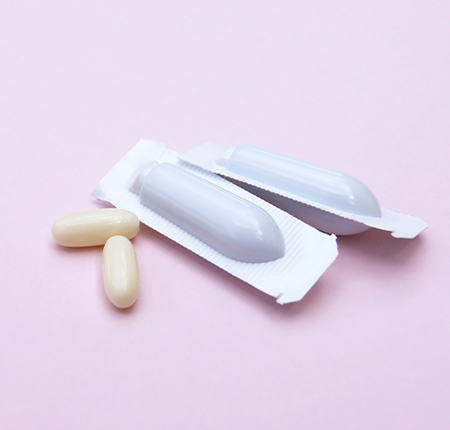
- Vaginal pessaries for burning in the genital area: for Candida infections, for instance, pessaries with antifungal agents may be prescribed
- Antibiotics: the specific treatment for certain sexually transmitted infections such as chlamydia
- Ointments and creams for burning in the intimate area: for itching and discomfort caused by genital herpes, for example, your specialist may recommend an ointment to heal the lesions caused by the virus
- Lubricants: for women with vaginal dryness, such as during the menopause, your doctor may recommend using lubricant before intercourse to reduce discomfort
- Hormone treatments: if a hormonal imbalance is the cause of the intimate discomfort
Possible complications of vaginal burning
As we mentioned above: if you don't treat the vaginal burning, you're essentially not treating the underlying condition either – and that can lead to complications such as:
- pelvic inflammatory disease
- infertility
- scarring
- transmission of the infection to the baby: if the mother has an untreated sexually transmitted infection
- premature birth or miscarriage: particularly if the mother is infected with chlamydia, trichomonas or genital herpes
- HIV infection: people with untreated sexually transmitted infections are at greater risk of contracting HIV if they have intercourse with an infected person
Natural home remedies for burning in the intimate area
Before you try various teas for burning in the genital area or other natural treatments, bear in mind: home remedies are NO substitute for a visit to your gynaecologist, nor will they help you diagnose yourself. Without knowing the cause, you can't treat the problem – so we'd advise against using any treatment without your doctor's approval.
Only after a specialist examination and a conversation with a gynaecologist – and if they confirm it's fine – can you try a few things at home to ease your vaginal burning:
- Cold compresses: these can provide immediate relief from vaginal burning and even itching. (Note: itching can have different causes from burning. If this sensation sounds familiar, you might find our article helpful, where we focus exclusively on the causes of vaginal itching and what you can do about it.)
- Salt water baths: as salt can slow the spread of bacteria, a lukewarm bath with half a teaspoon of salt could reduce inflammatory symptoms.
- Cotton underwear: the natural fibres of cotton let your skin breathe and don't trap sweat, so your skin stays dry. Without a damp environment in which fungi can multiply, your intimate area is protected against fungal infections and the discomfort they bring.
- Probiotics: studies suggest that probiotics help maintain optimal lactobacilli levels in the vagina, playing an essential role in balancing the vaginal flora and easing discomfort. So you can eat probiotic-rich foods such as yoghurt or honey.
- Chamomile tea: particularly recommended for thrush, as it has bactericidal and anti-inflammatory properties that can soothe the burning.
- Bicarbonate of soda: another home remedy for thrush – baths of 20 to 25 minutes with bicarbonate of soda can help reduce discomfort thanks to its antifungal properties.
How to prevent vaginal burning
Although the causes of burning in the intimate area are numerous and varied, the preventive measures are neither complicated nor especially extensive. The most important thing is to follow the basic rules of proper hygiene. To prevent such symptoms:
- Protect yourself: use a condom every time you have intercourse, especially with a new partner.
- Avoid products that can cause irritation: no fragrances, parabens or artificial ingredients in your intimate area – whether detergent, shower gel, soap, period products, bubble bath or toilet paper.
- Use a natural intimate gel: if you do want to use intimate care products, choose only natural ingredients that are safe for your vulva. Enroush intimate gel was developed together with dermatology and gynaecology specialists, with 95% natural ingredients that have an antibacterial action and 87% efficacy against Candida albicans.
- Go for organic cotton: in underwear, clothing and period products too – because it lets your skin breathe far better than synthetic fibres.
- Attend regular gynaecological check-ups: many urogenital infections are symptomless, and routine examinations help you detect and treat them in good time – sparing you discomfort, burning and potential complications.

Medium, super or extra absorption

Low, medium or super absorption

Low or medium absorption


and happily breaking taboos!


