

Excessive daytime sleepiness
If the human body were designed to sleep all day, we wouldn't spend the greater part of our lives being active and concentrating on daily tasks. But that simply isn't how we work.
Our bodies are built to alternate between sleep and wakefulness in a natural rhythm. The purpose of those periods of rest is precisely to ensure we have energy and perform at our best during the day. But what happens when you feel constantly sleepy – even after a perfectly restful night – and it saps your productivity and stops you concentrating the way you need to?
Occasional tiredness is perfectly normal, say after a demanding day or during an intense period. But you should start paying attention when excessive daytime sleepiness begins to affect your productivity, because it appears as a protective mechanism or as a symptom of an underlying imbalance. The body is trying to compensate for an energy deficit caused, for example, by chronic illness or nutritional deficiencies.
An inability to concentrate, a lack of energy, persistent drowsiness – once these states become permanent, we've moved beyond mere discomfort. We're now talking about a genuine threat to your performance at work, your safety behind the wheel and your quality of life. And if there's no improvement despite a reasonable sleep routine, it's time to treat it as a warning sign.
Read on to better understand how excessive sleepiness develops and when you should have it investigated more closely.
How excessive daytime sleepiness presents itself
Excessive daytime sleepiness isn't an illness as such. It is itself a symptom – either of too little sleep, of poor sleep quality, or of other conditions.
Among other things, this state combines an increased tendency to fall asleep, known as physiological sleepiness, with a persistent state of non-imperative drowsiness that makes it hard to stay awake and to maintain attention and alertness over longer periods, according to a specialist article published in 2024.
You can recognise it by several signs and manifestations – from a constant lack of energy through to involuntarily falling asleep and problems with memory.
Common signs of excessive daytime sleepiness
If you're permanently low on energy and can't get through your everyday activities, if you feel the need to sleep more than usual – perhaps even more than 9–10 hours a night – these may be symptoms of excessive daytime sleepiness. The key signs include:
- A constant need to sleep
- Excessive yawning
- Lack of energy
- Difficulty concentrating
- Brain fog
- Feeling tired after sleeping
Severe manifestations associated with excessive daytime sleepiness
The longer the sleepiness persists, the more the symptoms can worsen and disrupt your daily life. Severe manifestations of excessive daytime sleepiness include:
- Falling asleep involuntarily, even in situations where you need to be awake
- Sudden sleep episodes
- Falling asleep at the wheel
- Memory problems
- Cognitive difficulties
- Declining alertness
The difference between tiredness, hypersomnia and excessive daytime sleepiness
Tiredness, or a feeling of sleepiness, is a normal state that usually follows exertion, stress, lack of sleep, a packed schedule or occurs at times of day when energy naturally dips. It presents more as a physical or mental lack of energy, isn't necessarily accompanied by a need to sleep, and generally disappears with adequate rest. It becomes concerning – and may develop into a condition such as chronic fatigue – when it persists daily and rest and lifestyle adjustments aren't enough to restore balance.
Hypersomnia, on the other hand, is a genuine sleep disorder that can be formally diagnosed. It's characterised by an unusually strong, overwhelming need for sleep both at night and during the day, and involves very long nights or sleep episodes without you feeling refreshed on waking.
Excessive daytime sleepiness refers solely to difficulty staying awake and alert throughout the day. The literature shows that it is associated with considerable morbidity and can have widely varying causes – hypersomnia being one of them. If it affects your concentration, your performance at work or your safety – behind the wheel, for instance – and doesn't improve with rest, it may point to an underlying medical disorder; in that case, causes such as hormonal imbalances or other conditions should be investigated.
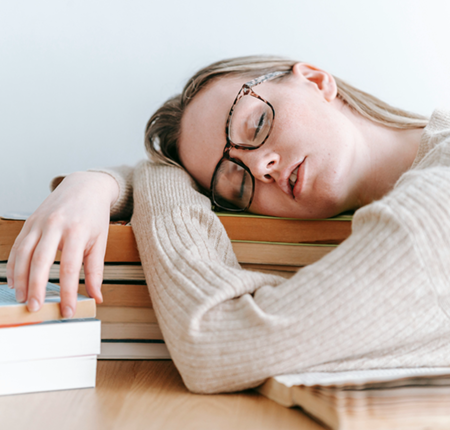
Common causes of excessive daytime sleepiness
Studies show that excessive daytime sleepiness may stem from various behavioural issues that lead to insufficient or fragmented sleep, but also from certain sleep disorders, including sleep apnoea syndrome and circadian rhythm disorders. Medical or psychiatric conditions and the use of certain medicines can also be causes of excessive sleepiness.
Conversely, this degree of sleepiness can have serious consequences for your health, as it's considered a risk factor for conditions such as cardiovascular disease and neurodegenerative disorders.
Lack of sleep and excessive daytime sleepiness
When the body doesn't get enough sleep, or enough good-quality sleep, energy levels drop quickly – which naturally becomes a cause of daytime sleepiness. The most common causes of this type include:
- A chaotic sleep routine
- Sleep deprivation
- Insufficient rest
- Fragmented sleep
- Sleepless nights
Poor sleep quality and excessive daytime sleepiness
Sleeping long enough and keeping a regular sleep schedule matter, but on their own they aren't enough to ensure you wake up refreshed. Even if it seems you're sleeping long enough, excessive sleepiness can develop over the course of the day if the quality of your sleep is poor. Common causes include:
- Waking during the night
- Stress and anxiety
- Noise and light
- Screen use before bed
- Drinking caffeine in the evening before bedtime
Sleep disorders that cause excessive daytime sleepiness
Sleep disorders can fragment your sleep and shorten your rest – affecting both the quantity and the quality of your sleep. They also act on the brain chemicals that regulate wakefulness and can therefore trigger neurological dysfunction. Through any of these mechanisms, sleep disorders can become a cause of excessive daytime sleepiness. The most common include:
- Obstructive sleep apnoea
- Narcolepsy
- Chronic insomnia
- Restless legs syndrome
- Idiopathic hypersomnia
- Circadian rhythm disorders
Conditions associated with excessive daytime sleepiness
Excessive sleepiness can sometimes be an accompanying symptom of other chronic conditions that interrupt your sleep, trigger systemic inflammation in the body, require treatment with medicines whose side effects disrupt sleep, or act directly at a neurological level – factors that often prevent recovery during periods of rest and lead to exhaustion. The conditions most commonly associated with excessive daytime sleepiness include:
- Diabetes
- Hypothyroidism
- Anaemia
- Depression
- Anxiety disorders
- Neurological conditions
- Cardiovascular disease
- Chronic infections
Vitamin and mineral deficiencies associated with excessive daytime sleepiness
Nutritional deficiencies can intensify states of exhaustion and thus also contribute to excessive daytime sleepiness. Iron deficiency in particular, often linked with anaemia, is a major cause of low energy and poor concentration. Other deficiencies that can cause such states include:
- Vitamin D deficiency
- Vitamin B12 deficiency
- Magnesium deficiency
Menstruation and excessive daytime sleepiness
The hormonal fluctuations before menstruation, particularly the drop in oestrogen levels, as well as other changes across the cycle, have a considerable influence on your energy levels and can intensify tiredness and sleepiness.
Women with severe premenstrual syndrome (PMS) frequently report such states in the late luteal phase: insomnia, poor sleep quality, fatigue and daytime sleepiness. Drawing on a laboratory-based study, the literature notes that women with PMS wake more often during the night and feel less refreshed on waking – both in the follicular phase and in the late luteal phase.
Heavy menstrual bleeding can not only intensify feelings of exhaustion but also encourage the development of iron deficiency, which is in turn a major cause of anaemia and is associated with excessive daytime sleepiness. On top of that, frequently waking at night out of worry about leaks can also contribute to daytime sleepiness. For more comfortable, more restful sleep, it's worth using highly absorbent period products such as ENROUSH night pads, which protect you all night long and prevent accidental leaks.
In some cases – for instance when it occurs regularly at particular points in the cycle and can't be explained by lack of sleep, nutritional deficiencies or other common causes – excessive sleepiness may also point to a possible hormonal imbalance. Thyroid hormones, female sex hormones and even disruptions to cortisol balance can all affect your energy levels and your sleep–wake rhythm.
Medicines that can cause excessive daytime sleepiness
Certain medicines can cause drowsiness as a side effect and impair your alertness throughout the day. Those known for such effects include:
- Antihistamines
- Antidepressants
- Anxiolytics
- Sedatives
- Blood pressure medicines
- Opioids
Lifestyle and excessive daytime sleepiness
Your lifestyle – how active you are, how stressed you feel, how nutritious your diet is and what your daily habits look like – has a powerful influence on your sleep quality and energy levels. Factors that increase the risk of imbalance and excessive daytime sleepiness include:
- Lack of exercise
- An unbalanced diet
- Alcohol consumption
- Burnout
- Shift work
- Dehydration
Sleepiness after eating is also common and may depend on the type and quantity of food consumed.
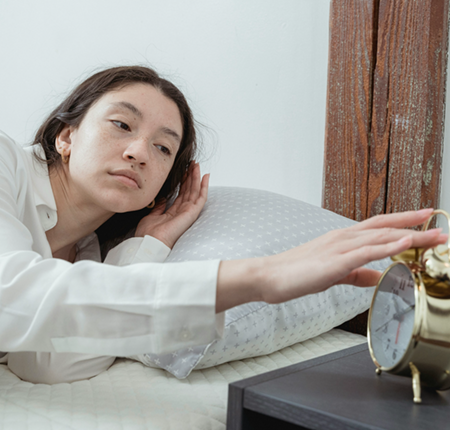
Symptoms that occur alongside excessive daytime sleepiness
When it occurs, excessive daytime sleepiness is rarely an isolated symptom. As a rule, other complaints appear too, ranging from mild forms that are easy to overlook to manifestations that affect your daily life and personal safety.
Mild symptoms associated with excessive daytime sleepiness
Complaints you might easily overlook but which frequently accompany excessive daytime sleepiness include:
- Irritability
- Lack of motivation
- Attention problems
- Declining performance
- Afternoon drowsiness
Severe symptoms associated with excessive daytime sleepiness
In more pronounced forms, excessive sleepiness can be accompanied by manifestations that increase the risk of accidents and jeopardise your safety – particularly in situations requiring alertness, attention and quick reactions, such as driving or operating machinery:
- Uncontrolled sleep episodes
- Memory lapses
- Severe concentration difficulties
When excessive daytime sleepiness needs investigating
When it can no longer be explained by ordinary tiredness, stress or occasional lack of sleep, and when it persistently affects your daily life or your safety, excessive daytime sleepiness should be medically investigated to identify the precise causes and determine the most appropriate course of treatment.
Warning signs in excessive daytime sleepiness
Are you tired and constantly battling daytime sleepiness, but still unsure whether a medical assessment is needed? Ask yourself the following questions:
- Does the sleepiness persist every day?
- Do you snore loudly?
- Do you stop breathing during sleep?
- Do you fall asleep involuntarily?
- Do you have headaches in the morning?
- Do you notice neurological symptoms such as dizziness, confusion or problems with coordination?
If you answer yes to any of these questions, speak to your doctor.
Which specialists treat excessive daytime sleepiness
Depending on the accompanying symptoms and the suspected cause, excessive sleepiness may be assessed by various specialists:
- Respiratory physician if sleep apnoea is suspected
- Neurologist if neurological symptoms are present
- Sleep specialist if you have a sleep disorder
- Endocrinologist if hormonal imbalances are suspected
- Psychiatrist if the sleepiness stems from conditions such as depression, anxiety, stress or other mental health problems.
How excessive daytime sleepiness is diagnosed
Diagnosing excessive sleepiness requires a comprehensive, multi-step approach. The doctor will look at possible medical conditions, sleep disorders, chronic illnesses and nutritional deficiencies, as well as your habits and lifestyle. The causes can be many and varied, and must be correctly identified in order to determine appropriate treatment.
The medical assessment for excessive daytime sleepiness
The consultation is the first step in the assessment. The doctor will take a history of your symptoms, evaluate your lifestyle and sleep routine, and from this identify possible triggers or habits that may be contributing to the sleepiness.
Recommended tests for excessive daytime sleepiness
Depending on the suspicions arising from the initial consultation, the doctor may recommend various blood tests to confirm whether nutritional deficiencies or other imbalances are affecting your energy levels:
- Full blood count
- Blood glucose
- Thyroid hormones
- Vitamin D levels
- Vitamin B12
- Iron and ferritin
Investigations for disorders that cause excessive daytime sleepiness
If the laboratory results don't confirm a deficiency or imbalance, or if the symptoms point to a possible sleep disorder as the cause of the excessive daytime sleepiness, the doctor may also refer you for investigations such as polysomnography, sleep latency testing or home sleep monitoring. These tests make it possible to assess the quality and structure of your sleep across the night in order to reach the correct diagnosis.

Treatment for excessive daytime sleepiness
Just as there's no single cause of excessive daytime sleepiness, there's no single treatment either. It depends on the triggering factors and can range from simple lifestyle adjustments to specific therapies or medication to treat the underlying condition.
Lifestyle changes to reduce excessive daytime sleepiness
Very often, improving your habits is enough to reduce daytime sleepiness significantly. It's recommended that you establish a fixed sleep routine, practise good sleep hygiene, cut down on caffeine and limit screen time before bed. Regular physical activity is also advisable to support overnight recovery and optimal bodily function.
Treating the underlying cause of excessive daytime sleepiness
If the excessive daytime sleepiness is caused not simply by poor sleep quality but by an existing medical condition, treatment involves addressing the underlying cause.
With sleep apnoea, for example, oral appliances, surgical procedures or specific therapies may be recommended.
If the sleepiness stems from endocrine conditions, you'll be prescribed hormone therapies to restore balance within the body. In cases of depression or anxiety disorders, treatment focuses on reducing stress and managing this period more effectively.
If a nutritional deficiency is affecting your energy levels and causing sleepiness, treatment involves correcting it.
Medication for excessive daytime sleepiness
There are also situations in which excessive daytime sleepiness is treated with medication. Your doctor may, for example, recommend preparations for narcolepsy. If you're taking sedatives that cause drowsiness, they may adjust the dose or switch the medicine. In cases of hypersomnia, they may recommend specific therapies.
CPAP therapy for excessive daytime sleepiness caused by sleep apnoea
For obstructive sleep apnoea, CPAP therapy (continuous positive airway pressure) is one of the most effective treatment options. It keeps your airways open during sleep, allowing you to sleep better, and over time can help boost your energy levels and concentration throughout the day.
How to prevent excessive daytime sleepiness
You can prevent excessive daytime sleepiness by keeping your lifestyle as balanced as possible, prioritising sleep, a nutrient-rich diet, physical activity and stress management. Together, these support your energy levels during the day and allow you to recover properly at night.
If you have conditions that affect your energy levels, appropriate treatment will help you prevent – or at least better manage – exhaustion and excessive daytime sleepiness.
The right routine for preventing excessive daytime sleepiness
Establishing a stable sleep routine is the first step towards preventing tiredness and excessive daytime sleepiness. Go to bed and get up at regular times, avoid sleepless nights and get daily exposure to natural light to regulate your circadian rhythm and strengthen your ability to stay awake and alert during the day.
Diet and hydration to reduce excessive daytime sleepiness
Along with adequate hydration, balanced meals rich in nutrient-dense foods such as fruit, vegetables, protein, healthy fats and complex carbohydrates, and without excessive sugar, help to stabilise your energy levels; this makes it easier to concentrate and reduces that persistent need for sleep.
Managing stress to reduce excessive daytime sleepiness
Looking after your emotional balance is just as important in preventing exhaustion and excessive daytime sleepiness. Relaxation techniques and a healthy balance between work and rest can help you reduce burnout and chronic stress, both of which can undermine your sleep quality.
The risks of ignoring excessive daytime sleepiness
If you ignore the signs of excessive sleepiness and your symptoms worsen, it isn't just your day-to-day performance and long-term wellbeing that suffer – the consequences can also endanger your health and safety. Uncontrollable sleepiness, involuntary sleep episodes and constant tiredness increase the risk of:
- Road traffic accidents
- Declining cognitive performance and ability to concentrate
- Deteriorating mental health
- Cardiovascular problems
- Strain on social relationships
Frequently asked questions about excessive daytime sleepiness
Still have questions? We have the answers. Below we clear up some of the most common misconceptions about the causes of excessive daytime sleepiness, how to distinguish it from normal tiredness, and the warning signs that should prompt you to see a doctor for further investigation as soon as possible.
Is it normal to be excessively sleepy during the day?
It's normal to feel tired and sleepy occasionally, particularly during busy or stressful periods or when you're short on sleep. But when the sleepiness persists daily and interferes with your usual routine, it can no longer be considered normal.
Which illnesses can cause excessive daytime sleepiness?
Sleep apnoea, hypothyroidism, diabetes, anaemia, depression, anxiety disorders, neurological conditions and chronic infections are all conditions that may be linked to excessive daytime sleepiness.
How many hours of sleep are needed to avoid excessive daytime sleepiness?
Generally speaking, adults need around 7–9 hours of sleep a night. But sleep quality matters just as much as duration.
H3: Which vitamins are lacking in excessive daytime sleepiness?
Deficiencies in vitamin D, vitamin B12, iron and magnesium are frequently associated with tiredness and increased sleepiness.
Why does excessive sleepiness occur after eating?
Post-prandial sleepiness often arises from digestive processes and fluctuations in blood sugar, and is more pronounced after meals high in carbohydrates or fat.
Can excessive daytime sleepiness be caused by stress?
Yes, chronic stress and burnout can undermine your sleep quality and lead to a persistent feeling of tiredness during the day.
What's the difference between tiredness and excessive daytime sleepiness?
Tiredness refers primarily to a lack of energy, which is normal after a sleepless night or after exertion, for example. Excessive sleepiness is characterised by a genuine, persistent need to fall asleep during the day – even in inappropriate situations.
When should I see a doctor about excessive daytime sleepiness?
A medical consultation is advisable if the sleepiness persists daily, interferes with your usual activities, or is accompanied by other symptoms such as loud snoring or episodes in which you simply fall asleep without meaning to.
Which tests are recommended for excessive daytime sleepiness?
Depending on the suspected conditions and the symptoms observed, your doctor may recommend blood tests such as a full blood count, blood glucose, thyroid hormones, vitamin D, vitamin B12, iron and ferritin.
Can menstruation cause excessive daytime sleepiness?
Yes, hormonal fluctuations, premenstrual syndrome and the heavy blood loss associated with heavy periods can all contribute to sleepiness and tiredness.
How can I combat excessive daytime sleepiness quickly?
In the short term, active breaks, daylight, plenty of fluids and gentle exercise all help. The real long-term solution, however, lies in correctly identifying the underlying cause and treating it appropriately.
Does sleep apnoea cause excessive daytime sleepiness?
Yes, obstructive sleep apnoea is one of the most common causes of excessive sleepiness, as it can reduce your sleep quality and the body's oxygen supply during the night.
Image sources: Pexels.com

Medium, super or extra absorption

Low, medium or super absorption

Low or medium absorption


and happily breaking taboos!


