

Genital herpes: what is it, how does it present and how is it treated?
Genital herpes: causes, symptoms and ways to prevent it
Genital herpes is a sexually transmitted infection (STI) passed on through vaginal, anal and oral sex.
What is genital herpes?
As one of the most common sexually transmitted infections, it often happens that infected people have no idea they have it. Genital herpes ranks among the most frequently transmitted sexual infections, yet the person affected often has no inkling that they're carrying it.
As a rule, there are either no symptoms at all or they go unnoticed. Recent studies show that more than 400 million people worldwide (11% of the global population) aged between 14 and 49 are infected with the virus that causes genital herpes.
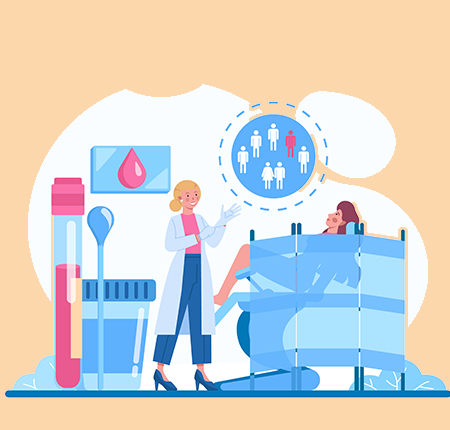
Who can be affected by genital herpes?
Anyone can become infected with the virus that causes genital herpes. It's important to know, however, that you won't catch it by sharing swimming pools, bedding or towels with someone who has genital herpes, because this virus does NOT survive outside the body. Catching it through contact with an object or surface is therefore extremely unlikely.
How is genital herpes transmitted?
Genital herpes is instead passed on through vaginal, anal or oral sex with an infected person.
Beyond this, genital herpes is transmitted via:
- Lesions
- The saliva of an infected person
- Secretions and the genital area of an infected person
- Infected blood
- Sharing needles with someone who has genital herpes
The main symptoms of genital herpes
Most people infected with genital herpes are unaware they have it, because they show no signs or symptoms – or because any symptoms are extremely mild. 
When symptoms do appear, they can start roughly two to twelve days after exposure to the virus. Possible symptoms of genital herpes include:
- Pain or itching, along with tenderness in the genital area, throughout the duration of the infection.
- Small red bumps or tiny white blisters that appear anywhere from a few days to a few weeks after infection.
- Ulcers. These can form when the blisters burst and weep or bleed. Ulcers can make urinating painful.
- Scabs. The skin crusts over and forms scabs as the ulcers heal.
During a first outbreak, flu-like symptoms may occur, such as swollen lymph nodes in the groin, headaches, muscle aches and fever.
Important to know: the sores only appear once the infection has already taken hold in the body, and they can show up in the following areas:
- Buttocks
- Thighs
- Anus
- Mouth
- Vaginal area
- External genitals
- Penis
- Scrotum
Causes of genital herpes
Genital herpes is usually caused by transmission of the herpes simplex virus type II – HSV II – through sexual contact. In rare cases, genital herpes can also be passed on orally. The virus enters the body via the mucous membranes or through breaks in the skin.
Women are also considerably more susceptible to genital herpes infection, as the risk of transmission from man to woman is higher.
Another route of transmission is from mother to child, when a woman with genital herpes gives birth. It's crucial to see a doctor early in pregnancy in order to reduce or rule out any risks.
Risk factors for genital herpes
There are several risk factors for developing a genital herpes infection, including:
- Unprotected sex
- A high number of sexual partners
- HIV infection
- Previous sexually transmitted infections
- Oral-genital contact
Treating genital herpes
For genital herpes, treatment consists of taking antiviral medication to speed up healing during the acute phase. You should bear in mind, however, that the virus remains in the body for life. Alongside medication, you can also use patches applied to the genital area, as well as ointments to treat the lesions.
Basic therapy includes non-steroidal anti-inflammatory drugs and painkillers to relieve pain and inflammation.
Complications of genital herpes
Left untreated, genital herpes can lead to complications. That's why it's so important to keep your tests up to date and to see a doctor at the first sign of trouble.
Catching other sexually transmitted infections
Genital herpes can facilitate the transmission of other sexually transmitted infections and viruses, including HIV. This is because during the acute stage of infection, when lesions are already present in the genital area, these lesions allow other viruses to enter the body far more easily than they otherwise could.
Neonatal herpes
One of the common complications affects pregnant women, as mentioned above. If the mother-to-be already had the infection before falling pregnant, the risk of the foetus contracting genital herpes is low. If the infection is passed on during birth, however, the baby's life may be in danger.
If you notice symptoms of genital herpes during pregnancy, it's absolutely essential to see a doctor so you can receive treatment that minimises the risk!
Spread of the infection to other parts of the body
If your immune system is weakened, there's a risk the infection could spread beyond the genital area to other parts of the body. How is that possible? If you're infected and have genital herpes lesions, and you touch your eyes without washing your hands after contact with the sores, the infection can also be transferred to the eye area.
Diagnosing genital herpes
To have a genital herpes infection diagnosed, you'll need to see a specialist. They'll take your sexual history and may recommend testing samples taken from the lesion. This test is only possible when blisters or sores are present. It won't show when you became infected or where the virus came from, however. It's also important to advise your sexual partners to get tested too.
How to keep genital herpes under control
Unfortunately, there's no treatment that removes the virus from the body. The virus therefore stays in your body for the rest of your life.
Even so, you can undergo treatment to prevent complications and stop the infection spreading. Various medications taken over short courses are available, as well as therapies to keep you from passing the condition on to your partner.
You can also strengthen your immune system and improve your intimate hygiene – and it's important not to let toxins and chemicals into your body that can trigger allergies, irritation or infection. So always make sure you use only period products made from 100% organic cotton.

Ways to prevent genital herpes
The advice for preventing genital herpes is the same as for other sexually transmitted infections: first and foremost, limit sexual contact to a single person who isn't infected. In addition, it's recommended that you:
- Use a condom, or ask your partner to use one, every time you have sex
- Avoid sexual intercourse if either partner has a herpes outbreak in the genital area or elsewhere
How does genital herpes affect an infected person's sex life?
Any sexually transmitted infection or disease can have an impact on your life once you've contracted a virus. Particularly because there's no definitive cure, which means that if you're infected you'll need to look after your health in the long term, protect yourself, keep the genital herpes under control and prevent passing it on.
That doesn't mean you can no longer have an active sex life – you will, however, need to tell future partners about your situation. And because infected people often don't know they're carrying this virus – since it can be symptom-free – it's extremely important to follow all protective measures and get tested regularly. Even if you have no symptoms, genital herpes can be passed on before the lesions appear or after they've healed.

Medium, super or extra absorption

Low, medium or super absorption

Low or medium absorption


and happily breaking taboos!


