

How to tell if you're pregnant: the first signs of pregnancy
Signs of pregnancy: what are the first signs that you're pregnant
It's well known that a missed period can be one of the first signs of pregnancy. But is it really that straightforward? The first symptoms differ from woman to woman, because every woman is different. Sometimes the symptoms are absent altogether, or simply go unnoticed. If you'd like to know what the most common signs of pregnancy are, read on!
Signs of pregnancy – how to tell whether you're pregnant
Could you be pregnant? Even before taking a pregnancy test, and even before your period is late, you might notice the following. Knowing the first signs means you'll know what to expect.
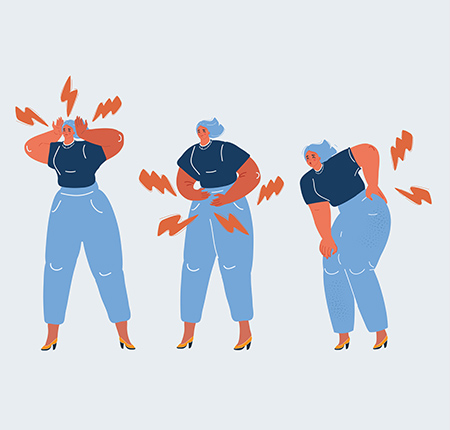
What does it feel like when the pregnancy implants?
There's no one unmistakable sensation that you'll feel at the exact moment the embryo implants in the lining of the womb. Many women do, however, report mild abdominal cramping or a tingling feeling in the tummy area when implantation takes place. Implantation bleeding can also be a sign that the pregnancy has become established.
Early signs of pregnancy before a missed period
Light bleeding, pinkish discharge and spotting can be among the very first signs of pregnancy, and may appear before you even realise your period is late. Other early signs can include tiredness, a rise in basal body temperature, morning sickness, heightened sensitivity and changes to your breasts. These can appear as early as the first week, that is 5–6 days after intercourse.
Is there a particular discharge that signals pregnancy? What does it look like?
If your discharge becomes heavier, thinner, milky white or clear, this may be an early sign of pregnancy. The vaginal walls begin to thicken almost immediately after conception, which is why this whitish discharge can occur. It may continue throughout the whole pregnancy.
After how many days of a late period do you know you're pregnant?
As a rule, a period is considered late if it hasn't started within 7 days of the expected date. That isn't automatic confirmation of a pregnancy, as a late period can have any number of causes, which we covered in another article where we told you everything about late periods. It is, however, the right moment to take a pregnancy test. If you are indeed pregnant, the level of hCG in your urine will now be high enough to be detected.
If you're trying to conceive and want earlier confirmation, there are ultra-sensitive tests that can detect a pregnancy even before your period is due. These are also useful if you have an irregular cycle and aren't sure exactly when you were in your fertile window, when your period should have arrived, or how many days late it is.
A missed or late menstrual cycle
The most common sign of pregnancy is a missed period. Why does this happen? Because the egg released during your cycle has been fertilised and is therefore no longer shed through bleeding. At this stage, the next step is usually a pregnancy test. It's important to remember, though: not every missed or late period is a sign of pregnancy – your period can stop for all sorts of reasons!
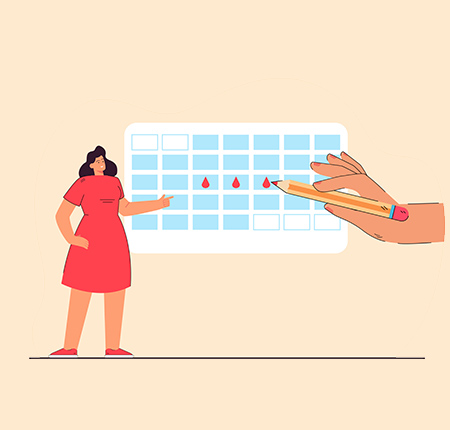
Your period may stop – the medical term is amenorrhoea – because of:
- a gynaecological condition
- a period of intense stress
- strenuous physical activity
- a health problem
- hormonal contraceptives
Constipation, abdominal cramps & bloating in pregnancy
Another possible sign of pregnancy is bloating, along with digestive problems such as constipation and abdominal cramps. When you become pregnant, progesterone levels rise and can slow down digestion, leading to constipation. Bloating also occurs in early pregnancy because of hormonal changes – and with it, discomfort and cramping.
That said, abdominal cramps and bloating also occur with your period or with gluten intolerance. So if you're unsure, it's worth taking a pregnancy test!
Needing to wee more often
Two to three weeks after conception, you may start needing to wee more frequently. You'll notice you're going to the loo far more often than usual, especially at night. Why does this happen? Because the womb is growing and putting pressure on the bladder.
Frequent urination can, however, have other causes too, such as a urinary tract infection, which is accompanied by further symptoms you can read about here.
Nausea, vomiting and tiredness in pregnancy
When progesterone rises, it can cause not only slower digestion but also fatigue – one of the most common pregnancy symptoms. At the same time, your blood sugar drops and your blood pressure may fall, so it's completely normal to feel drained and exhausted.
Then the familiar "sickness" of early pregnancy may appear, with or without vomiting – though not in every woman. The nausea can strike at any time of day, not just in the morning, and most commonly begins around 3 weeks after conception. In pregnancy, nausea is caused by the rapid rise in oestrogen and progesterone. Some women also have a keener sense of smell than usual and react far more sensitively to various odours.
Aside from pregnancy, the most common causes of nausea are:
- severe pain
- intense emotional stress
- motion sickness
- indigestion
- food poisoning
- viruses
- exposure to toxic chemicals
- gallbladder conditions
Tender, swollen and sore breasts
In early pregnancy you may also notice that your breasts are more tender than usual. They can begin to increase in size as early as two weeks after conception, driven by hormonal changes. Breast tenderness is, however, also a symptom of premenstrual syndrome.
Heightened sensitivity to tastes and smells
According to studies, over 75% of pregnant women notice an increase in their sensitivity to certain smells and tastes.
Hyperosmia, or heightened sensitivity to smell, is one of the most common early pregnancy symptoms and can begin just a few days after conception. Smell sensitivity is usually strongest in the first trimester. We've discussed the individual stages of pregnancy and how it develops trimester by trimester HERE.
An increased heart rate
Another common early sign of pregnancy, most pronounced in the first trimester, is a raised pulse. Your heart rate can be up to 30–40% higher than your normal pre-pregnancy rate, which is why a pounding heart and palpitations are very common.
The heart is pumping more blood and working harder, which is why palpitations can be a sign that you're pregnant.
A raised body temperature
If you're pregnant, your basal body temperature may rise. During pregnancy, body temperature increases by around 0.5 ℃ and stays at that level. So if you're tracking your temperature and find that it remains consistently raised for at least 18 days, this may be an indication that you're pregnant.
Vaginal bleeding
By this we mean not only implantation bleeding, but also light vaginal bleeding and spotting. These can occur in the first 1–2 weeks after conception and are relatively common – affecting around 15–25% of all pregnancies.
As more blood vessels develop around the cervix, it can become more sensitive and bleed more easily. We've written in more detail about vaginal bleeding in pregnancy in another article on the Enroush blog, which you can read HERE.
Mood swings
Oestrogen and progesterone play a very important role in mental health and your emotional balance. And these two hormones fluctuate considerably in the early stages of pregnancy. That's why unexpected mood swings and the emotions you're experiencing may be caused by sudden shifts in pregnancy hormones.
A blocked nose
A blocked nose, also known as pregnancy rhinitis, can be another sign that you're pregnant. This congestion can begin in the very first days of pregnancy and last up to 6 weeks, without any infection or allergy being the cause.
Generally, women with asthma tend to experience a more severe form of this symptom, particularly in the final trimester.
Dizziness
Headaches and dizziness are among the most common pregnancy symptoms and can be noticed quite early on. Here too, hormonal fluctuations and the changes taking place in your body are responsible, with the increase in blood volume being another important factor.
This dizziness usually disappears in the second trimester without treatment, as vitality, energy and libido return. If you'd like to read more about sex during pregnancy, you'll find an article HERE in which we explain everything you need to know. We've also prepared an article about resuming your sex life after giving birth, should you have had a caesarean.
Migraines and dizziness can, however, return in later stages of pregnancy as the womb grows and presses on certain blood vessels.
Diarrhoea
Changes in bowel habits are normal during pregnancy. Hormonal fluctuations can sometimes put a strain on the digestive system and slow the whole process down, which may cause diarrhoea and other digestive problems.
Since hormonal changes begin early in pregnancy, loose and frequent stools can be a sign that you've conceived. Drinking plenty of fluids and eating a balanced diet can help you manage this symptom more easily.
Heartburn
As well as the hormonal changes in your body that affect digestion, the baby growing in your womb and pressing on your stomach can also contribute to increased wind and heartburn. In the first trimester, this burning sensation can be a fairly common symptom.
Pregnancy without symptoms
While you may well experience signs of pregnancy, many women go through pregnancy without the usual symptoms. For some, they're absent altogether! If you have polycystic ovaries, for example, you may have no pregnancy symptoms at all, or only very mild ones. Nausea may be barely noticeable. If you do have this condition, however, you should seek medical advice, as complications can arise.
Ectopic pregnancy: symptoms
Even though it may not be apparent at first, because symptoms of an ectopic pregnancy may not appear, an ectopic pregnancy does show the usual signs. It is, however, a complication that cannot continue as a normal pregnancy. The signs intensify over time, and the earliest may include:
- pelvic and lower back pain
- unusual vaginal bleeding
- cramping on one side of the pelvis
It's important to seek medical help immediately if you suddenly experience severe pain in the abdomen or pelvis, or if you have shoulder pain, dizziness or feel faint – these can be symptoms of a ruptured fallopian tube, which can cause internal bleeding and is fatal if left untreated.
Conditions with pregnancy-like symptoms
A great many early signs of pregnancy are general symptoms that can point to dozens of other conditions. That's precisely why they're so easily confused, and why their presence doesn't automatically confirm a pregnancy – a test is needed for that.
The most common conditions with pregnancy-like symptoms include:
- Stress, perimenopause and weight fluctuations: common causes of a late period
- An unbalanced diet and alcohol consumption: can cause nausea, dizziness and headaches
- Common colds, allergies or infections: can cause a blocked nose, dizziness and tiredness
- Contraceptives and other medications: the hormonal changes caused by the pill and other medicines can lead to mood swings and changes to your cycle
- Gastrointestinal conditions: can cause digestive problems, sensitivity to smells, nausea and indigestion
- Thyroid problems and other conditions: hormonal disorders, which we've discussed in more detail HERE, can cause numerous pregnancy-like symptoms, including a late period.
Frequently asked questions
Many of these signs and symptoms aren't specific to pregnancy. Some may indicate that your period is about to start, or that you have an intolerance to certain foods.
If your period doesn't arrive, however, and you're already noticing the signs described above, take a home pregnancy test or speak to your gynaecologist.
Does discharge look different when I'm pregnant?
Vaginal discharge can change during pregnancy: it may become more watery and sticky, helping to protect the fertilised egg. In the first 2–3 weeks, raised oestrogen levels can cause abundant white discharge – and this may be the discharge that signals pregnancy.
Can I be pregnant even if the test is negative?
If you take a pregnancy test and the result is negative, it may be an incorrect result and you could still be pregnant. A negative pregnancy test result is shown by a pink line in the C area only. There is, however, a possibility of a false negative, which is more common than a false positive. If you're not sure whether the test result is accurate, it's best to contact a clinic.
Can I have a period even though I'm pregnant?
Yes, it's possible to bleed despite being pregnant. If you do bleed, we recommend using organic period products – free from chemicals and plastic – to help protect your hormonal balance.
What does it feel like when the pregnancy implants?
Early pregnancy symptoms can include pain and changes in the texture of your breasts, needing to wee more often, increased tiredness, nausea, feeling chilly, abdominal cramps, constipation and bloating, spotting (light bleeding) and sensitivity to certain foods.
How long does it take to become pregnant after intercourse?
Fertilisation can occur within 3 minutes of sex and up to 5 days afterwards. Implantation takes place within 10 days of fertilisation. It's important to know: you're only pregnant once implantation has occurred.
How and when should you take a pregnancy test?
You can take a pregnancy test from the first day your period is due but doesn't arrive. If you're not sure when your period should come, it's best to take the test at least 21 days after unprotected intercourse. Worth knowing: some tests can be used even before your period is due – and above all, every person may experience different symptoms.
Read all about pregnancy tests in our article!
How many weeks does a pregnancy last?
A pregnancy lasts 40–41 weeks and is divided into trimesters.
What are the symptoms of a miscarriage?
Around 15–20% of pregnant women have a miscarriage in the first three months of pregnancy. Signs can include: vaginal bleeding, abdominal cramps and a loss of amniotic fluid. If you suspect a miscarriage, contact a doctor.
How do I end an unwanted pregnancy?
In the case of an unwanted pregnancy, you should consult your gynaecologist and choose the option that's best for you. There is medical termination of pregnancy (up to 7 months). The morning-after pill, by contrast, cannot bring about a termination.
If you're already pregnant, emergency contraception has no effect whatsoever on your body. The hormone contained in these pills works by delaying or preventing ovulation – just like the regular contraceptive pill: it's simply a higher dose! The pill can ONLY PREVENT a pregnancy; it cannot under any circumstances end one.
Even though it's a widespread myth that it can terminate a pregnancy! Discover more common myths about contraception here!

Medium, super or extra absorption

Low, medium or super absorption

Low or medium absorption


and happily breaking taboos!


