

Infertility in Women – Signs & Treatment Options
However strong the desire to become a mother may be, the path there isn't always straightforward. Couples who fail to conceive after 12 months of unprotected intercourse receive a diagnosis with a powerful emotional impact: infertility.
Around 30% of fertility problems originate with the woman – but it's important that you don't blame yourself! From irregular ovulation and gynaecological conditions through to structural abnormalities, you may encounter numerous obstacles over which you have no control.
The good news: medicine has made enormous strides, and today there are solutions and new technologies that mean infertility can be treated in up to 90% of cases. Read our article on female infertility, its causes and what options are available for your reproductive health.
What is female infertility?
In women, infertility means the inability to conceive despite repeated unprotected intercourse.
In making this diagnosis, the doctor also takes the patient's age into account. Primary infertility is diagnosed when no pregnancy has occurred:
- after 12 months in women up to the age of 35;
- after 6 months in women over the age of 35;
- sooner, if the patient has certain conditions or uterine abnormalities known to cause infertility.
Secondary infertility may also be diagnosed – namely when a woman is unable to conceive despite having had at least one pregnancy with a normal delivery in the past.
How common is female infertility?
According to statistics, between 10% and 15% of women experience some form of infertility during their lifetime, leaving them with difficulties conceiving. The risk of infertility also increases with age.
Compared with male infertility, the proportions are roughly equal. Failure to conceive is attributable to the woman in around 30% of cases and to the man in 30% of cases. In the remaining cases, the cause lies in a combination of female and male factors, as well as other unknown reasons.
What is normal fertility and when do problems arise?
Normally, women with a regular 28-day cycle are at their most fertile on day 14. When the ovaries release an egg and it is fertilised by a sperm cell, an embryo is formed that implants in the uterus – and pregnancy begins.
Naturally, these figures vary from woman to woman, because not every menstrual cycle lasts 28 days – some are shorter, some longer, and a great many are irregular. According to studies, normal fertility in women depends on numerous factors and declines with age:
- Women under 30 have roughly a 25% chance of conceiving naturally per menstrual cycle.
- In women over 30, the chance of conceiving naturally per cycle falls to 20%.
- After the age of 40, fertility declines dramatically: the likelihood of conceiving naturally within one month is then only 5%.
A problem arises when, for various reasons, the egg and sperm cannot meet – meaning that neither fertilisation nor implantation can take place.
Causes of female infertility
The reasons why pregnancy fails to occur are extremely varied and sometimes remain unknown. Of the known causes, most relate to ovulation, genetic problems, the anatomy of the uterus, age, lifestyle or other factors.

The main causes of female infertility include:
- Changes to the uterus (for instance with conditions such as fibroids, uterine polyps or intrauterine adhesions following procedures such as a curettage)
- Problems with the fallopian tubes (usually pelvic inflammatory disease resulting from sexually transmitted infections such as chlamydia or gonorrhoea)
- Egg quality (every woman is born with an ovarian reserve – that is, a certain quality and number of eggs that the ovaries make available during her reproductive years; both decline steadily with age, making fertilisation and the formation of an embryo more difficult)
- Ovulation disorders, because without ovulation the ovaries release no eggs, so no viable embryo can form to implant in the uterine lining and bring about a pregnancy:
- Polycystic ovary syndrome (a hormonal condition characterised by irregular, infrequent or prolonged periods, which we told you all about HERE)
- Hypothalamic dysfunction (as it can adversely affect ovarian function and the menstrual cycle)
- Primary ovarian insufficiency (that is, the inability of the ovaries to produce eggs – which occurs naturally after the age of 40)
- Raised prolactin levels (which disrupt normal ovarian function)
- Other causes:
- Endometriosis (around 30% to 50% of those affected by endometriosis may experience infertility)
- Malformations of the uterus as a congenital abnormality (if the uterus does not develop normally before birth, this can lead to obstetric complications and infertility during the childbearing years)
- Cervical stenosis (if the cervical canal is very narrow or completely closed, this can cause infertility, as sperm are unable to pass through the cervix to fertilise the egg)
- Problems with the production of cervical mucus (when the body fails to produce good-quality cervical mucus to help sperm travel through the cervix into the uterus)
- Previous surgical procedures (particularly in the abdominal and pelvic area; this also includes procedures for a tubal or ectopic pregnancy, which we covered in more detail HERE).
Risk factors for female infertility
In addition to the causes listed above, there are many factors that affect reproductive function and can reduce a woman's fertility. These include:
- Age: fertility begins to decline from the age of 30 to 35
- Hormonal conditions: particularly those that can prevent ovulation
- Harmful habits: such as smoking or drinking alcohol
- Weight issues: both being overweight and underweight
- Sexually transmitted infections: these can cause pelvic inflammatory disease
- Excessive or overly intense physical training
- Certain autoimmune conditions: such as lupus and Hashimoto's thyroiditis
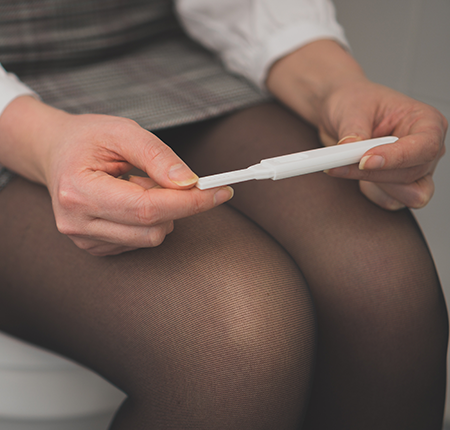
Complications of female infertility
A diagnosis of infertility can have various consequences, most of them emotional in nature, as feelings of guilt and sadness often arise. These include:
- Emotional strain and stress
- Reduced self-esteem
- Social isolation
- Financial pressure, as certain fertility treatments can be expensive
- Physical side effects from certain treatments (e.g. abdominal discomfort, bloating and mood swings following assisted reproduction procedures or taking medication to induce ovulation)
- Complications arising from fertility treatments (e.g. an increased risk of multiple pregnancies, infections, bleeding or organ injury following surgical procedures such as a laparoscopy).
Signs and symptoms of female infertility
The clearest sign that a woman is affected by infertility is that she does not conceive despite repeated unprotected intercourse over 6 to 12 months or longer.
There may be no other clear signs, but women with this diagnosis often also experience the following symptoms:
- An irregular menstrual cycle that is too long or too short
- Absence of periods
- Heavy and painful periods (it's then especially important to opt for organic period products made from pure ingredients, such as Enroush pads and tampons, which contain neither plastic nor other harmful substances that could affect your reproductive health).
- Painful periods
- Pelvic pain or abdominal discomfort
- Other symptoms associated with hormonal imbalances or polycystic ovary syndrome (e.g. excessive hair growth, acne, excess oil, mood swings or changes in libido)
When to see a doctor
If you have a regular menstrual cycle and repeated unprotected intercourse, you should seek medical advice if you do not conceive within 12 months (if you are under 35) or within 6 months (if you are over 35).
How is female infertility diagnosed?
Before diagnosing infertility, the doctor will take the patient's medical history and ask questions about the regularity of her menstrual cycle and about unprotected intercourse over the past 6 to 12 months. Further investigations may also be carried out to identify the causes of infertility:
- Ovulation tests: by monitoring the menstrual cycle and basal body temperature, along with blood tests to measure hormone levels and predict ovulation
- Hormone tests: to assess hormonal balance by measuring FSH (follicle-stimulating hormone), LH (luteinising hormone), progesterone, oestradiol, prolactin and thyroid hormones
- Imaging investigations: to visualise the reproductive organs and detect any structural abnormalities
- Hysterosalpingography: to examine the uterus and fallopian tubes using X-rays
- Laparoscopy: a surgical procedure allowing direct viewing of the pelvic organs
- Further genetic testing: to detect possible chromosomal abnormalities or genetic disorders
Treatment of female infertility
Thanks to advances in medicine and technology, infertility can now be treated: up to 90% of couples who undergo such treatment are able to achieve a pregnancy. Treatment for female infertility is only prescribed once the cause has been established through the investigations recommended by the doctor, and may involve medication or surgery.
Medical treatment
If the cause of infertility lies in ovulation disorders, medication may be recommended to stimulate or regulate ovulation. The specialist will choose the appropriate medication based on the results of the specific investigations.
Surgical treatment
If infertility is caused by structural abnormalities of the reproductive organs (uterus, fallopian tubes), surgery may be performed to correct them. Hysteroscopic or laparoscopic procedures are also recommended to remove polyps, fibroids or pelvic adhesions.
In addition, there are assisted reproduction techniques for when pregnancy is not possible naturally – these include intrauterine (artificial) insemination and in vitro fertilisation. That said, none of these procedures can guarantee a pregnancy.
Complementary approaches
For women in whom assisted reproduction techniques have been unsuccessful, doctors may recommend complementary methods for treating infertility, such as herbal remedies, acupuncture, homeopathic treatments, relaxation techniques and energy therapies. However, further research is needed to demonstrate the effectiveness of these approaches.
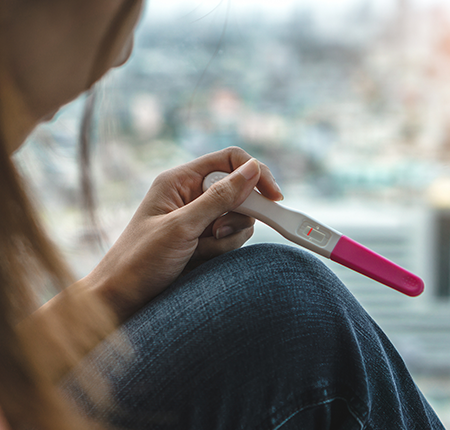
How to help prevent female infertility
A lifestyle that is as balanced as possible, together with proactive steps to protect your reproductive health, is the most effective way to prevent infertility. The following is therefore recommended:
- Avoid smoking
- Avoid alcohol
- Eat a balanced diet
- Maintain a healthy body weight
- Keep active, but in moderation
- Make sure any chronic conditions are well managed
- Attend regular check-ups
Frequently asked questions about female infertility
To finish, we want you to understand as clearly as possible what female infertility means and which factors affect the ability to conceive. That's why we're answering some of the most common questions, so that nothing remains unclear:
How does my age affect my fertility?
In women, fertility peaks roughly between the ages of 20 and 30. From the age of 30, the ovarian reserve – and with it fertility – begins to decline. From 35 onwards this decline accelerates, and after the age of 45 the chances of conceiving are very low.
Can lifestyle affect fertility?
Yes, lifestyle is one of the factors that can affect your fertility. Habits such as smoking, drinking alcohol, weight issues, an unbalanced diet or excessive exercise can increase the risk of a hormonal imbalance, which in turn can reduce your chances of conceiving.
What treatment options are available for infertility?
Today there are numerous treatment options for infertility – from medication to stimulate ovulation and surgical procedures through to assisted reproduction techniques and complementary methods. The doctor will recommend the appropriate treatment for each patient, depending on the results of her particular investigations.
How much does stress affect fertility?
It's unlikely that stress alone is the sole cause of infertility – but it can certainly affect a woman's ability to conceive. Studies point to a twofold increase in the risk of infertility among women who have previously experienced depression and anxiety disorders.
Does infertility only affect women?
Infertility can affect both partners equally. In fact, female infertility accounts for only a third of the reasons why a couple fails to conceive. In another third of cases, the cause is male infertility. In the remaining cases, both partners have conditions that affect their fertility, or the causes remain unknown.

Medium, super or extra absorption

Low, medium or super absorption

Low or medium absorption


and happily breaking taboos!


