

Inflammation of the Cervix (Cervicitis) – Causes, Symptoms & Treatment
Your intimate area needs your care and attention. Not only when discomfort, unease or pain arises, but always. Because even if terms like cervicitis most likely aren't part of your everyday vocabulary, the truth is this: such inflammations are more common than you think.
Day after day, month after month, the choices you make leave their mark on your intimate and reproductive health. Sometimes a single wrong choice can lead to irritation, an imbalance in your vaginal flora and inflammation of the cervix – and it's important to recognise the signs. You're in exactly the right place to understand how cervicitis develops, what happens in your body and when you should take action.
What is cervicitis?
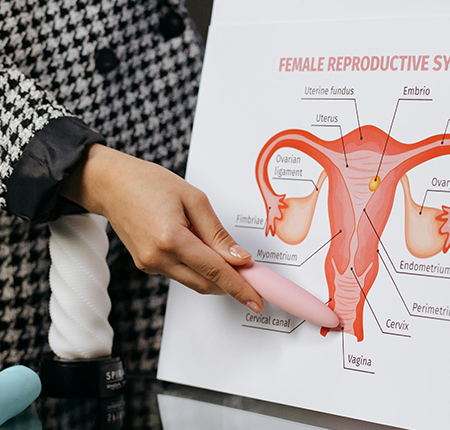
Cervicitis is irritation or inflammation of the cervix, the lower part of the uterus whose opening leads into the vagina.
When the cervix becomes inflamed, it turns red, swells and looks irritated. In severe cases, the inflammation may be accompanied by discharge and pus, and it may bleed at even the lightest touch.
The difference between a cervical sore and an inflamed cervix (cervicitis)
A cervical sore and cervicitis aren't quite the same thing, but they often occur together and are easily confused. Both result from inflammation of the cervix and can cause discomfort – which is why the two terms are frequently used interchangeably to describe the same thing: inflammation of the cervix.
A cervical sore refers to changes in the cervix, known medically as ectropion or cervical erosion. These aren't genuine sores, but rather alterations to the cervix. They occur when the glandular cells from inside become visible on the outside of the cervix, giving it a red appearance resembling an open wound. Such changes can arise from friction, physiological changes or hormonal imbalances.
Cervicitis, on the other hand, simply refers to inflammation of the cervix, which can be triggered by irritation or infection, among other causes.
Types of cervicitis by symptom pattern
Depending on the duration and intensity of symptoms, cervicitis is divided into two categories: chronic and acute. The diagnosis is made by the doctor based on a discussion with the patient and a gynaecological examination.
Chronic cervicitis
When inflammation of the cervix develops gradually and persists over longer periods (months or even years if left untreated), it is referred to as chronic cervicitis.
The chronic stage of the condition may be triggered by recurrent infections and chronic inflammatory responses, or it may be the result of acute cervicitis that has been ignored and left untreated.
Acute cervicitis
Unlike chronic inflammation, acute cervicitis comes on suddenly and manifests itself through intense symptoms. The cause often lies in irritation or infection – treatment is necessary to prevent it from worsening.
Types of cervicitis by type of lesion
- Exocervicitis
- Endocervicitis
- Chronic ulcerative cervicitis
- Erosive cervicitis
- Haemorrhagic cervicitis
- Neoplastic cervicitis
- Purulent cervicitis
- IUD-related cervicitis
Inflammation of the cervix can also be classified by location, cause and type of lesion:
- Exocervicitis (affecting the outer part of the cervix)
- Endocervicitis (affecting the inside of the cervix)
- Chronic ulcerative cervicitis (long-lasting inflammation leading to ulceration and deformity of the cervix)
- Erosive cervicitis (superficial lesions of the mucous membrane)
- Haemorrhagic cervicitis (inflammation with bleeding)
- Neoplastic cervicitis (caused by the presence of abnormal or tumorous cells)
- Purulent cervicitis (with purulent discharge, frequently caused by bacterial infections)
- IUD-related cervicitis (the body's reaction to the presence of an intrauterine device)
Inflamed cervix – causes
Although there are numerous factors that can trigger inflammation of the cervix, the causes of cervicitis fall into three main categories:
- Infections
- Irritation
- Lesions of the cervical mucosa
Below we explain further causes that fall into these categories.
Inflammation of the cervix – infectious causes
Fundamentally, infections underlie severe inflammation in the cervical area. They are usually sexually transmitted and trigger acute cervicitis. If left untreated, however, they can lead to complications and worsening inflammation, causing chronic cervicitis.
The most common sexually transmitted infections that cause inflammation of the cervix include:
- Chlamydia
- Gonorrhoea
- Genital herpes
- Trichomoniasis
- Mycoplasma and ureaplasma
The infection may also be of a nature other than sexually transmitted. Fungal infections and bacterial infections such as bacterial vaginosis, which arises from an imbalance in the vaginal flora, can likewise be causes of cervicitis.
Inflammation of the cervix – non-infectious causes
Although infections are a common cause, they aren't the cervix's only enemy. Many women with cervicitis receive negative results on infection tests. In their case, the inflammation isn't caused by an infection but may have the following causes:
- Irritation and allergies, when the body reacts to toxic substances that may be present in intimate care products such as soaps, intimate gels, perfumes, lubricants, condoms, toilet paper and even menstrual products. Doctors recommend using natural products such as Enroush products, made from pure ingredients, pH-neutral and free from perfume or other harmful substances.
- Lesions or irritation caused by contact with various objects, tampons or hormonal methods (e.g. a diaphragm).
- Hormonal imbalances, as low oestrogen levels or excessively high progesterone levels can impair the body's ability to keep the cervical tissue healthy.
Cancer or cancer treatments (rare), where radiotherapy or the cancer itself causes changes to the cervix.

Cervicitis – risk factors
Given all the possible causes listed above, there are certain closely related factors that can increase your susceptibility to inflammation of the cervix. These include:
- Sexual contact with multiple partners
- A history of sexually transmitted infections
- Unprotected sexual intercourse (without a condom)
- Becoming sexually active at an early age
- Previous episodes of cervical inflammation (studies show that up to 25% of women who have had cervicitis before are affected again)
Inflamed cervix – symptoms
As for the signs: many women have no symptoms at all and don't even know they have cervicitis until they go for a gynaecological check-up. The doctor may discover during a routine physical examination, or as part of other investigations, that the cervix is inflamed (red, swollen, irritated).
When symptoms do appear, cervicitis may manifest itself as follows:
- Unusual vaginal discharge, yellowish or grey (particularly with a bacterial, fungal or sexually transmitted infection)
- Vaginal bleeding between periods or after intercourse, because the cervix is more sensitive
- Abdominal pain
- Pruritus (itching in the intimate area), which can be both a symptom of infection and an allergic reaction
- Frequent urge to urinate, accompanied by difficulty or pain
- Irritation in the area of the vulva or vagina (usually with a fungal infection or a sexually transmitted infection)
- A feeling of pressure in the pelvis
- Fever
Cervicitis – possible complications
Without treatment, inflammation of the cervix can spread further to the uterus, the fallopian tubes and other organs in the abdominal cavity, causing:
- Urinary tract infections
- Pelvic infections (e.g. pelvic inflammatory disease)
- Infertility
- Peritonitis (which can be life-threatening)
- Inflammation of the fallopian tubes
- Ectopic pregnancy
Untreated acute cervicitis can lead to chronic cervicitis and – since it is frequently caused by an infection – can bring with it the complications of an untreated infection. In addition, the infection can be passed on to sexual partners, who may in turn develop further serious complications.
Cervicitis during pregnancy
During pregnancy, cervicitis can harm both the mother's health (by increasing discomfort) and the baby's (by raising the risk of premature birth).
If the cause is infectious, treatment is urgent and essential in order to clear the infection, as it can spread to the uterus and fallopian tubes and endanger the baby's life.
Cervicitis – how is the diagnosis made?
A diagnosis of cervicitis is made by the gynaecologist on the basis of the medical history (discussions with the patient about her health background, the number of sexual partners and the contraceptive method used) along with the following examinations:
- Bimanual examination, which allows a visual assessment of the cervix
- Pap test (cervical smear), in which a cell sample is taken from the vagina and cervix and examined in the laboratory to identify any abnormalities
- Cervical biopsy, which is only carried out if the Pap test results indicate abnormalities
- Cervical swab culture, in which the doctor takes a sample of secretions from the cervix and examines it under a microscope to detect any signs of infection.
- Tests for sexually transmitted infections, such as chlamydia or trichomoniasis.
Treatment for an inflamed cervix (cervicitis)
Treatment for cervicitis depends on the cause.
If the inflammation isn't caused by an infection and there's no discomfort or other symptoms, cervicitis may well clear up without treatment. You'll simply be advised to pay closer attention to the intimate care products you use and to choose natural products free from perfume, parabens and other toxic chemicals.
Otherwise, the aim of treatment is to clear the infection in order to prevent possible complications. Depending on the type and severity of the infection, your doctor may recommend the following:
- Treatment with antibiotics in the form of vaginal pessaries
- Treatment with antifungals
- Treatment with antivirals
If these aren't effective, a treatment may be chosen that destroys the affected tissue and prevents recurrence, through:
- Electrocoagulation
- Cryotherapy
Laser therapy

Cervicitis – prevention
The good news is that cervicitis is one of those conditions that's easy to prevent. You can significantly reduce the risk of cervical inflammation by paying attention to your intimate care habits:
- Always use a condom during sexual intercourse.
- Limit the number of sexual partners you have, or make sure they don't have any sexually transmitted infections.
- Avoid sexual intercourse with partners who show signs of infection, such as bleeding or genital discharge.
- Avoid intimate hygiene products containing perfume, bleaching agents and other synthetic ingredients that can throw your vaginal flora out of balance.
- Use menstrual products made from 100% organic cotton, such as those from Enroush – hypoallergenic and non-toxic.
- Steer clear of vaginal douching and instead choose a natural intimate gel, such as the one from Enroush, for gentle cleansing of the vulva day after day.
- Keep your blood sugar levels under control if you have diabetes.
- See a doctor at the first sign of discomfort, pain or infection to avoid complications.
How long does it take for cervicitis to clear up?
Depending on the type and severity of the cervicitis, recovery varies. Chronic cervicitis can last months or even years if left untreated.
As a rule, however, acute cervicitis, which comes on suddenly as a result of an infection, clears up within around 1–2 weeks of starting the treatment prescribed by your doctor.
Frequently asked questions about cervicitis
Sometimes it's the questions you don't ask that play on your mind the most. We don't want to leave you with any unanswered questions, and we hope that by the end you'll feel better informed and more confident – and convinced that it was worth reading our article right to the end. That's why in this section we've answered the most common questions about inflammation of the cervix.
Is cervicitis a dangerous condition?
Fundamentally, cervicitis isn't a serious, life-threatening condition. It clears up within around 1–2 weeks of starting treatment – which is why it's important to identify it early.
Left untreated, however, it can over time allow the infection to spread to other organs of the reproductive system, lead to complications such as pelvic inflammatory disease and infertility, and result in the infection being passed on to a partner or – in pregnant women – to the baby.
How long does treatment for cervicitis take?
Treatment for cervicitis depends on the cause and usually lasts 7 to 14 days for common fungal or sexually transmitted infections. With chronic cervicitis, treatment may take longer and require medical monitoring.
Can cervicitis be transmitted through sexual intercourse?
If the cause of the cervicitis is a sexually transmitted infection or a fungal infection, then yes – it can be passed on to your partner through unprotected intercourse. That's why it's recommended that both partners get tested and, if there's an infection, that both undergo the appropriate treatment.
Does cervicitis affect fertility?
If detected and treated early, cervicitis isn't dangerous and doesn't affect the reproductive system. If ignored, however, the infection that caused the inflammation of the cervix can spread to the fallopian tubes, the uterus and the abdominal cavity. This increases the risk of complications such as pelvic inflammatory disease, which can in turn lead to infertility.
Is natural treatment effective for an inflamed cervix?
Natural treatments for cervicitis aren't just ineffective – measures such as yoghurt therapy or vaginal douching can further upset the balance of your vaginal flora and make symptoms worse. Their effectiveness isn't scientifically proven, and it's recommended that you avoid such home remedies. If you have symptoms, see a gynaecologist as soon as possible to get a diagnosis and appropriate treatment.
Image source: Pexels.com

Medium, super or extra absorption

Low, medium or super absorption

Low or medium absorption


and happily breaking taboos!


