

Iron Deficiency – Symptoms & Treatment for Low Iron Levels in the Body
Do you feel tired and drained of energy, even though you've actually had enough sleep? Is your skin pale and is your hair falling out more than usual? All of these can be signs of iron deficiency in the body.
Iron deficiency is one of the most common nutrient deficiencies and affects millions of women worldwide. Estimates from 2023 showed that almost 40% of the women taking part in the study (PMID: 37367984) were suffering from iron deficiency. Read on to discover which symptoms point to iron deficiency and how you can effectively make up the shortfall through diet and treatment.
What is iron and what role does it play in the body?
Iron is a metal that occurs abundantly in nature, but is also found in the human body. In humans, iron is one of the minerals that are indispensable for the smooth functioning of the organism.
A key task of iron is its involvement in the formation of important molecules such as haemoglobin and myoglobin. These two proteins transport oxygen to all the body's cells. Haemoglobin is found in the red blood cells and carries oxygen from the lungs via the bloodstream. Myoglobin transports oxygen within muscle tissue.
When tissues receive an adequate supply of oxygen, they support the immune system, the cardiovascular system and cognitive function. Without enough iron, tissues and organs don't get the oxygen they need to function optimally.
Iron also plays an important role in the nervous system and fulfils numerous functions there, such as in the formation of neural networks and the myelin sheath.
Last but not least, iron is essential for supplying the foetus with nutrients and oxygen during pregnancy. This is why a pregnant woman's iron requirement increases as the pregnancy progresses.

What iron deficiency means
Iron deficiency occurs when the body doesn't absorb or utilise enough iron to produce a normal amount of haemoglobin. This nutrient shortfall is characterised by low iron stores that aren't sufficient to meet the body's needs for optimal function.
The difference between iron deficiency and iron deficiency anaemia
Iron deficiency can involve iron deficiency anaemia, but the two terms don't mean the same thing. The body can have a mild iron deficiency without also suffering from iron deficiency anaemia.
Iron deficiency refers simply to the reduction of iron stores in the body, without this yet affecting the haemoglobin level in the blood.
Iron deficiency anaemia, on the other hand, occurs when the iron deficiency is so pronounced that haemoglobin production drops – thereby impairing the blood's ability to transport oxygen.
Essentially, anaemia is the consequence of untreated iron deficiency. That's why it's important to recognise iron deficiency early and treat it effectively, in order to prevent it developing into anaemia and causing further complications.
The causes of iron deficiency
Iron deficiency can have various causes, which in turn fall into several categories. An unbalanced diet, heavy periods, pregnancy or certain digestive disorders can, over time, lead to a decline in the body's iron stores. These are the main causes:
A diet low in iron
A lack of dietary iron sources is one of the most common causes of iron deficiency. If your daily diet doesn't contain enough iron-rich foods such as red meat, fish, eggs, pulses, leafy greens or fortified cereals, your body can't absorb enough iron or keep its stores at an optimal level.
Iron deficiency caused by heavy periods
One of the main reasons women are more susceptible to iron deficiency anaemia is menstruation – particularly heavy periods. Menorrhagia is one of the common causes of iron deficiency during the fertile years, because losing larger volumes of blood each month causes the haemoglobin level to fall and depletes iron stores.
If you notice very heavy periods accompanied by large clots or lasting longer than 7 days, it's essential to discuss this with your gynaecologist. Alongside this, you can opt for period products made from 100% organic cotton with high absorbency, which offer you reliable protection and comfort even on heavy-flow days.
Iron deficiency in pregnancy
In pregnant women, the body's iron requirement rises considerably. The body draws on its iron stores to support the foetus's development – which is why pregnant women are at greater risk of iron deficiency.
The risk of a resulting deficiency and its typical symptoms may be lower at the beginning of pregnancy, but it rises particularly in the second and third trimesters. Without an adequate iron intake, marked fatigue, dizziness and even anaemia can occur.
Iron deficiency caused by blood loss
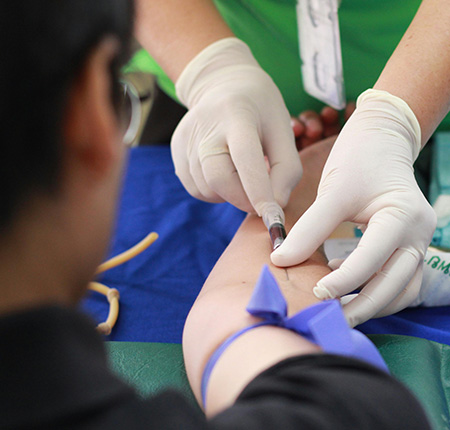
Any significant blood loss – whether obvious or hidden – can cause iron levels in the body to fall. People who donate blood, have frequent nosebleeds, suffer from heavy periods or have undergone major surgery, as well as those with gastrointestinal bleeding (for example from stomach or intestinal ulcers), are susceptible to iron deficiency.
In the case of injuries, trauma or other conditions that lead to the loss of large volumes of blood, the body rapidly uses up its iron reserves to produce new red blood cells. If dietary intake isn't sufficient, a deficiency develops.
Iron deficiency caused by malabsorption
Even when dietary intake is sufficient, the body sometimes can't absorb iron efficiently.
Iron is absorbed mainly in the upper part of the small intestine. If this area is compromised, proper absorption can be impaired. This phenomenon occurs above all in people who have had bariatric surgery or who suffer from conditions such as coeliac disease, irritable bowel syndrome, autoimmune gastritis or a Helicobacter pylori infection.
Excessive consumption of coffee, green tea or calcium-rich foods can also reduce the body's ability to absorb iron efficiently.
Iron deficiency and a vegetarian / vegan diet
A vegetarian or vegan diet doesn't automatically mean iron deficiency. If you make conscious dietary choices and include sufficient iron sources, you can maintain optimal levels on this kind of diet too.
It is true, however, that non-haem iron from plant sources such as beans, lentils, spinach or kale is harder to absorb than the haem iron found in meat. This is why vegetarians and vegans may be more susceptible to iron deficiency.
The risk can nonetheless be reduced with careful meal planning – for instance by including pulses, fortified cereals, seeds, nuts and vitamin C-rich foods, which help the absorption of iron from plant sources.
Iron deficiency – symptoms
Iron deficiency develops gradually, and the first symptoms are easily overlooked. For a while the body tries to compensate for the shortfall, but the more the stores are depleted, the clearer and more troublesome the signs become. Fatigue, weakness and dizziness appear, and in advanced stages iron deficiency anaemia can develop.
The signs of iron deficiency vary according to the severity of the shortfall, your age and your general state of health. Here are some of the most common symptoms:
- Fatigue, weakness, difficulty concentrating: the lack of oxygen in tissues and muscles can cause chronic fatigue and rapid exhaustion after exertion.
- Pallor, dizziness, headaches: if haemoglobin is lacking in the red blood cells, the blood and brain receive less oxygen – which can lead to pallor (or a yellowish skin tone), dizziness and frequent headaches.
- Racing heart, breathlessness: the heart has to work harder to pump the blood and compensate for the lack of oxygen, which can lead to an accelerated heartbeat and palpitations even on mild exertion.
- Brittle nails, hair loss, dry skin: if iron – which contributes to cell regeneration and collagen formation – is lacking, skin, hair and nails are visibly affected.
- Restless legs syndrome: the sensation of discomfort, tingling or the constant urge to move your legs is a disorder linked to low dopamine levels in the brain – the regulation of which depends in part on iron.
- Particular concerns in children and pregnant women: in children, iron deficiency can lead to growth problems, learning difficulties and a weakened immune system; in pregnant women it can increase the risk of premature birth and low birth weight.
How is iron deficiency diagnosed
Iron deficiency can't be diagnosed on the basis of symptoms alone. These are taken into account, but thorough investigations are also needed. To confirm iron deficiency, the following blood values are among the key recommended tests:
- Haematocrit: to assess the number of red blood cells in the blood sample. Optimal values lie between 35–45% in women and 38–50% in men.
- Haemoglobin level: to determine the grams of haemoglobin per decilitre and therefore the oxygen content of the blood. Normal values are between 12–15.5 g/dl in women and 13.5–17.5 g/dl in men.
- Serum ferritin: this is the most important marker of the body's iron stores; low values confirm iron deficiency.
In certain cases, your doctor may recommend additional tests for a more precise assessment of iron metabolism.
Monitoring iron levels is especially important during pregnancy and in children, since the body's requirements increase considerably and the tendency towards deficiency is greater. In pregnancy, iron deficiency can affect the development of the foetus; in children it can affect growth and the ability to concentrate.
Iron deficiency – treatment
Once confirmed by the appropriate tests, iron deficiency is treated on medical advice – depending on its severity and its cause. The aim of treatment is to restore normal iron levels in the body and, where necessary, to treat the condition that triggered the imbalance.
The main treatment options are:
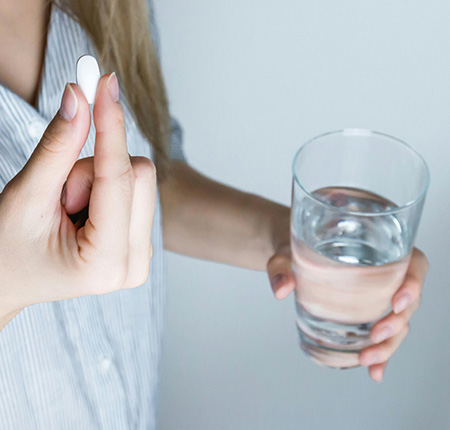
- Iron supplements: these can be taken orally in the form of tablets, capsules or syrup – alongside a nutrient-rich diet – and are the most common method of treatment. In severe cases, or where absorption in the gut is impaired, iron can be administered intravenously, but only on medical advice, in order to avoid side effects and overdosing.
- Treating the underlying cause: if the deficiency is caused by heavy periods, gastrointestinal blood loss or absorption disorders, these conditions must be treated to prevent the iron deficiency recurring.
- Precautions: too much iron can be toxic to the body and cause problems in the liver and other organs. Supplements should therefore never be taken without a blood test and without clear medical instructions.
Diet for iron deficiency
A balanced diet plays a decisive role in rebuilding iron stores. Choosing the right sources and certain food combinations can significantly improve absorption. People with iron deficiency are generally advised to do the following:
- Eat foods containing haem iron (more easily absorbed by the body, at roughly 15–35%): lean red meat, liver, kidneys, seafood.
- Eat foods containing non-haem iron (less well absorbed, at roughly 1–15%): pulses (lentils, chickpeas, beans), tofu, spinach, broccoli, seeds, nuts, quinoa, dried fruit.
- Combine them with vitamin C-rich foods (which can improve iron absorption): it's advisable to eat iron-rich foods together with citrus fruits, peppers, kiwi or berries, which are high in vitamin C.
- Limit foods that inhibit iron absorption: a high intake of calcium-rich foods such as dairy products, as well as excessive consumption of black or green tea, coffee and red wine, can negatively affect the body's ability to make use of dietary iron.
Complications of untreated iron deficiency
Although iron deficiency is considered the most common nutrient deficiency in the world, in most cases it is mild and causes no complications. If a severe deficiency goes untreated over the long term, however, it can affect general health, the cardiovascular system and the ability to concentrate.
The most common complications include:
- Severe anaemia: if the haemoglobin level falls drastically, the result is extreme fatigue, muscle weakness and poor stamina.
- Chronic fatigue: the poor oxygen supply to tissues leads to physical and mental exhaustion and affects quality of life.
- Cardiovascular problems: the heart has to pump more blood in order to transport oxygen – this increases the risk of a racing heart, cardiac arrhythmias and, in severe cases, heart failure.
- Complications in pregnancy: with a severe deficiency, the risk of premature birth, low birth weight or other postnatal complications increases. This is why most pregnant women take iron supplements on medical advice.
Growth delays in children: babies and children with severe iron deficiency may experience delays in growth and development, as well as increased susceptibility to infection.
Frequently asked questions about iron deficiency
Iron deficiency can be insidious – sometimes you only notice it when the tiredness becomes overwhelming or your blood values come back too low. If this sounds familiar, you may find the following section helpful. To help you better understand what iron deficiency means and how to deal with it, we've put together answers to the most frequently asked questions on the subject.
Which illnesses can lie behind an iron deficiency?
Iron deficiency often arises simply because your diet doesn't contain enough iron sources, or because your body's requirements increase (for example during pregnancy, while breastfeeding, or in competitive female athletes).
Equally, however, iron deficiency can also be the first sign that your body isn't processing nutrients properly and that a full medical investigation is needed. It can point to other conditions, including internal bleeding (stomach or intestinal ulcers), absorption disorders (coeliac disease, atrophic gastritis) or very heavy periods.
Who is at greatest risk of developing iron deficiency?
Those most at risk are women of childbearing age (particularly those with heavy periods), pregnant women, children and adolescents. People who follow a vegetarian or vegan diet, as well as those with digestive problems that impair nutrient absorption, are also more susceptible to iron deficiency.
How much iron should you get each day – by age and sex?
Daily iron requirements change over the course of a lifetime; they can be higher with significant blood loss and during periods of accelerated growth, and the recommended amounts differ between women and men. Below you'll find the general recommendations – but always speak to your doctor about advice tailored to your own needs.
- Babies (0–6 months): 0.27 mg
- Babies (7–12 months): 11 mg
- Children (1–3 years): 7 mg
- Children (4–8 years): 10 mg
- Children (9–13 years): 8 mg
- Adolescents (boys, 14–18 years): 11 mg
- Adolescents (girls, 14–18 years): 15 mg
- Adult men: 8 mg
- Adult women: 18 mg
- Women over 50: 8 mg
- Pregnant women: 27 mg
- Breastfeeding women: 8 mg
Can too much iron in the body be dangerous?
Although iron is indispensable for the body to function optimally, in excessive quantities it can become toxic. Iron supplements shouldn't be taken as a precaution, but only on medical advice. Excess iron can be deposited in organs such as the liver, heart and pancreas and cause serious illness.
Which foods should you avoid if you have an iron deficiency?
There are foods that can reduce the body's absorption of iron – especially when consumed in excess or alongside main meals. These include coffee, tea, alcohol and calcium-rich foods such as dairy products. You don't have to avoid them entirely because of an iron deficiency, though – it's more a matter of limiting your intake. If you're unsure, it's best to discuss it with your doctor and follow their advice.
How long does treatment for iron deficiency take?
The duration of treatment depends on the severity of the deficiency. As a rule, it takes 3 to 6 months for iron stores to be replenished; your doctor may, however, recommend continuing supplementation for a few more months to prevent a relapse.
How does vitamin C affect iron absorption?
Ascorbic acid, better known as vitamin C, plays a decisive role in iron absorption – particularly of non-haem iron (from plant sources). By forming a stable compound with iron, vitamin C keeps the iron soluble even in the alkaline environment of the small intestine, where absorption takes place. Put simply: vitamin C converts iron into a form the body can use more easily, and prevents it being lost during digestion.
How often should blood values be checked to monitor iron deficiency?
As a rule, follow-up tests are repeated 6–8 weeks after the start of treatment, in order to assess the body's response. In chronic cases, or for people at increased risk (pregnant women, adolescents, patients with menorrhagia), your doctor may recommend regular monitoring.
Is it safe to take iron supplements without medical advice?
Iron should only be taken on medical advice, as an excess can lead to poisoning and cause further health problems. What's more, the symptoms of iron deficiency can resemble those of thyroid or metabolic disorders, or of anaemia with other causes – only laboratory tests can confirm the diagnosis. The safest approach is to stick to the treatment and dosage recommended by your doctor, tailored to your actual needs.
Image source: Pexels.com

Medium, super or extra absorption

Low, medium or super absorption

Low or medium absorption


and happily breaking taboos!


