

Kegel exercises: how and why you should be doing them
Kegel exercises are targeted contraction and relaxation exercises for the pelvic floor muscles, developed in 1940 by the gynaecologist Arnold Kegel to treat bladder problems. They strengthen the muscles surrounding the bladder, womb and rectum, helping both women and men with urinary or faecal incontinence. They can also heighten sexual sensitivity and support pelvic floor health during pregnancy, after childbirth and through the menopause.
Kegel exercises for strengthening the pelvic floor muscles: how do they work and what do they help with?
You've probably heard of Kegel exercises: perhaps in connection with sexual health, or as a way to strengthen the pelvic floor muscles. Well, they help with both! Why? Find out everything about Kegel exercises in our article!
What are Kegel exercises?
In 1940, Arnold Kegel, an American gynaecologist, developed the exercises that would later bear his name – with the aim of helping women with bladder problems. Today, Kegel exercises are techniques that strengthen the pelvic floor muscles and provide better support for the internal organs: the urethra, the bladder, the womb (in women) and the rectum. Their purpose is to improve contractions and thereby help people (both women and men) who suffer from urinary or faecal incontinence.
The Kegel muscles (pelvic floor muscles) – where are they?
How do you identify the Kegel muscles?
You can locate these muscles by trying to stop the flow of urine mid-stream. The muscles you use to do this are your pelvic floor muscles! That way you'll know what it feels like when they contract or relax. But be careful: this exercise shouldn't be repeated while urinating – it's purely a way of getting to know your muscles.
Kegel exercises should be done with an empty bladder, as otherwise the risk of urinary tract infections can increase.
Why do the pelvic floor muscles weaken?
Many factors can weaken the pelvic floor muscles; the main causes include:
- pregnancy
- childbirth
- surgical procedures
- age
- excessive straining due to constipation or a chronic cough
What happens when the pelvic floor muscles become slack?
The pelvic floor muscles can weaken over time and cause problems as a result. If one or more of the following issues sounds familiar, Kegel exercises could help you:
- You leak a few drops of urine when you sneeze, laugh or cough (stress incontinence)
- You feel a strong, sudden urge to urinate just before losing a larger amount of urine (urge incontinence)
- You leak stool (faecal incontinence)
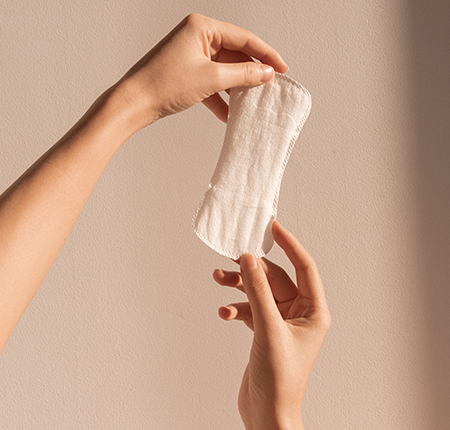
If you're dealing with urinary incontinence, a 100% organic cotton panty liner such as ENROUSH can help protect you from unwanted leaks – without the risk of irritation or allergies caused by chemical ingredients.
Kegel exercises – how are they done?
The right technique is crucial if you want to see the results you're after in the shortest possible time. And if you perform the exercises correctly, you'll avoid any potential negative effects on the pelvic organs.
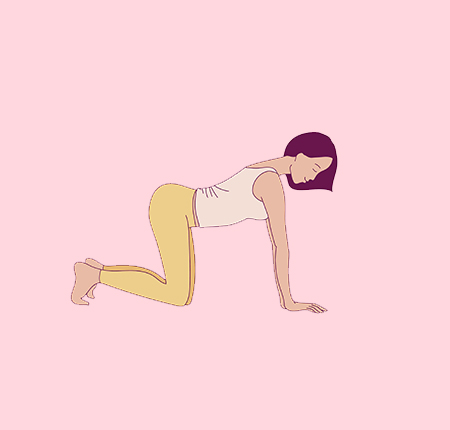
Essentially, it's a matter of following a few steps:
- First make sure your bladder is empty, then sit or lie down on your back
- Contract your pelvic floor muscles
- Hold the contraction and keep your pelvic floor in this position for 3–5 seconds
- Relax your muscles for another 3–5 seconds
How often should Kegel exercises be done?
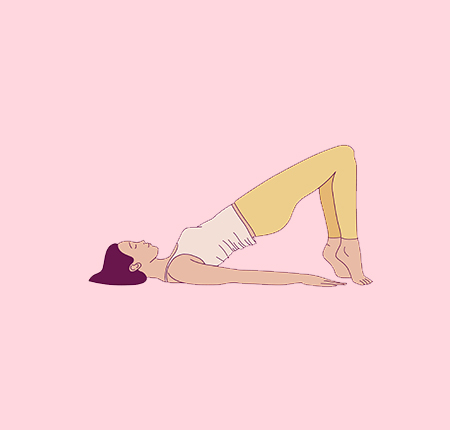
Once you've got used to the technique, you can do Kegel exercises three times a day with 10 repetitions each time. It's also important to breathe deeply and keep your body relaxed while you do them. The squeezing and lifting should happen without tensing your abdomen and without clenching your stomach, thigh or buttock muscles.
Although Kegel exercises can be done anytime, anywhere, you'll get the best results by sticking to a set routine (for example, morning, midday and evening). If possible, try to do the exercises at the same time each day.
Useful tips for doing Kegel exercises
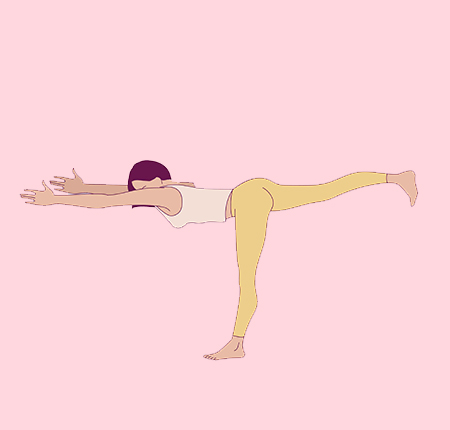
Here's how to build an effective Kegel routine that will help you in the long run:
- Learn to identify the pelvic floor muscles correctly
- Keep refining your technique
- Stay focused
- Breathe deeply and properly
- Repeat the exercises 3 times a day
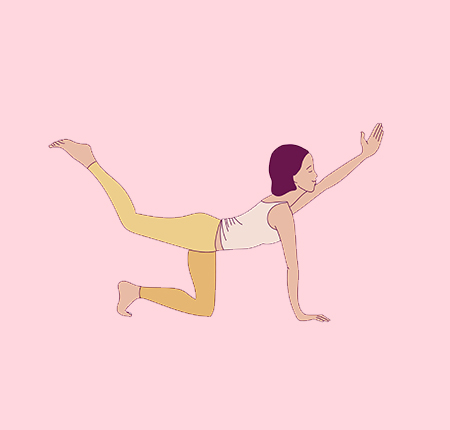
How long does it take to strengthen the pelvic floor muscles?
If you do Kegel exercises regularly, you can expect to see results within a few weeks (4–6 weeks). For lasting benefits, however, you should keep up a consistent daily routine.
The benefits and advantages of Kegel exercises for HER
The benefits of Kegel exercises for women include:
- strengthening of the vaginal muscles
- increased sensitivity and more intense orgasms
- relief from period cramps
- improved vaginal lubrication
- better health throughout the whole body
The benefits of Kegel exercises during pregnancy and after childbirth
Almost 70% of women experience urinary incontinence during pregnancy or after giving birth. Kegel exercises can therefore help you strengthen your muscles enough to prevent incontinence or put a stop to it. Doing them during pregnancy can also help you have an easier birth and prevent prolapse (the descent of the organs) in pregnancy, where the weight of the pregnancy can cause the bladder to slip out of position.
Kegel exercises during the menopause
After the menopause, muscle mass is gradually lost, and the pelvic floor muscles are no exception to this age-related decline. It's a natural process, but studies show that women are at greater risk of developing pelvic floor dysfunction, urinary incontinence, prolapse or faecal incontinence.
The good news: Kegel exercises can improve blood circulation in the pelvic area, which can contribute to better natural vaginal lubrication. What's more, regular training can even lead to more intense orgasms.
What are Kegel balls?
Kegel balls, also known as Ben Wa balls, have been used for centuries to strengthen the vaginal and pelvic floor muscles. They are small, weighted balls available in various sizes and made from a range of different materials.
But Kegel balls do more than just strengthen the pelvic floor muscles: they can be used as a sex toy and can heighten pleasure (by the way: read more here about how to choose the right sex toy!)

Kegel exercises for men: benefits and tips
Men with certain health or sexual concerns can also benefit from Kegel exercises. What are the advantages for men?
- They help improve incontinence
- They help relieve pain and swelling of the prostate
- They enhance sexual pleasure through better control over ejaculation
Are Kegel exercises good for the prostate?
Yes, Kegel exercises can help relieve the pain and swelling of the prostate that occur with prostatitis and benign prostatic hyperplasia (BPH).
Can Kegel exercises help with erections?
The effect of Kegel exercises on sexual health shows itself in better control over ejaculation. Practised regularly, they can also be effective for erectile dysfunction and thus support erections.

Medium, super or extra absorption

Low, medium or super absorption

Low or medium absorption


and happily breaking taboos!


