

Lower Abdominal Pain in Women – Why It Happens & How to Get Rid of It
Why does the lower abdomen hurt? As a woman, you may be so used to lower abdominal pain during your period that you no longer even stop to wonder where it actually comes from.
Yet pelvic pain doesn't always present in the same way, and it isn't a symptom linked exclusively to the menstrual cycle. Although women are affected more often, men can experience it too – triggered by many other conditions, some of them even serious. It's important not to ignore the symptoms and to see a doctor for a diagnosis and effective treatment. In this article we discuss pelvic pain in women, the possible causes and suitable treatment options.
What is lower abdominal pain in women?
Pelvic pain, that is, pain in the lower abdominal area, is a form of pain that occurs in the lower part of the abdomen, usually in the region of the reproductive organs (ovaries, cervix, womb, vagina and so on). It can be a symptom of inflammation or an infection of the urinary or reproductive organs, but it may also stem from a problem affecting the pelvic bone or other organs.
What is the pelvis?
The lesser pelvis is the lower part of the pelvic bone – a cavity in the lower abdomen that connects the trunk to the legs. It encloses and supports organs such as the bladder, the bowel and the reproductive organs.
Types of pelvic pain (pain in the lower abdomen)
Even though the same region is involved, pelvic pain doesn't always feel the same. Period cramps, for instance, don't have the same intensity and duration as pelvic pain resulting from appendicitis or a bowel problem. Depending on the severity and duration of the symptoms, pelvic pain falls into two categories: acute or chronic.
Acute pelvic pain
When the pain comes on suddenly and presents as stabbing sensations or severe pain, it is referred to as acute pelvic pain. It may also radiate to other areas of the body, but it usually lasts only a short time and responds well to treatment.
Chronic pelvic pain
If the pain persists for 6 months or longer and does not improve with treatment, it is considered chronic pelvic pain.
Living with such a persistent complaint over such a long period is exhausting and distressing – particularly as studies have shown that psychological factors such as stress and strong emotions can make the symptoms worse. That's why it is especially important to remain under medical supervision and to receive appropriate treatment.
Why does lower abdominal pain occur in women – causes
Because we're so used to the idea that cramps at various points in the menstrual cycle can cause pelvic pain without any cause for concern, we often automatically associate pain in the lower abdomen with period pain and assume it's normal.
In reality, however, menstruation and conditions of the reproductive system are not the only causes of pelvic pain. There can be many others, some of them even serious – so don't ignore the symptoms. The following additional conditions can cause pain in the lower abdomen in women:
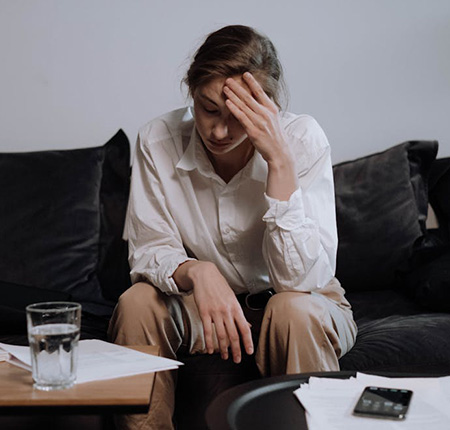
Pelvic pain caused by conditions of the digestive system
Numerous digestive conditions can present with inflammation and severe pain in organs within or near the pelvis, thereby becoming a cause of pelvic pain. These include:
- Appendicitis: inflammation of the appendix can cause severe abdominal pain, particularly on the right-hand side.
- Constipation: chronic constipation can, for example, last several weeks and trigger pelvic pain.
- Crohn's disease: presents with abdominal pain resulting from inflammation of tissue in the digestive tract.
- Diverticulitis: a painful inflammation of diverticula caused by a build-up of bacteria and stool.
- Bowel obstruction: a blockage of food or fluid in the small or large intestine can present as pelvic pain.
- Irritable bowel syndrome: a chronic condition that causes recurrent abdominal pain and digestive problems.
- Ulcerative colitis: an autoimmune condition that presents with ulcers and painful inflammation in the rectum and colon.
- Bowel cancer: a form of cancer that develops in the large intestine, in the area of the colon, and can cause severe pelvic pain.
Pelvic pain caused by conditions of the urinary system
Pain in the lower abdomen can also be triggered by a urinary tract infection or other conditions of the urinary system:
- Interstitial cystitis: affects the bladder and sometimes causes pelvic pain; also known as bladder pain syndrome.
- Urinary tract infection: an infection in any part of the urinary system.
- Kidney infection: occurs when bacteria travel from the bladder to the kidneys; it may affect just one kidney or both.
- Kidney stones: small crystals of minerals and salts that form in the kidneys when the urine is too concentrated.
Pelvic pain caused by conditions of the reproductive system
Last but not least, pain in the pelvic area in women can be caused by problems affecting the reproductive organs or by complications in pregnancy.
By this we don't mean mild, short-lived period cramps, which can be normal symptoms of menstruation or ovulation pain and can be eased with natural products for period care such as heat patches, along with pads and tampons made from 100% organic cotton. We're talking about severe pain that persists over longer periods.
The most common conditions of the reproductive organs that present with pain in the lower abdomen include:
- Adenomyosis: the growth of endometrial tissue into the wall of the womb, which can lead to very painful bleeding.
- Endometriosis: the growth of tissue similar to the lining of the womb outside the womb; it is the most common cause of chronic pelvic pain.
- Ovarian cysts: small, benign sacs filled with fluid or semi-fluid that form on the ovaries.
- Uterine fibroids: benign growths that develop in the uterine cavity, outside it, within the wall of the womb or in other areas of the womb.
- Pelvic inflammatory disease (PID): an infection of the genital tract affecting the ovaries, fallopian tubes and womb.
- Sexually transmitted infections: infections passed on through sexual contact.
- Vulvodynia: chronic pain in the vulval area, around the entrance to the vagina.
- Ovarian cancer: a form of cancer that develops on the ovaries.
- Extrauterine pregnancy: also known as an ectopic pregnancy – the fertilised egg implants and develops outside the womb; such a pregnancy cannot be carried to term.
- Miscarriage: the loss of a pregnancy before the 20th week of gestation.
- Placental abruption: the separation of the placenta from the wall of the womb before birth, accompanied by heavy bleeding and a reduced supply of nutrients and oxygen to the baby.
- Premature birth: when labour begins before term, that is, before the 37th week of pregnancy.
- Intrauterine foetal death: the death of the foetus in the womb.
Pelvic pain during the menopause
Pelvic pain also frequently occurs with the onset of the menopause.
As oestrogen levels fall, the pelvic floor muscles that support the bladder, womb and bowel begin to weaken. This often creates several points of pain, which can lead to tension in the pelvic floor muscles and therefore to pelvic pain.
Pelvic pain in pregnancy
Aside from the complications we've already discussed above, there are other situations in which pregnancy is accompanied by pelvic pain in some women. These are known as pelvic girdle pain.
Pelvic girdle pain presents as discomfort or pain in the lower pelvic area and the back. It occurs because the pelvic ligaments loosen during pregnancy and certain joints become more mobile – changes that can be painful.
As the baby develops, the pelvic pain may also radiate to the perineum (the area between the vagina and the anus) and the thighs.

Pelvic pain in women – accompanying symptoms
The intensity, location and nature of pelvic pain vary. Sometimes the pain is sudden and acute, like a stabbing or burning sensation. At other times it's a dull, moderate pain, like constant pressure or a knot. There are also cases in which the pain feels like a cramp that comes and goes – depending on the activity in question (for example, it intensifies during physical exertion, after sexual intercourse or after passing urine).
In addition to the pain in the lower abdomen itself, other symptoms may appear depending on the underlying condition. The most common symptoms accompanying pelvic pain include:
- Metrorrhagia: very heavy and persistent vaginal bleeding outside of menstruation.
- Menorrhagia: excessively heavy bleeding during your period; menorrhagia differs from a normal period in that the bleeding is unusually heavy over a prolonged period.
- Dysuria: pain or burning when passing urine.
- Abnormal vaginal discharge: discharge with an unusual appearance, smell or consistency.
- Disturbances in bowel function: often presenting as diarrhoea or constipation.
- Meteorism: commonly known as bloating.
- Rectal bleeding: bleeding from the anus.
- Pain during sexual intercourse
- Fever or chills
- Pain in the hip joint
How is pelvic pain diagnosed?
As there can be so many causes behind pelvic pain, it's important that you don't try to diagnose yourself. Discuss your symptoms with your GP – from there you'll be referred to a specialist who can carry out the necessary investigations.
The diagnosis of pelvic pain is made by a specialist, taking into account:
Medical history
The first step towards a diagnosis is a detailed medical history. This is where you tell the doctor everything about the location of the pain, how it presents, how severe it is, when it occurs and when it gets worse.
This is also the point at which you should mention whether you have any other conditions or have noticed any other unusual symptoms relating to your menstrual cycle, digestion or sexual health.
Clinical examination
The medical history is followed by a general and gynaecological examination, which can give the doctor clues as to the cause of the pain. On the basis of this clinical examination, the further tests and investigations required are then selected.
Laboratory tests and imaging investigations
Your specialist may recommend the following investigations and tests to diagnose pelvic pain:
- Blood and urine tests
- Stool test (to detect blood)
- Pregnancy test
- Culture of a vaginal swab (to detect sexually transmitted infections such as chlamydia or gonorrhoea)
- X-ray of the abdomen and pelvis
- Ultrasound (to examine the internal organs)
- Laparoscopy (to examine the pelvic and abdominal structures)
- Hysteroscopy (to examine the womb)
- Colonoscopy (to examine the rectum and colon)
- CT scan of the abdomen and pelvis
Pelvic pain – home remedies and treatment methods
The treatment of pain in the lower abdomen depends on several factors: the cause, the intensity and frequency of the pain, and the accompanying symptoms. The options include:
Medication for pelvic pain
Where pain results from an infection or inflammation, antibiotics and anti-inflammatories may be prescribed. If there is a hormonal cause, such as pelvic pain during the menopause, the doctor may prescribe hormone therapy.
Physiotherapy for pelvic pain
In some cases, physical therapy is recommended to relieve pain. Physiotherapy and exercise therapy use targeted exercises to improve blood circulation and strengthen the pelvic floor muscles, thereby reducing the discomfort.

Surgical treatment of pelvic pain
If the pain originates from a condition affecting the reproductive organs or other organs in the pelvic area (appendicitis, for example), surgery may be required.
Lifestyle changes
For chronic conditions that cause pain in the lower abdomen – such as menstrual cycle disorders or certain digestive complaints – treatment may involve adjustments to diet and lifestyle.
For instance, giving up tobacco, cutting down on caffeine and highly processed foods, eating a balanced, nutrient-rich diet and taking moderate exercise can all help to ease the pelvic pain typical of endometriosis or irritable bowel syndrome.
Psychotherapy
Over time, chronic pelvic pain can affect a patient's emotional and mental health. That's understandable, because living with constant pain is a strain and brings with it not only discomfort and stress but also many restrictions and medical requirements.
What's more, stress itself can be a factor that intensifies the pain or even triggers it in the absence of any other physical condition.
In such cases, treatment may include psychotherapy sessions to help the patient cope with stress and with living with a chronic condition.
Home remedies for pelvic pain
If the pain isn't caused by a chronic condition or no further treatment methods are needed – with period pain, for example – there are a few things you can do at home to ease the discomfort:
- Use heat therapy: a warm bath, a warm compress or a heat patch can relieve the pain.
- Do relaxation exercises: try different methods of reducing stress, such as meditation or yoga.
- Improve your diet: make sure you eat plenty of fruit and vegetables every day, along with nutrient-rich foods, to support digestion and reduce abdominal discomfort.
- Take gentle exercise: movement boosts blood circulation and can help to relieve pain.
Pelvic pain – possible complications
Pelvic pain itself has no complications other than developing into chronic pain lasting longer than 6 months. You should, however, see a doctor at the first sign of symptoms, as they can point to other conditions with potentially serious complications.
The pain may, for example, stem from appendicitis, which if left untreated can lead to peritonitis, a local abscess or a periappendicular mass. An untreated ectopic pregnancy can cause internal bleeding which, if not identified and treated in time, can even prove fatal.
Pelvic pain is just one of many symptoms. Yet every condition that may lie behind it can in turn have numerous complications. Don't wait for the situation to get worse. Speak to a doctor at the very first signs.
Pelvic pain – prevention
Pelvic pain and the conditions that cause it can't always be prevented. But you can lower your risk of health problems by taking several steps:
- Eat a balanced, high-fibre diet to support the health of your digestive tract.
- Choose physical activities suited to your age and physical capabilities to avoid excessive strain and injury.
- Attend routine check-ups regularly so that health problems are picked up early.
- Treat any condition promptly to avoid complications.
Frequently asked questions about pelvic pain in women
Haven't found all the answers you were looking for? In the following section we address the most common questions about pelvic pain in women:
Are natural treatments effective for pelvic pain?
If there's no serious cause behind the pain – with mild period pain, for example – a natural treatment using heat patches or warm compresses can be effective.
A natural remedy is never a substitute for medical advice, however, as home remedies aren't researched as thoroughly as medical treatments. The first step is therefore always a specialist examination; only try natural remedies after you've spoken to a doctor and received their recommendations.
What risks are associated with pelvic pain in pregnancy?
Although pelvic pain in pregnancy can be a normal symptom as the body changes and the joints in the pelvic area become more mobile, you shouldn't ignore it. It can also be caused by complications such as an ectopic pregnancy, miscarriage, placental abruption or premature birth – so speak to your doctor at the first sign of pain.
Is heat therapy safe during menstruation for relieving pelvic pain?
Yes, heat therapy can effectively relieve mild and moderate period cramps. Enroush heat patches, for example, contain 100% natural ingredients that activate on contact with air and release a constant warmth. This helps to improve the oxygen supply to the muscles of the womb and reduces painful contractions for up to 8 hours – completely naturally.
When should you see a specialist about pelvic pain?
Contact your doctor as soon as the pain appears. There are a great many possible causes, which is why self-diagnosis is inadvisable. Book an appointment as soon as you can so that you receive an accurate diagnosis and effective treatment.
How long does chronic pelvic pain last?
Pelvic pain is considered chronic when it doesn't respond to treatment and persists for 6 months or longer.
Image source: Pexels.com

Medium, super or extra absorption

Low, medium or super absorption

Low or medium absorption


and happily breaking taboos!


