

Magnesium: How Magnesium Affects Menstrual Health
Every woman experiences her period differently – and a whole host of factors play a part. How heavy the bleeding is, whether cramps occur and how the cycle feels overall all depend on hormonal fluctuations, diet, activity levels, stress and much more. But did you know that magnesium also plays an important role?
The level of magnesium in your body is crucial to how you feel during your period. Studies over the years have shown that magnesium supplements can help to relieve symptoms of premenstrual syndrome (PMID: 22069417) as well as menstrual cramps (DOI: 10.15296/ijwhr.2023.25), among other benefits.
In this article you'll find out everything about how magnesium affects your menstrual health, what functions it performs in the body and which foods it occurs in naturally, so you can easily work it into your diet.
What is magnesium
Magnesium is an essential mineral that the human body needs in fairly large amounts in order to function at its best. It is involved in more than 300 enzymatic reactions that are important for regulating numerous biochemical processes in the body – including protein synthesis, the regulation of blood pressure and blood sugar, muscle and nerve function, and electrolyte balance.
A magnesium deficiency has been linked to a range of health complaints. That's why experts recommend an adequate intake – both from foods in which magnesium occurs naturally and from fortified products or supplements.
Beyond this, the body needs magnesium to produce energy and to actively transport calcium and potassium ions across the cell membrane, so that the impulses required for muscle contraction and a normal heart rhythm can be generated.
The role of magnesium in the body
Because magnesium is involved in so many biochemical processes and reactions, it performs numerous jobs that keep the body healthy. Its most important functions include:
- It regulates blood pressure
- It maintains bone and muscle health
- It actively transports calcium and potassium ions across the cell membrane
- It supports cardiovascular health
- It promotes digestive function
- It supports respiratory function
- It is involved in carbohydrate metabolism
- It helps regulate sleep, reduce stress and combat fatigue
- It supports the immune system
Natural sources of magnesium
Magnesium occurs in nature – and that's precisely how it was discovered: in the Greek region of Magnesia, from which it takes its name. In 1755 it was finally described as a chemical element.
Magnesium is found naturally in soil, in sea water, in living organisms (by quantity it is the eighth most abundant chemical element in the human body) and in various foods such as nuts, seeds, leafy green vegetables, fruit and wholegrain products. The most accessible and significant magnesium-rich foods include:
- Almonds (~80 mg per 30 g serving)
- Spinach (~78 mg per 100 g serving)
- Cashew nuts (~74 mg per 30 g serving)
- Peanuts (~63 mg per 30 g serving)
- Soya milk (~61 mg per 230 ml serving)
- Black beans (~60 mg per 85 g serving)
- Edamame (~50 mg per 85 g serving)
- Peanut butter (~49 mg per 30 g serving)
- Avocado (~58 mg each)
- Potato with skin on (~43 mg per 100 g serving)
- Cooked brown rice (~42 mg per 100 g serving)
- Fat-free yoghurt (~40 mg per 200 g serving)
- Porridge (~26 mg per 100 g serving)
- Banana (~32 mg per medium banana)
If a higher amount is needed (for example in cases of deficiency, during pregnancy or to manage severe PMS symptoms), this mineral can also be taken in the form of magnesium supplements.
Magnesium deficiency and its symptoms
A magnesium deficiency is known as hypomagnesaemia and can arise for a variety of reasons – not simply from an inadequate intake. A magnesium shortfall may occur, for instance, as a result of excessive alcohol consumption or as a side effect of certain medicines, treatments or conditions (such as diabetes, gastrointestinal disorders and so on).

Although many people take in too little magnesium, a deficiency can go unnoticed because there are no obvious symptoms. However, if the shortfall is pronounced and symptoms do appear, they may include:
- Fatigue
- Loss of appetite
- Migraine
- Muscle cramps
- Anxiety
- Sleep problems
- Numbness
- Irregular heart rhythm or palpitations
There are studies linking magnesium deficiency with an increased risk of conditions such as type 2 diabetes, Alzheimer's disease, migraine and cardiovascular problems.
Without symptoms, though, it's difficult to tell whether you have a magnesium deficiency – so taking supplements without being tested first may be of no benefit at all. This makes it all the more important to check your levels through regular blood tests and always speak to your doctor before starting a supplement.
The benefits of magnesium for women's health
As well as supporting normal bodily functions, magnesium plays a particular role in women's health.
According to studies, women with dysmenorrhoea (severe menstrual cramps) or marked premenstrual syndrome reported relief from their symptoms after taking magnesium. Below you'll find out what benefits magnesium offers for menstrual health and how it works.
Magnesium for premenstrual syndrome (PMS)
Premenstrual syndrome is real and encompasses numerous physical and emotional changes that around three in four women experience at least once before their period. If you'd like to learn all about PMS, we've covered the topic in detail in a blog article. In short, it can bring bloating, cramps, breast pain and, above all, mood swings before your period.
According to recent studies, magnesium plays an important role in regulating serotonin levels (a hormone crucial to emotional balance). Supplementing with magnesium and vitamin B6 can ease PMS symptoms such as:
- Bloating
- Abdominal cramps (particularly with dysmenorrhoea, i.e. very severe period pain)
- Breast tenderness
- Irritability
- Mood swings
Magnesium during menstruation
Researchers have examined the effects of taking magnesium daily not only before but also during menstruation. The findings show a clear easing of period-related symptoms:
- Menstrual cramps subside, as magnesium reduces inflammation and promotes muscle relaxation.
- Headaches diminish, as magnesium helps to relieve migraine symptoms.
- Mood swings are less pronounced, thanks to magnesium's positive effect on serotonin levels.
So if you struggle with difficult periods, you can talk to your doctor about whether magnesium supplementation might help ease your symptoms. It's also worth using 100% organic pads and tampons – they're hypoallergenic and far gentler on the skin, so your period is as comfortable as possible.
Magnesium improves sleep quality
GABA, a neurotransmitter involved in regulating sleep, can be activated by magnesium. Having sufficient magnesium in the body can therefore contribute to better sleep and support a restful seven to nine hours, as studies show.
Magnesium helps reduce stress and anxiety
Research has linked low magnesium levels with higher levels of anxiety, depression and stress (including before menstruation), because magnesium influences how the body responds to stress. Magnesium also supports brain activity and encourages the formation of synapses between nerve cells – giving it an important role in preventing and relieving anxiety, fatigue and stress.
How to include magnesium in your daily diet
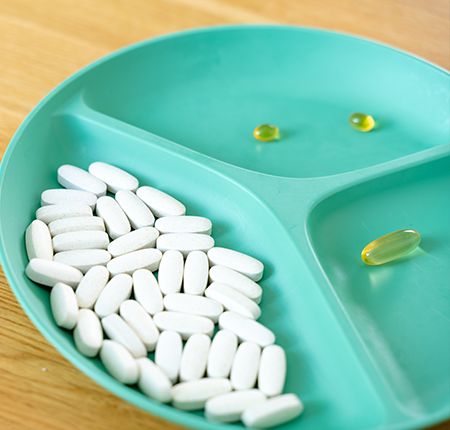
To ensure an adequate daily intake, you can get magnesium primarily through your diet – and, if necessary, top it up with supplements (though only on medical advice and after appropriate blood tests).
As a general rule, fibre-rich foods also contain magnesium. So try to eat plenty of foods such as wholegrain products, oats, nuts, seeds, beans and edamame. For optimal magnesium intake you should also include leafy green vegetables, fruit, vegetables and low-fat cheese or yoghurt in your diet. Avoid drinking alcohol to excess, as this can have a negative effect on absorption.
At the same time, avoid eating magnesium-rich foods in excess. While an optimal level is healthy, too high an intake can upset the body's mineral balance and cause symptoms such as nausea, dizziness, vomiting and muscle weakness. With extremely high magnesium levels, muscle paralysis or cardiac arrest can even occur.
<h2> The recommended daily dose of magnesium </h2>
The recommended daily dose of magnesium varies from person to person. In general, an adult woman needs 310–320 mg, while an adult man needs 400–420 mg.
These figures vary according to age, sex and other factors such as pregnancy or PMS in women, when requirements may be slightly higher. The recommended daily doses are therefore:
- up to 6 months: 30 mg
- 7–12 months: 75 mg
- 1–3 years: 80 mg
- 4–8 years: 130 mg
- 9–13 years: 240 mg
- Girls, 14–18 years: 360 mg
- Boys, 14–18 years: 410 mg
- Women, 19–30 years: 310 mg
- Men, 19–30 years: 400 mg
- Women, 31–50 years: 320 mg
- Men, 31–50 years: 420 mg
- Women over 51 years: 320 mg
- Men over 51 years: 420 mg
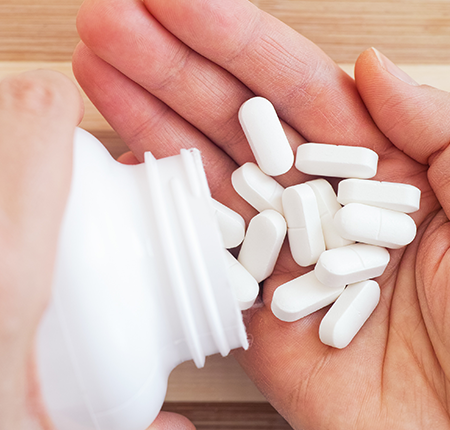
In particular cases such as premenstrual syndrome or dysmenorrhoea during menstruation, an additional intake of 200–400 mg of magnesium per day may be recommended to ease symptoms. To avoid side effects, the dose taken via supplements should not exceed 350 mg per day; the remainder should come from your diet.
Frequently asked questions about the effects of magnesium on menstruation
If you have further questions about how magnesium affects menstruation, you'll find our answers below. We've addressed some of the most common questions on the subject:
How does magnesium help relieve menstrual cramps?
Magnesium can ease menstrual cramps because it encourages the uterine muscles to relax while also lowering levels of the prostaglandins responsible for period pain.
Can magnesium help with the symptoms of premenstrual syndrome (PMS)?
Yes, studies confirm magnesium's positive effect on PMS symptoms, particularly mood swings and low mood – thanks to its influence on serotonin levels.
Which form of magnesium is most effective for relieving period symptoms?
According to a recent study from 2024 (DOI: 10.15296/ijwhr.2023.25), taking magnesium stearate for one month at doses of 150 mg and 300 mg proved effective at relieving period pain (at both dosages).
Generally, however, doctors recommend a combination of magnesium citrate, magnesium glycinate and magnesium malate in order to make the most of this mineral's benefits for PMS symptoms and period-related complaints.
How much magnesium should I take to relieve period symptoms?
If tests show a magnesium deficiency, you should first check whether you're meeting the daily requirement for your age – around 310–320 mg for an adult woman.
If your magnesium level is already optimal and you still suffer from severe period symptoms, speak to your doctor. Depending on your state of health, they may recommend a daily intake of around 200 to 400 mg, or arrange further tests to find the cause of your symptoms.
When should I start taking magnesium to prevent PMS symptoms?
For magnesium to genuinely have an effect on PMS symptoms, it is recommended that you take it daily from at least one week before your period until the end of your cycle.
Can magnesium also help with other period-related complaints such as headaches or migraine?
Yes, magnesium oxide is often used to treat headaches and migraine. It provides magnesium ions that block the brain signals which trigger a migraine.
Are there any risks to taking magnesium during menstruation?
In principle, taking magnesium during menstruation is safe, as long as you don't consume it to excess. In excessive amounts it can cause diarrhoea and a drop in blood pressure, which can be particularly dangerous if you have digestive or cardiovascular problems. If you have any such conditions, your doctor should be aware of them when you discuss magnesium supplementation.

Medium, super or extra absorption

Low, medium or super absorption

Low or medium absorption


and happily breaking taboos!


