

Nausea during pregnancy
Morning sickness in pregnancy: when it starts – and what helps
If you're pregnant, feeling queasy all day long and every strong smell turns your stomach, then welcome to the club! Around 7 in 10 women experience nausea and vomiting during pregnancy, according to a study by the University of Cambridge.
Pregnancy sickness, also known as morning sickness, is one of the most common complaints in the first trimester. The first signs can appear 4 to 8 weeks after your last period and usually disappear by the second trimester.
Although the name suggests the nausea only strikes in the morning, you may in fact feel it at any time of day. Symptoms vary from woman to woman and can affect how you feel and how you eat. Some have only occasional mild nausea, while others battle severe, persistent bouts of vomiting every day.
In 1 to 3 out of every 100 pregnancies, the discomfort becomes so severe that it can threaten the life of both baby and mother. In these cases, intravenous fluids are needed to prevent dangerous dehydration. As part of the Cambridge research, scientists also discovered a possible explanation for these symptoms – you'll find out more about this later in the article when we look at the causes of pregnancy sickness.
What is nausea in pregnancy?
Pregnancy sickness is a gastrointestinal symptom that commonly affects pregnant women. It's often the very first sign of pregnancy you notice. It manifests as a feeling of queasiness, which may or may not be accompanied by vomiting, and can affect both your appetite and your energy levels.
So why do you feel this nausea? The most common explanation lies in the hormonal changes taking place in your body. Pregnancy hormones such as oestrogen and hCG (human chorionic gonadotropin) rise sharply in the first few weeks and can affect the nausea centre in the brain.
Some theories suggest these symptoms serve a protective function: they cause you to expel certain foods and automatically develop an aversion to them – foods, that is, which could endanger the embryo's development during the period of organ formation. The fact that women with morning sickness appear to have a lower risk of miscarriage lends support to this hypothesis.
For most women, then, these symptoms are unpleasant but entirely normal – and not linked to a poor pregnancy outcome. There are exceptions, however, when the nausea becomes so severe that you're eating and drinking too little. In such cases, medical care is needed to prevent severe dehydration.
How common is nausea in pregnancy?
Pregnancy sickness is very common. Around 70 to 80% of all pregnant women experience such symptoms, particularly in the first trimester. They begin roughly 4 to 8 weeks after the last period and usually subside by the second trimester.
Common as morning sickness is, every woman experiences it differently. Some have only mild, occasional episodes, while others contend with daily – and even nightly – nausea that significantly disrupts everyday life.
The intensity of symptoms can even vary from one pregnancy to the next. If you had moderate nausea in your first pregnancy, for example, it may be milder, more severe or entirely absent in your second.
The difference between normal nausea and hyperemesis gravidarum
In most cases, pregnancy sickness is mild to moderate and can be managed well with small adjustments to diet and lifestyle. It doesn't significantly disrupt your usual routine and is no serious cause for concern.
There is, however, a severe form known as hyperemesis gravidarum. It involves vomiting so frequent that you can keep neither food nor fluids down – with a risk of dehydration and electrolyte imbalance. Hyperemesis gravidarum leads to weight loss and can affect the health of both mother and baby. It therefore requires medical attention and treatment.

When does nausea in pregnancy begin?
Nausea often sets in shortly after implantation, as the body starts producing ever greater quantities of pregnancy hormones.
Human chorionic gonadotropin (hCG), for instance, rises rapidly in the first weeks of pregnancy, doubling every 48 to 72 hours during the first 8 to 10 weeks. This surge acts on the receptors in the brain responsible for vomiting and slows digestion.
In those early weeks, you may therefore find yourself more sensitive to certain smells or foods, experiencing nausea that develops gradually and initially intensifies as the pregnancy progresses.
The first signs of pregnancy sickness
At first, the signs of morning sickness can be quite subtle. Your stomach feels more sensitive, you suddenly develop aversions to dishes you used to enjoy, and you react more strongly to smells that wouldn't normally have bothered you. All of this can occur before you feel the actual nausea.
In which week does nausea usually appear?
Nausea usually begins between weeks 4 and 6 of pregnancy. During this time, hormone levels rise rapidly and symptoms may steadily intensify. For some women, the nausea comes on suddenly – at some point between weeks 4 and 8.
When are symptoms at their worst?
As a rule, nausea peaks between weeks 8 and 12. This period coincides with the particularly high levels of pregnancy hormones, which can intensify symptoms.
In a study published in a medical journal and available on PubMed Central, researchers observed that the likelihood of nausea is lowest in weeks 2 and 3, increases from week 4 onwards, and is highest in weeks 5, 6 and 7.
They also found that nausea occurs most frequently in the morning and may show a slight secondary peak in the evening. Although it remains present throughout the day, the intensity is generally lower.
How long does nausea in pregnancy last?
Every time your stomach churns and you can barely face food, you're probably wondering: how long is this nausea going to last? The truth is that the answer is different for every woman. Symptoms may be fleeting and short-lived, or they may persist and even extend into the following trimesters.
The good news: in most cases, nausea improves and disappears completely by the second trimester. Symptoms typically begin in the first few weeks, reach a peak and then diminish once the body has adapted to the hormonal changes.
How long nausea lasts in the first trimester
The first trimester is the most challenging phase: this is when nausea is most common and usually most severe. It begins early, often between weeks 4 and 6, with symptoms subsequently increasing and peaking in the first months of pregnancy.
Why do symptoms disappear in the second trimester?
By the second trimester, hormone levels have stabilised and the body has had enough time to adapt to the pregnancy. This is why nausea usually eases or disappears altogether in the second trimester.
When nausea continues until the end of the pregnancy
There are, however, cases in which nausea doesn't disappear after the first trimester. In some pregnancies, symptoms persist across all three trimesters – particularly in multiple pregnancies, such as with twins or triplets, when hormone levels are higher, or when the patient is especially sensitive to pregnancy hormones.
Causes of nausea in pregnancy
In the first weeks of pregnancy, the body undergoes rapid and complex hormonal changes that bring about digestive adjustments and can affect your nervous system. Genetic factors and individual predisposition also play a part.
Until recently, the exact cause of pregnancy sickness was unknown, according to the University of Cambridge. It's thought not to stem from a single cause, but rather from a combination of factors, which we'll look at below.
Hormonal changes (hCG and oestrogen)
One of the main causes of nausea is the rapid rise in pregnancy hormones, particularly hCG and oestrogen. These hormones can affect the centre in the brain that controls nausea and vomiting – which is why the typical symptoms occur mainly in the first trimester.
A study published in Nature suggests that pregnancy sickness, including hyperemesis gravidarum, is more specifically linked to the hormone GDF15. Produced by the placenta and released into the mother's bloodstream, it acts on the brain to trigger nausea and vomiting.
How severe the symptoms are depends both on the amount of hormone released and on how sensitive each woman is to its effects.
All tissues produce small amounts of GDF15 outside pregnancy, and individual sensitivity decreases the more exposure a woman has had to it before pregnancy. Women with higher GDF15 levels before pregnancy therefore appear to have a lower risk of developing severe forms of nausea.
Heightened sensitivity to smells and tastes
Many women become markedly more sensitive to smells and tastes during pregnancy. Odours that were previously neutral can become intolerable, and you may suddenly develop aversions to certain foods. This hypersensitivity can be a major trigger for nausea.
Digestive changes and slower digestion
Digestion can slow down in response to the hormonal changes that occur over the course of pregnancy. Food is digested more sluggishly and reflux may occur – changes that can heighten feelings of nausea and abdominal discomfort.
Genetic and individual factors
A tendency towards nausea in pregnancy may also be genetic. Research involving women with severe pregnancy sickness shows that in 28% of cases their mothers also suffered from nausea or hyperemesis gravidarum while pregnant with them. So if your mother or grandmother experienced nausea and vomiting in pregnancy, there's a chance you will too.
What's more, some women are naturally more sensitive to hormonal changes – which is precisely why the intensity of symptoms varies so widely from person to person.
The role of stress and exhaustion
Stress and fatigue can intensify feelings of nausea, including during pregnancy. A nervous system that's already under strain may react more strongly to the changes you're going through once you become pregnant – which can increase your sensitivity and discomfort.
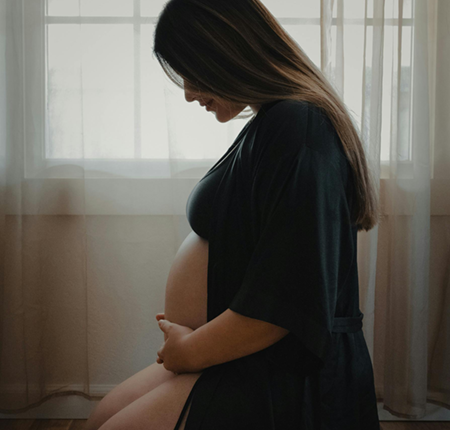
Symptoms of pregnancy sickness
According to the statistics, up to 90% of all pregnant women show symptoms of nausea and vomiting. In most cases these are mild to moderate, but their intensity can vary considerably from woman to woman.
From simple stomach pressure through to persistent vomiting with loss of appetite – the experience is different in every pregnancy. Studies show that these symptoms are part of a broad spectrum and that severe forms, known as hyperemesis gravidarum, can lead to dehydration and weight loss.
Persistent or occasional nausea
The most common symptom is nausea itself, which may either be constant throughout the day or come in episodes triggered by certain smells or foods. For some women it's just mild stomach discomfort; for others it becomes constant and impossible to ignore.
Vomiting
Nausea may be accompanied by vomiting, which can likewise be occasional – especially in the morning – or repeated in more severe cases.
In severe cases, vomiting may occur several times a day, which can lead to dehydration and weight loss.
Loss of appetite
Many women notice that nausea comes with a marked loss of appetite. Hunger occurs less often or disappears altogether, and food preferences change suddenly. Foods you previously tolerated well may become impossible to eat, while others trigger instant nausea.
Sensitivity to smells
Another common symptom is heightened sensitivity to smells. Strong odours can become hard to bear and trigger immediate nausea – even when they're familiar or ordinarily pleasant. This reaction is linked to the hormonal changes of pregnancy and to how your brain now processes stimuli.
Dizziness or weakness
In some cases, nausea is accompanied by dizziness, general weakness or feeling faint. This is often due to mild dehydration or a drop in blood sugar, particularly if the nausea is preventing you from eating enough.
Factors that can make nausea in pregnancy worse
Besides the causes already mentioned, there are other factors that can worsen your discomfort. When nausea is at its worst differs from pregnancy to pregnancy, but generally speaking symptoms are harder to bear in the following situations:
- An empty stomach, as a lack of food can intensify stomach discomfort
- Strong smells, especially perfumes and cooking odours
- Fatigue and lack of sleep, which can increase sensitivity to hormonal changes
- Eating certain foods, particularly fatty, heavily spiced or strong-smelling dishes
- Multiple pregnancy, as hormone levels are usually higher.
Remedies for nausea in pregnancy
Although pregnancy sickness is a common symptom, it can usually be eased with small adjustments to diet and lifestyle. These may not eliminate the discomfort entirely, but they can help you get through this phase more comfortably and take the edge off your symptoms.
Try eating smaller portions spread throughout the day to keep your blood sugar stable and reduce the nausea that an empty stomach makes worse. Also avoid fatty or heavily spiced dishes, which are harder to digest and can increase the risk of reflux.
Ginger and vitamin B are considered effective remedies for reducing nausea in pregnant women. Adequate fluid intake is very important for maintaining your body's electrolyte balance – all the more so if you're being sick. Natural juices, water or nutrient-rich fluids taken in small, frequent amounts are often better tolerated than large quantities at once.
And last but not least: rest. Tiredness and stress can intensify pregnancy sickness – restorative sleep and moments of relaxation will help ease your symptoms and make you feel better.
Foods that can ease nausea
When nausea affects your appetite, the body usually copes better with light, simple foods that don't overwhelm the stomach. Opt for easily digestible dishes in small, frequent portions and drink enough to stay hydrated.
Plain biscuits or toast
Plain biscuits and toast contain easily digestible carbohydrates that the body generally tolerates well. They're particularly helpful in the morning or between meals to avoid the sensation of an empty stomach.
Fresh fruit
When other foods are hard to tolerate, fresh fruit is an excellent choice: it provides plenty of vitamins and minerals while also contributing to your fluid intake. Slightly tart fruits are often especially well tolerated during this phase.
Light soups
Clear soups are gentle on the body, easy to digest and – depending on the vegetables used – rich in vitamins. You can have them in small portions, particularly on days when your appetite is low, to ensure adequate fluid intake.
Protein-rich foods
Protein-rich foods such as eggs, Greek yoghurt and lean meat help keep your blood sugar stable and reduce energy fluctuations throughout the day – which also eases feelings of nausea. Adequate protein intake is also crucial for a healthy pregnancy.
Lemon and citrus fruits
Lemon and other citrus fruits can be invigorating, stimulate digestion and, thanks to their fresh scent and tart taste, reduce feelings of nausea – a real relief for many women.
Scientists have also studied the effect of lemon scent in aromatherapy for pregnant women with nausea and vomiting, confirming that it can significantly ease symptoms.
Medical treatments for pregnancy sickness
If pregnancy sickness can't be managed through adjustments to diet and lifestyle, medical treatment may be needed to prevent complications. Specifically: if persistent symptoms are affecting your fluid intake and preventing you from eating properly, your doctor can recommend appropriate solutions that are safe for your pregnancy.
Anti-emetics that are safe in pregnancy
For severe nausea, antihistamines and anti-emetics can reduce feelings of sickness and the frequency of vomiting. It's important to take them only on your doctor's recommendation – depending on your stage of pregnancy and other health factors – to protect both your baby and yourself.
Medications recommended by your doctor
Depending on the severity of your symptoms and your individual needs, your doctor may recommend various anti-emetic combinations, sometimes alongside vitamin B6. The aim of these treatments is to reduce nausea more effectively and help you get through this phase more easily.
When hospital admission is necessary
In severe forms such as hyperemesis gravidarum, which can lead to significant dehydration and persistent vomiting, hospital admission may be required. This allows medical staff to monitor you and adjust treatment promptly to correct electrolyte imbalances.
Hyperemesis gravidarum – the severe form of pregnancy sickness
Hyperemesis gravidarum is the extreme form of pregnancy sickness and is considerably more intense than ordinary nausea. The symptoms aren't limited to mild discomfort but can affect your general wellbeing and your ability to eat and drink adequately.
What is hyperemesis gravidarum?
Hyperemesis gravidarum is a severe form of nausea and vomiting in pregnancy that goes far beyond the usual experience of morning sickness and, according to current data, is among the leading reasons for hospital admission during pregnancy.
The severe symptoms of hyperemesis gravidarum
The most common symptoms of hyperemesis gravidarum are frequent and persistent vomiting – sometimes several times a day –, dehydration caused by fluid loss, and weight loss because taking in fluids and food becomes so difficult.
Hyperemesis may also be accompanied by more serious manifestations, including:
- Ketonuria (ketones in the urine – substances produced when the body doesn't get enough energy from food and starts to "burn" fat).
- Orthostatic hypotension (a drop in blood pressure on standing up, which can cause dizziness or faintness).
- Wernicke's encephalopathy (a rare complication caused by vitamin B1 deficiency, which can affect the brain and cause confusion, or problems with coordination or vision).
- Electrolyte imbalances and other nutritional deficiencies.
Risks for mother and baby
If not treated appropriately, hyperemesis gravidarum usually leads to nutritional deficiency due to reduced food intake and to electrolyte imbalances caused by repeated vomiting. This can affect the mother's general health and the course of the pregnancy, which is why medical assessment and, in some cases, hospital admission may be necessary.
A case study, for example, describes the situation of a patient pregnant with twins at 12 weeks who presented with a potentially life-threatening form of hyperemesis gravidarum. Clinical and paraclinical investigations revealed severe hypovolaemic shock, electrolyte imbalances, malnutrition and acute kidney failure. The patient was treated in hospital for almost three weeks and the pregnancy was monitored until the birth of the twins.
Medical treatment
Treatment for hyperemesis gravidarum depends on the severity of symptoms, but usually involves intravenous fluids to rehydrate and restore electrolyte balance, as well as anti-emetic medication to reduce vomiting.

When to see a doctor about pregnancy sickness
Mild forms of nausea in pregnancy are generally normal and can be managed well at home. There are situations, however, in which symptoms go beyond a bearable level and can lead to dehydration or other complications – and that's when it's time to see a doctor.
Signs of dehydration
If your mouth feels dry or you notice that your urine is more concentrated – darker and smaller in volume – this may indicate dehydration. It's one of the first warning signs. Such symptoms point to inadequate fluid intake, so do discuss them with your doctor.
Significant weight loss
Rapid weight loss isn't normal in pregnancy and may indicate inadequate nutrition, particularly with severe nausea or frequent vomiting. Have yourself medically assessed and follow the advice given to avoid nutritional deficiencies.
Frequent and persistent vomiting
Daily episodes of vomiting are a sign that nausea has gone beyond the usual level – and that it's time to see a doctor. Repeated vomiting throughout the day can affect your hydration and food intake, posing a risk to your health and your baby's.
When you can't keep fluids down
If you can't even keep fluids down, the situation becomes more serious still. Being unable to tolerate water, other drinks or food increases the risk of rapid dehydration. Seek medical advice as soon as possible to find an effective way of managing it.
Tips for coping better with pregnancy sickness
Although you can't get rid of nausea in pregnancy entirely, certain habits can help reduce its intensity and make you feel more comfortable during this sensitive phase.
A morning routine to ease nausea
Mornings are when nausea is worst for most women – especially on an empty stomach. If you can, have a small snack while you're still in bed and before the nausea sets in. Then get up slowly to avoid sudden changes of position and improve your chances of a more bearable start to the day.
The importance of a balanced diet
Eating at regular times helps you feel more stable throughout the day. Try to plan small, frequent meals to avoid long periods of hunger and swings in blood sugar. Also opt for nutrient-rich foods such as fruit and vegetables, lean meat and complex carbohydrates, so you have a steady supply of essential nutrients.
Strategies for coping with smells
Sensitivity to smells is often what triggers nausea. Air your rooms frequently and avoid strong odours where possible to prevent episodes of sickness.
Emotional support and rest
How severe your symptoms are depends significantly on how stressed or exhausted you feel. Relaxation and stress-management techniques, along with support from your family and plenty of sleep, will help you feel better overall and cope more easily with pregnancy sickness.
Is it normal not to have nausea in pregnancy?
Every pregnancy is different, and whether or not nausea occurs depends largely on how each body responds to hormonal changes. The symptoms are certainly very common and usually normal, with no major negative impact on the baby's development. But their absence is equally normal and no cause for concern.
Differences between pregnancies
The experience can differ both from woman to woman and from pregnancy to pregnancy in the same person. Some women complain of severe, persistent nausea, even at night, while others have no digestive symptoms at all. Both can have a perfectly healthy pregnancy.
The role of hormone levels
An important factor in whether nausea occurs is how the body responds to pregnancy hormones. Individual variations in hormone levels and differing sensitivity to these hormones explain why some women feel no nausea at all while others suffer from it frequently.
When a lack of nausea is no cause for concern
If there are no other worrying symptoms, the absence of nausea is part of a normal pregnancy. Not every pregnancy causes the same symptoms, and the absence of this one isn't an indication of a problem, as long as your antenatal checks confirm a healthy pregnancy.
Frequently asked questions about nausea in pregnancy
Common as nausea is in the first trimester, it presents differently in every woman. If you're uncertain and still have questions about the causes, duration and management of nausea, the following section is for you. We've answered the most common questions about how pregnancy sickness affects you and how to get through this phase more easily.
Does nausea only occur in the morning?
No. Although it's called "morning sickness", it can occur at any time of day – even at night. For most women symptoms are indeed worse in the morning, but there are also cases where they persist all day long.
Does nausea affect the baby's development?
In most cases, ordinary nausea doesn't affect the course of the pregnancy. As long as you're drinking enough and getting sufficient nutrients, the pregnancy should progress normally.
Can I prevent pregnancy sickness?
There's no sure way to prevent nausea in pregnancy entirely. You can, however, reduce its intensity by eating small, frequent, balanced meals and avoiding strong smells or other triggers.
Are there effective natural remedies?
Yes, some women notice an improvement with natural remedies such as ginger tea or ginger water, adequate fluid intake and other small lifestyle adjustments.
In which week does nausea in pregnancy start?
Nausea generally appears between weeks 4 and 6 of pregnancy, when the body begins producing ever greater quantities of pregnancy hormones.
When does pregnancy sickness go away?
Symptoms usually improve by the second trimester, when hormone levels stabilise and the body has adapted to the changes.
What can I eat when I have nausea in pregnancy?
Light, easily digestible foods are recommended, such as plain biscuits, toast, clear soups or fresh fruit – in small, frequent portions.
Which medications are safe for pregnancy sickness?
Some antihistamines and supplements such as vitamin B6 can reduce nausea, but should only be taken on your doctor's recommendation and depending on the severity of your symptoms.
Is it normal to be sick every day in pregnancy?
Occasional vomiting can be normal. If it occurs daily, however, and affects your ability to eat and drink adequately, a medical assessment is advisable.
What's the difference between normal nausea and hyperemesis gravidarum?
Normal nausea is usually moderate and still allows you to eat and drink adequately. Hyperemesis gravidarum is a severe form involving intense nausea and frequent vomiting that requires medical treatment, as it can lead to dehydration and weight loss.
Image sources: Pexels.com

Medium, super or extra absorption

Low, medium or super absorption

Low or medium absorption


and happily breaking taboos!


