

Oestrogen – What is it? Types, Function & Risk Factors
How many times have you heard that teenagers' attitudes and behaviour are driven by hormones? Or that old cliché, "Your hormones are all over the place"? Even if such remarks are often made without much sympathy and with a negative undertone, there's a natural truth in them: hormones have a considerable influence on your body and your life.
Hormones control numerous bodily functions by sending signals to your organs, muscles and skin – and keeping them in balance is essential for your body to work at its best. The sex hormones in particular regulate your energy, your fertility and your sexual development (including puberty and menstruation). And that is precisely what oestrogen does, too – the hormone we'll be explaining in more detail in this article.
What is oestrogen?
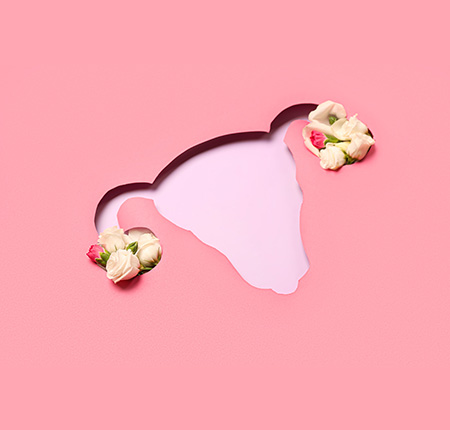
Oestrogen, also known as the female hormone, is a sex hormone whose main role lies in your sexual and reproductive development.
It fluctuates naturally throughout the menstrual cycle and declines during the menopause. When its levels rise, it triggers puberty in girls – breast development, the regulation of the menstrual cycle, the growth of pubic hair – and later influences fertility, pregnancy and the menopause.
In women, the largest amount of oestrogen in the body is produced in the ovaries.
Types of oestrogen
Because oestrogen plays such a complex role throughout the body, several types are distinguished. The two main categories are natural and synthetic oestrogen. These can in turn be divided into further subgroups. Let's take a look together.
Natural oestrogen
Natural oestrogen is the type a woman's body produces itself in the ovaries. There are three main types of natural oestrogen:
- Oestradiol (E2) – the most potent form of oestrogen and the main type the female body produces between the first and the last period.
- Oestrone (E1) – once the menopause begins, this becomes the most important – and the only – form of oestrogen a woman's body still produces.
- Oestriol (E3) – normally barely detectable in the body, it becomes the most important oestrogen produced during pregnancy – hence its nickname, the pregnancy hormone. It then reaches its peak and prepares the body for birth, breast development and the growth of the foetus.
In pregnant women there is also the natural production of oestetrol (E4) – a fourth form of oestrogen that is only detectable during pregnancy. It is produced in the foetal liver and passes through the placenta into the mother's bloodstream.
Synthetic oestrogen
Hormone therapy is frequently used both for contraception and for the treatment of menopausal symptoms. In these cases, synthetic oestrogen is administered.
This synthetic oestrogen is produced chemically and is found, together with progesterone, in the composition of contraceptives used to regulate the menstrual cycle, or in hormone tablets for women to treat menopausal symptoms.
What role does oestrogen play in the body?
Oestrogen's main job in the female body is above all to control the growth and function of the reproductive system. It is responsible for every stage of a woman's sexual and reproductive development – from puberty and menstruation through to pregnancy, birth and the menopause.
Beyond that, oestrogen is also important for other bodily systems: the urinary tract, the cardiovascular system and even mental health, bones, hair and skin.
Oestrogen during puberty
During puberty, oestrogen levels rise, and this change triggers the development of the secondary sexual characteristics.
All the physical, physiological, behavioural and emotional changes that occur during puberty are influenced by oestrogen levels – from breast growth and body hair in new places to a more feminine body shape and mood swings.
Oestrogen and menstruation
Along with progesterone, oestrogen also influences menstruation. When its levels drop, menstrual bleeding begins. An optimal oestrogen level is necessary for a regular cycle, while an irregular cycle can often point to low oestrogen. Be ready for your period at any time with healthy products – Enroush tampons and pads made from 100% organic cotton will see you through every phase of your menstrual cycle.

Fluctuations in oestrogen levels during your cycle are completely normal. It rises and falls naturally twice: it rises in the follicular and luteal phases and falls after ovulation as well as towards the end of the menstrual cycle. If you'd like to know more about the menstrual cycle – on the Enroush blog we've put together EVERYTHING you need to know about periods.
Oestrogen during ovulation
Oestrogen reaches its highest level in the days before ovulation – precisely when you are in the most fertile phase of your cycle. You'll find more information on what your fertile days mean HERE.
During these days, oestrogen makes cervical mucus thinner, so that sperm can pass through more easily and you can become pregnant. This small change, triggered by the rise in oestrogen, makes pregnancy more likely if you have intercourse during your fertile days.
Oestrogen during pregnancy
During pregnancy, oestrogen supports the baby's development and growth until the placenta takes over this role. After that, it continues to ensure the placenta functions properly and that the baby's organs develop optimally.
Oestrogen levels – like those of other hormones – rise in a woman's body as the pregnancy progresses, reaching higher values than at any point in the menstrual cycle. Oestrogen levels are usually at their highest in the third trimester. HERE we've discussed how the baby develops in each trimester and what changes occur in each week of pregnancy.
Oestrogen during the menopause
While so far we've only talked about natural oestrogen, during the menopause both natural and synthetic oestrogen come into play. At this stage, oestrogen levels drop dramatically, ovulation ceases and the type of oestrogen the body naturally produces changes.
Reduced oestrogen production can, however, trigger further symptoms, such as vaginal dryness, hot flushes or mood swings. Synthetic oestrogen can be used to relieve and treat these complaints – you'll find more detail on treating menopausal symptoms HERE.
Oestrogen in men
Oestrogen affects reproductive health in both women and men. It isn't just testosterone – oestrogen also influences men's sexual desire, their ability to get and maintain an erection, and sperm quality.
A low libido, for example, can be the result of low oestrogen levels. Infertility and erectile dysfunction, on the other hand, may be down to excessively high oestrogen levels. Gynaecomastia is also a response to an excessive amount of oestrogen in a man's body.
Organs influenced by oestrogen
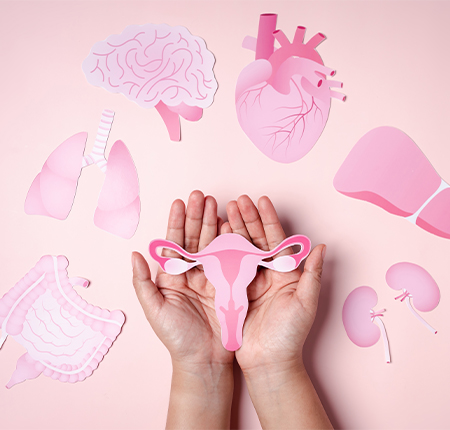
Oestrogen's role isn't limited to the workings of the reproductive system. It governs numerous other organs and influences how they function:
- Breasts – the formation of breast tissue as well as breastfeeding;
- Vagina – lubrication and maintaining the thickness of the vaginal walls;
- Ovaries – stimulating the growth of the follicles;
- Uterus – regulating mucus secretion and the uterine lining;
- Skin – collagen production as well as moisture content and hydration;
- Bones – supporting bone density and muscle health;
- Brain – supporting neuronal synapse activity and concentration.
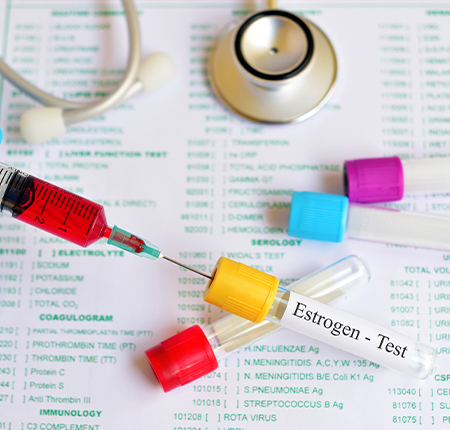
Oestrogen testing – when is it necessary?
The aim of an oestrogen test is to identify conditions caused by oestrogen levels that are too high or too low. Generally, your gynaecologist will order an oestrogen test in cases of:
- precocious puberty;
- delayed puberty;
- menstrual problems;
- infertility or difficulty conceiving;
- abnormal vaginal bleeding.
The test can measure any form of oestrogen in the body – whether oestradiol, oestrone or oestriol – by sending a blood sample to the laboratory. Urine or saliva tests are also possible. Testing is usually carried out during the luteal phase (day 19, 20 or 21), when hormone levels are at their highest.
Normal oestrogen values
Oestrogen fluctuations are normal both across a lifetime and within a single menstrual cycle. A rise in oestrogen during puberty or at ovulation is normal, as is its decline during the menopause. Problems arise when oestrogen levels remain persistently too high or too low.
Here are the normal oestradiol values by age and sex, measured in picograms per millilitre:
- Girls and adolescents: below 47 pg/ml;
- Adult women: 30 – 400 pg/ml;
- Women in the menopause: 0 – 30 pg/ml;
- Boys and male adolescents: below 28 pg/ml;
- Adult men: 10 – 50 pg/ml.
Low oestrogen levels
If tests show an oestrogen value below the normal range, this is referred to as low oestrogen. In girls who have not yet reached puberty this can be normal, just as it can be a sign that the menopause is approaching – in which case it is an entirely natural consequence of getting older.
It can, however, also point to other problems:
- delayed puberty;
- slow sexual development;
- an irregular menstrual cycle;
- fertility problems.
Symptoms of low oestrogen
Low oestrogen may be a normal stage in a person's development and life, or it may be the result of genetic conditions. Whatever the cause, the most common symptoms include:
- vaginal dryness;
- pain during intercourse;
- hot flushes;
- an irregular menstrual cycle;
- absence of periods;
- weakening of the bones and muscles;
- dry skin;
- breast tenderness;
- hypothyroidism;
- mood swings;
- fatigue;
- insomnia;
- depression;
- lack of sexual desire in men;
- excess fatty tissue around the abdomen in men.
Causes of low oestrogen
Low oestrogen can point to a wide range of hidden problems. The main causes of reduced oestrogen production include:
- the menopause;
- not having reached the age of puberty;
- nutrient deficiencies, anorexia or extreme dieting;
- being overweight;
- excessive exercise;
- autoimmune conditions;
- medicines or treatments that affect the ovaries;
- genetic conditions such as Turner syndrome;
- polycystic ovary syndrome.
Diagnosis & treatment – low oestrogen
Low oestrogen is diagnosed by measuring oestrogen in the blood, and the most common form of treatment is the administration of synthetic oestrogen. During the menopause and post-menopause in particular, hormone replacement therapy with oestrogen and sometimes progesterone helps to raise oestrogen levels and ease symptoms.
Hormone replacement therapy may also be an option for men, or more fats and other dietary adjustments can be introduced that have a direct effect on the body's oestrogen production.
What complications can low oestrogen cause?
If low oestrogen is left untreated, the main consequence is that the unpleasant symptoms simply don't go away. The complications of chronically low oestrogen also include:
- an increased risk of osteoporosis;
- disruptions to the menstrual cycle;
- problems with the reproductive system;
- sexual dysfunction;
- a negative impact on fertility;
- depression.
High oestrogen levels
If an oestrogen test shows a value above the normal range, this means there is excessive oestrogen production.
This phenomenon is also known as oestrogen dominance and can affect development, sexual function and the general health of both women and men. Studies show that overweight individuals are more susceptible to it.
Symptoms of high oestrogen
It's normal for oestrogen levels to be high shortly before ovulation. If the level remains persistently high, however, this can indicate other health problems, particularly involving the ovaries. The symptoms of high oestrogen include:
- precocious puberty;
- weight gain, particularly around the hips and waist;
- bloating;
- intensified premenstrual syndrome symptoms;
- an irregular cycle, heavy bleeding;
- swelling, tenderness and lumps in the breast;
- an enlarged thyroid;
- gynaecomastia in men;
- erectile dysfunction and infertility in men.
Causes of high oestrogen
High oestrogen is associated with a wide range of conditions – from polyps and fibroids to endometriosis and ovarian tumours. Oestrogen levels may also be high relative to progesterone, another sex hormone. The most common causes of excess oestrogen, however, are:
- medicines containing oestrogen;
- excess fatty tissue;
- chronic stress;
- aromatase excess syndrome, which in men converts testosterone into oestrogen.
Diagnosis & treatment – high oestrogen
Like any other oestrogen diagnosis, high oestrogen is identified through an oestrogen test. For treatment, your doctor may prescribe medication or recommend surgery, but in most cases they will first suggest lifestyle changes.
In both women and men, the aim is to reduce body fat and weight, manage stress, lower the fat content of the diet, increase fibre intake and cut down on alcohol.
What complications can high oestrogen cause?
Hormonal imbalance is the consequence of untreated high oestrogen, and the complications consist of a worsening of the symptoms already triggered by excessive oestrogen production:
- In women: breast lumps, lack of sexual desire, fatigue, uterine cancer;
- In men: growth of the chest muscles, gynaecomastia, reduced libido and infertility.
Which factors influence oestrogen production?
Several factors can influence oestrogen production, and we don't always have control over them – for instance when a rise or fall in oestrogen is a natural and normal response of the body to factors such as these:
- puberty;
- the menopause;
- pregnancy;
- childbirth;
- breastfeeding;
- genetic conditions;
- autoimmune conditions;
- advancing age.
There are also factors you can influence, however, in order to bring your oestrogen production into balance. Other factors that can affect oestrogen levels include:
- obesity;
- anorexia or extreme dieting;
- diet;
- taking various medicines such as steroids or oestrogen supplements.
Foods rich in oestrogen
Diet has a direct effect on oestrogen production. According to studies, a balanced, fibre-rich diet supports optimal oestrogen levels, while a diet with too much fat, sugar and heavily processed meat is linked to raised oestrogen levels.
Where oestrogen levels are low, on the other hand, both women and men are advised to eat foods containing oestrogen in order to reduce the risk of osteoporosis and support bone density. This means foods rich in phytoestrogens – that is, plant oestrogen – which can mimic the effects of oestrogen. The foods richest in phytoestrogens include:
- Linseed and sesame
- Nuts, soya and pulses
- Dried fruit and berries
- Red wine
- Garlic
- Coffee
- Cereals
Risk factors for insufficient oestrogen production
Among all the causes listed above that influence oestrogen production, there are certain risk factors that make the body prone to producing too little:
- being underweight;
- eating disorders;
- an underdeveloped thyroid;
- a family history of hormonal problems;
- chemotherapy or radiotherapy.
Risk factors for excessive oestrogen production
Equally, some people are prone to excessive oestrogen production when the following risk factors are present:
- excess fatty tissue and obesity;
- liver disease;
- excessive stress;
- hormone replacement therapy.
Side effects & risks of oestrogen
Like any other treatment, oestrogen therapy can have side effects. That's precisely why you should follow your doctor's instructions on how to take oestrogen medication correctly, if it is prescribed, in order to avoid the associated risks. The most common side effects identified by researchers include:
- blood clots, which can lead to a heart attack: the risk is increased.
- breast cancer and greater difficulty detecting it: the risk is moderate;
- cardiovascular disease: the risk is relative;
- birth defects in babies whose mothers previously received oestrogen treatment.
Frequently asked questions
As one of the most important sex hormones in both women and men, and at the same time one of the most significant female hormones, oestrogen can be a real challenge to get your head around. Because we want to help you get to know your body better, we answer the most common questions below.
Why is oestrogen so important?
Because it plays a role in the reproductive system of both women and men – and not only there. As well as its influence on puberty, menstruation, pregnancy, the menopause and the secondary sexual characteristics in women, oestrogen has a strong effect on other functions of the female and male body: from the cardiovascular system and cognitive health to bone density, skin, hair and other organs.
How can I maintain healthy oestrogen levels?
Not all risk factors can be controlled, but there are precautions you can take to keep your oestrogen levels as healthy as possible. An active lifestyle, a balanced diet, managing stress, getting enough rest and drinking alcohol in moderation are all good habits that support your general health and, with it, optimal oestrogen production.
What is the difference between oestrogen and progesterone?
Both are hormones with an important role in a woman's reproductive function. The difference: progesterone, which is produced in the corpus luteum of the ovaries, is considered the pregnancy hormone because it supports every stage of pregnancy, whereas oestrogen is produced in the ovaries and regulates the menstrual cycle.
In men, oestrogen influences the ability to get an erection and sperm production, while progesterone influences sperm quality and testosterone production.
How is oestrogen administered?
Hormone replacement therapy can be given both orally and non-orally. Oestrogen can therefore be taken in the form of medicines or phytoestrogen-rich foods, but also as an injection, gel, spray, vaginal pessary or patch.

Medium, super or extra absorption

Low, medium or super absorption

Low or medium absorption


and happily breaking taboos!


