

Postnatal care (after birth) – what to expect and helpful advice
Dear Mum, it's completely natural that caring for your baby comes first after the birth – but we'd like to remind you to look after yourself too. Only when you feel well can you be there 100% for your little one and give them the best care. Both your health and your baby's depend on how well you're feeling. That's why today we're talking about postnatal care: what to expect and which helpful tips will allow you to recover as effectively as possible.
Postpartum – what does it mean and how long does this period last?
The postpartum period (commonly known as the lying-in period) refers to the six weeks after the birth, during which the mother's body and all her organs return to their normal state – that is, how they were before pregnancy.
It begins immediately after the birth and can last up to 6 weeks, in other words until the menstrual cycle returns to normal. It's a time of recovery and healing that brings with it many physical and emotional changes. Changes that we'd like to explore as thoroughly as possible in this article, so that you're prepared and know what lies ahead.
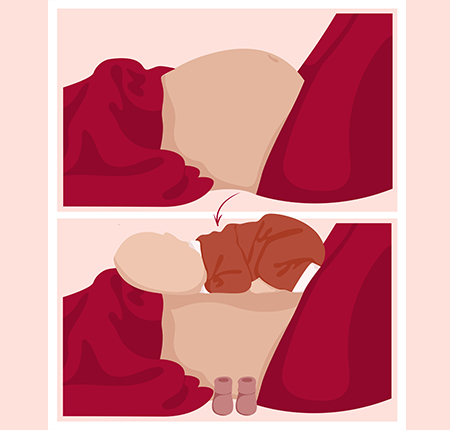
What to expect during the postpartum period depending on your type of birth
Depending on how you gave birth, the postpartum period unfolds slightly differently. Things such as the length of recovery and your hospital stay may differ after a natural birth compared with a caesarean section. Let's take a look at the main differences.
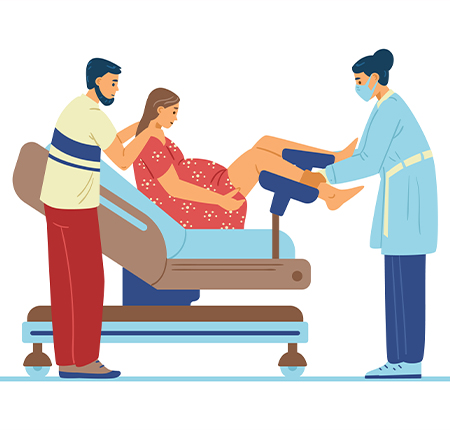
Postnatal care after a natural birth
Even though vaginal birth itself is more painful than a caesarean, your body recovers more quickly after a natural birth, and the recovery is less painful.
Depending on how you feel, you may be able to get up just a few hours after the birth. The sooner you get up after a natural birth, the better you can avoid potential complications. In an upright position, gravity helps your organs settle back into their natural place, and the body can more easily pass lochia and wind, so that bowel function gets going again.
At first you'll need a little support, but it gradually becomes easier. It's a good idea to have something to drink before getting up, to help prevent hypovolaemia. As a rule, the hospital stay after a natural birth is shorter, and recovery is often fully complete within 6 weeks at most.
Stitches after a natural birth
If you had an episiotomy during your natural birth – that small surgical incision made under local anaesthetic to prevent tears and damage to the perineum and to help the baby be born – the stitches afterwards are there to close the incision.
If you're wondering how and when the stitches dissolve after the birth: the suture material is absorbed on its own and relatively quickly, usually within 2 to 4 weeks. The wound itself, however, may cause you discomfort when walking or sitting. Tenderness and pain can last for several weeks, and even longer if the incision was large. Hygiene is particularly important during this time to prevent infection.
Cold compresses, keeping the area dry and pain relief (note: only after consulting your doctor, as it can affect breastfeeding) will help you ease the discomfort. If you notice unusual pain or odour, fever, a burning sensation when passing urine or any other atypical symptoms, speak to your doctor as soon as possible.
It's important to remember, though, that every body is different and heals at its own pace. So it's completely normal if your experience of a natural birth and these stitches looks rather different.
Postnatal care after a caesarean section
As mentioned above: even though there is little or no pain during a caesarean, recovery here is the most demanding – both in terms of the level of pain and how long it takes. Getting up happens in three stages: first sitting upright, then sitting on the edge of the bed, and only then standing up and taking your first steps – again, with support.
It can take 6 to 8 weeks to recover fully from the operation, and the hospital stay is longer than after a natural birth. On top of this there's the localised pain around the incision. Mothers who've had a caesarean are also advised not to bend over or lift anything heavy.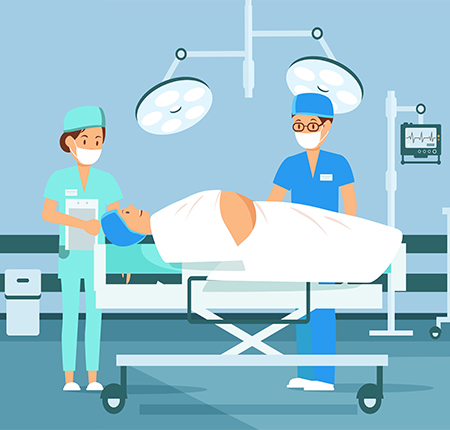
Aside from these particularities, the remaining postnatal symptoms are similar to those after a normal birth: pain in the vaginal area and throughout the body, enlarged breasts and vaginal bleeding.
What to expect immediately after the birth (in hospital)?
Straight after the birth you'll be monitored for at least an hour. This can extend to several hours if you've had an anaesthetic or if complications arose. Your temperature and pulse will be checked – it's normal for these to be outside the usual range in the first 24 hours after the birth (your pulse drops back to normal levels, your temperature is slightly raised). As a rule, all of this settles within a few days.
Throughout your hospital stay, the medical team is also there for you should the pain be very severe or the bleeding too heavy.
We know you want to recover as quickly as possible, hold your baby and go home. But it's important to have realistic expectations and be patient with yourself. Every body has its own pace of recovering and returning to its usual shape. The whole hospital stay is there to make sure your body is well on the way to a swift, complication-free recovery.
With that in mind, here's what you can expect immediately after the birth, during your hospital stay:
Bleeding
Bleeding after the birth is normal, but for doctors it's a priority to keep blood loss as low as possible and thus prevent anaemia. The better the uterus continues to contract, the more excessive bleeding can be avoided.
This is why a midwife or nurse may massage your abdomen regularly to stimulate uterine contractions, or you may be given oxytocin intravenously or intramuscularly until the uterus contracts.
Passing urine after the birth
It's normal to pass urine more frequently for a while after the birth. You may also not yet be able to feel when your bladder is full – which is why the medical team will encourage you to go to the toilet regularly, at least every 4 hours. This prevents the bladder from becoming overfull and the infections that can result. In this context, staff may also press gently on your abdomen to check whether your bladder has emptied completely.
If you're unable to pass urine, the bladder stays full – as mentioned – which can lead to complications. To avoid this, a catheter may be fitted temporarily until the bladder empties.
Avoiding constipation
The hospital staff will encourage you to open your bowels at least once before you're discharged. If your stay is shorter than 3 days, however, it's recommended that you use a laxative if you haven't had a bowel movement within 3 days.
It's crucial to avoid constipation after the birth, as it can cause or worsen haemorrhoids. Laxatives or stool softeners are given particularly if the muscles around the anus or rectum tore during the birth – this prevents pressure building up in that area.
Nutrition & movement
As a rule, you can return to your normal diet very soon after the birth and eat whatever you fancy. A balanced, light diet is of course advisable to avoid constipation or other digestive problems.
As for movement: as mentioned above, after a normal birth you should get up and walk around as soon as possible. The same applies after a caesarean, though there you should follow the three stages. As for exercise: only return to your usual workouts once your doctor gives the go-ahead.
After an uncomplicated vaginal birth you can usually start exercises to strengthen your abdominal muscles after just one day. After a caesarean, however, you need to give yourself time to heal. This means your doctor will most likely advise you to wait around 6 weeks before starting different forms of exercise.
Your tummy after the birth
The tone and shape of your abdominal wall were put under considerable strain during pregnancy – which is why a little tummy may remain after the birth (the "postpartum belly"). It's normal for it not to look the way it did before straight after the birth. Your body has been through – and is still going through – a great many changes, and stretch marks and a degree of slackness are completely natural.
They can be influenced by many factors: by breastfeeding, by hormonal fluctuations (oestrogen and progesterone), by fatty tissue, by water retention or by the stretching of the uterus. Yet these are precisely the same factors that bring your body back, during the recovery process, to a shape very close to the original.
How long it takes for your tummy to go back down and for tone to return varies from woman to woman and depends on:
- how toned your abdominal muscles were before pregnancy;
- how healthily you ate;
- whether you follow a specific exercise programme;
- how much weight you gained during pregnancy;
- what type of birth it was (caesarean or vaginal);
- whether there were complications during the birth or not.
Generally, though, the appearance improves within a few weeks of the birth, and after 6 to 12 months the tummy returns fully to its original shape. Gradually increasing exercise under professional guidance can speed up the process – but what matters most is being kind to yourself and giving yourself the time you need, without judgement. Your body has achieved something incredible, and it's normal for it to need time to recover fully.
How many days do you stay in hospital after giving birth?
Normally, if no complications arise, the hospital stay after a normal vaginal birth is at least 24 hours. Most mothers, however, stay around 2 days.
As recovery after a caesarean takes a little longer, the stay here averages 2 to 4 days. During this time you may be given medication for pain relief.
Throughout your stay the rule is: the sooner you get up and move about, the better complications can be avoided and the faster your recovery.
The postnatal period at home – what to expect
Being discharged from hospital doesn't mean you've healed completely – only that you're on the right path to a full recovery. So the same applies here, regardless of the type of birth: caring for your body must continue at home.
You can still expect many changes and experiences – physical as well as emotional. There are very likely to be medical restrictions too, so do discuss clearly with your doctor what you may and may not do.
Showering, for example, is allowed even after a caesarean – just take care to protect the area around the scar. Wash with gentle movements, from front to back, to avoid spreading bacteria. Baths, on the other hand, are only allowed once healing is fully complete. Likewise, vaginal douching and inserting tampons are off-limits until your doctor confirms that you've recovered fully. Sex is also generally avoided for the first 6 weeks.
Only your doctor can give you the best advice – tailored to your birth and to how your body is recovering. So speak openly with them and ask all your questions, because this is about your health and about being able to care well for yourself and your baby. Beyond that, we'll tell you below what else is normal during the postnatal period at home and what you can expect.
Postnatal depression
The whole experience of becoming a mum – from the moment you found out you were pregnant, through pregnancy and on to the birth – has been an emotional rollercoaster full of physical changes. After the birth your status changes too: at last you're a mum. That's no longer a thought about the future but the present. You become aware of just how much your little one depends on you – and this new status as a mother, the responsibility that comes with it and all these new feelings can be overwhelming.
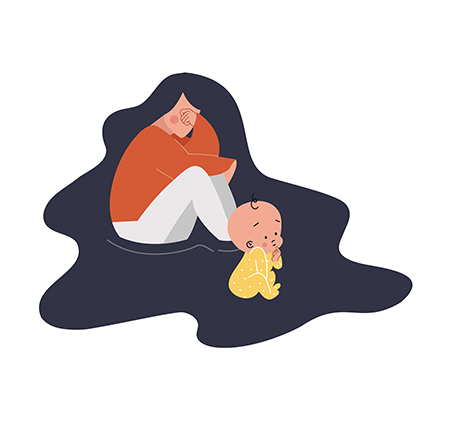
In the first days after the birth such emotions are completely normal, and you shouldn't worry about them too much. If the symptoms of postnatal depression persist for more than 2 weeks, however, and you feel you're losing interest in and energy for everyday life, for yourself and for your newborn, then it's time to seek professional help.
It's just as important to know that you're not alone. Postnatal depression and the so-called "baby blues" affect many parents. If you've experienced depression before, you're at greater risk – and with a little support it can be overcome.
Lochia (postnatal bleeding)
Lochia is the name given to the vaginal discharge that begins in the first days after the birth and can last for up to 4–6 weeks. Especially in the first few days it can feel like a heavier period, because it contains more blood. In fact, though, it's simply the remains of the womb lining mixed with blood – completely normal, as long as you don't notice very large blood clots and don't need to change your pad every hour.
A few things to bear in mind to look after yourself well during this time:
- Don't use tampons during the postnatal period: pads only, to reduce the risk of infection;
- Choose organic pads for the postnatal period that won't cause allergies or irritation: depending on how heavy your bleeding is, you can choose between three sizes of our 100% organic cotton pads – for natural, reliable protection.
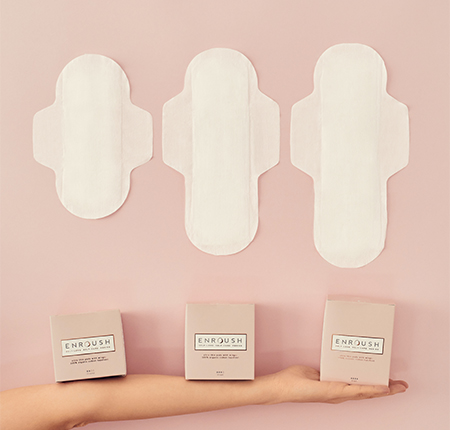
- Eat as many iron-rich foods as possible: green leafy vegetables (e.g. spinach), lentils, chickpeas, dried fruit and so on.
- If the discharge after the birth has an unpleasant smell, if large blood clots appear or if the bleeding is very heavy, contact your doctor immediately.
Pain in the vaginal area
Pain in the vaginal area after a natural birth is normal in the first 24 hours; cold compresses, creams or numbing sprays are often used for relief. This is all the more true if you had an episiotomy or sustained birth injuries – in which case the wound may remain noticeable for several weeks. A burning sensation when passing urine or tenderness when sitting are also possible.
After the first 24 hours, sitz baths may help, or rinsing the intimate area with lukewarm water 2–3 times a day to reduce tenderness and pain. If your doctor agrees, you can also use lavender oil or other alternative treatments for pain relief.
Breastfeeding
Depending on your situation and personal preferences, you can feed your baby at the breast or with a bottle. If you choose to breastfeed, doctors recommend exclusive breastfeeding for 6 months; after that you can gradually introduce other foods. During this time you can carry on breastfeeding until your little one loses interest.
How you latch your baby on is also very important. With an incorrect feeding position, or if your little one positions their lower lip wrongly, pain and cracked nipples can develop. In that case – and also when you want to end the feed – first slip your little finger into your baby's mouth to break the suction, and only then take them off the breast. This way you avoid injury.
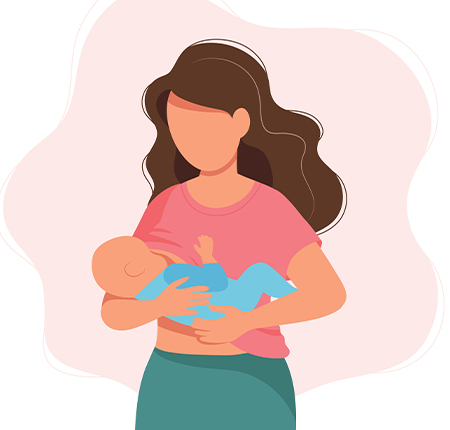
It's also normal for milk to leak after a feed – breast pads or special nursing bras help keep everything dry. Do make sure, though, to choose only organic cotton materials and not synthetic ones, as these can irritate the nipple. After feeding you can also use lanolin to ease soreness and protect the nipple.
Last but not least: throughout the breastfeeding period it makes sense to increase your calorie intake by 300–500 calories, stay well hydrated and eat as balanced a diet as possible – rich in the vitamins and minerals that support breastfeeding. It's always worth asking your doctor which supplements make sense for you, if your diet needs them.
Afterpains (uterine contractions)
Contractions of the uterus in the first days after the birth are normal and necessary. They feel like period cramps and compress the blood vessels to prevent excessive bleeding.
If the pain is too severe, your doctor can recommend a painkiller. If, on the other hand, you have increased tenderness in the abdominal area and develop a fever, you need to see a doctor straight away, as this can indicate a urinary tract infection.
Problems passing urine / urinary incontinence after the birth
Since we're on the subject of urinary problems, let's talk about this too. During the postnatal period you may either have difficulty passing urine or – at the other end of the spectrum – experience urinary incontinence.
Difficulty passing urine arises from damage to the tissue around the urethra or bladder, or simply as the body's response to the fear of a burning sensation when urinating. It usually resolves on its own within a few days; you can ease it by running a little lukewarm water over the vulva while you pass urine.
Urinary incontinence is also normal after the birth, because pregnancy has put strain on the muscles and tissue around the bladder and urethra. Laughing, sneezing, coughing or crying may therefore cause a little urine to leak. This too usually resolves on its own within about 3 months – in the meantime, pads for unwanted leakage and Kegel exercises to strengthen the pelvic floor muscles will help.
Haemorrhoids
The intense pushing during birth can cause or worsen haemorrhoids. A sign of this may be swelling around the anal area or pain when opening your bowels. Gels with a numbing effect, cold compresses or lukewarm sitz baths will help you ease the discomfort. Plenty of water and a fibre-rich diet with lots of vegetables, fruit and wholegrain foods will also support pain relief.
Anal / faecal incontinence after the birth
Anal incontinence (incontinence of stool or wind) mainly occurs after a very long labour – you may then have little control over bowel movements and wind. As with urinary incontinence, Kegel exercises can help you strengthen the muscles – but it's important to speak to your doctor if the situation persists, so you can find a solution together.
Changes to skin & hair
Stretch marks are among the most common skin changes after giving birth – on the tummy, breasts, thighs and bottom, in other words wherever the skin was stretched most during pregnancy.
And your hair? During pregnancy your hormone levels were raised. This prevented hair loss and made your hair fuller. After the birth a renewal process begins: the hair becomes finer, loses its fullness and falls out more. This process can take up to 6 months, after which the hair returns to normal. To soften all these changes, treat yourself as gently as possible:
- Trim your hair regularly, so it's easier to look after;
- Avoid chemical treatments that make the hair even finer or more brittle;
- Brush gently and use the cool setting on your hairdryer;
- Only use shampoo when necessary (avoid washing too often);
- Eat plenty of fruit and vegetables.
Increased tiredness
Tiredness is one of the most normal states of being a new mum – especially when your baby interrupts your sleep at night. Blood loss and the experience of birth itself can also leave you feeling tired.
Be patient and understanding with yourself, take your time and don't judge yourself for not having the same energy levels as before pregnancy. Try to sleep as much as you can, especially when the baby is sleeping, and don't hesitate to ask your partner and other family members for help.
Mood swings
We talked earlier about postnatal depression – mood swings aren't far removed from it. Life as a mum brings intense, new and highly changeable emotions. You may burst into tears, feel anxious, have trouble sleeping and experience sudden shifts in mood.
As a rule, these feelings settle within 2 weeks as body and mind adjust to the new parental role. It's very helpful to talk about your feelings during this time – with your partner, family, friends or indeed a professional. All the more so if you feel overwhelmed by tiredness and are also losing your appetite and your joy in being a mum.
The return of your period after the birth
Every body recovers at its own pace, and when your period returns varies from woman to woman – it's also influenced by breastfeeding. It's possible that your period won't come back until 6 months to 1 year after the birth; normally it returns after 6–8 weeks if you're not breastfeeding. Otherwise, your period may be absent throughout the whole breastfeeding period. In addition, the quantity, composition and taste of your milk may change when your period returns, due to the hormonal shifts.
Don't be alarmed if your first periods after the birth are different from before pregnancy – that's normal too:
- The cycle may be irregular;
- The bleeding may be heavier;
- Small blood clots may appear;
- Period pain may be more intense.
If you'd like to find out more about the menstrual cycle: in an earlier blog post we summarised everything you need to know about periods – we're more than happy to talk openly with you about that too.
The uterus returning to normal after the birth
After growing with your baby for 9 months, the uterus needs time to shrink back after the birth. Let's look at how long this takes and what to expect during this transitional phase.
How long does it take for the uterus to return to normal after the birth?
The contracting and relaxing of the uterus after the birth causes afterpains, but at the same time supports its return to normal. The uterus needs 6–8 weeks to get back to its usual size. During this time you may experience strong pain, bleeding, heavier periods than usual and vaginal discharge.
Uterine infection after the birth
Shortly after the birth, some women may develop puerperal endometritis – an infection of the womb lining or the upper genital tract. It's caused by bacteria that were either already in the body before the birth or entered during it.
Signs and symptoms of a uterine infection after the birth include fever, chills, headache, abdominal pain, a raised pulse and changes in the lochia (it begins to smell unpleasant). You need to see a doctor to avoid complications. Treatment is with antibiotics; the symptoms can be eased with anti-inflammatories, ice packs, an adjusted diet, specific hygiene measures and other local treatments.
The postnatal check-up
The postnatal check-up usually takes place 6 weeks after a normal birth or 1–2 weeks after a caesarean. At this appointment the doctor checks how your body is recovering after the birth and examines:
- blood pressure and weight;
- whether the episiotomy wound has healed, if you had one;
- how the scar is healing, if you gave birth by caesarean;
- the condition of your breasts;
- the condition of the vagina and cervix by means of a speculum examination.
At this postnatal check-up you can also ask your doctor any questions about your body's recovery or about caring for your baby. It's also a good opportunity to talk about your feelings if you're feeling overwhelmed. That way you can be referred to the support you need to meet the new challenge of motherhood with flying colours.
Postnatal care – helpful tips & advice
Finally, always remember: the postpartum period is about recovery and healing – and looking after yourself is just as much a priority as caring for your baby. Of course, it sounds easy in theory, and the responsibility of being a mum can quickly feel overwhelming. So here are a few useful tips to help you get through this time as well as possible:
- Rest: Giving birth is not an easy experience, and nor is the postnatal period. It's exhausting, and you probably didn't get enough sleep in hospital. At home, too, your night's sleep won't be unbroken when your little one wakes you. So try to sleep as much as you can and adapt your rhythm to your baby's. Sleep when they sleep if at all possible – sleep helps you recover.
- Wash your hands: This may sound obvious, but it's a crucial detail for maintaining hygiene and preventing infection. Wash your hands before and after going to the toilet, but also after changing a nappy and before feeding your baby.
- Don't lift anything heavy: Especially after a caesarean, you shouldn't lift any object heavier than your baby.
- Avoid stairs: Particularly in the first week after the birth, you should avoid stairs as much as possible until your body has recovered.
- Think about contraception too: Even if your period hasn't yet returned, you can become pregnant again as soon as your doctor says you're ready for sex. There should be at least 18 months between two pregnancies – so choose a suitable method of contraception early on to avoid a pregnancy that would put your health at risk.
- Establish a routine with your baby: Once you get to know and understand your little one's habits, develop a feeding and sleeping routine. This will also help you organise your own sleep and daily life better.
- Patience, understanding and communication: Be patient with yourself and your baby, limit visitors if they tire you out, and don't hesitate to ask your partner or family for help during this time – whether with the shopping, cleaning, cooking or even looking after the baby. Not everything has to be perfect; all that matters is that you get through this time in the best possible health – for yourself and for your child.

Medium, super or extra absorption

Low, medium or super absorption

Low or medium absorption


and happily breaking taboos!


