

Probiotics
Probiotics: What They Are, Types, Benefits
Have you ever wondered why probiotics come up almost every time the conversation turns to digestion, or even to the balance of your intimate flora?
Probiotics are living microorganisms that help your body maintain its balance. They are yeasts and bacteria that form part of a larger ecosystem – the microbiome – and occur naturally in your body, particularly in the digestive tract.
When stress, an unsuitable diet, antibiotics or other disruptive factors cause digestive discomfort or imbalances in the microbiome, probiotics step in to help: they support the restoration of your flora and the normal functioning of the body.
What are probiotics
Originally defined as “non-digestible food ingredients with a beneficial effect on the host through the selective stimulation of the growth and/or activity of one or a limited number of bacteria in the colon”, probiotic compounds are described by the International Scientific Association for Probiotics and Prebiotics (ISAPP) under the new amendments as “substrates that are selectively utilised by host microorganisms conferring a health benefit”.
In practical terms, probiotics are living microorganisms – mainly bacteria and yeasts – that benefit the body when you consume them in sufficient quantities.
A large proportion of these beneficial bacteria reside in the gut, where they form the gut microbiome: a complex ecosystem that in turn influences your digestion, your immune defences and your overall state of health.
In other words, not all the bacteria living in your body are bad. Some, such as probiotics, help you function properly. So it's all about a balance between “good” and potentially harmful bacteria.
When this balance is maintained, the body functions normally. When it's disrupted, harmful bacteria can cause discomfort and impair various functions.
How probiotics work
The main role of probiotics is to support the balance of the gut flora. They help beneficial bacteria stay active and reduce the space in which harmful microbes can spread. Because they inhibit the growth of pathogenic microorganisms, they contribute to a more stable and healthier intestinal environment.
How do you notice the effects of this balance? First and foremost, it shows directly in your digestion. Healthy gut flora supports efficient digestion and optimal nutrient absorption.
What's more, according to data published in the specialist literature, the gut houses around 70–80% of the body's immune cells, making it the largest immunological organ.
By maintaining a balanced microbiome, probiotics therefore contribute to a strong immune system. They nurture and repair the intestinal lining and prevent harmful bacteria and toxins from entering the bloodstream.
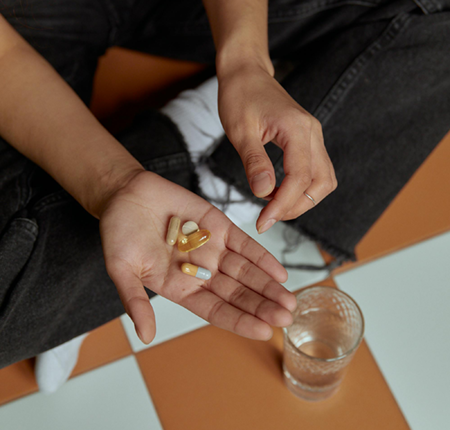
Types of probiotics
Depending on the type of microorganism and its role in the body, there are various types of probiotics. The best known belong to a few main families, each with specific benefits.
The main probiotic strains
Probiotics are fundamentally identified by genus, species and strain designation – according to the probiotics fact sheet from the National Institutes of Health (NIH). Among the most common are microorganisms from the genera Bifidobacterium, Saccharomyces, Streptococcus, Enterococcus, Escherichia and Bacillus, as well as from the Lactobacillaceae family.
Two of the most extensively studied and widely used strains are Lactobacillus and Bifidobacterium – two families of beneficial bacteria that occur naturally in the gut.
- Lactobacillus is associated with supporting digestion and the balance of the gut flora.
- Bifidobacterium are bacteria that contribute to colon health and immune defences.
- Saccharomyces boulardii are strains of fungal origin – yeasts, to be precise – that are helpful in cases of digestive upset or compromised gut flora.
Each of these strains performs different roles in the body. What most of them have in common is the ability to inhibit the growth of pathogenic microorganisms in the gastrointestinal tract. Other mechanisms, such as vitamin synthesis or strengthening the intestinal barrier, are typical only of certain species or strains.
Bacterial vs. fungal probiotics
Bacterial probiotics such as Lactobacillus and Bifidobacterium work by colonising the gut.
Think of them as competitors to the bad bacteria. Probiotics take up space and use resources within the body – thereby preventing pathogens from multiplying and directly supporting gut balance. And they do something else that's important: they produce acids such as lactic acid, which lowers the pH in the gut and creates an environment that's less favourable to harmful bacteria.
The effects of bacterial probiotics show up over the long term, which is why they're helpful for sluggish digestion, frequent bloating or irritable bowel syndrome – but above all as a preventive measure, to maintain a stable microbiome balance.
Fungal probiotics such as Saccharomyces boulardii are yeasts that don't permanently colonise the gut.
They only help temporarily, as they pass through the intestine, to restore the balance of the microbiome. Their main role is to neutralise bacterial toxins, reduce inflammation and support the restoration of the flora.
For this reason, fungal probiotics are mainly used in situations that can trigger imbalances, such as bouts of diarrhoea or courses of antibiotics.
Why strains matter
Not all probiotics are the same. They come from different families and have different effects. It's important to know the full strain designation in order to understand exactly how they work.
Each strain (or code) has different effects and is an indication that the probiotic has been studied in clinical trials and has proven, specific benefits.
The simple designation Lactobacillus rhamnosus, for example, is a general one. It tells you only the genus (Lactobacillus) and the species (rhamnosus).
A designation such as Lactobacillus rhamnosus GG, on the other hand, denotes the complete strain, which in this case is associated with benefits for the immune system.
The benefits of probiotics
Although the main effect of probiotics lies in supporting the gut flora, their influence extends beyond digestion. Because they contribute to a balanced microbiome, they also act on other systems in the body:
- Digestive health: They help to reduce abdominal discomfort and regulate bowel activity.
- Immune system: They may contribute to a more stable and effective immune response to external factors.
- The gut–brain axis: They may indirectly influence wellbeing, stress levels and even mood.
Vaginal and urogenital health: Probiotics also support the microbiome in the vaginal and urinary areas, as they help to maintain the balance of the vaginal flora. This increases comfort and helps prevent imbalances that can lead to infections.

Probiotics and menstruation
Through their influence on the microbiome, probiotics can indirectly affect hormonal balance and the symptoms associated with the menstrual cycle. If there's an imbalance in your body, it can have an impact on your period – including its duration and flow. You'll notice these changes in things like the number and absorbency of the period products you use.
Microbiome and hormones
The gut microbiome helps regulate oestrogen levels by producing an enzyme called β-glucuronidase, the specialist literature explains. This enzyme helps convert oestrogen into its active form.
When the gut flora falls out of balance and the diversity of good bacteria declines, this process can be altered. That can affect oestrogen levels in the body and, in turn, promote conditions such as obesity, metabolic syndrome, endometriosis, polycystic ovary syndrome, fertility problems and other imbalances linked to the menstrual cycle.
PMS symptoms
The state of the gut microbiome is also closely linked to the symptoms that occur in the premenstrual phase – including bloating, inflammation, digestive discomfort and other symptoms of premenstrual syndrome.
In a cross-sectional study published in 2022, for example, low concentrations of Butyricicoccus, Extibacter, Megasphaera and Parabacteroides were associated with severe premenstrual disorders.
Recurrent vaginal infections
A balanced vaginal microbiome protects the body more effectively against vaginal infections. When the flora is disrupted, the risk of infection rises.
Probiotics, particularly lactobacillus strains, help to maintain an acidic, healthy vaginal environment. In doing so, they support the balance of the intimate flora and help prevent recurrent infections or discomfort.
Probiotics vs. prebiotics vs. postbiotics
Probiotics, as mentioned at the outset, are living microorganisms – essentially beneficial bacteria or yeasts – that support the balance of the microbiome as well as digestive and immune health. Prebiotics and postbiotics are closely connected to probiotics.
Prebiotics are components found in foods, such as fibre or non-digestible compounds, that serve the growth and activity of the beneficial microorganisms already present in the gut flora. Think of prebiotics as food for probiotics.
The term postbiotics refers to the products that result from the activity of probiotics. More specifically, these are bioactive substances such as organic acids or peptides that mimic the benefits of probiotics.
The key difference lies precisely in the role and effect of these three elements: probiotics are the beneficial bacteria, prebiotics feed them, and postbiotics are the result of their activity.
As the analysis published in 2025 also shows, each type of these compounds has unique and complementary effects in various conditions such as inflammatory bowel disease, irritable bowel syndrome, obesity, constipation and antibiotic-associated diarrhoea. Together, the three work synergistically to support a functional, balanced microbiome.
When probiotics and prebiotics are combined in a single product, they're known as synbiotics. This formula is designed to support the gut flora both directly and indirectly – for maximum effectiveness.
Natural sources of probiotics
You can get your probiotics both through your diet – particularly from fermented foods containing live cultures that benefit the microbiome – and through food supplements.
Probiotics – fermented foods
Fermented foods are an excellent source of probiotics. The microorganisms are either added deliberately or develop on their own to break down sugars and starches. In the process, they produce lactic acid or alcohol, which in turn supports the formation of health-promoting microorganisms.
The most readily available sources of probiotics include:
- Yoghurt, provided it contains live active cultures and isn't simply heavily processed.
- Kefir, which is often considered more effective than yoghurt because it's rich in a wide variety of beneficial bacteria and yeasts.
- Sauerkraut, especially in its unpasteurised form.
- Vegetables pickled in brine, not in vinegar.
- Kombucha, a fermented tea drink containing beneficial bacterial cultures and yeasts.
Probiotics – how to choose wisely
To genuinely benefit from the probiotic effect, choose products that explicitly state live cultures or active fermentation. Try to avoid products that have been heavily pasteurised after fermentation, as this process can destroy the beneficial bacteria and therefore reduce the probiotic effect.
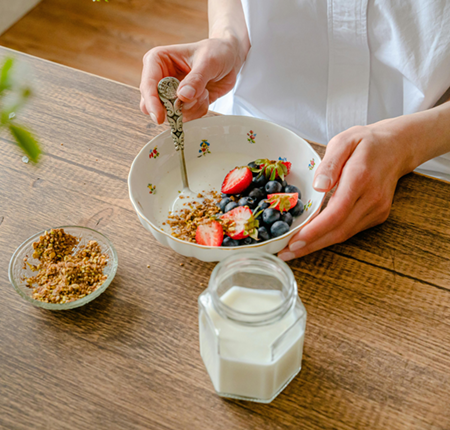
Probiotic supplements
Probiotic supplements are a concentrated form of beneficial bacteria, developed to support the microbiome when your diet isn't enough or when there's an imbalance in the gut.
Types of probiotic supplements
Probiotic supplements usually come in the form of capsules, sachets or liquids. Capsules are the most commonly used and protect the bacteria until they reach the gut.
Sachets contain a powder that dissolves in water or other liquids – making it easy to take for different age groups and needs.
Liquid formulas have the advantage of rapid absorption, but require more care when it comes to storage and shelf life.
How to choose a probiotic
Which probiotic you choose depends first and foremost on the purpose. What do you need probiotics for?
Have you just finished a course of antibiotics and need support with recovery? Or do you need help with digestion, immune defences or vaginal balance? A different type of probiotic will be effective for each goal.
It's equally important to pay attention to the strains contained. Each bacterium performs different roles in the body, and not all probiotics have the same effects.
CFUs and strains
CFUs (colony-forming units) indicate how many live, active bacteria a product contains. A higher concentration doesn't automatically mean a better product, but it may be relevant depending on your goal and your doctor's advice.
Quality and storage of probiotics
The quality of probiotics is reflected in the stability of the strains and in their ability to survive all the way to the gut.
Some supplements need to be kept refrigerated to remain stable, while others retain their properties at room temperature. It's very important, however, to follow the storage instructions in order to preserve the effectiveness of the probiotics.
How to take probiotics
Choosing the right probiotics is important, but so is how you take them. The timing, the dose and combining them with other treatments can significantly affect how well they work.
Probiotic dosage
The daily dose depends on the product and your goal – for example, whether you're taking them simply for general support or whether they're needed to restore your gut flora after treatment or during an imbalance.
In some cases a maintenance dose is enough; in others, your doctor may recommend a more concentrated intake.
When to take probiotics
You can take probiotics before or after meals, depending on the formula. The most important thing, however, is to take them regularly – every day. Consistency matters more than the exact time of day, because the effects build up over time.
Taking probiotics with antibiotics
If you're taking probiotics alongside antibiotics, leave a few hours between them to avoid the beneficial bacteria being destroyed. You'll usually continue taking the probiotics after finishing the course of antibiotics too, to support the full restoration of the microbiome.
Probiotics in special situations
Probiotics are sometimes recommended for children as well, for instance in cases of digestive problems such as acute, infectious or antibiotic-associated diarrhoea. The dose and type of probiotic are, however, always chosen carefully and on a doctor's recommendation.
Another special situation in which probiotics can provide important support is pregnancy – to promote vaginal flora and digestion. Here too, it's advisable to speak to your doctor.
Probiotics can also be helpful in digestive conditions such as irritable bowel syndrome or disruptions to the gut flora. It's important to know, though, that they aren't a treatment in their own right. Put another way: probiotics can help you restore your flora more quickly, but medical assessment and specific treatment are still required to resolve the condition itself.
Always seek medical help if symptoms persist while taking probiotics, if they're severe, or if chronic complaints develop.
Side effects and contraindications of probiotics
At the start, after the first few doses, you may feel slightly uncomfortable. Once the microbiome adjusts, the initial bloating subsides.
Although they're generally quite well tolerated, probiotics can cause certain side effects, such as allergic reactions (swelling, skin rashes) or over-stimulation of the immune system in people with autoimmune conditions.
Such reactions are rare and tend to occur in patients with weakened immune systems, pre-existing conditions or recent surgery. That's precisely why caution is advised when using probiotics in immunocompromised individuals or those with serious illnesses.
If you start taking probiotics and notice unusual reactions, or symptoms that persist or worsen, contact your doctor immediately.
Frequently asked questions about probiotics
Would you like to know even more about probiotics? Or would you prefer to have all the information on taking them in a quick, easy-to-read list? You'll find everything you need in the section below – we've given brief answers to the most common questions about probiotics.
How long should you take probiotics for?
How long you take them depends on your goal. If you're taking probiotics to restore your gut flora – after a course of antibiotics, for example – this is done in short courses over a few days or weeks. If you're taking them simply to support your microbiome, you can take them over longer periods, as recommended by your doctor.
Can you take probiotics every day?
Yes, generally speaking you can take probiotics daily. For healthy people they're considered safe for long-term use. What matters, though, is choosing the right type and dose for your own needs.
Which are the best probiotics?
There's no universal answer to this question. The best probiotic is the one that works best for you – and effectiveness depends on the strains it contains and their purpose, i.e. whether they're intended to support digestion, the immune system, or gut or vaginal flora.
When should you take probiotics?
Probiotics are usually taken before or after meals so that the bacteria are better able to survive stomach acid. Always read the instructions on the product packaging, though, as these can vary.
Should you take probiotics with antibiotics?
Yes, you can take probiotics during a course of antibiotics, but not at the same time. Leave a few hours between the antibiotic and the probiotic so that the treatment doesn't destroy the beneficial bacteria.
Do probiotics help with bloating?
Probiotics can help if the bloating is caused by an imbalance in the gut flora – though the effects aren't immediate and build up over time. If the bloating is due to an underlying condition, the symptoms won't disappear simply by taking probiotics. In that case, the specific treatment prescribed by your doctor is also needed.
Do probiotics help the immune system?
Yes, the gut microbiome plays an important role in how the immune system functions, and probiotics can support this balance. They strengthen the intestinal barrier, prevent harmful bacteria from entering the body and produce protective substances that fight pathogens.
Are there any side effects?
Generally speaking, probiotics are well tolerated. You may sometimes experience mild bloating at the start – this is normal and eases once the microbiome adjusts. If, however, allergic reactions such as skin rashes, swelling or difficulty breathing occur, contact your doctor immediately.
Do probiotics help with thrush?
Probiotics can support the restoration of the vaginal flora and help prevent imbalances, but they're not a substitute for medical treatment of thrush. They're usually used alongside treatment to provide additional support.
Can children take probiotics?
Yes, there are age-appropriate formulas that can be used safely in children – after courses of antibiotics or for certain digestive disorders, for example. Your doctor's recommendations must always be followed, however.
Image sources: Pexels.com

Medium, super or extra absorption

Low, medium or super absorption

Low or medium absorption


and happily breaking taboos!


