

Sexually Transmitted Diseases / Infections: Symptoms, Causes & Treatment
Sexually transmitted diseases (STDs), also known as sexually transmitted infections (STIs), are very common. Millions of new infections occur worldwide every year, including in the UK.
What are sexually transmitted infections?
Sexually transmitted diseases (STDs), or sexually transmitted infections (STIs), are infections passed from one person to another through sexual contact. This contact is usually vaginal, oral or anal. Sometimes they can also be passed on through other forms of intimate physical contact. Genital herpes and HPV, for example, can be transmitted through skin-to-skin contact.
Symptoms of sexually transmitted diseases
STDs don't always cause symptoms, or they may only produce mild complaints that usually go unnoticed. That's why it's possible to have an infection without knowing about it. You can still pass it on to others, however.
When symptoms do appear, they may include:
- Unusual discharge from the penis or vagina
- Sores or warts in the genital area
- Painful or frequent urination
- Itching and redness in the genital area
- Blisters or sores in or around the mouth
- Unusual vaginal odour
- Anal itching, pain or bleeding
- Abdominal pain
- Fever
Sexually transmitted diseases – symptoms
Sexually transmitted diseases are wide-ranging; more than 20 such conditions are currently recognised. The most common, however, include:

Chlamydia – signs and symptoms
Chlamydia infection is a common sexually transmitted disease. It's caused by the bacterium Chlamydia trachomatis. Both men and women can be affected. In women, chlamydia develops in the cervix, rectum or throat. In men, it can occur in the urethra (inside the penis), the rectum or the throat.
You can catch it through oral, vaginal or anal sex with an infected person. Women can pass the infection to their baby during birth.
Chlamydia usually causes no symptoms. As a result, you may not realise you're infected. People without symptoms can still pass the infection on to others. If symptoms do appear, they often only show up a few weeks after intercourse with an infected partner.
Symptoms in women include:
- Unusual vaginal discharge, which may have a strong smell
- A burning sensation when urinating
- Pain during intercourse
- If the infection spreads, lower abdominal pain, pain during intercourse, nausea or fever may also occur.
Symptoms in men include:
- Discharge from the penis
- A burning sensation when urinating
- Burning or itching at the opening of the penis
- Pain and inflammation in one or both testicles (though this is less common)
If chlamydia affects the rectum (in men or women), it can cause rectal pain, discharge and/or bleeding.
Gonorrhoea – signs and symptoms
Gonorrhoea is a sexually transmitted disease. Young adults are most commonly affected. The bacteria that cause gonorrhoea usually infect the genital tract, mouth or anus. You can catch it through vaginal, oral or anal sex with an infected partner. A pregnant woman can infect her baby during birth.
Gonorrhoea doesn't always cause symptoms. In men, it can cause pain when urinating and discharge from the penis. Left untreated, it can lead to problems with the prostate and testicles.
In women, the first symptoms of gonorrhoea are usually mild. Later, bleeding between periods, pain when urinating and heavy vaginal discharge may occur. Untreated, the infection can lead to pelvic inflammatory disease, which can cause problems in pregnancy and infertility.
Trichomoniasis – signs and symptoms
Trichomoniasis is an infection caused by the parasite Trichomonas vaginalis. Symptoms usually appear within a month of infection. However, up to half of infected people show no symptoms at all (but can still pass the infection on).
The symptoms of trichomoniasis resemble those of many other sexually transmitted infections (STIs), which can make diagnosis difficult.
In women, trichomoniasis can cause:
- unusual yellow-green vaginal discharge with an altered consistency – thick, frothy or watery. It is more profuse than usual and may also have an unpleasant fishy smell
- pain, inflammation and itching in the vaginal area – sometimes the inner thighs itch too
- pain or discomfort when urinating or during sex
HIV – signs and symptoms
HIV is a virus that attacks the immune system. It can be transmitted through sexual contact as well as other routes such as the exchange of bodily fluids. In someone infected with HIV, the virus is present in all bodily fluids, including semen, blood, breast milk and so on. If these fluids enter another person's body, that person can also become infected with HIV. This can happen through sexual contact, the use of non-sterilised medical or cosmetic instruments, skin contact involving open wounds, childbirth and breastfeeding.
People with HIV have a higher risk of contracting other STIs and further infections. Without treatment, the body's immune system can become compromised. This can lead to life-threatening complications.
Treatment can lower the viral load in the body so much that it is no longer detectable by testing. This also means that the virus cannot be passed on to other people because the amount present is so small. Someone with an undetectable viral load must not stop their treatment. It needs to be continued in order to keep the viral load low.
Other ways to prevent transmission include:
- using a condom or another barrier method during vaginal or anal intercourse
- taking pre-exposure prophylaxis – a medication that can help prevent HIV infection in people exposed to the virus
- wearing gloves and carefully disposing of sharp objects in medical or cosmetic work settings
- using single-use needles
Genital herpes – signs and symptoms
Genital herpes is a sexually transmitted disease caused by the herpes simplex virus (HSV). It can cause sores in the genital or rectal area, on the buttocks and on the thighs. Infection occurs through vaginal, anal or oral sex with an infected person. The virus can even be passed on when no sores are present. Mothers can also infect their babies during birth.
The symptoms of herpes are referred to as outbreaks. Sores usually appear near the site where the virus entered the body. The sores are blisters that burst and become painful before healing. Sometimes people don't know they have herpes because they have no symptoms or only very mild ones. In newborns or people with a weakened immune system, the virus can cause more severe illness.
New outbreaks are common during the first year. Over time they become less frequent and the symptoms milder. The virus remains in the body for life, however. Find out more about genital herpes, how it presents and the treatment options in our article
HPV – signs and symptoms
Human papillomaviruses (HPV) are a group of viruses that affect the skin and mucous membranes. Mucous membranes include the mouth, anus, throat and cervix. There are various types of HPV. Some can affect health more seriously than others.
HPV is widespread and affects millions of people worldwide. In the UK, an estimated 200,000 new chlamydia infections are diagnosed each year — chlamydia is the most common sexually transmitted infection in the UK. Almost everyone who is sexually active will contract HPV at some point in their life – unless they have been vaccinated to prevent it.
Because most cases are entirely symptom-free, there's an increased risk of the virus spreading further. Some types of HPV can cause genital warts. It's also very important to know that infection with papillomaviruses increases the risk of cervical cancer – find out more here.
HPV can be transmitted through:
- vaginal and anal sex
- oral sex
- genital contact without penetration
- transmission to the baby during intrauterine life, although this is rare
Vaccination can help prevent the transmission of HPV. For more information on HPV infection, vaccination and treatment, see the ENROUSH blog.
Hepatitis – signs and symptoms
Hepatitis A is transmitted via the faecal-oral route. This can happen through direct oral-anal contact or through contact with fingers or objects that have come into contact with infected material.
Hepatitis B (HBV) is more easily transmitted sexually than HIV (50 to 100 times more so). HBV is known to be present in vaginal secretions, saliva and semen. Unprotected oral and anal sex carry an increased risk of transmission. As HBV has also been found in saliva, there is likely to be a risk of transmission through deep kissing too, which increases if one partner wears braces or has open sores in the mouth. To date, however, this has not been documented.
Hepatitis C (HCV) is transmitted through contact with the blood of an infected person – for example through wounds, injuries in the genital area or during menstruation.
Syphilis – signs and symptoms
Syphilis is caused by infection with the bacterium Treponema pallidum. It is a potentially serious infection; early treatment is essential to avoid lasting damage to health and long-term complications.
It usually progresses through four stages.
- In the first stage, a person may notice a round, firm sore at the site of infection, usually in the area of the genitals, anus, rectum or mouth. This symptom typically lasts 3–6 weeks. The sore may not be visible, as it is often painless and can be internal, for instance inside the vagina. Syphilis can also be passed to the baby during pregnancy.
- In the second stage, the following symptoms may appear:
- a non-itchy rash in the form of rough, brown or red patches on the palms or soles of the feet
- mucous membrane lesions in the mouth, anus or vagina
- swollen lymph nodes
- hair loss
- headaches
- weight loss
- muscle pain
- fatigue
- fever
- In the latent stage, the symptoms disappear. The bacterium remains in the body, however, and can continue to cause damage.
- In the tertiary stage, life-threatening complications occur. They can affect the brain, nervous system, eyes, heart and other organs. The symptoms at this stage depend on which structures in the body have been damaged by the syphilis.
The only way to confirm a syphilis infection is through testing. If the result is positive, the person should seek medical advice. Their sexual partner or partners must also be told about the infection.
Symptoms appear on average around 21 days after transmission of the bacterium, although the period can range from 10 to 90 days.
Asymptomatic sexually transmitted diseases
Many people believe they would know straight away if they had a sexually transmitted infection because they would notice the symptoms. Unfortunately, that's not the case. The surprisingly high frequency of asymptomatic STIs is one reason why these conditions are so widespread. People can – and often do – live with such an infection for many years without knowing about it. During this time, if they aren't careful, they can pass the infection on to some or all of their sexual partners.
The most common asymptomatic sexually transmitted infections are:
- Chlamydia
- Gonorrhoea – in women, gonorrhoea usually produces no symptoms at all
- HPV – most people will have an HPV infection at some point in their lives, which often clears up on its own
- HIV – in the first months or even years after infection, the condition can be completely symptom-free. It takes around 10 years for an HIV infection to develop into AIDS
- Genital herpes – although genital herpes is often associated with painful sores, some people never develop them. The infection is still present and can be passed on to a partner
- Trichomoniasis – in many cases this STI causes no symptoms, and those affected have no idea they're infected
- Hepatitis B – this usually clears up on its own, largely thanks to routine childhood vaccination. If it becomes chronic, however, hepatitis B can lead to kidney failure
Incubation period – sexually transmitted diseases
The infections that cause sexually transmitted diseases (STDs) have different incubation periods – that is, different lengths of time between transmission and the appearance of symptoms. Some incubation periods last only a few days, while others can be weeks or months. It's equally possible that symptoms never appear at all.
Knowing how long the incubation periods are for the various STD pathogens can help you recognise signs and symptoms more readily, should they appear – although this isn't a reliable way of determining whether or not you're infected.
- Gonorrhoea: 2–30 days
- Trichomoniasis: 5–28 days
- Syphilis: 10–90 days
- HIV: >14 days – several years
- Genital herpes: 2–14 days
- Hepatitis: 28–42 days
Causes of sexually transmitted infections
STDs or STIs can be caused by:
- Bacteria. Gonorrhoea, syphilis and chlamydia are sexually transmitted infections caused by bacteria
- Parasites. Trichomoniasis is an STI caused by a parasite.
- Viruses. HPV, genital herpes and HIV are caused by viruses
Risk factors
Anyone who is sexually active has some risk of exposure to an STD or STI. Factors that can increase this risk include:
- Unprotected sex. Vaginal or anal penetration with an infected partner without a latex condom significantly increases the risk of an STI. Improper or inconsistent use of protective methods can also increase the risk
- Oral sex may be lower risk, but infections can still be transmitted if no latex condom or dental dam is used – a thin, square piece of rubber made from latex or silicone.
- Sexual contact with multiple partners. The more partners you have, the higher the risk.
- Previous STIs. If you already have such an infection, it's considerably easier to contract another STI.
- Non-consensual sexual acts. Coping with rape or sexual violence is difficult, but it's important to see a doctor as soon as possible for screening, treatment and emotional support.
- Alcohol misuse or recreational drug use. Substance misuse can impair your judgement, making you more likely to engage in risky behaviour.
- Injecting drug use. Sharing needles transmits many serious infections, including HIV, hepatitis B and hepatitis C.
- Age. Half of all STIs occur in people aged between 15 and 24.
Complications of sexually transmitted infections
Since many people show no symptoms in the early stages of an STD or STI, screening for STIs is important in order to avoid complications.
Possible complications include:
- Pelvic pain
- Pregnancy complications
- Eye inflammation
- Arthritis
- Pelvic inflammatory disease
- Infertility
- Cardiovascular disease
- Immune deficiency
- Certain cancers, such as HPV-associated cervical and rectal cancers
Diagnosis & STD testing
An STI test is advisable for anyone who falls into one of the following categories:
- has a new sexual partner
- has had sex with multiple partners
- has symptoms that may indicate a sexually transmitted infection
It should be noted, however, that no STI test is entirely accurate. In addition, there are no tests available for certain sexually transmitted diseases, and some people develop no symptoms, or only after a long time.
What tests are carried out for sexually transmitted diseases?
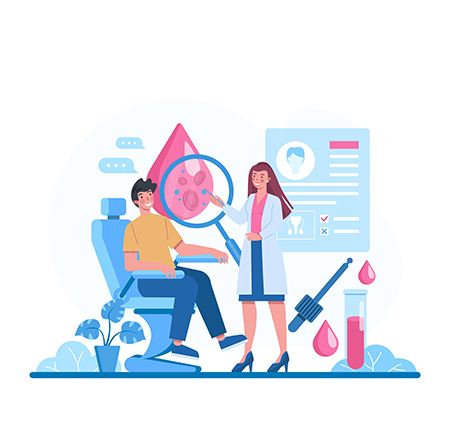
Depending on your sexual history, your doctor may recommend various tests to check for the presence of an STI. Most of these conditions can be detected using urine or blood samples. Your doctor may recommend these tests to check for:
- Gonorrhoea
- Syphilis
- Chlamydia
- HIV
In some cases, urine and blood tests aren't as accurate as other testing methods. Worth knowing: after exposure to certain infections, it can take a month or longer before blood tests give a 100% reliable result.
If someone contracts HIV, for example, it can take anywhere from a few weeks to several months before tests can detect the infection.
Many doctors use vaginal, cervical or urethral swabs to check for other sexually transmitted diseases.
- If you have a vagina, your doctor can take vaginal and cervical samples with a cotton swab during a gynaecological examination.
- Whether you have a vagina or a penis, urethral samples can be taken by inserting a cotton swab into the urethra.
- If you have anal sex, a rectal sample may also be taken to check whether infectious pathogens are present in the rectum.
STD diagnostic tests from the pharmacy
Some pharmacies offer test kits you can use at home – for a range of sexually transmitted infections (STIs), including chlamydia, gonorrhoea, trichomonas, syphilis and HIV. The test results are confidential and available within 3 working days. These tests are only suitable for people who have no symptoms of a sexually transmitted disease, however. If symptoms are already present, an examination by a specialist at an appropriate clinic is required. And even if a home test comes back negative: if you suspect a false negative result, you should consult a specialist, who will advise you on the next steps.
Ways to prevent sexually transmitted diseases
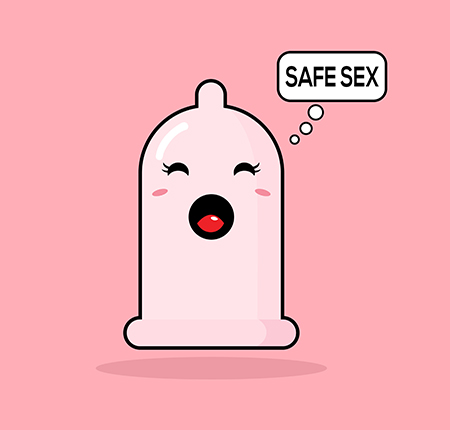
There are a number of factors that can increase the risk of STDs. It's therefore important to follow preventive measures to protect yourself. These include:
- Using a condom or a dental dam during oral sex. This significantly reduces the risk of direct contact with a lesion or a fluid containing a pathogen.
- Using water-based lubricants, as oil-based products can damage condoms.
- Getting tested for STIs, even if you have no symptoms. Regular testing should be a priority, especially with a new partner
- Vaccination. Vaccines that protect against conditions such as hepatitis and HPV are a preventive measure frequently recommended by specialists.
- Avoiding drugs and alcohol. These substances can increase the likelihood of behaviour that puts your health at risk.
- Taking extra precautions, or avoiding sex, with people who inject drugs. Anyone who injects drugs has a higher risk of having an STD such as HIV or hepatitis.
The precautions listed above can reduce the risk of transmitting or contracting STIs, but they're no guarantee. It's important to have an open conversation with every new partner about their sexual history before a relationship begins. Ideally, both partners should get tested before having sex for the first time.
Treatment options
Depending on the type and complexity, there are different treatment options for sexually transmitted diseases. Most commonly, doctors prescribe drug therapy with antibiotics or antivirals.
Antibiotics
Single-dose antibiotics are frequently used to treat certain bacterial and parasitic sexually transmitted infections, including gonorrhoea, syphilis, chlamydia and trichomoniasis. Gonorrhoea and chlamydia are usually treated at the same time, as the two infections often occur together.
Antivirals
For genital herpes or HIV, an antiviral medication is usually prescribed. The likelihood of a herpes recurrence is reduced if you take daily suppressive therapy with an antiviral prescribed by a specialist. Even so, it's still possible to pass herpes on to a partner.
Antiviral medications can keep an HIV infection under control for many years. You remain a carrier of the virus, however, and can pass it on, even though the risk is lower.
What to do after a positive result
Every country has different requirements, but in most, certain STIs must be reported to the local or regional health authority. Health authorities often employ specially trained disease intervention specialists who help with notifying partners and arranging treatment. These services can also offer psychological counselling, provide information on managing the condition and answer any other questions you may have.
How do you tell your partner about an STD?
If tests show that you have an STI, your sexual partners – including current partners and any others from the past three months up to a year – need to be told so that they can get tested. If they are infected, they can then be treated.
Official, confidential partner notification can limit the spread of STIs, particularly in the case of syphilis and HIV. People at increased risk can then receive advice and appropriate treatment. Some STIs can recur or you can be reinfected. By making sure you tell your partner, you reduce the risk of reinfection.
Frequently asked questions
Below you'll find answers to the most common questions about sexually transmitted diseases.
Can you catch sexually transmitted diseases through oral sex?
Yes, a large proportion of STDs can also be transmitted through oral sex.
Can sexually transmitted diseases be passed to the baby?
Sexually transmitted diseases can be passed to babies during intrauterine life, during birth or through breast milk. The route of transmission depends on the particular infection.

Medium, super or extra absorption

Low, medium or super absorption

Low or medium absorption


and happily breaking taboos!


