

The Complete Guide to Acne – Causes & Treatment
Even though it poses no threat to your health, we know only too well how distressing acne can be and just how much it can undermine your confidence, your self-image and your self-esteem. Particularly because it is so common during puberty – a time when anxieties are running high and self-confidence isn't exactly at its best anyway.
The good news: these spots can be treated. Although it's a long road that calls for plenty of changes to your lifestyle and skincare routine, the improvements are clearly visible. All you need is the right information and the guidance of a doctor.
You'll have to book the appointment with the dermatologist yourself – but we're here for the information. Read on to discover everything worth knowing about the different forms of acne and how to treat them!
What is acne?
Known by the medical term acne vulgaris, acne is a common skin condition in which various types of spots form when pores become blocked by dead skin cells and sebum. Acne-prone skin takes on an inflamed appearance that is often perceived as unsightly.
These spots are filled with pus and may be white, black or of another kind, painful or painless. Acne most often affects the skin on the face, but it can also spread to the shoulders, back and chest.
Types of acne
Depending on the triggering factors and the way it presents, acne is classified into different types. Below we introduce four of the most common forms.
Hormonal acne
This form of acne arises from hormone production, particularly in adolescents. However, hormonal acne also affects adults whose pores become blocked by excessive sebum production.
Fungal acne
This form of acne looks inflamed and can cause itching. It develops when a particular type of yeast builds up in the skin's pores, and it requires treatment to relieve the symptoms. Fungal acne is also known as Pityrosporum folliculitis.
Cystic acne
With this form of acne, pus-filled spots and nodules form in the deeper layers of the skin. These spots are often painful and are accompanied by swelling and redness. It is one of the forms of acne that can leave scars and cause lasting damage to the skin.
Nodular acne
This is one of the severe forms of acne and shows up as ordinary spots on the skin's surface, but also as soft, nodular swellings beneath the skin. Like cystic acne, the nodular form can also leave scars and permanent marks.
Who does acne affect?
Anyone can be affected by acne and notice one or more spots at some point in their life.
There are a great many risk factors that influence sebum production and therefore the formation of spots – from your stress levels and your long-term diet, to your skincare routine and any medication you take, right through to hormonal fluctuations and other health problems. While they aren't direct causes of acne, they can make it worse once it is already present.
Acne is very common among adolescents and young adults, as significant hormonal changes take place during this period. That said, adults of any age can develop acne at some point.
Statistics show that adult women are more prone to acne than men. This is mainly because hormones fluctuate more markedly over the course of the menstrual cycle, which makes acne worse before and during a period.
Genetics also play an important role. People with other family members who suffer from acne are at greater risk.
How common is acne?
People of all ages and backgrounds, all over the world, struggle with acne. Adolescents and young people are the most affected. During puberty, boys are more susceptible; in adulthood, it is women.
To give you an idea: around 80% of people aged between 11 and 30 have some form of acne – at least in a mild form.
Causes of acne
Let's start by explaining how acne, this inflammatory skin condition, actually develops.
Your skin contains sebaceous glands (which produce sebum, or oil) that are connected to the hair follicles. In healthy skin, the sebum produced by these glands is released onto the skin's surface along with hairs and keratinocytes (a type of skin cell) through openings in the follicles – in other words, through the pores. In acne-prone skin, however, this isn't carried away and instead becomes trapped in the pores.
This creates a mixture of sebum and dead cells, which allows the bacteria normally found on the skin's surface to block and inflame the follicles. The result is redness, swelling and pain – and that's how spots form.
Now that we've explained step by step how acne develops, here are the actual direct causes of pores becoming blocked and acne forming:
- Excessive sebum production: normally, sebum is produced as a protective barrier for your skin; in excess, however, it blocks the pores and triggers inflammation.
- Build-up of bacteria: small amounts of bacteria normally live on the skin's surface; if they build up excessively, however, they can block your pores.
- Dead cells: the skin constantly sheds dead cells and produces new ones; as they are shed, they can become trapped in the hair follicles and block them.
In addition to the direct causes of acne, there are certain triggers that provoke no reaction whatsoever in healthy skin, but which make already affected, acne-prone skin worse. These factors include:
- Skincare products that contain toxic substances or that are oily and heavy
- A working environment in which the skin is constantly in contact with oily substances and greases (for example, in a restaurant)
- A humid or polluted environment
- Tight items of clothing, particularly helmets, beanies, hats and other headwear
- Side effects of certain medications
- High stress levels, as these increase the release of cortisol
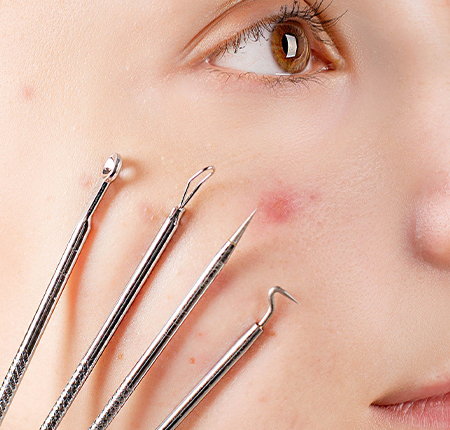
- Squeezing spots, which spreads acne bacteria through the skin's pores
- A high intake of dairy products and sugar
Symptoms of acne
Acne can present in various forms, which we outline below, and may be accompanied by burning, itching and even pain. We've listed all of these signs and symptoms of acne below:
- Pustules: these are the pus-filled bumps commonly known as spots
- Papules: these look like small bumps, usually darker than your skin tone or reddish to purple in colour
- Blackheads: they look exactly as the name suggests – blocked pores with a black tip, like tiny black dots. They aren't black because of dirt, but because sebum changes colour on contact with air
- Whiteheads: similar to blackheads, but with a white tip
- Cysts: swellings beneath the skin, painful and filled with pus
- Nodules: larger, painful swellings beneath the skin
- Irritated skin: itching, burning, swelling, redness and pain
- Emotional distress: depending on the severity and how badly self-image is affected.
How acne is diagnosed
No special tests are needed to confirm acne. A simple close examination is enough for the doctor to establish that your skin is affected by acne.
As well as assessing the symptoms, the specialist may ask additional questions about your lifestyle to reach as accurate a diagnosis as possible: whether you take certain medications, whether you are going through a stressful period in your life, whether family members suffer from acne and whether you notice worse breakouts before your period. This helps identify the risk factors and ensures you receive the right advice.
Although no further tests are needed for the diagnosis, a dermatologist specialises in treating skin conditions and may recommend additional investigations to determine the underlying cause of your acne.
It's particularly important that these causes are correctly identified – especially in adults, as they may point to certain hormonal imbalances or other problems. So don't hesitate to visit a dermatology clinic if you are prone to acne.
Treating acne
A GP can also diagnose acne, but it's wiser to seek a dermatologist's advice in order to choose the right treatment – especially if you aren't seeing any improvement with the treatments you've tried at home or on your GP's recommendation.
A dermatologist can give you specific recommendations depending on the severity of your acne:
- Mild acne (grade 1), when there are only a few spots, mostly whiteheads and blackheads
- Moderate or pustular acne (grade 2), when you have several pustules and papules on the face
- Moderate to severe, or nodulocystic, acne (grade 3), when, alongside numerous pustules and papules, inflamed nodules appear and spread to the chest and back.
- Severe nodulocystic acne (grade 4), when the skin shows a large number of pustules and nodules, accompanied by pain and inflammation.
There are numerous ways to treat acne – not only depending on the cause and severity, but also on age. From oral medications to topical solutions and therapies, all treatments aim to heal existing blemishes and prevent new spots from forming. Below we discuss the most commonly used and most effective solutions.
How to treat acne at home
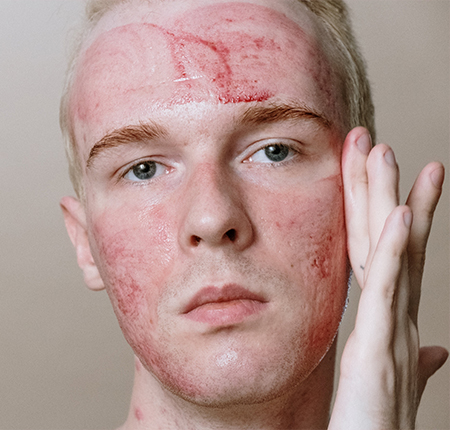
In the early stage, when acne first appears – especially in a mild form and when it shows up during puberty, where it is perfectly normal – people generally try treating it at home with the most suitable routine possible. This skincare ritual involves cleansing the skin daily with water and products that are as natural as possible for your skin type, as well as avoiding acne triggers. You should also steer clear of products containing alcohol, fragrance, oils or other chemicals that could block the skin's pores and make acne worse.
Depending on each person's needs, dermatologists may recommend topical treatments with:
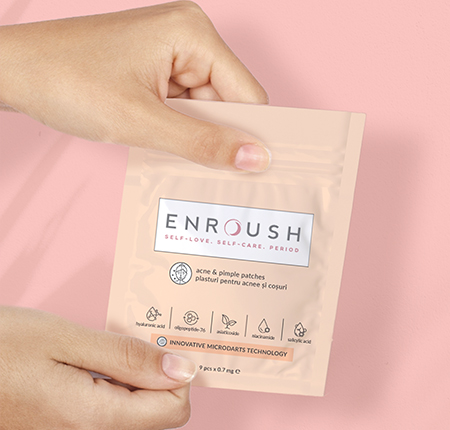
- Acne patches: these are a quick and convenient solution if you want to get rid of spots fast – without scarring and without squeezing. The Enroush patches for spots and acne, for example, contain a unique complex of active ingredients (salicylic acid, hyaluronic acid, niacinamide and oligopeptide-76) that are delivered deep into the skin using innovative microdart technology, clearing spots in just 6 hours. They are dermatologically tested and approved, gentle even on sensitive skin, and extremely easy to use. Simply stick them on and peel them off – with no need to massage the skin or use any other technique.
- Benzoyl peroxide: available from pharmacies as a cleansing solution or gel that penetrates the skin and eliminates bacteria on its surface. Low concentrations and rinse-off formulations are recommended to avoid irritating the skin.
- Salicylic acid: also available from pharmacies as a lotion or cleanser; it dissolves the uppermost layer of skin cells and removes them. This treats acne by preventing the pores from becoming blocked with dead cells.
- Azelaic acid: this is intended to reduce inflammation and swelling of the skin, as it kills micro-organisms on the surface. It is a natural acid derived from rye, barley or wheat.
- Retinoids: these are vitamin A derivatives available from pharmacies that clear whiteheads and blackheads and prevent pores from becoming blocked. However, they don't work quickly or locally. Retinoids are applied to the entire affected area of skin over several months to achieve visible results.
- Antibiotics: these are often recommended in combination with benzoyl peroxide in order to work effectively against the bacteria on the skin's surface that cause and aggravate the formation of spots.
Oral medications for acne
There are also treatments that tackle the problem not just on the surface, but from within the body. Here we're talking about medicines in tablet form, taken orally, which may include:
- Antibiotics: when bacteria are causing the acne, moderate or severe forms can be treated with antibiotics such as tetracycline, minocycline or doxycycline. Antibiotics work by killing bacteria, preventing them from multiplying and stopping them entering the body.
- Isotretinoin: an oral retinoid that shrinks the sebaceous glands. This means it simultaneously reduces sebum production, prevents pores from becoming blocked and thereby stops acne forming.
- The contraceptive pill: certain contraceptives have proven effective in treating acne in women, as their oestrogen and progesterone content (a natural steroid that regulates menstruation) helps restore the balance of the menstrual cycle. Alongside their contraceptive purpose, contraceptive pills are also used to treat many other conditions – we've discussed all of this in detail HERE.
Hormone therapy: this involves taking contraceptive pills with low doses of oestrogen and progesterone, or spironolactone, a medication that counteracts the effect of certain hormones on the sebaceous glands; it is recommended above all when breakouts worsen during menstruation or when an excess of hormones is the underlying cause.
Additional treatments for acne
Additional treatments are recommended when topical and oral therapies produce no results, or when noticeable marks and scars remain after treatment. In this case, your dermatologist may recommend the following:
- Laser therapy: light is used to heal acne scars by delivering heat to the scarred collagen beneath the skin. Your body responds with a natural healing process, forming new, healthy collagen structures that support the skin's framework.
- Chemical peel: a procedure in which special substances remove the top layer of skin through chemical exfoliation, so that a new, finer layer with considerably fewer scars grows back. This treatment also works on wrinkles and fine lines, though it has the drawback of a longer recovery period, during which the skin is more susceptible to viral, bacterial or fungal infections.
How to prevent acne
Preventing acne is difficult, especially when the causes are hormonal. However, you can significantly reduce its impact by seeing a dermatologist regularly, following their advice and adopting the healthiest possible habits for your skin:
- Cleanse your face daily with lukewarm water and a natural cleanser.
- Use skincare products free from alcohol, oils or fragrances containing allergens.
- Don't forget to remove your make-up every evening to avoid blocked pores. However tired you are – remember: removing make-up properly takes just a few minutes, but it can make an enormous difference to the health of your skin.
- Avoid touching your face with your hands throughout the day, and keep your hair off your facial skin too.
- Don't squeeze spots, as this can spread acne bacteria even further through the skin's pores and make the acne worse. If you want to get rid of spots quickly, reach for effective solutions such as the Enroush acne patches, which contain a unique combination of active ingredients and work deep down.
Treat your skin to a gentle care ritual with ingredients that are as natural as possible, to enhance your natural beauty and protect the health of your complexion. Acne needn't stand in the way of your confidence – these days there are plenty of solutions to keep it under control!

Medium, super or extra absorption

Low, medium or super absorption

Low or medium absorption


and happily breaking taboos!


