

The Luteal Phase – How Long It Lasts & How to Tell You're in the Luteal Phase of Your Menstrual Cycle
Have you noticed too that your mood becomes utterly unbearable for a few days every month before your period? It seems we've finally found the culprit: the luteal phase!
You already know that the 1–2 weeks before menstruation are dominated by PMS symptoms and falling hormone levels – yet somehow these states involve rather more than just bloating and headaches. They involve the inexplicable rage, how quickly you lose patience, energy levels through the floor and that constant emotional discomfort. And all of it simply because … you've entered the luteal phase!
But what does the luteal phase actually mean, and why does it affect you so profoundly? Stick with us – by the end of this article you'll have all the answers.
What is the luteal phase?
The luteal phase is one of the 4 phases of the menstrual cycle. It begins immediately after ovulation and lasts roughly 14 days (two weeks), up to the first day of menstruation. Its main task is to prepare the uterus for a possible pregnancy.
Because of the hormonal changes during these two weeks, your energy levels may be lower, you may experience physical discomfort and you may react more sensitively on an emotional level. That's why it's considered the most unpleasant of the 4 phases of the cycle.
If you can't quite remember what those phases are – no problem. It's a lot of information, and it's perfectly fine if it takes a while to get used to it. It isn't at all complicated though, so let's run through them very briefly once more:
The phases of the menstrual cycle
Although the cycle is often equated with menstruation alone, i.e. those few days of vaginal bleeding, in reality it unfolds in several stages. The menstrual cycle spans the whole month and is divided into four phases. Each phase has a different task, triggers different physical changes and affects your mood in different ways.
Menstruation
Menstruation is the best-known and most obvious phase of the menstrual cycle. During your period, your body sheds the endometrium (the lining of the uterus) along with menstrual blood, which results in vaginal bleeding.
The first day of menstruation is the first day on which vaginal bleeding occurs and you use pads or tampons to avoid staining your clothes.
The follicular phase
The follicular phase is the stage in which your ovaries prepare for ovulation. The eggs begin to develop within the ovarian follicles, and in each cycle one of these follicles becomes dominant and releases an egg.
Ovulation
Ovulation is the shortest phase of the menstrual cycle. It lasts just 12–24 hours, during which the ovary releases the egg that matured during the follicular phase.
The luteal phase
And finally the luteal phase: the stage in which the egg begins its journey towards the uterus and your body prepares for a possible pregnancy. The luteal phase begins immediately after ovulation and lasts until the first day of your next period.
What happens during the luteal phase
Although it's often reduced to hormonal fluctuations, oversensitive moods and physical discomfort, the luteal phase is considerably more complex and has a far more important job to do. It's designed to prepare your body to support a possible pregnancy – which is why it's worth understanding what goes on during this stage.
The formation of the corpus luteum
During ovulation, the dominant follicle releases an egg and then transforms into a corpus luteum, a temporary cluster of cells that forms on the ovaries each month. This is how the luteal phase begins.
The corpus luteum (hence the name luteal phase) produces progesterone and small amounts of oestrogen, which stimulate the thickening of the uterine lining and encourage implantation. The first significant change brought about by the luteal phase is therefore the rise in progesterone levels.
The rise in progesterone levels
The rise in progesterone levels during the luteal phase stimulates the thickening of the uterine lining (the endometrium) and at the same time causes cervical mucus to thicken into a firm, paste-like consistency. The thickened uterine lining creates optimal conditions for the egg to implant and for a pregnancy to begin, should fertilisation have taken place, while the thick cervical mucus blocks bacteria from entering the uterus.
The hormonal effects on body and mood
If fertilisation hasn't taken place during this cycle and no pregnancy occurs, the corpus luteum breaks down, causing hormone levels to fall; the thickened uterine lining is then shed during menstruation.
As hormone levels drop, you may also notice physical and emotional changes of varying intensity. In the absence of pregnancy, these symptoms are referred to as premenstrual syndrome.
Common symptoms of the luteal phase
The drop in hormone levels during the luteal phase affects progesterone, oestrogen and even serotonin. As a result, you may experience both physical and psychological-emotional symptoms.
The most common physical symptoms include:
- Tender and slightly swollen breasts
- Bloating
- Fluid retention
- Constipation or diarrhoea
- Headaches
- Changes in appetite
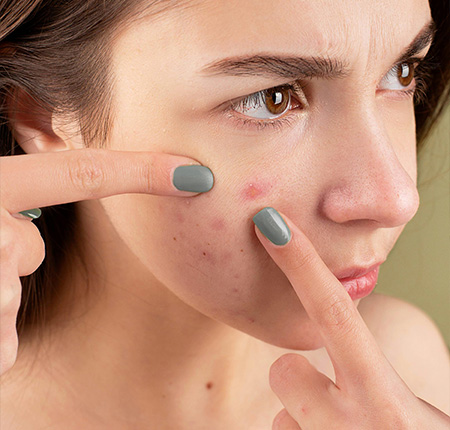
- Skin changes (e.g. acne)
- Muscle aches and cramps
- Joint pain
- A constant feeling of fatigue
When it comes to mood changes during the luteal phase, you may experience:
- Anxiety
- Low mood
- Inner tension
- Insomnia or excessive sleepiness
- Changes in sexual desire
- Irritability, hostility and inexplicable anger
- Sudden mood swings
- Difficulty concentrating
- The urge to cry
The urge to withdraw from social life
How to tell you're in the luteal phase
The luteal phase isn't as obvious as menstruation or ovulation, but that doesn't mean you can't pick up on your body's subtle signals – especially if you pay attention to changes in your mood and behaviour. Recognising the luteal phase can be very helpful if you're tracking your cycle and your fertile days. Here are the key signs to look out for:
- Basal body temperature: The rise in progesterone levels causes a slight increase in basal body temperature immediately after ovulation. The difference is small, usually only 0.2–0.5 °C, but you can spot this change quite clearly if you take your temperature daily with a special thermometer – ideally first thing in the morning.
- Vaginal discharge: While cervical mucus becomes completely clear and transparent around ovulation, rather like the consistency of egg white, during the luteal phase it becomes thicker, drier and paste-like. It forms a kind of barrier against bacteria and protects the fertilised egg should a pregnancy implant.
- Typical symptoms: Precisely the common luteal phase symptoms we discussed above, which we also call premenstrual syndrome (mood swings, breast tenderness, blemishes or acne, changes in appetite, etc.)
Does the luteal phase always last 14 days?
No – as with most things concerning the human body. The average length of a luteal phase is indeed 12–14 days in a 28-day cycle. But just like every woman's body and every individual cycle, the luteal phase isn't always exactly the same. Small variations are possible.
As a general rule, a luteal phase lasting between 10 and 17 days is considered normal.
Short luteal phase
If the luteal phase lasts fewer than 10 days, it means your period begins less than 10 days after ovulation. Doctors refer to this as a short luteal phase.
Long luteal phase
At the other end of the spectrum, a luteal phase is described as long when it lasts 18 days or more. This means there are more than 18 days between ovulation and the first day of menstruation.
In most cases, people with such a long luteal phase have some form of hormonal imbalance (for example, those with polycystic ovary syndrome).
What's more, if your period hasn't arrived 14 days after ovulation, there's a chance you may be pregnant. So taking a pregnancy test might be a sensible idea.
The luteal phase and fertility
The luteal phase plays a very important role in fertility, because this is precisely when the body prepares to support a possible pregnancy. The corpus luteum produces progesterone, which thickens the uterine lining so that the fertilised egg can implant.
The length of the luteal phase matters just as much. If it's too short or too long, the pregnancy may not be able to implant properly. So if you're hoping to conceive, it makes sense to track all the phases of your cycle – particularly your fertile days, ovulation and the luteal phase.
What a short luteal phase means and how it can affect fertility
A short luteal phase means there are fewer than 10 days between ovulation and menstruation. Such a short window doesn't give the uterine lining enough time to thicken sufficiently to support a pregnancy.
This doesn't automatically mean infertility, but it can mean that conceiving is more difficult with a short luteal phase.
How to bring the luteal phase into balance
The hormonal changes of the luteal phase frequently bring unpleasant and taxing symptoms with them. The good news is that you can help balance them by paying a little attention to your lifestyle.
Alongside tracking your cycle and seeing your gynaecologist regularly to look after your intimate health and make sure everything's as it should be, here's what else you can do to feel more comfortable and more balanced during the luteal phase:
Diet
Eat foods that support hormonal balance and natural oestrogen production, such as green vegetables (spinach, kale), nuts and seeds, sources of healthy fats (salmon, avocado, olive oil) as well as foods rich in vitamins and minerals.
Try to avoid excessive consumption of sugar, caffeine and heavily processed products – they can promote inflammation in the body and exacerbate hormonal imbalances.
Nutrient deficiencies can also increase the intensity of symptoms and discomfort during the luteal phase. So aim for a diet that's as varied and nutrient-rich as possible.
Exercise
We know: when your mood is on the floor and your whole body feels uncomfortable, it's tempting to simply stay in bed. But don't let bloating and mild aches beat you. Try to stay as active as you can, even if it's just a walk in the park or another form of movement that feels good to you.
Countless studies have already shown that around 30 minutes of exercise a day can lift your mood and ease certain PMS symptoms.

Helpful supplements or plants
There are also a few vitamins and natural supplements that can support your balance during the luteal phase. Always speak to your doctor, however, before taking supplements or starting any herbal treatment:
- Vitamin B6 (may support progesterone production and hormonal balance)
- Magnesium and zinc (may ease PMS symptoms and support hormonal health)
- Evening primrose oil (may reduce breast tenderness and mood swings)
- Adaptogens such as ashwagandha (help with managing stress, which tends to feel more intense during the luteal phase)
- Omega-3 fatty acids (support emotional balance and have anti-inflammatory properties)
When to see a doctor
If worrying symptoms or unusual changes arise during the luteal phase or across your cycle, it's worth seeing your gynaecologist to check that everything's in order. An appointment is recommended as soon as possible if:
- your luteal phase is repeatedly shorter than 10 days
- your luteal phase lasts longer than 17 days and you're not pregnant (your period is repeatedly late for no apparent reason)
- you have severe or unusual symptoms
- you're having difficulty conceiving
You can also turn to your doctor at any time if you have questions about the luteal phase or suspect that something isn't quite right.
Frequently asked questions about the luteal phase
We know it's a lot of information, and sometimes the luteal phase can feel like a maze of physical and emotional symptoms. The truth is that, although it's a natural part of every menstrual cycle, it brings with it plenty of changes and states that are hard to make sense of.
That's why we've gathered the most common questions about the luteal phase below, along with our answers – to help you understand yourself better and recognise when it's time to seek help.
Can I get pregnant during the luteal phase?
In theory, no. The luteal phase begins immediately after ovulation, and the egg survives in your body for only 12–24 hours. So if you didn't have unprotected sex during ovulation and the egg wasn't fertilised, you won't become pregnant during the luteal phase. Your body won't release another egg until your next ovulation, and without an egg there can be no pregnancy.
That said, if ovulation happened later than you thought and you had unprotected sex because you believed you were already in the luteal phase, pregnancy can still occur.
What's the connection between the luteal phase and premenstrual syndrome (PMS)?
The luteal phase begins immediately after ovulation and lasts until the first day of menstruation. That means that bloating, breast tenderness, sadness or irritability and all the other PMS symptoms that crop up in the two weeks before your period actually take place during the luteal phase.
The culprit is your progesterone level, which starts to fall in the absence of pregnancy. The sudden drop in hormone levels upsets your emotional and physical balance. In practical terms, premenstrual syndrome is a visible manifestation of the luteal phase.
How can I support my luteal phase naturally?
You can support your physical and emotional balance during the luteal phase by paying attention to your lifestyle.
Eat nutrient-rich foods, exercise regularly, make rest a priority and use techniques for managing stress. If your doctor agrees, you can try vitamins or herbal preparations depending on your individual needs, such as vitamin B6, omega-3 fatty acids or ashwagandha.
Why do I get mood swings during the luteal phase?
After ovulation, progesterone and oestrogen levels begin to fluctuate, which also affects the levels of certain neurotransmitters such as serotonin – known as the happiness hormone. These fluctuations can trigger anxiety, sadness, irritability and many other negative feelings.
Can I ovulate without a healthy luteal phase?
Yes, ovulation can still take place even if your luteal phase is out of balance, too long or too short. In such cases the problem isn't with ovulation itself, but with the fact that the progesterone produced after ovulation isn't sufficient to support implantation of the fertilised egg – which can affect your fertility.
Image source: Pexels.com

Medium, super or extra absorption

Low, medium or super absorption

Low or medium absorption


and happily breaking taboos!


