

Urinary incontinence – what causes it and how can it be treated?
Urinary incontinence is a common problem and one that many people find embarrassing. Its severity ranges from the occasional leak when coughing or sneezing to an urge to urinate so sudden and strong that you can't reach the toilet in time.
What is urinary incontinence?
Urinary incontinence refers to the unintentional loss of urine. This condition occurs most frequently in women and in older people. Problems with bladder control can be distressing and may lead sufferers to avoid their usual activities. That's why it's reassuring to know that this condition can often be well managed or treated entirely.
What causes urinary incontinence?
The bladder sits in the lower abdomen and is a hollow organ belonging to the urinary system. When you pass urine, the bladder muscle contracts to push the urine into the urethra. At the same time, the muscles around the urethra relax and allow the urine to leave the body. When the muscles in and around the bladder don't work as they should, urine can leak out – resulting in urinary incontinence.
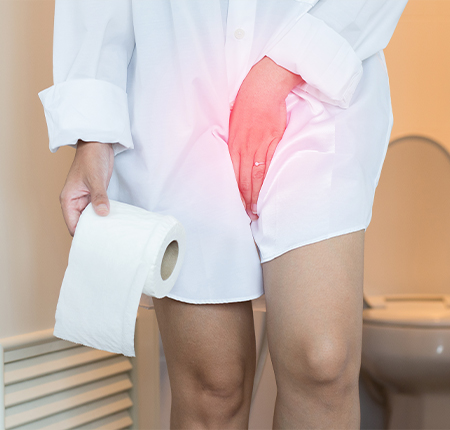
Incontinence can have a variety of causes, including urinary tract infections, vaginal conditions or constipation. Some medicines can trigger temporary problems with bladder control. If the incontinence persists, the following causes may be behind it:
- Weakness of the bladder muscle or the pelvic floor
- Overactivity of the bladder muscle
- Damage to the nerves that control the bladder
- Conditions such as arthritis that make it difficult to reach the toilet in time
- Pelvic organ prolapse – this occurs when pelvic organs (such as the bladder, rectum or uterus) drop from their normal position towards the vagina or anus.
In men, urinary incontinence is often linked to the prostate. Possible causes include:
- Prostatitis, a painful inflammation of the prostate
- Damage to the nerves or bladder muscle following surgery
- An enlarged prostate, which can lead to benign prostatic hyperplasia – a condition in which the prostate grows with age
Symptoms & types of urinary incontinence
Urinary incontinence means the unintentional loss of urine. This condition has several causes and can be divided into different types:
Stress incontinence
Stress incontinence occurs when urine leaks due to pressure on the bladder during physical exertion – for example, when exercising, coughing, sneezing, laughing or lifting heavy objects. It is the most common form of bladder control problem in young and middle-aged women. However, there are also cases where stress incontinence only begins later in life, around the menopause.
Urge incontinence / overactive bladder
Urge incontinence or an overactive bladder occurs when you feel a sudden, strong need to urinate, followed by an involuntary loss of urine. You may need to pass urine frequently, including at night. The cause may be something minor such as an infection, but it can also be a more serious condition such as a neurological disorder or diabetes.
Overflow incontinence
With overflow incontinence, the bladder is constantly full, leading to involuntary leakage of urine. In men, this form is most often caused by benign prostatic hyperplasia, as well as by diabetes or certain neurological conditions. To help prevent the unpleasant consequences of overflow incontinence, try ENROUSH daily panty liners made from 100% organic cotton. Thanks to their design using 100% organic cotton and natural fibres with a neutral pH, they offer improved protection against infection and irritation.
Functional incontinence
Functional incontinence stems from a physical or mental limitation that prevents you from reaching the toilet in time. If you suffer from severe arthritis, for example, you may not be able to move quickly enough to make it to the toilet.
Mixed incontinence
With mixed incontinence, sufferers experience more than one form of urinary incontinence – most commonly this type combines stress incontinence and urge incontinence.
Reflex incontinence
In this form, the bladder muscle contracts suddenly, causing large losses of urine without warning or any sensation of need. Reflex incontinence is caused by serious neurological conditions such as multiple sclerosis.
Urinary incontinence – causes
Urinary incontinence can be caused by everyday habits, certain medical conditions or physical problems. A thorough examination by your doctor can help determine the cause of your incontinence.
Temporary urinary incontinence
Certain drinks, substances, medicines or foods can have a negative effect on bladder function because they act as diuretics. These include:
- Alcohol
- Caffeine
- Fizzy drinks and sparkling mineral water
- Artificial sweeteners
- Chocolate
- Hot chilli peppers
- Foods high in sugar or acid
- Certain heart medicines or muscle relaxants
- High doses of vitamin C
Urinary incontinence can also be caused by easily treatable conditions, such as:
- Urinary tract infections. Infections can irritate the bladder and trigger a strong urge to urinate as well as occasional incontinence.
- Constipation. The rectum lies close to the bladder and shares many nerves with it. Hard, compacted stools in the rectum cause these nerves to become overactive, increasing urinary frequency.
Persistent urinary incontinence
When it is an ongoing problem, urinary incontinence is usually caused by physical changes, such as:
- Pregnancy. Hormonal changes and the increasing weight of the baby can lead to stress incontinence.
- Childbirth. A vaginal delivery can weaken the muscles needed for bladder control and damage the bladder nerves and supporting tissue, which may lead to a prolapse of the pelvic floor.
- Age-related changes such as ageing of the bladder muscle
- Menopause. After the menopause, the lining of the bladder and urethra begins to change and deteriorate due to low oestrogen levels in the body.
Urinary incontinence caused by medical conditions
There are several conditions that can cause urinary incontinence:
- Enlarged prostate. Particularly in older men, incontinence is often caused by enlargement of the prostate – a condition known as benign prostatic hyperplasia.
- Untreated prostate cancer can cause urinary incontinence. It can also be a side effect of treatments for this form of cancer.
- Obstruction. A tumour anywhere along the urinary tract can block the normal flow of urine and thus lead to overflow incontinence.
- Neurological conditions. Multiple sclerosis, Parkinson's, stroke, brain tumours or a spinal injury can disrupt the nerve signals needed for bladder control and thereby trigger urinary incontinence.
A bladder infection (cystitis) can lead to an increased urge to urinate. Find out more about this condition HERE
Diagnosis – urinary incontinence
To diagnose urinary incontinence, the specialist needs to take a detailed medical history. It is important to record how often you pass urine during the day and at night, along with any treatments already tried, the amount of fluid you drink daily and any other difficulties when urinating.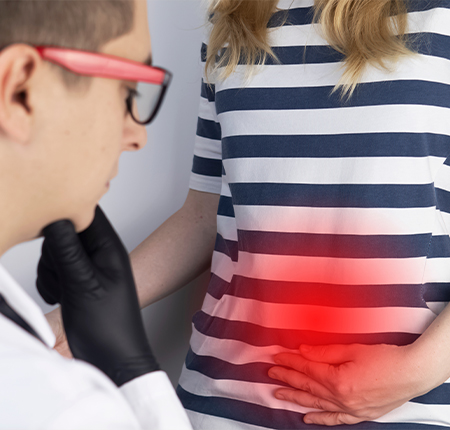
The specialist will also recommend a series of tests, on the basis of which they will make a diagnosis of urinary incontinence.
- Urine test
- Blood test
- General physical examination
- Abdominal and pelvic ultrasound
- Urodynamic testing
- X-ray of the bladder
- Cystoscopy
Treatment – urinary incontinence
Today there are numerous treatments and ways to get urinary incontinence under control. The choice of therapy depends on the type of incontinence, its severity and what best suits your lifestyle. As a general rule: the simplest and safest treatments should be tried first.
A combination of different treatments can help you achieve better bladder control.
Treating urinary incontinence in women
In women, doctors may recommend both non-invasive and invasive treatments, depending on the severity of the condition.
- Pelvic floor exercises strengthen the muscles that support the bladder – this can help you hold urine and avoid leakage.
- Urge suppression techniques help you control a strong need to urinate so you can reach the toilet in time. You could try distracting yourself with breathing exercises, for example, so you don't think about the urge.
- Vaginal cream containing oestrogen can help relieve urge or stress incontinence.
- Medical devices can also be used to treat urinary incontinence. A vaginal pessary ring, for example, can reduce urine leakage.
Treating urinary incontinence in men
For men, various treatment approaches may be recommended aimed at removing any obstruction to flow or relieving the symptoms.
- Timed toilet training helps you control your bladder by setting fixed times for passing urine. You might plan to go to the toilet every hour, for example.
- Surgery can sometimes relieve or cure incontinence when it is caused by a change in the position of the bladder or a blockage resulting from an enlarged prostate.
- Electrical nerve stimulation sends gentle electrical impulses to the nerves around the bladder, which helps regulate urination and bladder reflexes.
Treating urinary incontinence in older people
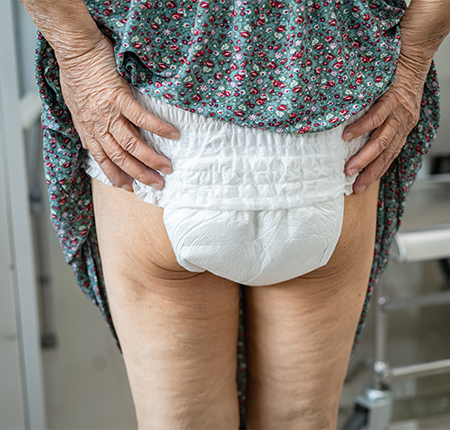
In older people, medication is usually recommended to calm the overactive bladder and strengthen the bladder muscle. The medicines prescribed include:
- Anticholinergics to calm the overactive bladder
- Alpha blockers to relax the bladder muscle
Risk factors for urinary incontinence
Although urinary incontinence can't always be prevented, it's important to know that certain risk factors make it more likely to develop. These include:
- Sex – women are more likely to develop stress incontinence
- Age
- Being overweight. The extra weight increases pressure on the bladder and surrounding muscles, weakening them and allowing involuntary loss of urine.
- Smoking
- Family history – urinary incontinence can be genetic
- Neurological conditions or diabetes
Urinary incontinence during pregnancy
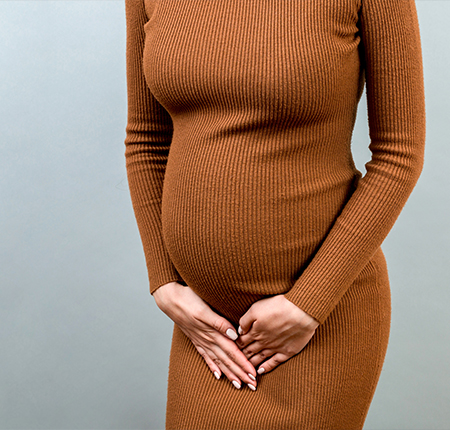
During pregnancy, the baby can put considerable pressure on the bladder. This can lead to unwanted leakage of urine. Bladder control problems can occur both during pregnancy and after birth, particularly where complications such as pelvic organ prolapse, weakening of the pelvic floor muscles or damage to the pelvic nerves are involved. Kegel exercises are often recommended to strengthen the pelvic muscles and regain bladder control.
Urinary incontinence in children
Children under 3 do not yet have full control over their bladder. As they get older, most learn to control their bladder successfully. If problems with urinary incontinence occur in girls over 5 or boys over 6, this is known as enuresis.
Enuresis can be caused by a range of factors, such as:
- Anxiety
- ADHD
- Diet
- Delayed physical development
- Overactive bladder
- Genetic factors
- Other medical conditions
In most cases, urinary incontinence in children resolves on its own. Even so, there are various non-invasive treatment options that can help. For example:
- Keeping an eye on how much they drink
- Cutting caffeine out of their daily diet
- Using alarms or reminders so they remember to go to the toilet
- Medication that calms the overactive bladder
When should you see a doctor?
Speak to your GP if you have any form of urinary incontinence. Urinary incontinence is a common problem, and you shouldn't feel embarrassed about discussing your symptoms with them. A simple conversation with your doctor can be the first step towards resolving the problem.
Complications – urinary incontinence
Chronic urinary incontinence can cause a number of complications, including:
- Skin problems. Rashes, skin infections and sores can develop because the skin is constantly damp
- Urinary tract infections
- Effects on your personal life. Urinary incontinence can affect your social, working and personal relationships.
Prevention – urinary incontinence
Urinary incontinence can't always be prevented. However, to lower your risk you can do the following:
- Maintain a healthy weight
- Do pelvic floor exercises such as yoga, Pilates and Kegel exercises
- Avoid bladder irritants: caffeine, alcohol and acidic foods
- Eat more fibre, which can help prevent constipation
- Don't smoke – and get support to quit if you are a smoker

Medium, super or extra absorption

Low, medium or super absorption

Low or medium absorption


and happily breaking taboos!


