

Vaginal discharge speaks – do you know how to listen to it?
Women are all different – and so is their vaginal discharge. Your vagina may produce more or less discharge than other women's, and you've probably wondered more than once whether the colour or consistency of your discharge is normal or whether you ought to get it checked out.
The vagina is a dynamic ecosystem with its very own balance of bacteria, pH and moisture. This balance is delicate and can easily be upset by internal or external factors. What matters is that we learn to read our body's signals and give vaginal discharge the attention it deserves.
What does vaginal discharge mean? White / brown / yellow discharge – what's normal?
Vaginal discharge is a fluid produced by tiny glands in the vagina and cervix. This fluid leaves the vagina every day, carrying away old cells and debris to keep the vagina and reproductive organs clean and healthy.

In most cases, vaginal discharge is perfectly normal. The amount, smell and colour can vary depending on where you are in your cycle. There tends to be more discharge around ovulation, while breastfeeding or when you're sexually aroused. The smell may also be different during pregnancy or if intimate hygiene has been neglected.
None of these changes is cause for concern. However, if the smell, colour or consistency is markedly different, or if you experience itching or burning in the vagina, there may be a bacterial imbalance caused by an infection or another condition.
Types of vaginal discharge by colour
There are several types of vaginal discharge, classified by colour and consistency. Some are completely normal, while others may point to a condition that needs medical attention.
Brownish / brown discharge (bloody)
This colour is normal if the discharge appears during or immediately after your period. If it appears between periods, it may be an early sign of pregnancy. If you'd like to know more about the first signs of pregnancy, we've got an article for you.

White / whitish vaginal discharge
Whitish discharge at the beginning or end of your cycle is normal and a sign of healthy lubrication.
Creamy white discharge with no smell
As long as it's odourless, its consistency doesn't change and it isn't accompanied by itching, burning or other signs of infection, white discharge is normal. It usually has a thick, creamy, sticky texture and is nothing to worry about.
White discharge can also occur during pregnancy. It's known as fluor albus (leucorrhoea); it helps maintain a healthy intimate flora, supports pH balance and stops harmful bacteria from taking hold. In the second trimester, this discharge may appear daily, roughly a teaspoonful at a time.
If the discharge becomes very heavy, however – whether you're pregnant or not – do speak to your gynaecologist to make sure all is well.
White, lumpy discharge with no smell
We know: most infections announce themselves through an unpleasant-smelling discharge. But with fungal infections such as thrush, smell isn't the only clue. A lumpy, cottage cheese-like texture can indicate an infection with Candida albicans, even if the discharge doesn't smell unpleasant or look yellowish-green.
A Candida infection is even more likely if the lumpy discharge comes with symptoms such as irritation in the vaginal area, itching or burning.
That said, white, lumpy, odourless discharge can also be a classic sign of pregnancy and entirely harmless. Even so, it's best to speak to your doctor straight away if you notice such a change, just to rule out any doubt.

When does white vaginal discharge become a warning sign?
If you experience itching or irritation, the smell is unusual and the consistency becomes creamy and lumpy, you should see a doctor. Symptoms like these can indicate an infection known as vaginal candidiasis. Although the name sounds alarming, everything you need to know – from the types of candidiasis to prevention and treatment – can be found in our article.
Yellow / greenish vaginal discharge
If the discharge has only a very faint yellow tinge, that doesn't necessarily mean there's a problem – particularly if it coincides with a change in diet or taking supplements.
Discharge in a deeper yellow, yellowish-green or green usually points to a bacterial infection or a sexually transmitted infection. See a doctor straight away if the discharge is thick, lumpy or smells unpleasant.
Yellow discharge with no smell
Yellow discharge is one type of secretion you should discuss with a specialist. The possibilities are many, and it's easy to mistake healthy yellowish discharge for discharge caused by infection.
When your vagina cleans itself and releases secretions, contact with air can alter the colour – which is why it looks yellow to you. If the discharge is clear, odourless, only slightly yellow-tinged and you have no other symptoms, it may be perfectly normal.
Equally, though, it may indicate a sexually transmitted infection, pelvic inflammatory disease, another infection or even an early sign of pregnancy – so further investigation is needed.
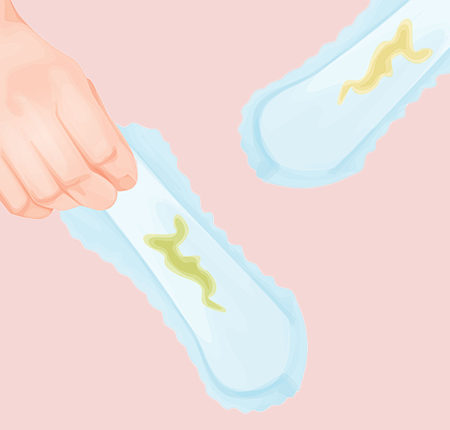
Yellowish-green discharge with no smell
Yellow discharge can be normal, and even what you've eaten over the past few days can change the colour of your secretions. Once a green tinge comes into play, however, it's highly likely that yellowish-green discharge – even without a smell – indicates an infection. The greenish tone is a natural inflammatory response by the body to the infection.
Generally speaking, the conditions that cause greenish or dark yellow discharge are bacterial vaginosis and sexually transmitted diseases. Other clues that greenish discharge is infection-related include a thin or frothy texture and the presence of other uncomfortable symptoms (itching, irritation and so on).
Pink vaginal discharge / pink-coloured secretions
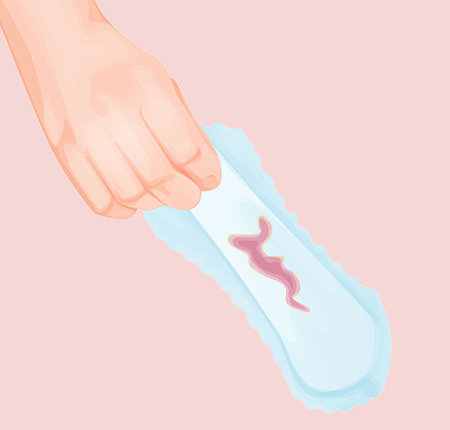
Pink vaginal discharge usually contains blood and is perfectly normal in certain situations: after childbirth (when the lining of the womb is clearing itself), during ovulation or before your period (known as spotting, or breakthrough bleeding). This pink tinge can also appear in early pregnancy, or if sex has been a little too energetic and caused minor irritation in the vagina. If, on the other hand, you're pregnant and notice heavier bleeding, speak to your doctor to establish whether it's normal or whether your baby is at risk. Don't panic: not every episode of bleeding in pregnancy is worrying – we've told you more about this HERE.
Black vaginal discharge
Black vaginal discharge usually doesn't signal an infection, but rather a hormonal or menstrual change. Find out more HERE about how hormonal disorders show up and what causes them. The black colour of the discharge can be due to cells the womb didn't fully shed during the previous cycle; it tends to appear just before or immediately after your period. Sometimes this colour can also be caused by switching hormonal contraceptive method.

Clear / colourless vaginal discharge
Translucent, watery, colourless discharge is completely normal. It can appear at any point in your cycle and may be heavier after intense physical activity. So that you can make the most of every moment, we at ENROUSH have developed the perfect technology for organic intimate care every day of the month – not just during your period. Our panty liners, made from 100% certified organic cotton with a neutral pH and a natural, super-absorbent core, are your daily back-up, so you can forget your worries and have more time for… you! You can order them here now or take out a subscription – we'll make sure you get exactly what you need, exactly when you need it.

Types of vaginal discharge by consistency
As well as colour, the consistency of vaginal discharge can vary according to a range of factors – hormonal changes or infections, for instance. Let's translate each texture into plain language.
Heavy vaginal discharge
If there are no other symptoms, heavy vaginal discharge is nothing to worry about. It's also normal for discharge to increase with sexual arousal and during ovulation. Taking the pill and emotional stress can likewise lead to imbalances.
Lumpy vaginal discharge
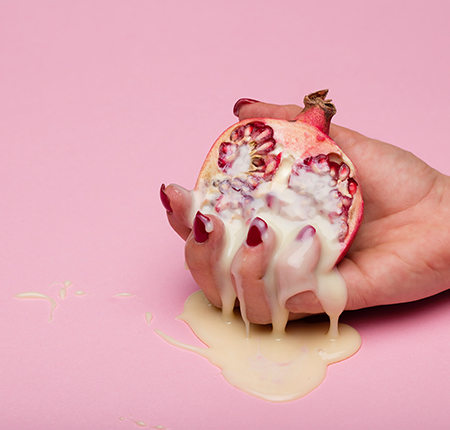
Any lumpy discharge, especially combined with itching or irritation, counts among the symptoms of abnormal vaginal discharge. Since an infection may be behind it, we recommend seeing a gynaecologist straight away.
Watery vaginal discharge
Watery vaginal discharge appears as a clear or translucent fluid. These secretions carry bacteria and dead cells out of the vagina and are normal, as they protect the vaginal and urinary tracts from infection. You'll most often notice this kind of discharge around ovulation, after intense exercise or when you're sexually aroused.
Gel-like vaginal discharge
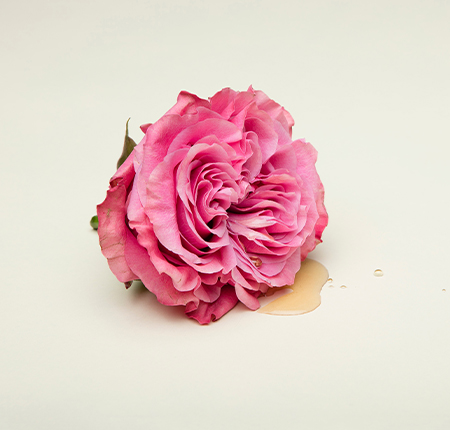
If the discharge is white-clear and gel-like, this points to high oestrogen levels, as occur during ovulation; it can also appear during or after sexual arousal. If it's clear, gel-like discharge during pregnancy, this may be a sign that the cervix is opening.
Sticky vaginal discharge
Thick, sticky, white vaginal discharge between periods is very often completely normal. It only becomes a problem if symptoms such as general weakness, headaches or lower back pain appear alongside it – in which case you should seek medical advice.
Another situation in which there may be a problem is if you also notice spotting or bleeding. If it happens frequently, is heavy or lasts several days, bleeding between periods is not normal and needs medical assessment. Read more HERE about what is and isn't normal when it comes to bleeding between periods.
Creamy vaginal discharge
Creamy white discharge acts as a barrier, protecting the cervix from potential infection. The closer ovulation gets, the thinner the white discharge becomes, turning clear or milky. These secretions are a sign of fertility.

Abnormal vaginal discharge – how do we recognise it?
Normal vaginal discharge is a healthy way for the body to clean itself and a protective mechanism for the vagina. As we've said: fluctuations in colour and consistency are normal, while itching and irritation are signs of infection.
A good habit for our health as women is to keep a diary noting all the changes that occur over the course of a cycle. It helps you look after your body properly – and if changes do occur, the causes can be analysed in concrete terms using your notes. How cool is that?
Vaginal discharge – causes
Good to know:
-
Vaginal discharge is normal and changes over the course of the menstrual cycle.
-
It's normal for discharge to increase with sexual arousal and during ovulation.
-
Emotional stress and the contraceptive pill can upset the balance of vaginal discharge.
-
Abnormal vaginal discharge is usually caused by an infection.
But which factors influence the appearance of vaginal discharge?
Vaginal discharge and the menstrual cycle
Vaginal discharge is a natural phenomenon throughout the menstrual cycle that maintains the balance of the vaginal flora. These secretions usually change depending on which day of your cycle you're on:
-
Days 1–5: At the start of your cycle, discharge is usually red or bloody, as the body sheds the lining of the womb.
-
Days 6–14: After your period you may notice less discharge than usual. As the egg grows and matures, cervical mucus becomes cloudy and white or yellow. It may feel sticky.
-
Days 14–25: A few days before ovulation, the mucus is thin and slippery, much like the consistency of egg white. After ovulation it becomes cloudy again, white or yellow and possibly sticky.
-
Days 25–28: Cervical mucus becomes thinner and is barely noticeable just before your next period.
Discharge caused by vaginal infections & conditions
Abnormal vaginal discharge is usually caused by an infection which, left untreated, can lead to various conditions. We'll look at some of them here.
Fungal infections
Yeast infections can develop in the vagina fairly easily and bring about changes such as white discharge with a lumpy consistency, itching, inflammation around the vagina, burning when passing urine and pain during sex.
Sexually transmitted infections
Urogenital trichomoniasis is a sexually transmitted infection that affects both sexes. In women, alongside burning, pain (including in the urinary tract) and inflammation, the vaginal discharge is abnormal: yellowish-green and foul-smelling.
There are many other sexually transmitted infections that can cause yellow or greenish discharge – in a separate article we've told you everything you need to know about sexually transmitted diseases.
Bacterial infections
Bacterial vaginitis often occurs alongside candidiasis, trichomoniasis or urinary tract infections. Although the body sometimes shows no specific signs, as the infection progresses the discharge becomes homogeneous, yellowish-grey and foul-smelling.
Gonorrhoea
In women, abnormal vaginal discharge is one of the main symptoms of gonorrhoea. It is yellow or greenish, as it often contains pus. The shade is cloudy or opaque, and the texture watery or very thin.
Gonorrhoea is caused by the bacterium Neisseria gonorrhoeae and may be symptomless or present with pain or burning when passing urine, pressure in the lower abdomen, bleeding after intercourse or changes to your cycle. Read everything you need to know on our blog about what gonorrhoea is and how it's treated.
Chlamydia
The bacterium Chlamydia trachomatis, transmitted through unprotected sex, causes the infection that bears its name. Chlamydia affects the cervix, womb and fallopian tubes, but also the urethra, rectum, throat and eyes – and unusual vaginal discharge is one of the earliest and clearest symptoms.
Discharge caused by chlamydia smells unpleasant and can be various colours, from white and yellow to green and grey. Pyuria (pus in the urine) is another symptom of chlamydia infection.
Discharge and the menopause
The menopause is a new stage of life in which changes appear throughout the body – including in vaginal discharge. Falling oestrogen levels make the vaginal walls thinner and drier, leading to vaginal dryness. If, on the other hand, there is excessive discharge, there may be a vaginal infection, and we recommend seeing a doctor.
Discharge caused by inadequate hygiene
Inadequate hygiene can have a considerable effect on the balance of your intimate area. Using poor-quality or perfumed products, as well as not cleansing the vulva properly – all of this can lead to abnormal discharge. Doctors therefore recommend products that respect the pH of the intimate area and contain the most natural ingredients possible.
Vaginal discharge caused by external factors
Other factors that influence vaginal discharge include:
-
Medicines (antibiotics, unsuitable contraceptives)
-
Excessive douching
-
Extreme diets
-
Pregnancy/breastfeeding
-
Diabetes mellitus
-
Stress
-
Vices (alcohol, smoking)
-
Vaginal cancer, cervical cancer
-
Improper use of tampons
Vaginal discharge in pregnancy
Vaginal discharge changes considerably during pregnancy. At this time it should be clear or white and usually slightly sticky, with no unpleasant smell. During pregnancy, oestrogen and progesterone levels rise, which is why the amount of vaginal fluid also increases significantly.
Abnormal discharge is more likely in pregnancy, as the body is more susceptible to fungal and bacterial infections.
Discharge in pregnancy means different things depending on its colour, consistency and smell. We can classify it as follows:
-
White discharge in pregnancy is caused by increased hormone production, including oestrogen and progesterone, and is completely normal.
-
White, lumpy discharge with no smell is typical of pregnancy and doesn't indicate a problem.
-
Yellow or greenish discharge in pregnancy may indicate an infection if it's accompanied by an unpleasant smell or discomfort.
-
Brown or dark red discharge can be due to hormonal fluctuations and is nothing to worry about.
-
Bright red discharge may indicate a miscarriage if it is heavy and accompanied by lower abdominal pain.
-
Mucous discharge in pregnancy consists of accumulations of mucus that seal the cervix to protect the baby from infection.
Risk factors
The most important risk factor for abnormal vaginal discharge is fungal, bacterial or sexually transmitted infection. Vaginitis and pelvic inflammatory disease can also change the appearance and smell of discharge.
Those most susceptible to unusual discharge and unpleasant odour in the intimate area are people who:
-
have unhelpful hygiene habits (for example douching, not changing a tampon or pad often enough, using perfumed soaps and conventional period products that may contain toxic chemicals, and so on)
-
have cervical or vaginal cancer
-
are pregnant
-
have vaginal atrophy
-
have unprotected sex or multiple sexual partners
Accompanying symptoms – what to do if you notice abnormal vaginal discharge
Any change in colour, smell or thickness, particularly in combination with other symptoms, should prompt you to get a medical check-up. Symptoms that must never be ignored include:
-
fever
-
abdominal pain
-
unexplained weight loss
-
fatigue
-
frequent urination
-
itching, burning or inflammation in the intimate area
Your specialist can make an accurate diagnosis after asking you about your medical history, past or present conditions, treatments you've had, medicines you take and the intimate care products you use.
Is there a treatment for vaginal discharge?
Over-the-counter preparations are usually the first treatment option. These generally include:
-
tablets
-
vaginal pessaries
-
cream
If your symptoms haven't cleared up after about a week, or if the infections keep coming back, see a doctor. It's worth remembering that many sexually transmitted diseases show no symptoms at all, and that an untreated infection can lead to serious complications. So let's be cautious and always get a gynaecologist's opinion.
As for vaginal dryness: it doesn't only occur during the menopause but is a genuine problem for many women. Reading our article Everything you ever wanted to know about vaginal dryness will help you better understand how your vagina works and what causes this problem.
Ways to prevent it
There are many types of vaginal discharge, and some are normal – they can't be prevented, and nor do they need to be. Clear or white discharge that's transparent and odourless with a sticky or gel-like texture may simply be a sign that the vagina is cleaning itself, that you're pregnant, or that your period is starting or ending.
Yellowish-green discharge with an unusual texture, an unpleasant smell and accompanying discomfort is not normal – and the best prevention is to avoid the risk factors and causes. We therefore recommend that you:
Frequently asked questions
What tests are carried out for vaginal discharge?
Samples are taken at gynaecology clinics by a specialist. For 48 hours before the sample is taken, you should avoid sexual intercourse, douching and any intravaginal treatments or manipulation. Samples are taken outside your period.
This kind of microbiological test is available at any clinic with a gynaecology practice and medical laboratory; prices start at around £10 and depend on the clinic you choose.
Can natural remedies solve vaginal problems?
Experts are divided on the use of certain foods and supplements to restore or maintain balance in the intimate area. Natural remedies are therefore only an option if your gynaecologist expressly recommends them to you.
The most important thing you can do yourself is maintain appropriate hygiene.
Can stressful periods cause abnormal vaginal discharge?
Stress or emotionally demanding periods can affect our bodies in many ways – including by causing abnormal vaginal discharge.
Can dehydration affect vaginal discharge?
In some cases, women notice thicker vaginal discharge when they're dehydrated.
References:
1. Vaginal discharge - causes, diagnosis and treatment - https://www.bmj.com/content/328/7451/1306.full
2. Incidence of various causes of vaginal discharge among sexually active females in age group 20-40 years - https://ijdvl.com/incidence-of-various-causes-of-vaginal-discharge-among-sexually-active-females-in-age-group-20-40-years/
3. Vaginal discharge: common causes and management - https://www.sciencedirect.com/science/article/abs/pii/S0957584706000552
4. Vaginal discharge - https://www.mayoclinic.org/symptoms/vaginal-discharge/basics/causes/sym-20050825
5. Vaginal discharge - https://my.clevelandclinic.org/health/symptoms/4719-vaginal-discharge
6. Vaginal discharge - https://www.nhs.uk/conditions/vaginal-discharge/
7. Vaginal Discharge: Is It Normal? - https://www.webmd.com/women/vaginal-discharge-whats-abnormal
8. Everything You Need To Know About Vaginal Discharge - https://www.healthline.com/health/vaginal-discharge

Medium, super or extra absorption

Low, medium or super absorption

Low or medium absorption


and happily breaking taboos!


