

Vaginal Itching (in the Intimate Area) – Causes & Treatment Options
Itching anywhere on the body is unpleasant, but when it occurs in the intimate area, the sensation is all the more distressing. Worse than vaginal itching itself is the uncertainty about its cause. There isn't always something worrying behind it, but possible triggers include infections and sexually transmitted diseases.
In medical terminology, this itching sensation is known as pruritus.
Itching in the genital area usually arises when the balance between good and harmful bacteria in the vagina is disturbed – in which case a visit to the doctor is essential. Today we'll look together at why vaginal itching occurs, how it's treated and how to prevent it.
What is vaginal itching?
Itching in the intimate area in women means discomfort in the region of the vagina. The sensation may be limited to the skin of the groin or pubic area and affects the inner or outer labia as well as the inside of the vagina. Other symptoms may accompany this discomfort.
Causes – why does the intimate area itch?
Naturally the question arises: "Why me?" – and the answer isn't a short one. There are many causes of itching in the intimate area, and not all of them have anything to do with a bacterial infection.
Irritation after hair removal
Discomfort in the intimate area can be caused by hair removal with wax and is generally no cause for concern. In this case it's temporary irritation that resolves on its own within a few hours.
Hormonal changes
Hormonal changes such as a falling oestrogen level can cause the vaginal lining to become thinner – and that's precisely what triggers itching. If you're already going through the menopause or notice perimenopausal symptoms, the likelihood of itching is even higher.
The same applies during pregnancy and breastfeeding. We even have a dedicated article here in which we discuss in more detail the changes your body goes through during pregnancy.
Itching caused by genital herpes
Genital herpes is caused by the herpes simplex virus and shows itself through painful, fluid-filled blisters on the skin that cause itching. This virus is one of the sexually transmitted diseases, remains in the body for life and flares up particularly during periods of intense stress or when the immune system is weakened.
We discuss the treatment and prevention of genital herpes here.
Vaginal itching caused by trichomoniasis
Trichomoniasis is another sexually transmitted disease that causes redness and itching in the intimate area, greenish or yellowish discharge, pain when passing urine or during sex, as well as bleeding after intercourse. Women past their first youth are most commonly affected.
Vaginal itching caused by candidiasis
Candidiasis is a fungal infection caused by a yeast called Candida. This normally lives on the skin and inside the body without causing any trouble. However, if the surrounding conditions change – hormonally, for example – Candida can multiply considerably and trigger infections that lead to vaginal itching or pain, discomfort when passing urine, pain during intercourse and unusual discharge.
Every woman may be affected by Candida at least once in her life – and we're here with all the information you need to know. You'll find the symptoms, prevention and treatment of candidiasis here.
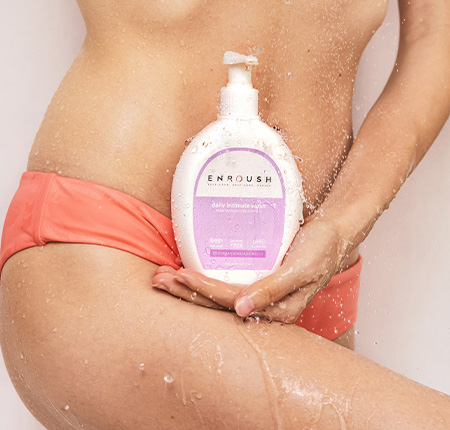
To prevent and relieve the symptoms of a Candida infection, Enroush has developed an intimate gel formulated specifically by gynaecologists and dermatologists with 95% natural ingredients. It helps prevent irritation, itching, dryness and Candida infections – thanks to the extract of Tribulus terrestris, it offers 87% effective protection against infection with the bacterium Candida albicans.
Discomfort caused by bacterial vaginosis
Bacterial vaginosis is one of the most common vaginal infections in women between the ages of 15 and 45. Bacteria are naturally present in the vagina, but when they multiply uncontrollably, bacterial vaginosis develops. Sexually active people are particularly often affected. Symptoms include itching in the intimate area, burning and pain, whitish or greyish discharge, burning when passing urine as well as a strong, unpleasant odour in the genital area – especially after intercourse.
Itching caused by vaginal dryness
Vaginal dryness can lead to internal and external itching. In general, hormonal changes during the menopause, overly long showers and certain medicines can dry out the vagina.
Vaginal itching caused by irritants
Certain chemical substances can irritate the vulva and trigger itching in the intimate area. The culprit may be a lubricant or spermicide, latex condoms (avoid them if you have a latex allergy), a soap (intimate wash or otherwise), laundry detergent or fabric softener. If no symptoms other than itching appear, it's very likely that an intimate care product is the cause.

Genital pruritus caused by various skin conditions
Eczema and psoriasis are conditions that can cause long-term redness and itching in the area of the vulva. The unpleasant sensation can become worse at night – due to dry skin or sweat.
These complaints can be triggered by emotional stress, unsuitable panty liners, toilet paper, deodorants or an irritating soap used in the intimate area.
Other sexually transmitted diseases that cause itching
Other sexually transmitted diseases that can trigger itching in the intimate area are chlamydia and gonorrhoea. These diseases are easily passed on because they frequently cause no symptoms at all. Even so, it's worth knowing the signs of infection: itching on the vulva and inside the vagina, unusual and foul-smelling discharge, bleeding between periods, as well as pain when passing urine or opening the bowels.
As this topic deserves particular attention, we've written a whole article on sexually transmitted diseases containing everything you need to know – you'll find it here.
Vaginal itching caused by vulval or vaginal cancer
In very rare cases, itching in the intimate area in women can be a sign of vulval or vaginal cancer. For this reason, any complaint in the intimate area should be discussed with your doctor, who will make a diagnosis and recommend the appropriate treatment.
What causes can trigger itching in the external genital area?
The causes of itching in the external genital area, i.e. on the vulva, are essentially the same as those of vaginal pruritus. It may be irritation from detergents, synthetic fibres or other harmful substances in intimate care products – or a more serious problem.
Bacterial vaginosis, candidiasis, sexually transmitted infections such as chlamydia, gonorrhoea or trichomoniasis, fungal infections as well as skin conditions such as psoriasis or eczema are the most common causes. Another possible cause is pediculosis pubis, i.e. an infestation of pubic lice, which causes intense itching that worsens at night.
Vaginal itching often subsides on its own within a short time. There are, however, certain signals from your body that absolutely require a visit to the doctor. So take care if other symptoms accompany the itching in the intimate area, such as:
- pain or burning during sex or when passing urine
- pain in the genital area or pelvis
- redness or swelling in the genital area
- blisters or unusual lumps on the vulva
- unusual discharge (green, yellow or grey)
- frothy or crumbly, cottage-cheese-like discharge with an unpleasant odour
When should you see a doctor?
Depending on your symptoms and the specialist's findings, further investigation may be recommended in order to determine the appropriate treatment.

Diagnosing genital itching
What can you expect at your appointment?
Your doctor will ask you about your symptoms, their severity and duration. You may also be asked about your sexual activity so that the causes of the vaginal itching can be clearly determined.
A gynaecological examination is very likely to be necessary; during this, a skin sample may be taken from the vulva or a swab of the vaginal secretion for analysis. Depending on the situation, your doctor may also recommend blood or urine tests.
Treating itching in the intimate area
Once your doctor knows the cause of your vaginal itching, they will recommend the appropriate treatment. You'll find some of the most common options below.
Ointment / cream for vaginal itching
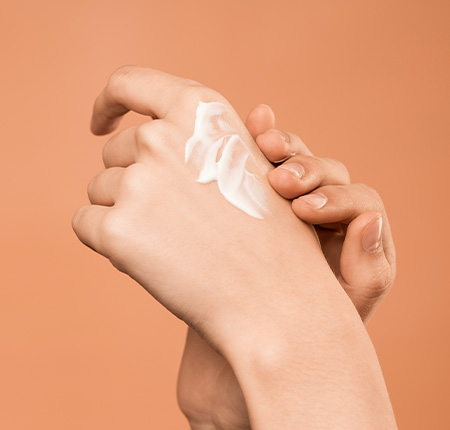
A cream for vaginal itching is a recommended treatment to protect the external intimate area from itching, mild pain, redness or burning – complaints that can occur due to a vaginal infection, after prolonged tampon use or with vaginal dryness.
Other skin conditions such as eczema, dry skin or contact dermatitis in the intimate area are likewise treated by applying ointments locally as well as with medicinal treatments.
Vaginal pessaries for itching in the intimate area
For fungal infections (such as candidiasis), treatment with antifungals is usually recommended – in women either in the form of vaginal pessaries or as a single-dose oral medicine. These quickly clear the itching and the remaining symptoms.
Medicinal treatment of vaginal itching
Doctors frequently prescribe a course of medicine for vaginal itching. Complaints such as eczema, dry skin or contact dermatitis in the intimate area clear up through the local application of ointments combined with medicinal therapies.

Treating itching on the outer labia
If the itching affects the outer labia, your doctor may prescribe ointments for itching in the intimate area that are used to treat dermatological inflammation. You should apply them externally only and take care that they don't get inside the vagina.
You can temporarily relieve the symptoms with corticosteroid creams for itching in the intimate area (e.g. hydrocortisone). For severe pruritus, oral antihistamines may also be prescribed. Antifungal creams and prebiotics are also used to relieve itching on the outer labia.
Treating itching in the intimate area at home
Alongside your doctor's recommendations, you can try some tried-and-tested home remedies to relieve itching in the intimate area. Our advice: check with your doctor before using them.
Here's what you can do to relieve itching in the intimate area:
- a bath with oatmeal or bicarbonate of soda before bedtime
- briefly place a towel with ice cubes on the vulva
- use an anti-itch cream from the pharmacy
- apply Greek yoghurt to the intimate area
- eat probiotic foods (yoghurt, kombucha, kimchi, sauerkraut, miso)
- wear cotton underwear only
- wash the intimate area with water only, without perfumed soaps

Itching in the intimate area in men
Intimate itching can affect men too, though it presents somewhat differently. The discomfort is either intermittent or persistent and usually occurs around the penis. The itching may be accompanied by other symptoms. We recommend seeing a doctor to establish the causes and the appropriate treatment.
Itching in the intimate area in children
Vaginal itching can also occur in children. The causes include:
- vaginitis – from wiping the intimate area incorrectly
- inflammation – caused by chemical substances in bath products
- sexual abuse
Whatever the situation, we recommend seeing a doctor so that the causes of the vaginal itching can be treated appropriately.
Preventing itching in the intimate area
There are several ways to protect yourself from infections and other problems that lead to vaginal itching. Here are our tips:
- Avoid perfumed toilet paper, intimate deodorants, powders and vaginal douches.
- For intimate hygiene, use soaps and gels developed specifically for this area. It's important to wash once or twice a day – no more often, so as not to cause dryness.
- Always wipe from front to back after using the toilet.
- Wear cotton underwear and change it daily. At night, sleep in cotton shorts or trousers, without underwear.
- During your period, use pads rather than tampons.
- If you suffer from vaginal dryness, use a water-based lubricant before intercourse.
- Avoid unprotected sex, especially with multiple partners, to reduce your risk of sexually transmitted diseases.
- Avoid clothing that traps heat and moisture: nylon underwear and overly tight jeans, for example, can encourage a Candida infection.
- Change out of wet or damp clothing straight after swimming or exercise.
- Change little girls' nappies regularly.
- Look after your health on an ongoing basis and attend regular gynaecological or urological check-ups.
- Don't scratch when it itches – this can irritate the intimate area further.
Always look after yourself and consult a doctor who can recommend the treatment that's right for you.
Frequently asked questions about vaginal itching:
Questions such as "Which home remedies are most effective?" or "How do I treat itching in the intimate area at home?" are asked particularly often. What matters, however, is this: the best treatment at home isn't self-medication (which can make everything worse), but proper intimate hygiene combined with the therapy prescribed by your doctor.
But we know that when symptoms are this unpleasant, you naturally wonder how to get rid of them as quickly as possible. Below we've answered the most common questions about treating itching in the intimate area.
What should you wash the intimate area with if you suffer from genital itching?
All you need is water and a natural intimate gel to cleanse the vulva – that is, externally, not inside the vagina. Use Enroush Intimate Gel daily, with 95% natural ingredients and a neutral pH, to protect your intimate flora.
Avoid soaps, shower gels and deodorants containing fragrances or other harsh chemicals, as they can make the itching worse. For days when you need a quick freshen-up, you can use Enroush's hypoallergenic intimate wipes – enriched with chamomile and prebiotics for gentle, non-irritating cleansing.
What can itching and burning in the intimate area mean?
Itching combined with burning in the intimate area, particularly when passing urine or during intercourse, can indicate a urinary tract infection. Equally common causes are infections with Chlamydia or Neisseria gonorrhoeae – sexually transmitted infections that respond well to antibiotics and vaginal pessaries for itching in the genital area.
What can itching in the intimate area with cracked skin mean?
Vulval dermatitis, triggered by eczema, moisture, allergies or heat, shows itself through itching and cracked, reddened and sometimes painful skin. After examining you, your doctor may carry out a skin test to establish the exact cause and prescribe a treatment in the form of creams or ointments to relieve your symptoms.
What can itching in the intimate area with redness mean?
Itching in the groin area and reddened skin can indicate a fungal infection, a sexually transmitted disease such as trichomoniasis, or even skin conditions such as eczema and psoriasis. A visit to the doctor involving skin tests or examination of the vaginal secretion allows them to identify the cause and, depending on the findings, prescribe the best ointment for itching in the intimate area.
Can itching in the intimate area indicate an allergy?
Yes! Especially if no other symptoms are present (unusual discharge, fever, lower abdominal pain or pain during intercourse or when passing urine), an allergy may be the cause of the itching.
Irritants such as fragrances, bleaching agents, detergents or synthetic fibres are found in soaps, shower gels, intimate deodorants, bubble bath, toilet paper and even in period products and underwear. Read the labels and choose organic products with ingredients that are as natural as possible and free from allergens.
What does it mean if I have genital itching and discharge?
Genital itching together with discharge of an unusual colour or with an unpleasant odour can indicate an infection. This may be bacterial, fungal or sexually transmitted. See your gynaecologist to establish the cause and get the appropriate treatment. Once a diagnosis has been made, your doctor can recommend the best therapy for the itching in your intimate area.

Medium, super or extra absorption

Low, medium or super absorption

Low or medium absorption


and happily breaking taboos!


