

Vaginitis (Vulvovaginitis) – What Is It? Symptoms, Causes & Treatment
You've probably heard us talk about vulvovaginal health many times, and perhaps you've come across the term vaginitis or vulvovaginitis as well – but nobody has explained to you exactly what it means, how it affects you and how you can protect yourself against it. So today we're going to talk in detail about this condition: what it is, when it occurs, what forms it takes, how vulvovaginitis presents itself and what we can do to protect our intimate health. Let's go through it step by step.
What is vaginitis (vulvovaginitis)?
Vaginitis, also known as vulvovaginitis, is essentially a medical umbrella term for an infection or inflammation of the vulva or the vagina (the vulvovaginal area), which can have a variety of causes. Like any inflammation, vaginitis is unpleasant and causes discomfort. It leads to itching, burning, pain and unusual discharge.
Even so, the condition itself is by no means unusual – it can occur at any age, and one in three women will experience at least one form of vaginitis during her lifetime. So there's no need to panic; you simply need to see your gynaecologist as soon as you reasonably can. Let's talk about how vulvovaginitis develops, how it presents itself and how it is treated.
Forms of vulvovaginitis:
There are many factors that can infect or inflame a woman's vagina and vulva – and accordingly, there are just as many forms of vulvovaginitis.
The infection may be caused by viruses, bacteria or fungi. Equally, the inflammation may arise as a reaction to the skin coming into contact with allergens and harmful chemicals in care products such as shower gel, or in menstrual products. Vaginal dryness, low oestrogen levels or unprotected sexual intercourse can also lead to vulvovaginitis.
We'll now go through these factors one by one to see how vulvovaginitis can be classified.

Bacterial vaginitis
This is the form of vaginitis that most commonly affects women before the menopause. As the name suggests, it is caused by various bacteria. These bacteria are normally present in your vagina anyway, but they cause inflammation when they multiply excessively – just as Candida does when the vaginal pH is disturbed.
It is not a sexually transmitted disease, but it does occur more frequently in women with an active sex life. The main risk factors are changing sexual partners, vaginal douching and smoking.
It's important that bacterial vaginitis is correctly diagnosed. Don't confuse it with thrush and don't treat yourself, because the treatment for Candida infections differs from that for bacterial infections and can even make them worse!
Atrophic vaginitis
Unlike bacterial vaginitis, which mainly occurs before the menopause, atrophic vaginitis affects women primarily during the menopause and perimenopause, or following surgical removal of the ovaries. It is a non-infectious form of vaginitis that develops as a result of low oestrogen levels, when the vagina becomes dry.
The vagina can also become drier and atrophic during breastfeeding and the postnatal period – so you're also susceptible to atrophic vaginitis at this stage of life. Likewise, treatments for endometriosis or breast cancer can lead to low oestrogen levels and therefore increase the risk of atrophic vaginitis.
Acute vaginitis
If you look at the stage of the condition – rather than its causes – it can be classified as:
- acute vaginitis, which we're discussing now;
- chronic vaginitis – which we'll come to a little further down.
The acute form is the most common, and it's the one we mean when we talk about bacterial vulvovaginitis and Candida vulvovaginitis. The acute symptoms of vulvovaginitis also include inflammation of the vulva as a result of sexually transmitted infections such as trichomoniasis, chlamydia or gonorrhoea.
It presents with burning, pain, itching, vaginal discharge and pain during intercourse.
Mycotic / fungal vaginitis (Candida vaginitis)
Fungal (mycotic) infections are the second most common cause of inflammation of the vulva and vagina. The best-known cause of fungal vaginitis is an infection with Candida albicans or other Candida species.
Thrush develops, as mentioned above, when something disturbs the vaginal balance and Candida multiplies excessively. This can happen, among other things:
- when you're pregnant and hormonal changes occur;
- when you have diabetes and glucose levels in the urine and vagina are too high;
- after taking antibiotics, which also kill the good bacteria normally found in the vagina.
Did you know we've already talked about thrush in an earlier blog post? You can read it HERE to find out more about preventing and treating a Candida albicans infection.
Non-infectious vaginitis
Vulvitis (i.e. inflammation of the vulva) or vaginitis can also occur without an infection. In this case we speak of non-infectious vulvovaginitis, which is essentially an allergic reaction. This means that something is irritating your genital area without causing an infection.
The balance of the vaginal flora is delicate, and such irritation can arise both from products you use in the vaginal area and from materials or substances that simply come into contact with the sensitive skin of your intimate area:
- spermicides;
- vaginal douches;
- vaginal sprays;
- semen;
- foods you're allergic to (peanuts, chocolate, soya, eggs, nuts, etc.)
- intimate hygiene products containing fragrances and other harmful substances (soaps, shower gels, wet wipes, lubricants, creams);
- detergents and fabric softeners used to wash underwear;
- underwear made from synthetic materials that don't let the skin breathe;
- conventional menstrual products containing plastic, dioxin, fragrances and other toxic ingredients.
Non-specific vaginitis
Another way of dividing vaginitis into two types according to its cause is:
- Specific vaginitis, when it stems from particular pathogens such as viruses, fungi, bacteria, protozoa or arthropods. This category includes vaginitis caused by HPV (human papillomavirus), genital syphilis (the bacterium Treponema pallidum) or trichomoniasis (Trichomonas vaginalis).
- Non-specific vaginitis, which occurs when the vaginal flora is out of balance.
There are various ways you can develop non-specific vaginitis, but they all come down to the proliferation of bacteria that normally live in the vagina. The factors that trigger excessive multiplication of these bacteria include:
- at a local level: the period after giving birth or after a termination, inadequate intimate hygiene, injuries resulting from sexual intercourse;
- generally: hormonal changes, diabetes mellitus, a weakened immune system.
Trichomoniasis
Vulvovaginitis can also be triggered by sexually transmitted viruses, bacteria or parasites – trichomoniasis is one such example. The same goes for gonorrhoea and chlamydia; these three are the most common causes of viral (sexually transmitted) vaginitis.
Vaginal discharge with an unpleasant smell and itching are the most common signs of trichomoniasis, when the protozoan Trichomonas vaginalis (a tiny, single-celled parasite) infects your vagina. As a rule, men who transmit this parasite show no symptoms whatsoever. To get rid of such an infection effectively, at least 7 days of sexual abstinence are required and all partners must be treated.
Mixed vaginitis
The name alone reveals what mixed vaginitis is all about. It is very rare and means that not one but at least two infections (or two pathogens) are simultaneously causing inflammation of the vulvovaginal area:
- bacterial vaginitis;
- herpes simplex;
- Trichomonas vaginalis;
- Neisseria gonorrhoeae;
- Chlamydia trachomatis.
We speak of mixed vaginitis, for example, in a patient with trichomoniasis & another bacterial infection, thrush & another bacterial infection, or a chlamydia infection & another bacterial infection. In these cases, treatment must be given for both conditions.
Chronic vaginitis
Far rarer than the acute vaginitis described above is chronic – or persistent – vaginitis. It shows the same symptoms as the acute form, but lasts 6 months or longer. The main reason for this is that after a while the symptoms come and go, or that the patient instinctively treats herself with creams or antifungals without seeing a gynaecologist.
When correctly diagnosed and treated, chronic vaginitis clears up within a short time. The most common forms of chronic vaginitis are:
- Desquamative inflammatory (aerobic) vaginitis: this presents with irritation and inflammation of the genital area, purulent vaginal discharge and considerable discomfort.
- Untreated atrophic vaginitis, which we discussed above and which mainly occurs during the menopause;
- Untreated irritation, allergies and dermatological problems in the intimate area.
Vaginitis – symptoms:
The symptoms of vaginitis differ according to the form the individual patient is suffering from. You've already seen how many forms and causes vulvovaginitis has, and it's only natural that the symptoms are just as numerous and varied. Essentially, however, they all come down to inflammation of the vulva and vagina. The most common symptoms are:
- Unusual vaginal discharge;
- Burning, itching, redness, a feeling of heat;
- Swollen organs in the genital area and an inflamed vagina;
- Burning, stinging or pain when passing urine;
- Pain and discomfort during intercourse and beyond. Pain during sex is not, however, a symptom exclusive to vaginitis; it can have many other causes, which we've also covered on our blog: why do you feel pain during sex?
Above we've listed only a few general signs and symptoms. Depending on the type of vaginitis, however, they become more specific – so let's look at how the forms of vulvovaginitis mentioned above present themselves. Here are the main symptoms of:
- Bacterial vaginitis: inflammation of the labia and vulva, a noticeable odour and a milky, thin consistency of the vaginal discharge, which becomes more unpleasant after menstruation or after intercourse; bacterial vaginitis can also be symptom-free – in which case the doctor only detects it during a routine examination.
- Fungal/Candida vaginitis: redness and vaginal itching, thick, white or watery, odourless discharge, small lesions on the vulva, burning when passing urine and sometimes a swollen vagina and inflamed labia.
- Non-infectious vulvovaginitis: a swollen vulva, inflamed labia minora, burning and itching of the vulva and vagina, as well as gelatinous, thick, yellowish or greenish discharge can be symptoms of allergic reactions without infection.
- Trichomoniasis: yellow-green colour and unpleasant odour of the vaginal discharge, pain and itching of the vulva and vagina, burning when passing urine, as well as vaginal pain or discomfort in the lower abdomen during intercourse, which worsens after menstruation. Inflamed labia are also a symptom of trichomoniasis and genital syphilis.
- Chlamydia: pain in the lower abdomen and pelvis as well as light bleeding, particularly after intercourse. Sometimes vaginal discharge also occurs, but the symptoms are usually easy to miss.
- Herpes: small sores and lesions inside the vagina or around the vulva, which are only visible during a gynaecological examination. The pain caused by these lesions is the main symptom of herpes-related vaginitis.
- HPV virus: white, grey, pink or purple genital warts may appear, but they don't always show. Without visible signs, human papillomavirus is only detected during a smear test.
Vaginitis – causes & risk factors:
We've already mentioned some of the main causes of vaginitis above, but now let's set out exactly which causes and risk factors there are for vulvovaginitis. So let's start with the causes:
- Bacterial, mycotic and viral infections are the causes of bacterial vaginitis, fungal vaginitis and vaginitis arising from infection with viruses, bacteria, parasites and other sexually transmitted pathogens respectively.
- Falling oestrogen levels during the menopause, the perimenopause, after surgical removal of the ovaries, or other hormonal problems are the causes of atrophic vaginitis.
- Untreated acute vaginitis is the cause of chronic vaginitis;
- Vaginitis caused by two or more simultaneous infections is the cause of mixed vaginitis;
Other causes of vulvovaginitis, or of inflammation of the vulva and/or vagina, are:
- Parasites: threadworms, scabies or pubic lice in the intimate area;
- Inadequate hygiene in the genital area;
- Other sexually transmitted diseases;
- A hormonal imbalance, for example after giving birth or a termination;
- Disruption of the vaginal flora through the use of products containing toxic ingredients for intimate hygiene or care.
And last but not least, other risk factors that make patients susceptible to vaginitis include:
- Starting a sex life with a new partner, or frequently changing partners;
- Wearing underwear and clothing made from synthetic materials that don't let the skin breathe;
- Using conventional menstrual products and intimate care products containing fragrances, bleaching agents, plastic, parabens or other harmful chemicals;
- Food allergies;
- Vaginal douching;
- Courses of antibiotics;
- Untreated diabetes;
- Problems with the thyroid or the endocrine system;
- Oestrogen-rich contraceptives;
- Pregnancy;
- A weakened immune system;
- Smoking.
Vulvovaginitis in summer
Some experts report that the number of patients with vulvovaginitis rises by 50% in summer, because high humidity and raised temperatures create the perfect environment for disruption of the vaginal flora and inflammation of the genital area.
To reduce this risk in hot weather, you should pay attention to your clothing and your hygiene habits, as these are the most important risk factors. So, as far as possible, avoid:
- Synthetic, thick and tight-fitting clothing: the skin needs to be able to breathe, but synthetic fibres in underwear or trousers trap sweat and moisture, thus encouraging disruption of the vaginal balance and the development of vaginitis. Organic cotton underwear and airy, lightweight clothing made from natural fibres are far better suited both to preventing such problems and to your comfort in summer;
- Damp clothing: here too, sweat and persistent moisture in the intimate area encourage the multiplication of bacteria and the development of vaginitis. The intimate area should stay dry, and it's a good idea to use organic panty liners even on days when you're not menstruating, as they absorb discharge and don't trap moisture. If you exercise in summer and sweat, shower and change your sportswear straight afterwards;
- Vaginal douching: unless medically recommended, you do NOT need it! Your vagina naturally has a slightly acidic pH precisely so that it can clean itself. Vaginal douches throw this pH off balance – so use only water and a natural intimate gel to cleanse the vulva and the external area only.
- Fragranced hygiene products: the fragrances in soaps, shower gels, sprays, intimate deodorants or sanitary towels can also disturb your pH balance. You don't need them – use only natural products free from fragrances and other chemicals that are toxic to your skin.
Is vulvovaginitis contagious?
Vulvovaginitis itself is not contagious, but the viral infections that cause it can be passed on to a partner. Trichomoniasis, chlamydia, gonorrhoea, HPV, herpes – all these sexually transmitted diseases can be passed on to a partner and lead to vaginitis.
Bacterial vulvovaginitis isn't transmissible either, but unprotected sex with multiple partners can increase the risk of it occurring.
When should you see a doctor?
It's always advisable to see a doctor if you notice a change in the colour, smell or consistency of your vaginal discharge, or if discomfort and pain occur. Whether it's vulvovaginitis or another condition affecting the intimate area, diagnosis and treatment as early as possible will help you get rid of the symptoms more quickly and effectively.
A visit to the doctor is especially urgent if you suspect vulvovaginitis and notice the following signs:
- You have vaginal discharge with an unpleasant smell;
- Discharge appears with an unusual consistency or a yellow-green colour;
- You experience itching, burning, redness;
- You notice swelling in the genital area;
- You have burning, stinging or pain when passing urine or during intercourse;
- You've never had a vaginal infection before;
- You've recently had one or more new sexual partners;
- You have a fever, pelvic pain or chills;
- The symptoms of thrush aren't going away, even though you've completed the prescribed treatment;
- You've recently had a course of antibiotics.
Diagnosing vulvovaginitis
To establish the cause and type of vulvovaginitis, the doctor may ask you questions about your medical history and carry out a gynaecological examination. They'll take a sample to examine your vaginal discharge under the microscope, and can thus determine what has caused your vaginitis.
The pH level may also be measured in order to make an accurate diagnosis. You may also be asked to refrain from sexual intercourse for 24 hours before the examination.
You can help your doctor make an accurate diagnosis by describing all the symptoms you've noticed – that is, any striking change in your vaginal discharge, unusual smells in the intimate area, or discomfort.
Treatment of vaginitis / vulvovaginitis:
The first step in treating vulvovaginitis is the correct diagnosis, because a therapy unsuited to the particular form can make the symptoms worse. Depending on the cause, the appropriate treatment is then selected.
With non-infectious vaginitis, for example, the treatment simply consists of stopping use of the products that may have caused the inflammation. That might mean replacing your shower gel or soap with a pH-neutral product, no longer using fragranced intimate hygiene products, choosing cotton underwear or changing your laundry detergent.
For the other forms of vaginitis, treatment may consist of using medication or special creams, which we'll discuss below.
Medicinal treatment
Antibiotics are the main treatment for bacterial vulvovaginitis. Likewise, for trichomoniasis a single dose of an antibiotic is the treatment that both you and your partner must take.
The same applies to the treatment of any other form of vaginitis caused by a sexually transmitted disease: both partners must be treated in order to prevent the spread of, and reinfection with, the virus or parasite in question.
If the vaginitis occurs as an allergic reaction, the doctor may, in addition to removing the trigger, also recommend antihistamines to relieve the symptoms.
Pessaries for vulvovaginitis
For mycotic vaginitis, vaginal pessaries (ovules) may also be prescribed, which are inserted into the vagina to treat infections caused by various micro-organisms. These pessaries contain antifungal, disinfectant, anti-inflammatory and soothing active ingredients that fight the infection and prevent it spreading.
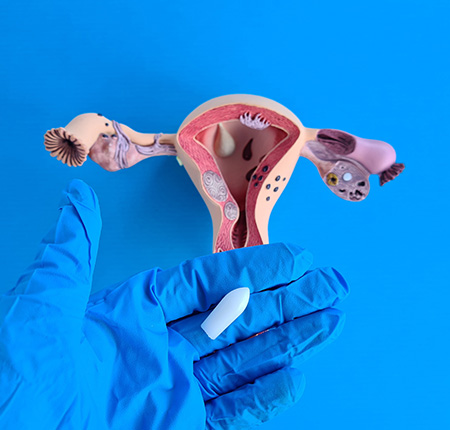
Worth knowing: pessaries for fungal or Candida vulvovaginitis are oil-based, which means they can reduce the effectiveness of latex condoms. For this reason, it's recommended that you avoid sexual intercourse during treatment to prevent an unwanted pregnancy.
Creams for vulvovaginitis
Fungal infections can also be treated with antifungal creams or gels, and for bacterial infections an antibacterial cream may be prescribed. The doctor may also recommend an oestrogen cream to treat atrophic vulvovaginitis if hormonal changes are the cause.
Is naturopathic treatment advisable for vulvovaginitis?
Delaying treatment for vulvovaginitis, or forgoing it altogether, is never advisable. Don't wait for the symptoms to disappear on their own, as they can get worse. Naturopathic treatment isn't advisable either – except after a gynaecological examination and with your doctor's approval.

After a visit to your gynaecologist and a correct diagnosis, you can – if your doctor agrees – also rely on natural remedies at home, for example:
- Baths with natural essential oils, free from fragrances or dyes, which care for the skin and can relieve itching, redness, burning and stinging;
- Sitz baths with a little vinegar, sea salt or tea tree oil to kill off certain bacteria;
- Antibacterial topical applications with coconut oil, crushed garlic or a paste of water and bicarbonate of soda;
- Cold compresses to soothe inflammation and discomfort;
- Lukewarm baths with bicarbonate of soda to relieve itching;
- Taking probiotics: there are some studies suggesting that the symptoms of vaginitis can be eased by cutting down on sugar and increasing your intake of yoghurt and probiotics containing lactobacilli.
Complications of vaginitis:
Without a correct diagnosis and suitable treatment of the infections that caused the vaginitis, they can get worse. In addition, untreated bacterial vaginitis and trichomoniasis can lead to serious complications, including:
- Problems in pregnancy: premature birth;
- Pelvic inflammatory disease (PID);
- Worsening of an HIV infection or other sexually transmitted diseases.
Preventing vaginitis
Preventing vaginitis essentially means preventing the inflammation that occurs when our vaginal flora is thrown out of balance. So we prevent such imbalances by paying attention to everything that comes into contact with our intimate area. In practical terms, here's how you can best protect yourself against the infections and irritation that can cause vaginitis:
- Keep your intimate area dry;
- Avoid staying in a wet swimming costume or in sweaty sportswear;
- Also avoid synthetic, thick, tight-fitting clothing that makes you sweat and traps moisture;
- Wear clothing and underwear made from cotton and natural fibres – loose, cool and breathable.
- Don't clean your vagina with vaginal douches; wash only the external area and the vulva;
- Avoid shower gels, soaps, sprays and intimate deodorants containing fragrances, dyes, parabens and other chemicals that can irritate your skin;
- Use only water and a natural, pH-neutral intimate gel to maintain your vulvovaginal hygiene – the Enroush intimate gel has been specially developed to protect your genital area with 95% natural ingredients.
- Protect yourself against sexually transmitted diseases and other infections by using a condom every time you have sex;
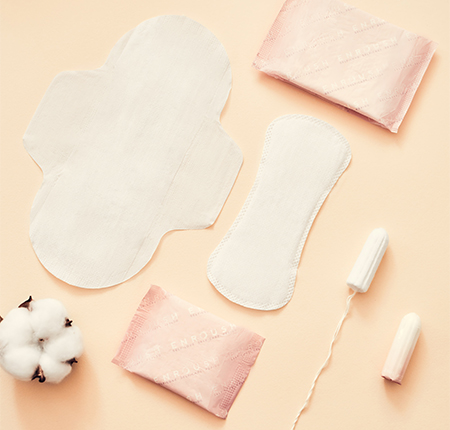
- Use only organic menstrual products that let the skin breathe and keep it dry without causing irritation. Enroush pads and tampons are made from 100% organic cotton and contain no plastic, fragrances, dioxin or synthetic fibres.
- Go for regular gynaecological check-ups so that any kind of infection is picked up early – including those with no symptoms.
Vulvovaginitis in children
Girls are particularly susceptible to vulvovaginitis before and during puberty, because their vaginal environment is more alkaline, there's no vaginal discharge and the vulvovaginal mucosa is much thinner. Whereas in an adult woman the main causes are infections with various sexually transmitted viruses, bacteria and micro-organisms, vulvovaginitis in children arises primarily from mistakes in intimate hygiene.
This applies to both insufficient and excessive hygiene. It can occur in girls of any age – from babyhood, when a nappy causes irritation, right through to puberty. Especially when hygiene is inadequate or the intimate area isn't wiped properly, bacteria remain there and encourage inflammation and infection.
Other causes of vulvovaginitis in children include excessive use of wet wipes, underwear that is too tight, the use of detergents or fabric softeners containing harmful chemicals when washing laundry and clothing, increased moisture in the intimate area, or the use of shower gels, soaps or bubble bath containing fragrances and other ingredients that are harsh on the skin.
The symptoms of vaginitis in girls are above all swelling of the vulva and vagina, redness, as well as burning, itching, stinging when passing urine and an unpleasant smell. Once the doctor has made a diagnosis based on the signs, treatment consists primarily of removing the source of irritation and – depending on the severity – administering antibiotics.
To prevent this problem in a girl's life, it's above all important that parents pay close attention to her hygiene and, as she gets older, teach her how to wipe properly, wash properly and protect herself against infection and irritation. These preparatory steps are crucial so that the girl can maintain her hygiene independently and correctly when she reaches puberty and wants more and more privacy. We've already written about this stage of life full of changes on our blog – there you'll find lots more useful information about puberty in girls.
Vaginitis in pregnancy
According to certain studies, bacterial vaginitis is one of the most common genital tract problems in pregnant women. There are statistics suggesting that between 10% and 30% of women develop this condition during pregnancy – mainly due to the hormonal changes that take place at this time.
The most common and most obvious symptom of vaginitis in pregnant women is an unusual, pungent smell in the intimate area, but there are also cases with watery, greyish discharge, burning when passing urine, or itching in the vulvovaginal area. Bleeding is not among the typical symptoms of vaginitis in pregnancy, but it can point to other health problems. So if you're pregnant and notice unusual bleeding, the information we've put together on bleeding during pregnancy may help you.
The greatest risk of bacterial vulvovaginitis in pregnancy is premature birth and low birth weight for the baby. Both can cause further health problems for the baby later on. Vaginitis caused by sexually transmitted diseases is equally dangerous, because these diseases can be passed from mother to child before, during and even after birth.
The doctor can prescribe a course of antibiotics that is safe for the baby, treats bacterial vaginitis and can reduce the risk of sexually transmitted diseases. They can be taken orally as tablets or applied locally as a gel or cream.
It's preferable to avoid them, however, as antibiotics can also kill the good bacteria in the vagina. An alternative, if the antibiotic isn't strictly necessary, could be vaginal probiotics. These contain the appropriate doses of micronutrients (iron, manganese, zinc) that help rebuild a healthy vaginal flora, so that your vaginal balance is no longer disturbed during pregnancy.

Medium, super or extra absorption

Low, medium or super absorption

Low or medium absorption


and happily breaking taboos!


