

Vitamin E – Function & Benefits – Which Foods Contain Vitamin E
Where do you think the secret to youthful-looking skin lies? The truth is: your skin needs support from within and without in equal measure – and vitamin E, found in both foods and cosmetic products, is one of the most important allies in your skincare routine.
With its powerful antioxidant action, vitamin E is one of those compounds that plays a decisive role in maintaining the skin's elasticity and natural radiance. Read on to discover how it works and which foods will help you reap its benefits.
What is vitamin E?
Vitamin E is a fat-soluble vitamin, meaning it dissolves in fats and oils. This allows the body to store it temporarily and use it as required. The name actually covers 8 different chemical compounds, known as tocopherols, with alpha-tocopherol being the most active form and the one the body uses most often.
Vitamin E, also known as the “fertility vitamin”, can be obtained through diet or supplements and is widely used in cosmetic products thanks to its benefits for skin and hair. It is a nutrient with a wide range of functions in the body: it helps maintain the skin's moisture and elasticity, supports the health of the heart, muscles, brain and reproductive organs, and may even help delay the ageing process thanks to its antioxidant action.
Vitamin E – function & benefits for the body
Vitamin E contributes to the body's healthy functioning in numerous ways, with positive effects on the skin, internal organs, immune system and general health. Here are some of the most important ways vitamin E supports your body every day:
Vitamin E is a powerful antioxidant
Vitamin E protects you from free radicals – those substances that cause cell damage and can harm your tissues, increasing your susceptibility to various health problems. This antioxidant action supports the health of your skin, muscles and organs, thereby promoting the vitality of the entire body.
Vitamin E contributes to cardiovascular health
Vitamin E supports the dilation of blood vessels and may lower blood pressure, which has a positive effect on cardiovascular health. An adequate intake can help prevent the formation of blood clots, promote healthy circulation and support optimal heart function. This is borne out by studies linking a high vitamin E intake with a lower risk of cardiovascular disease.
Vitamin E supports the immune system
Through its antioxidant properties, vitamin E helps protect the cells and strengthens the immune system. It helps the body tackle infections and bacteria more effectively and maintain a healthy immune response.
Vitamin E for skin and hair
Vitamin E can improve the skin's moisture levels and elasticity and help keep hair healthy and glossy. This is precisely why it is so often an ingredient in creams, oils and serums for skin and hair care. Vitamin E is also well known for its anti-ageing effects and may aid the regeneration of inflamed skin in cases of acne, eczema or burns.
Vitamin E supports the nervous system and brain
By protecting nerve cells from the effects of free radicals, vitamin E supports cognitive functions such as memory, attention, perception and decision-making. An adequate intake can promote the health of the brain and nervous system.
Although research has yet to confirm it, there are hypotheses linking high doses of vitamin E with a possible slowing of disease progression in Alzheimer's patients with a mild or moderate form of the condition.
Vitamin E improves fertility
Here's why vitamin E is also known as the “fertility vitamin”: it can support the normal function of the endocrine glands. These play an important role in the health of the reproductive system and help maintain a healthy menstrual cycle.
In women of childbearing age, vitamin E protects the eggs from oxidative stress and supports the regulation of oestrogen and progesterone levels, thereby encouraging the build-up of the uterine lining and facilitating implantation. In both men and women, a vitamin E deficiency can have a negative impact on reproductive function and fertility.
This is precisely why vitamin E supplementation is generally recommended before starting fertility treatment or to support a balanced menstrual cycle. You can give your body even more support throughout your cycle – with natural intimate care products that put your health and daily comfort first.
Vitamin E protects the liver
Once absorbed via the small intestine, vitamin E supports normal liver function and helps protect the liver from the consequences of oxidative stress. Positive effects have been observed in particular in patients with non-alcoholic fatty liver disease.
Natural sources of vitamin E
Vitamin E occurs naturally in numerous foods – of both plant and animal origin.
The richest sources are foods high in healthy fats, such as seeds, nuts, vegetable oils, eggs, oily fish and milk.
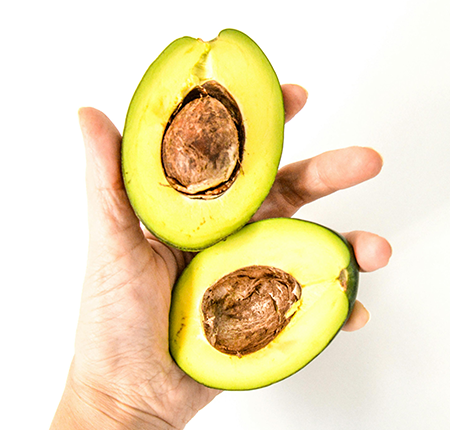
Vitamin E is also found in fruit and vegetables such as kiwi, mango, peppers, avocado, broccoli and cooked spinach, as well as in wholegrain products.
How much vitamin E should you be getting – the recommended daily intake
The recommended daily amount varies from person to person – depending on age, lifestyle and, for women, life stage, such as pregnancy and breastfeeding.
An adequate intake is crucial for the health of skin and hair, for the immune system and for the body's optimal functioning. Most people obtain a sufficient amount directly through their diet.
However, there are also people on low-fat diets or with certain conditions who may need supplements to meet their daily requirements. If you have any concerns at all, always speak to your doctor for advice tailored to your individual needs.
How much vitamin E does an adult need?
According to WebMD, a healthy adult needs around 15 mg of vitamin E per day. This amount can be obtained through diet, though supplements can top up the nutrient intake required to protect cells from free radicals.
How much vitamin E does a teenager need?
Teenagers need around 11–15 mg of vitamin E per day. Between the ages of 9 and 13, at least 11 milligrams is required. From the age of 14, the figure should be around 15 mg of vitamin E – the same as for adults. Regularly eating foods rich in vitamin E supports balanced development and cell protection during the growth phase.
How much vitamin E does a pregnant woman need?
Pregnant women need around 15 mg of vitamin E per day to support their baby's development and their own health. Vitamin E contributes to the functioning of the reproductive system and to the protection of cells during pregnancy.
How much vitamin E does a breastfeeding woman need?
While breastfeeding, the recommended dose rises to around 19 mg per day. This adjustment ensures that both the mother's vitamin E needs and the baby's nutritional requirements are met.
How much vitamin E does a child need?
Children need smaller amounts, which vary according to age. Children aged between 1 and 3 need around 6 mg a day. From 4 to 8 years, around 7 mg a day is recommended. An appropriate vitamin E intake in childhood contributes to the healthy development of the immune system and the body's cells.
Vitamin E deficiency
A vitamin E deficiency is very rare, as this nutrient is found in many foods and can be stored temporarily in the body. There are, however, certain conditions that can cause a deficiency.
In the long term, an insufficient intake can affect the skin, hair and immune system and lead to anaemia, diminished reflexes, blindness, dementia and other serious neurological problems.
Signs of a vitamin E deficiency include difficulties with walking and coordination, visual disturbances, numbness, a weakened immune system and a general sense of feeling unwell.
Vitamin E overdose and contraindications
Vitamin E plays an essential role in the body's healthy functioning – but that doesn't mean you should take it in excess. In excessive amounts it can cause stomach cramps, nausea, diarrhoea and weakness.
In the rare cases of an overdose, vitamin E can interfere with the absorption of vitamin K, which may increase the risk of bleeding. It is very important to consult your doctor before taking any supplements and always to stick to the recommended daily dose.
Vitamin E in cosmetics
Thanks to its antioxidant action, vitamin E is a widely used ingredient in anti-ageing cosmetics and beyond. It doesn't halt the ageing process altogether, but it can slow it down and soften its signs.
It is thought that vitamin E in creams, serums, lotions and oils for the face and body increases the skin's moisture levels and helps it stay soft and supple. It may also support blood circulation, the development of skin cells and the soothing of irritation caused by external factors.
Supplements containing vitamin E
For people who don't get enough vitamin E through their diet, supplements can be an effective way of reaching the recommended daily amount. These products come as capsules, tablets, drops or oils, sometimes combined with other vitamins and minerals.
It's important to consult your doctor before taking any supplement and not to exceed the dose they recommend.
The difference between natural and synthetic vitamin E
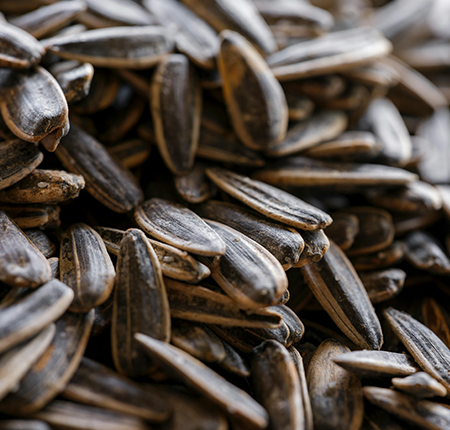
Vitamin E occurs naturally in vegetable oils, particularly soya and sunflower oil, and is more readily absorbed by the body. For optimal results, supplements containing d-alpha-tocopherol are generally recommended – a form identical to the natural one.
Synthetic supplements contain dl-alpha-tocopherol, a mixture of active and inactive forms which, while useful, is harder for the body to absorb. The synthetic form is produced in a laboratory and has roughly half the biological activity of the natural form.
Frequently asked questions about vitamin E
The information you find online about vitamins and supplements often leaves you with plenty of questions. How much should you take, where do you get it, and how do they really help your skin, your hair and your general health? The best approach is to discuss all of this with your doctor, who can give you advice tailored to your body's needs.
But if you'd like a little more clarity about how vitamin E works before your appointment, we've gathered some helpful answers to the most common questions in this section.
Is vitamin E from food or from supplements better?
The natural form of vitamin E, as found in food, is generally better absorbed by the body. Supplements can be helpful if your diet doesn't provide enough – but you should always consult your doctor and stick to the recommended daily dose.
How long should you take vitamin E for?
How long you take it for depends on your needs and the aim of the supplementation. To support the health of your skin and hair, your immune system and your general well-being, you can take vitamin E daily through your diet or via supplements. During pregnancy or breastfeeding, follow your doctor's instructions.
How do I choose the best vitamin E supplement?
Choose high-quality supplements, preferably containing the natural form of vitamin E (d-alpha-tocopherol). Check the dosage as well as any other vitamins and minerals included, and consult your doctor before you start taking it.
What happens if I take too much vitamin E?
An overdose of vitamin E can affect the absorption of vitamin K and increase the risk of bleeding. That's why it's important to stick to the recommended daily dose and only take supplements under professional guidance.
Does vitamin E prevent ageing?
Vitamin E doesn't stop skin ageing altogether, but it can slow this natural process down. Thanks to its antioxidant properties, it helps protect cells from the effects of free radicals. An optimal vitamin E intake can support youthful-looking skin and have anti-ageing effects – particularly when combined with a suitable skincare routine and a balanced diet.
How does a vitamin E deficiency present in children?
A vitamin E deficiency is rare in children, but it can cause muscle weakness, coordination problems, fatigue and immune system disorders. A diet rich in nuts, seeds, vegetables and healthy oils is essential to meet the necessary vitamin E requirements.
Photo source: Pexels.com

Medium, super or extra absorption

Low, medium or super absorption

Low or medium absorption


and happily breaking taboos!


