

Vitamin K – EVERYTHING you need to know about intake, benefits & contraindications
Vitamin K tends to get less of a mention when the conversation turns to supplements. You're used to topping up on vitamin C and D, omega 3 and 6, iron, magnesium and zinc – but vitamin K is far less familiar. That said, if you've ever taken a multivitamin, vitamin K was almost certainly in there – but do you actually know what it does? Let's take a look together at the role this nutrient plays, its benefits, which foods contain it, and how it affects our periods and our lives.
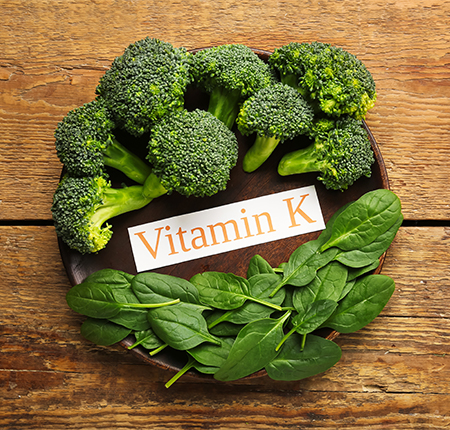
What is vitamin K and what does it do?
"Vitamin K" is the name given to a family of fat-soluble nutrients found in the human body in the bones and liver, as well as in the pancreas, heart and brain. The body breaks these nutrients down quickly and excretes them via the excretory system.
Vitamin K contributes to the formation of 4 of the 13 proteins needed for blood clotting. Its main job, then, is to produce various proteins required for blood coagulation and bone health.
-
Prothrombin, for example, is a protein on which the blood clotting process directly depends. Prothrombin itself, in turn, depends directly on vitamin K, under whose influence it is produced in the liver.
-
Osteocalcin is another, similar example. It is the most important non-collagenous protein in bone tissue, and vitamin K is needed for its formation.
So what does that tell us? The vitamin K group is indispensable for the body to function at its best, as it helps stop bleeding and heal wounds, maintains bone health and, ultimately, keeps the whole body working optimally.
Researchers have also looked into its role in cardiovascular health, since vitamin K is likewise involved in forming a protein that prevents hardening of the heart's arteries (matrix Gla protein), thereby helping to prevent cardiovascular disease. However, the research on this topic is limited, and more in-depth studies are needed to produce meaningful results.
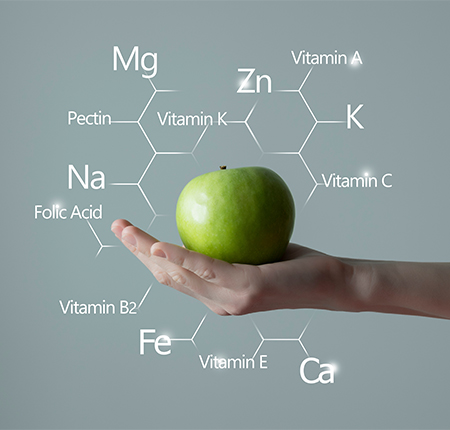
The forms of vitamin K (types of vitamin K)
As mentioned above, vitamin K actually refers to a group of nutrients. That means it comes in several variants. Phylloquinone and menaquinone are the main forms relevant to bone health and blood clotting. Here's what you should know about the forms of vitamin K:
Phylloquinone (vitamin K1)
This is the principal form and the main source of vitamin K in our diet. We find it mostly in green leafy vegetables, in vegetable oils and in a number of other fruits and vegetables.
This is the principal form and the main source of vitamin K in our diet. We find it mostly in green leafy vegetables, as it is directly involved in photosynthesis. It also occurs in vegetable oils, as well as in olives, green tea, cottonseed and certain fruits such as kiwi and avocado.
Its main job is to help form the proteins that support blood clotting.
Menaquinone (vitamin K2)
We find it in smaller amounts – either produced by bacteria in fermented foods or in animal products such as eggs, cheese and meat. Menaquinone can also be produced within the human body by bacteria in the digestive tract.
The second type, vitamin K2, occurs in smaller amounts in our diet. It can be produced by bacteria in fermented foods, but it's also found in animal products such as eggs, cheese and meat. Menaquinone can likewise be produced within the human body by bacteria in the digestive tract.
Alongside its fundamental role in blood clotting, vitamin K2 also helps activate the protein that prevents calcification of the blood vessels, thereby protecting them from damage.
Menadione (vitamin K3)
Unlike K1 and K2, which occur naturally, menadione is a synthetic form of vitamin K that the liver can convert into K2. It is manufactured artificially and is not a dietary supplement for humans. It is used in animal husbandry as a feed additive for poultry and pigs, and is also found in conventional cat and dog food, among other things.
Unlike vitamins K1 and K2, which occur naturally, menadione is a synthetic form of vitamin K that the liver can convert into K2. It is manufactured artificially and is not a dietary supplement for humans. It is used in animal husbandry as a feed additive for poultry and pigs, and is also found in conventional cat and dog food, among other things.
This type of vitamin K also has a haemostatic effect and can stop bleeding in animals caused by parasitic diseases, infections or poisoning.
Symptoms of vitamin K deficiency
It's rare for an adult to be deficient in vitamin K. We normally take in enough through our diet. There are cases, however, in which a shortfall of this nutrient does occur (we'll come to the risk factors shortly), and such deficiencies can show up as follows:
-
Uncontrolled bleeding and haemorrhaging, even without an injury as the cause;
-
The appearance of bruises;
-
Blood clots under the nails;
-
Heavy menstrual bleeding;
-
Bleeding from the mucous membranes inside the body;
-
Very dark, black stools containing blood;
-
Weakening of the skeletal system;
-
Increased risk of osteoporosis;
-
Increased risk of coronary heart disease
Conditions associated with low vitamin K levels
If diet is normally enough to ensure optimal vitamin K levels, how does a deficiency come about? Usually the imbalance is caused either by an illness or by medication. These are the main risk factors that can lower vitamin K levels:
-
Malnutrition;
-
Newborns not being given vitamin K at birth.
-
Conditions that affect absorption in the digestive tract: coeliac disease, Crohn's disease, cystic fibrosis, ulcerative colitis;
-
Liver disease: cirrhosis;
-
Taking antibiotics: these can destroy the bacteria that produce vitamin K in the digestive tract and, if taken long term, lower the body's vitamin K levels;
-
Taking anticoagulants: or other medicines that interfere with vitamin K absorption;
-
Recent bariatric surgery: an operation for weight loss;
-
Excessive alcohol consumption.
Conditions associated with high vitamin K levels
The potential for toxicity is very low, and no adverse effects from excessive vitamin K intake have been identified to date. There isn't enough research to determine what happens if you supplement with high doses daily. The only form of vitamin K considered toxic to the human body is menadione.
What we do know, however, is that if vitamin K toxicity does occur, it can lead to:
-
Jaundice;
-
Hyperbilirubinaemia;
-
Haemolytic anaemia;
-
Neonatal jaundice in newborns;
Vitamin K in newborns
As rare as deficiencies in this group of nutrients are in adults, they are equally common in babies. Low vitamin K levels occur frequently and can cause dangerous bleeding:
-
in newborns, because the nutrients don't cross the placenta and little ones are born with only a limited number of clotting proteins.
-
in infants, because breast milk contains only very small amounts of vitamin K.
Parents need to understand that it is essential for a baby to be given a vitamin K injection immediately after birth. Babies who don't receive it can't form blood clots or stop bleeding – which is why their risk of a severe haemorrhage is 81 times higher.
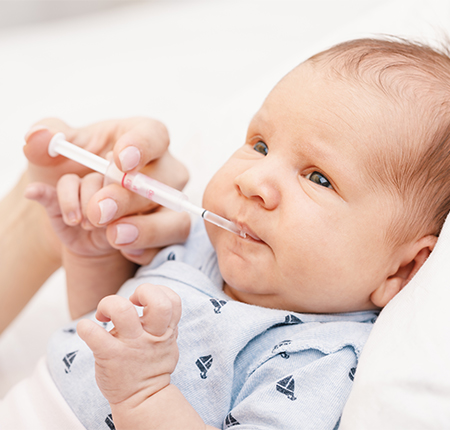
That's why it's standard practice to give newborns a dose of vitamin K immediately after birth, thereby avoiding the complications of a deficiency (such as bleeding in the bowel or brain, which may not be visible but can be fatal).
Vitamin K – benefits:
Optimal levels of phylloquinone and menaquinone are essential for the healthy functioning of the skeletal and cardiovascular systems. Given its role in the body, the main benefits of vitamin K are:
Maintains bone health
Vitamin K plays an important role in bone health, as it activates numerous proteins involved in bone formation. Osteocalcin, for instance, which forms part of the bone matrix and is the most important non-collagenous protein in bone tissue, is produced with the help of vitamin K.
A diet too low in vitamin K – in other words, a diet without green vegetables – is frequently linked with bone fractures. At present there are no studies or research proving with certainty that optimal phylloquinone and menaquinone levels in the body can prevent bone problems; experts do believe, however, that they can reduce the risk of reduced bone density.
Maintains brain health
One essential function of vitamin K is to regulate calcium not only in the bones but also in the brain. An optimal phylloquinone intake can therefore – together with vitamin D – protect brain health and reduce the risk of dementia, cognitive impairment and other neurodegenerative problems in later life.
This is also borne out by studies showing that a higher concentration of vitamin K in the brain is associated with a 17% to 20% lower risk of dementia. The risk of developing Parkinson's or Alzheimer's is likewise 14–16% lower when vitamin K levels in the body are sufficient.
Protects the heart
Both vitamin K1 and vitamin K2, which exists in several forms, support heart health and lower the risk of heart attack and other cardiovascular disease. They prevent mineralisation, i.e. the build-up of minerals in the arteries (a normal process with age). This keeps blood pressure in check and allows the heart to pump blood freely around the body.
According to the statistics, people who regularly eat phylloquinone-rich green vegetables have a considerably lower risk of ending up at the doctor's with blocked arteries – even if exactly how vitamin K protects arterial health isn't fully understood.
Strengthens the immune system
Vitamin K can act as a cofactor in the formation of certain proteins in the blood plasma (known as plasma proteins). Phylloquinone levels in the body can therefore influence the immune system, particularly inflammatory responses mediated by T cells (lymphocytes with a central role in cellular immunity, i.e. in recognising and destroying infected or abnormal cells such as viruses and bacteria).
Certain links have been identified between vitamin K levels and various inflammatory conditions, including cancer. The information is currently fairly limited, however, and further research is needed before a connection can be established between vitamin K and protection of the immune system.
May help prevent cancer
Cancerous tumours are complex, and there is still no concrete answer as to why people develop cancer. Without knowing the precise cause, it's impossible to establish methods of prevention with any certainty. Recommendations on prevention in this context are based on observation.
Observational studies suggest, for instance, that a low vitamin K intake may increase cancer risk. Certain research has even found that vitamin K2 can inhibit the spread of cancer cells. At present, however, the data is contradictory – both as regards which forms of vitamin K are effective and may have beneficial effects, and as regards which types of cancer they might influence.
Increases life expectancy
Increased life expectancy is an indirect effect observed in people with an optimal vitamin K intake. There are statistics pointing to a 36% lower risk of death among people with a high vitamin K intake compared with those with a low intake.
New research confirms the beneficial, preventive effects of vitamin K on arterial mineralisation, cardiovascular disease, diabetes, cancer and neurodegenerative problems. Supplementing with vitamin K2 also offers health benefits for all age groups.
So, by reducing the likelihood of death from all these causes, it indirectly helps improve your chances in life and enhance longevity.
At the same time, vitamin K supports the skin's defence mechanisms against the ageing process and acts preventively against numerous age-related conditions.
Supports healthy liver function
Around 25% of adults worldwide have non-alcoholic fatty liver disease. This encourages the accumulation of excessive amounts of lipids in the liver cells, ultimately leading to serious liver disease.
Against this backdrop, new studies suggest that taking vitamin K2 supports liver health and may help prevent non-alcoholic fatty liver disease. Vitamin K1, obtained naturally through a balanced diet, is also associated with a lower risk of death in patients with chronic liver disease.
Vitamin K is likewise used in patients with liver disease to support blood clotting and reduce the risk of bleeding.
Contributes to calcium metabolism in the body
Calcium is the most important mineral in bones and teeth, and vitamin K2 plays a central role in the body's calcium metabolism. It activates two proteins important for depositing calcium in the bones, thus forming the link between vitamin D3 and calcium to support bone health.
One of the two proteins vitamin K activates is matrix Gla protein. It belongs to a family of vitamin K-dependent proteins and its job is to prevent calcium deposits in soft tissue. The other is osteocalcin, which is produced in the osteoblasts and plays a leading role in depositing calcium in bone tissue.
Supports wound healing
When a wound heals, here's what's actually happening: the blood changes from its liquid state to a thick, sticky one and eventually turns into that dry scab. If the blood didn't thicken, the wound would carry on bleeding.
In this whole process, clotting is a key phenomenon that occurs naturally and without which healing wouldn't be possible. Since vitamin K plays an essential role in forming the proteins that support blood clotting, it helps stop bleeding and heal injuries.
In patients whose blood has difficulty clotting (for example those on anticoagulant therapy or with haemophilia), a diet rich in vitamin K or supplementation is particularly recommended in order to maintain optimal levels in the body to support healing.
Vitamin K for stopping bleeding
In cases of heavy bleeding following an injury or cut, vitamin K is given to stop the bleeding. It helps the blood thicken and form clots, thereby stopping the bleeding or at least slowing it down.
The body uses this preparation to stimulate the production of prothrombin and three others of the 13 main clotting proteins, thus speeding up healing.
Vitamin K also contributes to normal hormone function and can therefore reduce the risk of complications such as excessive menstrual bleeding. It's important, though, to distinguish between a haemorrhage or excessive bleeding (as with a very heavy period or a serious injury) and simple, unusual bleeding (such as spotting).
Light bleeding between periods, for example, isn't a type of bleeding that can be stopped by taking vitamin K – because the cause here isn't a shortage of this nutrient but many other factors, which we've told you all about HERE.
How long does it take for vitamin K to stop bleeding?
Phylloquinone starts working after 6–10 hours and reaches maximum effectiveness after around 24 to 48 hours (1–2 days). How quickly vitamin K stops bleeding, however, depends on how severe the bleeding is. The patient's age and the dose given also play a part.
An important factor to take into account in order to estimate as accurately as possible how long it will take vitamin K to stop bleeding is therefore the size and severity of the injury.
With a minor injury, phylloquinone works quickly and stops the bleeding within just a few hours.
If you're dealing with severe bleeding, or if the body's vitamin K deficiency is significant as a result of drug treatment or surgery, it may take longer for the blood to regain its clotting ability. If the bleeding still doesn't stop, a further dose of vitamin K may be given after 6–8 hours, depending on the case and on the doctor's recommendation.
Vitamin K & menstruation:
Given the close connection between vitamin K levels and the blood's ability to clot, it's clear that it also has a major influence on menstrual blood. If you have heavy bleeding and need to change your period products every few hours, a vitamin K supplement may help regulate your flow. We've discussed regulating your period with natural remedies in the blog article HERE, which we'd recommend reading. And below we'll talk about how important vitamin K is for menstruation and how it affects it.
Vitamin K and heavy menstrual bleeding
There is a close connection between vitamin K deficiency and heavy menstrual bleeding. In practical terms, vitamin K helps regulate menstrual flow during that time of the month. If there isn't enough of this vitamin in your body to do its job, that may be why you're struggling with excessive bleeding during your period.
Another consequence can even be a disruption of the menstrual cycle, accompanied by mood swings and severe period cramps. A waning interest in sex during your period (and not only then) can also be a result of vitamin K deficiency. As a knock-on effect, heavy blood loss can leave you dizzy, weak and even anaemic.
Thanks to its ability to help blood thicken and clot, vitamin K can therefore help you regulate your flow during your period. Accordingly, there are studies showing that patients with primary dysmenorrhoea can be given vitamin K injections to stop bleeding and potentially ease period pain.
Vitamin K and the menopause
Vitamin K's role in blood clotting and faster healing offers no significant benefit when it comes to easing menopause symptoms – though it may help take the edge off hot flushes. The picture is rather different, however, when it comes to vitamin K2's role in bone health.
After the menopause, women are at greater risk of fractures and osteoporosis. By supporting the formation of osteocalcin, vitamin K does the following:
-
It slows the weakening of the skeletal system;
-
It reduces the risk of fractures by strengthening the bones.
So, although it won't work miracles on menopause symptoms and can't reverse the effects of osteoporosis, vitamin K can help improve bone health after the menopause.
Does vitamin K stop or delay your period?
Don't take vitamin K to stop your period, because that's not how it works. It can reduce the amount of blood you lose during your period if your flow is heavy and you're passing unusually large clots. That means it simply brings the bleeding back to a normal level – not that it triggers a hormonal imbalance and halts a natural bodily function.
The fact that vitamin K helps the blood thicken and form clots doesn't mean it stops or delays menstrual bleeding. It only means it can ease excessive bleeding by supporting the blood's natural ability to clot. If your period doesn't arrive, the cause is most likely not vitamin K but other factors, which we've discussed in more detail HERE.
Vitamin K – how to use it:
You'll find it in most multivitamins and in standalone vitamin K supplements, but the food you eat should be the main – and sufficient – source. Supplementing with this group of nutrients without a doctor's recommendation is not advised.
If your doctor does recommend supplementation, it's important to follow their instructions. And now let's talk briefly about what those instructions generally look like and what the dosage standards for vitamin K are.
When do you take vitamin K?
As a rule, supplementation will be recommended if you're taking anticoagulants, are on long-term antibiotic treatment or have a condition that can lead to deficiencies. Your doctor may also recommend a supplement containing K1 and K2 if you have a haemorrhage, excessive bleeding or very heavy periods.
These supplements are usually taken at any time of day – as a single dose or, depending on the concentration, several times a day. As they are fat-soluble, it's best to take them with a source of fat (such as avocado, olives or a vegetable oil) so that absorption is optimal. Taking vitamin K together with vitamin D may also be more beneficial for bone mineral density.
Recommended vitamin K dosage by age
From the age of 19, experts estimate the adequate daily vitamin K intake at 90 µg (micrograms) for women – including during pregnancy and breastfeeding – and 120 micrograms a day for men. Here are the exact recommended daily doses by age (which, in theory, you should be able to obtain directly from your diet):
-
Newborns, 0–6 months: 2 µg;
-
Babies, 7–12 months: 2.5 µg;
-
Children, 1–3 years: 30 µg;
-
Children, 4–8 years: 55 µg;
-
Children, 9–13 years: 60 µg;
-
Girls, 14–18 years: 75 µg;
-
Boys, 14–18 years: 75 µg;
-
Adult women, 19 years and over: 90 µg;
-
Pregnant or breastfeeding women under 19: 75 µg;
-
Pregnant or breastfeeding women, 19–50 years: 90 µg;
-
Adult men, 19 years and over: 120 µg.
Sources – foods high in vitamin K:
You can obtain both phylloquinone (K1) and menaquinone (K2) directly from your diet. Plant-based products are rich sources of K1, while animal foods generally contain smaller amounts of K2. These are the foods with the highest concentrations of vitamin K:
-
Fermented soya beans;
-
Vegetables;
-
Pulses;
-
Soya oil;
-
Fruit;
-
Eggs;
-
Meat;
-
Cheese;
-
Fish.
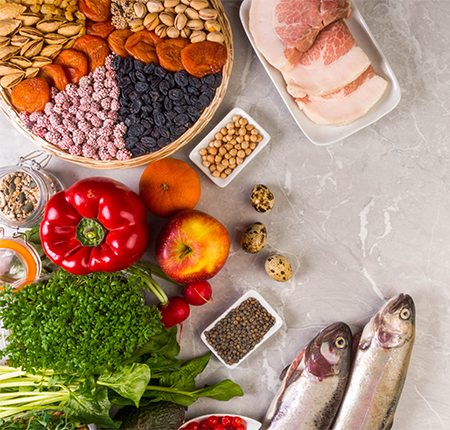
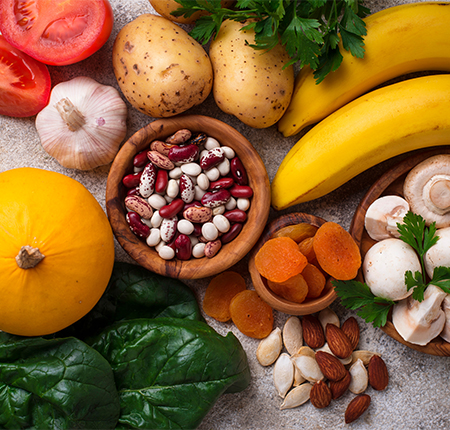
Which fruits are high in vitamin K?
The largest amounts are naturally found in green leafy vegetables, but there are also some fruits from which you can obtain phylloquinone. The fruits richest in vitamin K are:
-
Pomegranate;
-
Blueberries;
-
Dried figs;
-
Grapes.
Which vegetables are high in vitamin K?
Vegetables are the main natural source of phylloquinone, and the largest amounts are found in:
-
Green leafy vegetables (spinach, kale, broccoli, cabbage, radish leaves, Brussels sprouts, lettuce);
-
Pulses (beans, lentils, soya);
-
Carrots;
-
Pumpkin.
Vitamin K – contraindications:
-
general information on contraindications + list of these
Before you supplement, it's worth also reading the vitamin K patient information leaflet so you know exactly which contraindications and side effects may occur. All we can tell you is that vitamin K is contraindicated, or must be used with caution, in newborns, as well as in patients with:
-
Hereditary hypoprothrombinaemia;
-
Renal failure;
-
Over-anticoagulation with heparin;
-
Hypersensitivity to vitamin K.
Frequently asked questions
So far we've talked about its role, the benefits, recommended doses and foods containing vitamin K, but we're sure you still have questions. We'd recommend putting them all to your doctor – they're best placed to give you suitable answers based on your own medical history and individual needs. We've given you the basic information, and we'll round off our conversation about vitamin K with answers to some of the most common questions you might also have:
How long does it take for vitamin K to stop bleeding?
How quickly vitamin K stops bleeding depends on how severe the bleeding is. With a minor injury, it works quickly and stops the bleeding within just a few hours. If you're dealing with severe bleeding, or if the body's vitamin K deficiency is significant as a result of drug treatment or surgery, it may take longer for the blood to regain its clotting ability and for healing to be complete.
What might happen if I take vitamin K during my period?
You don't need to worry about vitamin K stopping your period – because it doesn't. It simply reduces the flow if it's heavy, because it helps the blood thicken and form clots. So if you bleed heavily during your period and take vitamin K, it may reduce your bleeding and your period pain, but it won't stop them altogether.
Does vitamin K have another name?
Yes, vitamin K is also known as phytomenadione. It also has its own specific name depending on the form. K1 is called phylloquinone, K2 is known as menaquinone, and K3 goes by the name menadione – the only form that isn't produced naturally and isn't intended for human consumption either.
References
In writing this article, we used data and information from the following sources:
-
NIH, "The use of vitamain K in patients on anticoagulant therapy: a practical guide": https://pubmed.ncbi.nlm.nih.gov/14967065/
-
Mayo Clinic, "Vitamin K": https://www.mayoclinic.org/drugs-supplements/vitamin-k-class-oral-route-parenteral-route/proper-use/drg-20069592
-
About Kids Health, "Vitamin K (phytonadione) for blood clotting": https://www.aboutkidshealth.ca/vitamin-k-phytonadione-for-blood-clotting
-
WebMD, "Vitamin K Injection: Uses, Side Effects, and More": https://www.webmd.com/drugs/2/drug-93625/vitamin-k-injection/details
-
Springer Link, "Vitamin K and the Immune System": https://link.springer.com/chapter/10.1007/978-3-030-16073-9_4
-
Medical News Today, "Health benefits and sources of Vitamin K": https://www.medicalnewstoday.com/articles/219867#benefits
-
Cleveland Clinic, "Top Benefits of Vitamin K": https://health.clevelandclinic.org/vitamin-k

Medium, super or extra absorption

Low, medium or super absorption

Low or medium absorption


and happily breaking taboos!


