

What is oestrogen?
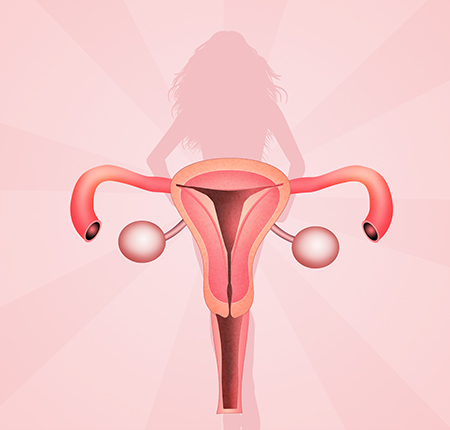
We know it, and you know it too: oestrogen is one of the most important hormones for your menstrual cycle and your reproductive health. It's referred to as the female hormone precisely because it has such a huge influence on your sexual development. We've told you more about how it's produced and what role it plays HERE.
The fact that oestrogen levels fluctuate regularly over the course of a month is completely normal and plays a crucial role in keeping your period regular.
Sometimes, however, it doesn't drop below the optimal level naturally, but rather as a result of illness or changes in your life. Naturally, an imbalance then develops. So let's take a look at the functions of oestrogen, the reasons behind a drop, the symptoms that appear and what to do in such situations.
The functions of oestrogen
Besides its function as a hormone that contributes to the health of the reproductive organs and processes, oestrogen has other important jobs too – in both women and men:
-
It supports bone and cardiovascular health
-
It contributes to brain health
-
It influences mood
-
It keeps skin healthy
In women
In women, oestrogen plays a particularly essential role in regulating the menstrual cycle and in the development of secondary sexual characteristics. On top of that, it:
In men
Even though we call it the female hormone, because it's largely produced in the ovaries, oestrogen isn't found only in the female body. Alongside large amounts of testosterone, the male body also produces certain (smaller) amounts of oestrogen in the testes and the brain.
In men, too, it serves an important function in the development of secondary sexual characteristics and in reproductive capacity – oestrogen is even present in seminal fluid. So in men, oestrogen does the following:
-
It promotes facial and body hair growth
-
It contributes to the deepening of the voice
-
It supports the building of muscle mass
-
It influences blood cholesterol levels
-
It keeps the nervous system and emotional state in balance
What matters, though, is that the hormone is produced in healthy amounts, as raised oestrogen levels in the male body can be harmful.
Types of oestrogen
The human body naturally produces three types of oestrogen. Each type corresponds to a particular stage of life and is produced in greater or smaller amounts depending on factors such as age and state of health.
Oestradiol
The ovaries are the main organs producing oestradiol – the most potent form of oestrogen, and the one produced in the greatest quantity throughout your reproductive life. Your body produces oestradiol right up until your final period. Its job is to regulate the menstrual cycle and support the development of female sexual characteristics.
Oestriol
The pregnancy oestrogen, oestriol, is produced by the body during pregnancy to support the health of the womb and the baby. It is the weakest form of natural oestrogen and is barely detectable in the body outside pregnancy. At the same time, it protects vaginal health and lowers the risk of breast cancer.
Oestrone
Oestrone is the only form of oestrogen the body continues to produce once the menopause begins – and it does so in fatty tissue. It too helps maintain a healthy skeletal system, but it can at the same time cause irregular bleeding, fatigue, insomnia and mood swings.
The optimal oestrogen level
The concentration of oestrogen in the body is measured in picograms per millilitre (pg/ml) and can vary enormously from person to person. Factors such as age, sex and – in women – the phases of the menstrual cycle have to be taken into account in order to establish what an optimal oestrogen level actually means.
Optimal levels in women
In women who aren't pregnant and are of reproductive age (i.e. still having periods), the ideal value generally lies between 30 pg/ml and 400 pg/ml.
Your doctor can, of course, tell you exactly which value is optimal for you, taking into account your full medical history and any treatments you're receiving. Here, though, are some reference values you may find useful:
-
under 10 pg/ml before puberty
-
20 pg/ml – 400 pg/ml during puberty
-
15 pg/ml – 350 pg/ml over the course of the menstrual cycle
-
up to 100,000 pg/ml during pregnancy, in the 3rd trimester
Optimal levels in men
In men, the reference values are considerably lower. Here too, existing conditions and ongoing treatments are taken into account accordingly. Generally speaking, however, an optimal value in adults means between 10 pg/ml and 40 pg/ml.
Symptoms of low oestrogen
Oestrogen fluctuates during every menstrual cycle – that's normal. It starts to rise as your period ends, peaks around ovulation and then falls. During the luteal phase it rises again, and it drops most sharply during menstruation. Likewise, it falls dramatically during the menopause.
If oestrogen levels remain low for longer periods, though – even when they should in theory be rising – there may be a more serious health issue behind it that needs medical investigation.
Some of the most common signs of low oestrogen in women are:
-
Low or absent sexual desire
-
Hot flushes
-
Irregular periods
-
Insomnia
-
Mood swings
-
Vaginal dryness
-
Difficulty concentrating
Causes of low oestrogen
We've already talked above about the natural causes of low oestrogen. Oestrogen falls after ovulation and during menstruation, as well as during the menopause, because the ovaries produce ever smaller amounts until they stop altogether.
There are other reasons why oestrogen can suddenly drop, however. These include:
Foods that boost oestrogen levels
One of the simplest ways to help raise your oestrogen levels is through your diet.
Before we talk about oestrogen-rich foods, though: the advice of your specialist is what matters most. The evidence on how effective foods are at naturally raising oestrogen levels in the body is limited. So always seek medical advice to find the best approach for you.
You can try to bring your oestrogen back to an optimal level by eating foods that contain phytooestrogens – plant-based substances that mimic natural oestrogen. An intake of around 50 mg of phytooestrogens a day is recommended.
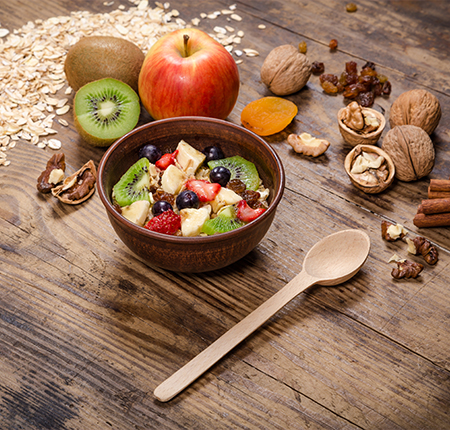
Here are the foods in which oestrogens occur in significant amounts:
-
Fruit (berries, apples, grapes, plums, peaches, pears)
-
Grains (oats, barley, wheat germ)
-
Nuts and seeds (linseed, sesame, sunflower seeds, almonds, hazelnuts)
-
Vegetables (broccoli, kale, spinach, onions, Brussels sprouts)
-
Soya
-
Tofu
-
Olive oil
-
Coffee
-
Tea
Vitamins and minerals that boost oestrogen levels
If your body is lacking certain nutrients, those deficiencies could be the cause of low oestrogen levels. In this case, making up those shortfalls automatically means stimulating normal oestrogen production too. Here's which vitamins can help you:
Maintaining hormonal balance
-
The best natural oestrogen is the kind a healthy body produces itself – and that happens when you look after your hormonal balance. Here are some of the changes with the greatest positive effect on oestrogen levels and hormonal balance:
-
Get plenty of rest: hormones work best when you're well rested, so try to get at least 7 hours of sleep a night.
-
Maintain a healthy body weight: being either underweight or overweight can cause hormonal disruption. That's why it's important to be at a weight that's normal for your age, height and activity level.
-
Lead an active lifestyle: excessive exercise can contribute to a drop in oestrogen levels. Opt for moderate-intensity workouts.
-
Manage stress: you could try breathing exercises, practise yoga, meditate, or develop your own self-care ritual that helps you unwind and reconnect with yourself.

Medium, super or extra absorption

Low, medium or super absorption

Low or medium absorption


and happily breaking taboos!


