

What to Expect After a Natural Birth
Care during pregnancy doesn't come to an end the moment your baby is born. A vaginal birth is only the beginning of a far-reaching process of change and recovery in a woman's body.
As hormone levels readjust and the body begins to recuperate, your postnatal needs change too. Find out which changes are normal after a vaginal birth, what expectations are realistic, and what healthy recovery looks like in both the short and long term.
What to expect after a vaginal birth – the first few hours
Both mother and baby are monitored medically in the first hours after the birth, so that any possible complications — such as heavy bleeding or a drop in oxygen saturation — are picked up early.
Within the first 15 to 30 minutes after your baby arrives, the placenta is delivered. It separates from the womb and passes out through the vagina; medical staff then examine it to make sure no fragments have been left behind in the uterus.
Delivery of the placenta is accompanied by uterine contractions that feel rather like period cramps. These help the womb shrink back to its normal size and reduce the risk of excessive bleeding. The mother continues to be monitored over the following 4 to 8 hours and is encouraged to get up for the first time roughly 8 to 10 hours after the birth.
After such physical exertion, marked tiredness, shivering and dizziness are among the first sensations a mother may experience a few hours after a vaginal birth — as are emotional sensitivity or euphoria. This is precisely why attentive monitoring and good care matter so much at this stage.
Something else that usually happens within those first few hours is the start of breastfeeding. Early feeding stimulates the release of oxytocin, a hormone that benefits both mother and newborn. It supports uterine contractions while also encouraging the early emotional bond between mother and baby.
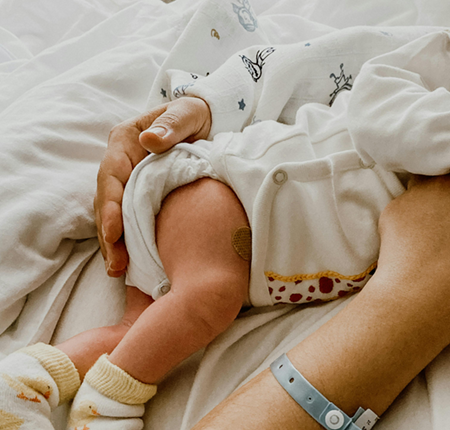
Physical changes after a vaginal birth
After a vaginal birth, a woman's body goes through a natural process of recovery involving a number of physical changes. These are normal and become apparent gradually as the body adjusts to life after the birth:
- Vaginal discharge (lochia): Over a period of 4 to 6 weeks after the birth, the body sheds tissue and blood from the womb. At first, lochia resembles a heavy period, which is why highly absorbent sanitary pads that are also gentle on the intimate area are essential. The flow then lessens and, within about 10 days, is replaced by small amounts of whitish or yellowish-white discharge.
- Healing of the perineum, particularly if there has been tearing or an episiotomy. Local discomfort, tenderness or mild swelling may occur in the first few days.
- Abdominal pain and afterpains as the womb contracts back to its pre-pregnancy shape. These sensations may feel stronger during breastfeeding and gradually ease over the days following the birth.
- Haemorrhoids and discomfort in the anal area may appear for the first time or worsen after the birth, as a result of the pressure during delivery. They are usually temporary and can be relieved with the care measures your doctor recommends.
- Weight loss after the birth happens gradually and at a pace that varies from woman to woman. Some weight is lost immediately as the womb empties; the rest comes off once the body regains its balance.
Hormonal and emotional changes after a vaginal birth
Oestrogen and progesterone levels fall rapidly after the birth, while the hormones responsible for breastfeeding and bonding — such as oxytocin and prolactin — rise. These shifts can have a marked effect on a mother's emotional state, her energy levels and her ability to adapt to her new responsibilities. All of these changes are entirely normal in the postnatal period.
The difference between the baby blues and postnatal depression
The baby blues is a common emotional reaction after birth, showing up as mild sadness, irritability, tearfulness or sudden mood swings. When it occurs, it usually becomes noticeable within the first few days and resolves on its own within 1 to 2 weeks, without any specific treatment.
Postnatal depression, by contrast, is a more complex condition whose symptoms persist and can affect a mother's mental and emotional health. It manifests in intense feelings such as deep sadness, loss of interest in everyday activities, guilt, or even difficulty relating to the baby. With depression, symptoms can last longer than two weeks, and professional help is needed.
Mood swings and psychological adjustment
The sudden drop in oestrogen and progesterone after the birth can — along with fatigue, lack of sleep and the new responsibilities parenthood brings — affect a mother's emotional state. In these circumstances, feelings of anxiety, uncertainty or being overwhelmed are quite common and perfectly normal, especially in the first few weeks.
To manage this kind of stress effectively, it's important that a mother goes at her own pace, allows herself time to rest and recover, and talks openly about her needs with her partner, family and friends. Simple relaxation techniques, short breaks and the support of those close to her can all help maintain emotional balance during this time.
Why family support and rest matter
One of the most common mistakes in the postnatal period is mothers refusing to ask for or accept help from those around them. They end up taking on every task themselves and feeling overwhelmed by the sheer volume of it all, by their emotions and by lack of sleep.
Emotional support from family and partner is so important precisely because of its undeniable role in a mother's emotional recovery after birth. Feeling understood, supported and cared for can lower stress levels and make adjusting to the new role far easier.
Rest matters just as much — even in the form of short breaks or broken sleep. And support from loved ones creates an environment in which a mother can take time for herself and protect her wellbeing in the medium and long term.

Self-care after a vaginal birth
Personal care has a direct bearing on the pace and course of physical recovery after birth. The body needs time, attention and certain measures in terms of hygiene and lifestyle in order to recover as well as it can.
What to expect after a vaginal birth – intimate hygiene and signs of infection
Intimate hygiene after the birth should be regular and gentle, to support healing and prevent infection. Lukewarm water and mild products designed specifically to refresh and protect the intimate area are ideal for cleansing — free from fragrances or irritating substances, such as Enroush's natural intimate gel.
It's equally important to avoid douching and to change pads frequently, in order to protect the intimate flora and reduce the risk of infection. Infections can show up as skin irritation, a persistent unpleasant odour, unusual discharge, increased pain or fever, and require immediate medical assessment.
What to expect after a vaginal birth – advice on perineal healing
If you tore during the birth or had an episiotomy, the area may be sore for several weeks, particularly when walking or sitting.
Discomfort and swelling can be eased with cold compresses or sitz baths in lukewarm water. Kegel exercises, introduced gradually and with your doctor's approval, can also help restore tone to the pelvic floor muscles.
Some natural remedies, such as soothing ointments or plant oils, can support the healing process, but should always be discussed with your consultant beforehand.
What to expect after a vaginal birth – a mother's diet during recovery
As with any healing process, nutrition plays a crucial role in the postnatal period too.
A balanced diet with plenty of protein, carbohydrates, healthy fats, fibre, vitamins and minerals can support tissue healing, prevent constipation and keep energy levels steady. Staying well hydrated and avoiding ultra-processed foods are equally important.
What to expect after a vaginal birth – returning to physical activity
Physical activity is resumed gradually after the birth, depending on your general health, your individual pace of recovery and your doctor's advice.
In the first few weeks, gentle walks along with soft breathing and mobility exercises are recommended; these are enough to stimulate circulation and muscle tone.
Pelvic floor and abdominal exercises are introduced gradually to avoid overdoing things. More intense exercise is only advisable once your body has completed the first stage of recovery and your doctor has given the go-ahead.
Intimacy after a vaginal birth
Every woman recovers at her own pace, and how libido develops and sex life resumes after a birth looks different for every couple.
There is no one-size-fits-all rule here — precisely because every woman knows and decides for herself when she feels physically and emotionally ready to be intimate again.
The right time to resume your sex life after birth
Generally speaking, doctors advise waiting until the body has been through the first stage of healing before resuming your sex life — usually at least 6 weeks after the birth. This period gives the body time for the perineum to heal, for postnatal bleeding to finish and for the risk of infection to drop.
This recommendation, however, sets only a minimum period of abstinence after birth, not an upper limit. In other words, every woman is free to wait as long as she feels is right — and that moment differs for everyone.
Physiological changes to sex after birth
After giving birth, many women experience vaginal dryness, discomfort or pain during intercourse. Tiredness, stress and adjusting to motherhood can in turn affect libido and make dryness feel worse.
These changes are often linked to low oestrogen levels, particularly while breastfeeding, and are considered normal at this stage. Such situations can be managed with patience and gentleness — and by using a natural lubricant to avoid pain and increase comfort.
Contraception after a vaginal birth
Breastfeeding is closely linked to a rise in prolactin levels, which in turn is associated with the absence of ovulation. But although the likelihood of conceiving while breastfeeding is lower, it isn't impossible. Breastfeeding is therefore not a reliable method of contraception.
To prevent another pregnancy after the birth, particularly while breastfeeding, non-hormonal contraceptive methods such as condoms and intrauterine devices are recommended. There are also hormonal options compatible with breastfeeding, but these should be decided on together with your doctor.
Breastfeeding and growing into motherhood after a vaginal birth
The first weeks after the birth bring challenges for new mothers, such as breastfeeding and caring for a newborn. Adjusting to the new rhythm of life happens gradually, with plenty of patience and support.
Skin-to-skin contact, breastfeeding and constant closeness strengthen the bond between mother and baby right from the start. The oxytocin released during feeding encourages bonding and can have a calming effect on both mother and baby.
At first, breastfeeding can be uncomfortable and a little awkward, as getting the latch right takes practice. Mothers dealing with tender breasts, blocked ducts or small cracks in the nipples can turn to a lactation consultant or medical staff for guidance.
One of the biggest challenges of the postnatal period is broken sleep. Waking frequently to feed can, over time, lead to considerable exhaustion — so rest whenever you can, and help from family is very welcome indeed.
Signs after a vaginal birth that need medical attention
The postnatal period is characterised by many natural changes through which the body recovers from the birth. There are, however, situations that are not normal and require immediate medical assessment, as they can be signs of infection or complications.
What to expect after a vaginal birth – heavy bleeding or fever
Lochia is normal in the first few weeks. But if the bleeding becomes very heavy (large blood clots, needing to change pads very frequently) or is accompanied by fever, shivering or other unusual symptoms, urgent medical assessment is advisable.
What to expect after a vaginal birth – persistent pain or infection
Discomfort in the intimate area and mild local pain are common and normal after a vaginal birth. Severe, persistent or worsening pain, however, may indicate a complication and should be reported to your doctor.
Foul-smelling discharge, redness, swelling and marked tenderness in the perineal area can also be signs of infection after birth. In such cases, your doctor will recommend further investigations in order to make the right diagnosis and start appropriate treatment.
What to expect after a vaginal birth – symptoms of postnatal depression
What a mother goes through after birth extends far beyond physical changes. She has countless new psychological experiences and may well be affected by deep sadness, loss of interest in everyday activities, difficulty bonding with her baby, severe anxiety or persistent negative thoughts.
Such feelings can be signs of postnatal depression. If they last longer than a few weeks or intensify, support from a professional is important. Psychological or psychiatric help is simply another form of care for the mother — and a sign of taking responsibility for her own health.
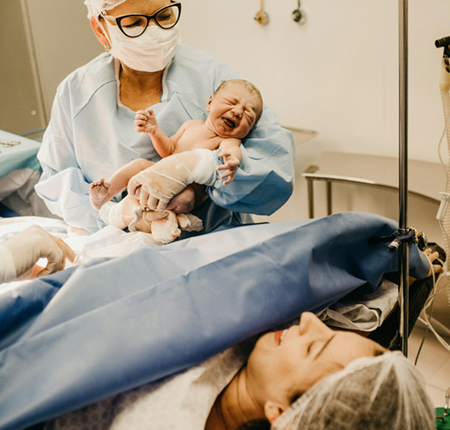
Full recovery after a vaginal birth
The recovery process after birth involves not only physical regeneration but also emotional balance. It isn't linear and isn't the same for everyone; it's complex and unique to each woman.
In the first weeks, the body directs its resources towards healing tissue, shrinking the womb back down and restoring hormonal balance. The time needed for full recovery, however, varies from person to person and is influenced, among other things, by how much rest you get. Accumulated tiredness, new responsibilities and hormonal fluctuations have a direct effect on emotional wellbeing and can slow the pace of recovery.
Exercises to strengthen the pelvic floor can play a beneficial role in recovery, as they help rebuild the muscles put under strain by pregnancy and birth. They should only be resumed with your doctor's approval and after the first stage of recovery. Done correctly, Kegel exercises can promote physical wellbeing and reduce the risk of urinary incontinence.
Returning to your pre-pregnancy habits and lifestyle happens with patience, without pushing your body beyond its limits. Light activities can be resumed quickly — but what matters is setting realistic priorities and approaching the whole thing with understanding and a sense of proportion.
Frequently asked questions about what to expect after a vaginal birth
Much about the period immediately after a vaginal birth isn't talked about enough, even though it's normal and affects every woman who becomes a mother. So below we've gathered answers to the most common questions, to help you get through this stage with greater confidence.
How long does postnatal bleeding last after a vaginal birth?
Lochia usually lasts 4 to 6 weeks. It gradually changes from red bleeding to pink discharge and finally to yellowish-white.
How long does it take for your tummy to go down after a vaginal birth?
The womb begins to shrink back immediately after the birth, helped by afterpains. Your tummy, however, may take several weeks or months to return to its former shape. Muscle tone, previous pregnancies and how physically active you are all significantly influence this process.
When can I shower after a vaginal birth?
Washing the intimate area is generally allowed within the first few days after the birth. Washing with lukewarm water and a mild, natural intimate gel free from fragrances or other chemicals that can upset the intimate flora is recommended. Soaking in the bath, on the other hand, isn't advisable until the bleeding has eased and the perineum has healed.
How long does the perineum take to heal after a vaginal birth?
On average, the perineum heals within about 2 to 6 weeks of the birth, depending on whether there was tearing or an episiotomy. Discomfort eases over time; good hygiene and plenty of rest help the tissue heal.
How long do stitches take to dissolve after a vaginal birth or episiotomy?
Dissolvable stitches usually disappear on their own within 2 to 4 weeks, with no further intervention needed. If signs of a complication appear, however, such as persistent pain, swelling or unusual discharge, immediate medical assessment is advisable.
What should be avoided during the postnatal period after a vaginal birth?
During the postnatal period you should avoid strenuous physical exertion, lifting heavy objects, suddenly resuming demanding activities and sexual intercourse. The body needs time to recover, and overdoing it can delay healing.
When can sex be resumed after a vaginal birth?
Under normal circumstances, sex can be resumed around 6 weeks after the birth, once the bleeding has stopped and the perineum has healed. But just because it's possible doesn't mean it has to happen. Physical and emotional wellbeing differ from woman to woman, and the pace at which intimacy finds its place again is unique to each couple — and may well be far slower.
What are the signs of infection after a vaginal birth?
Fever, foul-smelling lochia, severe pain, abdominal tenderness or pus-like discharge can all indicate an infection after birth. If you suspect anything at all, it's important to contact your doctor as soon as possible.
How are haemorrhoids treated after a vaginal birth?
Postnatal haemorrhoids can be improved with sitz baths, a high-fibre diet, drinking plenty of fluids and, depending on the case, the treatment your doctor recommends to relieve symptoms.
When should you have a check-up after a vaginal birth?
A postnatal check-up is generally recommended 4 to 6 weeks after the birth, to assess how healing is progressing and your general condition, and to discuss any symptoms or concerns. If there were complications or other problems, the appointment may take place sooner.
Image source: Pexels.com

Medium, super or extra absorption

Low, medium or super absorption

Low or medium absorption


and happily breaking taboos!


