

Zinc: Benefits and Contraindications
Did you know that zinc is the second most abundant mineral in your body after iron? It supports the function of around 3,000 proteins and enzymes in the human genome and, according to the specialist literature, is involved in the functioning of the nervous system, in growth and development processes, in bone metabolism, in wound healing and in immune function.
But what happens when a deficiency develops? How does zinc deficiency affect your hormonal balance, your menstrual cycle and your general health? Read on to discover just how important zinc is for your body, which are the best natural sources and how to correct a deficiency.
What zinc is and why it matters so much for the body
Zinc is an essential mineral, or essential trace element – meaning that, on the one hand, the body needs only very small amounts of it and, on the other, it is indispensable for the normal functioning of the body. In women, the total zinc content in the body is roughly 1.5 g, with the greater part stored in bones and muscles.
In the body, zinc acts as an antioxidant and an anti-inflammatory, which means it can reduce the production of certain pro-inflammatory cytokines, protect cells and support healing. It has structural properties that allow it to stabilise the architecture of proteins involved in DNA repair and gene expression. In addition, it has an immunomodulatory effect, contributing to a balanced immune response, and catalytic properties that enable important chemical reactions.
The role of zinc in the body is therefore extremely complex: it ranges from participation in the activity of thousands of proteins and enzymes in vital processes such as DNA synthesis, cell division and wound healing, through to the normal functioning of the immune and nervous systems. Zinc also plays an important role in skin health, reproductive function, hormonal balance and fertility.
As with many other minerals and vitamins, however, the human body cannot produce zinc itself, nor can it store it in large quantities. You need to take it in daily – either through your diet or, depending on your needs, through supplements recommended by a doctor.
Ideally, you will meet your zinc requirement with a varied, balanced diet and no supplements. These can, however, be useful if dietary intake is insufficient, if a deficiency has been confirmed, or in certain medical situations. Zinc from natural sources and zinc from supplements perform exactly the same functions in the body – the differences lie mainly in quantity and absorption.
Where zinc is found in the body
Wondering where the zinc in your body actually is? Although it is present in relatively small amounts, it is distributed across almost every tissue.
Around 60% of the body's total zinc is found in the muscles, and just under 30% is stored in the bones. The remaining 10% is found as zinc in the skin, liver, kidneys, retina and nervous system, where it contributes to the transmission of nerve impulses and to visual function.
The role of zinc in biological processes
The function of zinc in the body encompasses a considerable number of important biological reactions. Its most significant roles include:
- Participation in the activity of around 3,000 proteins and enzymes
- Supporting carbohydrate, protein and fat metabolism
- Involvement in the synthesis of DNA, RNA and proteins
- Supporting cell division, which is necessary for wound healing
- Contributing to the normal functioning of the nervous system
- Involvement in the regulation of certain hormones and in maintaining reproductive function
- Supporting the normal functioning of the immune system and antioxidant defence mechanisms.
The health benefits of zinc
Because zinc is involved in dozens of biological processes, it has an enormous influence on the health of the whole body. It strengthens the immune system, speeds up wound healing, maintains the health of skin and hair, and contributes to reproductive function and the health of the nervous system – and that is not all.
Zinc supports the immune system
A 2017 study on the relationship between zinc and immunity confirms that this mineral is essential for immune system function. Zinc ions are involved in regulating intracellular signalling pathways in immune cells, thereby enabling an effective immune response to pathogens.
In other words, zinc offers benefits for fighting off infection and supports immune cells. At the same time, it is involved in regulating inflammatory processes and prevents an excessive inflammatory response that could damage healthy tissue.
As for the common cold, some research suggests that taking zinc supplements within the first 24 hours of symptom onset may reduce its duration and severity. The evidence is not yet conclusive, however, and zinc is not recommended either for preventing colds or as a substitute for medical treatment.
Zinc contributes to wound healing
Research dating back to the 1970s and earlier already demonstrated the importance of zinc concentration for wound healing in patients with thermal burns or in people exposed to surgical stress.
The mineral plays an important role in every stage of the wound healing process. It supports cell division and cell regeneration, is involved in collagen synthesis for skin regeneration and contributes to the formation of new tissue – processes that are crucial for restoring skin and mucous membranes after injury.
The benefits of zinc for the skin
Precisely because it supports cell regeneration, reduces inflammation and protects cells from oxidative stress, zinc has numerous benefits for the skin.
It is involved in the healing of skin lesions and in maintaining the skin's natural barrier – which is why creams containing zinc are widely used in dermatology to care for the skin or to soothe irritation. Some studies suggest that zinc may be helpful in cases of acne, certain forms of dermatitis and other skin conditions.
One form commonly used in dermatological products is zinc oxide, known for its protective and soothing properties. It forms a barrier on the surface of the skin, reduces irritation and protects the affected area from external influences – for example in patients with skin irritation, nappy rash or minor burns.
Zinc for hair and nails
Zinc is involved in cell division and protein synthesis, including the formation of keratin, the main protein in hair and nails. If your body is not getting enough zinc, this deficiency may be linked to diffuse hair loss, slow hair growth and brittle nails that easily split or break.
This is precisely why correcting a confirmed deficiency can help improve the health of hair and nails in those affected. Where there is no deficiency, however, studies have not been able to show that taking zinc supplements stimulates hair growth or strengthens the nails.
Zinc and reproductive health
In both women and men, zinc helps regulate hormonal activity and is involved in processes essential to fertility and reproduction.
In women, zinc is involved in the development of the eggs, in ovulation and in early embryonic development.
Research shows that a sufficient amount of zinc in the egg during follicular development maintains the temporary arrest of cell division until maturation. An adequate zinc intake is necessary for the egg to become a functional oocyte, since a deficiency impairs maturation and reduces egg quality. The trace element also plays an important role in female fertility and in the normal progression of a pregnancy.
In addition, some studies suggest that zinc supplementation in women with polycystic ovary syndrome (PCOS) may improve certain metabolic and inflammatory markers.
In men, zinc is essential for testosterone production and for maintaining fertility. It contributes to sperm formation, motility and quality.
Zinc for cognitive function
The brain and nervous system depend on an adequate zinc intake for their normal functioning. The mineral is involved in communication between nerve cells and plays a part in learning ability, memory and concentration. An adequate intake is also important for the normal functioning of taste and smell; a deficiency can alter these senses.
Zinc and eye health
Zinc is present in the retina in considerable concentrations and helps maintain normal visual function. It is involved in vitamin A metabolism, and some studies have shown that zinc, combined with other antioxidants, may slow the progression of age-related macular degeneration in certain patient groups.
Zinc and metabolism
Zinc is involved in carbohydrate metabolism and helps convert carbohydrates into the energy you need for daily life. It also plays a part in the synthesis, storage and action of insulin – the hormone that regulates blood sugar – and thus supports a normal metabolism.
The antioxidant properties of zinc
An important characteristic of zinc, already mentioned, is its antioxidant action. Zinc contributes to the function of certain antioxidant enzymes and helps protect cells from oxidative stress. It also regulates the inflammatory response and helps protect DNA, proteins and cell membranes from damage – mechanisms through which it helps guard against ageing and the development of certain chronic conditions.

Zinc and women's hormonal health
Zinc contributes to the normal functioning of the female reproductive system above all because it is involved in regulating hormonal activity. It influences the development of the eggs, ovulation and fertility. Through its involvement in the processes that control inflammation and oxidative stress, it may even influence symptoms around the menstrual cycle.
So although zinc is not a treatment for hormonal or cycle disorders, an adequate intake is important for protecting your reproductive health.
The role of zinc during menstruation
Hormone levels fluctuate across the menstrual cycle, and the body needs numerous nutrients – zinc among them – to cope with these changes.
Some research suggests that an adequate zinc intake may help reduce the severity of premenstrual complaints such as breast tenderness, irritability or fatigue. Thanks to its anti-inflammatory properties, zinc may also dampen the inflammatory response associated with menstruation. There are case studies which have confirmed that zinc, taken in 1–3 doses of 30 mg each per day, one to four days before menstruation begins, can largely or even completely prevent premenstrual complaints and menstrual cramps.
Menstruation can also be accompanied by a temporary dip in energy; zinc contributes to normal nutrient metabolism and to the optimal functioning of the immune system. Although it does not directly tackle period-related fatigue, it supports the processes by which the body produces and uses energy.
Zinc deficiency and the menstrual cycle
Because zinc helps regulate hormonal activity and supports egg development, an insufficient intake can affect your menstrual cycle and your fertility. Zinc deficiency is frequently linked to hormonal imbalances and the occurrence of irregular bleeding. Just as it is important to care for your body externally during menstruation with gentle intimate care products, it is equally important to support it from within through an adequate intake of nutrients – including zinc.
A deficiency can also contribute to fatigue, slow tissue regeneration and weaken immune function. In women hoping to conceive, an insufficient zinc intake can impair the normal development of the eggs and reduce fertility.
Furthermore, studies in rats have shown that a moderate zinc deficiency during the prenatal period and/or the early stages of postnatal development is a risk factor for the development of arterial hypertension, cardiovascular and kidney disease, obesity and diabetes in adulthood.
Zinc intake in women
Zinc requirements differ according to age and increase during certain life stages, such as pregnancy and breastfeeding. Research shows that restricting dietary zinc intake during the foetal period and during lactation leads to raised blood pressure in adulthood and impairs kidney function.
For adult women of childbearing age, the daily requirement is generally around 8 mg per day, in order to maintain reproductive function and support the processes involved in ovulation.
During pregnancy, the requirement rises to 12–13 mg per day to support the normal development of the foetus, and it remains elevated during breastfeeding to cover the needs of both mother and baby.
If your diet does not ensure an adequate intake, or if a deficiency has been identified, always seek your doctor's advice on supplementation. Do not take zinc supplements without medical recommendation, as excessively high doses can impair the absorption of other important minerals such as copper and iron.
The symptoms of zinc deficiency
Zinc deficiency can affect people of any age, and a shortfall can have consequences for the entire body. According to statistics, zinc deficiency was responsible for more than 442,000 deaths in Africa and Asia in 2004 – it was linked to 10.4% of malaria deaths, 14.4% of diarrhoea deaths and 6.7% of deaths in children aged between 6 months and 5 years.
Common signs of zinc deficiency
In mild forms of zinc deficiency in humans, research has observed slight weight loss, raised blood ammonia levels and, in men, oligospermia, characterised by an unusually low sperm count in the ejaculate.
In moderate zinc deficiency, the common features are delayed growth and pubertal development in adolescents, hypogonadism in men, rough skin, reduced appetite, persistent fatigue, mental lethargy, delayed wound healing, taste disturbances and delayed dark adaptation.
The clinical manifestations of severe zinc deficiency include various forms of dermatitis, alopecia, diarrhoea, emotional disturbances, weight loss and intercurrent infections – and, without appropriate treatment, death.
People at increased risk of deficiency
Some people are at greater risk of developing a zinc deficiency – whether through inadequate dietary intake, reduced absorption or increased requirements. They include:
- Vegetarians and vegans, since the main sources of zinc with high bioavailability are animal-based foods.
- Pregnant and breastfeeding women, whose zinc requirements are increased.
- People with digestive conditions such as Crohn's disease, ulcerative colitis, coeliac disease or malabsorption syndrome.
- Older people, who may have an inadequate dietary intake.
- Athletes, as they can lose larger amounts of zinc through sweat.
- People following restrictive diets, which may limit the intake of essential minerals.
Also more susceptible to zinc deficiency are people with malnutrition, alcoholism, extensive burns, genetic disorders, chronic illnesses or kidney disease, as well as those taking medicines such as penicillamine for the treatment of Wilson's disease.
Complications of severe deficiency
When a zinc deficiency is severe or persists over a longer period, the normal functioning of several organs and systems is impaired, and complications can arise.
In children and adolescents, growth and development, including sexual maturation, may be delayed.
Adults may face fertility problems, hormonal imbalances and reproductive complaints. A persistent zinc deficiency can also impair the functioning of the nervous system and contribute to concentration difficulties, changes in taste and smell, and other cognitive problems.
Without an adequate zinc intake, the immune system becomes more vulnerable, increasing susceptibility to infection and lengthening recovery time after illness or injury.
The best natural sources of zinc
You can meet your zinc requirement naturally through a varied diet. The amount and the degree of absorption do differ, however, depending on the type of foods you eat. Animal sources generally provide the form of zinc most readily absorbed by the body, while plant sources may contain considerable amounts with lower bioavailability.
Zinc-rich foods of animal origin
Animal-based foods are considered the best sources of zinc, because the zinc they contain is in a form that is well absorbed in the gut. They include:
- Red meat: beef, pork, lamb
- Seafood: particularly crustaceans and molluscs
- Oysters, considered the richest food source of zinc
- Eggs
- Dairy products: milk, yoghurt and cheese
In addition to zinc, these foods provide other essential nutrients such as complete proteins, iron, B vitamins and healthy fats, which help improve absorption and support a balanced diet.
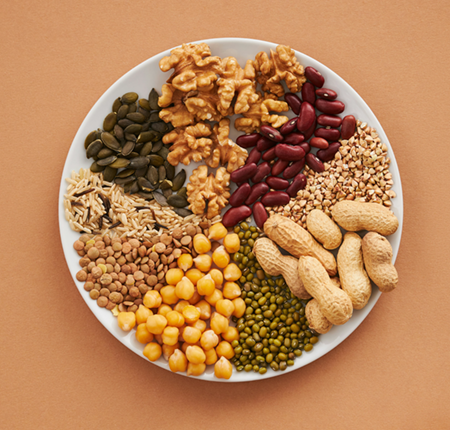
Plant-based sources of zinc
The drawback of plant-based sources of zinc is their phytic acid (phytate) content, which usually reduces zinc absorption in the body. Even so, these sources have their place – all the more so in a vegetarian or vegan diet. The best-known zinc-rich plant foods include:
- Pulses: lentils, chickpeas, beans, peas
- Seeds: pumpkin, sesame, sunflower
- Nuts: almonds, cashews, walnuts
- Wholegrain cereals: oats, quinoa, brown rice, wholemeal wheat
The absorption of zinc from food
Zinc absorption in the body depends on dietary intake, but also on bioavailability. What matters is how easily your body can make use of the zinc taken in from your chosen sources.
One important factor is the presence of phytic acid, a compound found in wholegrain cereals, pulses and seeds. It can bind zinc in the digestive tract and reduce its absorption, even when the foods contain considerable amounts of zinc.
The good news is that you can improve absorption. Soaking, fermenting or sprouting cereals and pulses lowers their phytate content and thus increases the bioavailability of zinc for your body.
On the other hand, absorption can also be affected by interactions with minerals such as iron and copper. This is why it is important to supplement only on the recommendation of a professional who takes into account your requirements and the conditions needed for optimal absorption.

Zinc supplements
Zinc supplements can be useful for topping up dietary intake when your diet does not cover your zinc requirement. The key thing to remember is that they should be taken responsibly and in line with the instructions of a professional.
Types of zinc supplement
Zinc appears in supplements in several chemical forms, which essentially differ in their degree of absorption and how well the digestive system tolerates them. The most common forms include:
- Zinc picolinate, a form with very good absorption
- Zinc gluconate, frequently used in supplements that support immune function
- Zinc citrate, well tolerated and with good bioavailability
- Zinc sulphate, an effective form that some people find harder on the stomach
- Chelated zinc, a form bound to amino acids with improved absorption
- Zinc bisglycinate, a chelated form bound to glycine, considered gentle on the stomach
How to take zinc correctly
As a rule, you can take zinc supplements either in the morning or in the evening, although taking them between meals is recommended to improve absorption. If taking them on an empty stomach causes you discomfort – as it does for many people – you can also take zinc with a meal.
How long you supplement for depends on the purpose. In the case of a deficiency, zinc is usually taken until the shortfall has been corrected. To support immune function, the duration may vary according to need. In pregnant women, it is taken throughout pregnancy and breastfeeding.
Doctors will often recommend taking zinc together with vitamin C in order to support the immune system more effectively.
The recommended daily dose
Daily zinc requirements differ – as with any other nutrient – according to age, sex and certain physiological life stages. According to general recommendations, the optimal intake is:
- 3–8 mg/day for children
- 8 mg/day for women
- 11–13 mg/day for pregnant and breastfeeding women
- 11 mg/day for men
The tolerable upper limit for adults is generally around 40 mg/day from all sources (food and supplements). It is important not to exceed this level over the long term, as doing so can lead to mineral imbalances such as copper deficiency.
When zinc supplements are recommended
Zinc supplements are recommended in situations where dietary intake is inadequate or the body's requirements are increased:
- where a deficiency has been confirmed
- in patients with weakened immune function
- during restrictive diets
- during recovery following an illness
- in cases of acne or other skin conditions
It is important to know that zinc supplementation tends to prove useful as part of a comprehensive approach rather than as a standalone treatment.
Side effects and contraindications of zinc
Zinc is a mineral essential to health. Even so, excessive intake, particularly over a long period, can cause unwanted effects such as malabsorption of other nutrients or interactions with medicines.
What happens when you have too much zinc
Consuming zinc in excessive amounts can trigger a range of side effects, primarily in the digestive tract. The most common complaints are nausea, stomach discomfort, abdominal pain, diarrhoea, a metallic taste in the mouth and reduced appetite.
Over the long term, excess zinc can contribute to mineral imbalances, in particular a drop in the body's copper levels, which over time can have a negative effect on your immune and nervous systems.
In rare cases, excessive and sustained intake can even lead to zinc toxicity, which according to studies manifests as anaemia, neurological disturbances and a reduced immune response.
Interactions with other minerals and medicines
There are no absolute contraindications to taking zinc, but there is a possibility that it may react when combined with other substances. The most important interactions with other minerals and medicines are those with:
- iron, with which zinc can compete for absorption in the gut
- copper, whose absorption may be reduced by excessive supplementation
- calcium and magnesium, which can affect absorption
- antibiotics, particularly tetracyclines and fluoroquinolones, whose effectiveness is reduced when combined with zinc
- stomach medicines such as proton pump inhibitors, which can affect mineral absorption.
Always seek – and follow – the advice of your doctor and pharmacist about taking zinc supplements, all the more so if you are receiving any treatment or taking other supplements.
Who should consult a doctor before taking it
Just because zinc is available over the counter and is not contraindicated as a rule, that does not mean taking it without medical advice is risk-free. It is advisable always to ask your doctor about the optimal dose and the appropriate form before taking it – particularly if:
- you have a chronic condition
- you are pregnant or breastfeeding
- you are receiving any form of drug treatment
- you want to give supplements to children who are still growing
Frequently asked questions about zinc
Need quick, concrete answers to your questions about recommended zinc doses, the best-absorbed forms and the possible benefits? Below you will find straightforward explanations to some of the most common questions about zinc and its benefits.
How much zinc should we take each day?
Daily zinc requirements vary according to age and sex. For adults, the recommended intake is around 8 mg/day for women and 11 mg/day for men. During pregnancy and breastfeeding, the requirement rises slightly to 12–13 mg/day.
Does zinc help the immune system?
Yes, zinc is essential for the normal functioning of the immune system. It contributes to the activity of immune cells and to the regulation of the inflammatory response, helping the body respond effectively to infection.
Does zinc reduce menstrual cramps?
Studies suggest that taking zinc a few days before menstruation begins may, thanks to its anti-inflammatory action, help reduce the intensity of menstrual cramps and other PMS symptoms. Do bear in mind, however, that zinc is not regarded as a specific treatment for period pain.
Is zinc good for acne?
Zinc may be helpful for acne because of its anti-inflammatory action and its role in skin regeneration. Supplementation can help, although its effectiveness depends on the causes and severity of the acne.
Can you take zinc long term?
You can take zinc supplements long term only in appropriate doses and on your doctor's recommendation. Excessive intake over a prolonged period can lead to mineral imbalances such as copper deficiency.
Do women with heavy bleeding need more zinc?
Heavy menstrual bleeding does not automatically increase your zinc requirement, but it can affect your overall nutrient needs – especially if your diet is not balanced. In such cases, it is important to discuss with a professional which vitamin and mineral intake is optimal for you and how best to supplement.
Which is the best form of zinc?
Forms such as bisglycinate, picolinate and citrate are well absorbed and easily tolerated by the digestive system. Which form of zinc is optimal for you depends on your individual tolerance.
When should you take zinc – morning or evening?
You can take zinc either in the morning or in the evening, although many professionals recommend taking it between meals for better absorption. If that causes digestive discomfort, there is no problem with supplementing alongside a meal.
Should you take zinc with food?
Zinc is better absorbed on an empty stomach. Some people, however, experience nausea and digestive discomfort when doing so – in which case taking it with a meal is the more suitable option.
What are the symptoms of zinc deficiency?
Zinc deficiency most commonly shows up as fatigue, weakened immune function, hair loss, slower wound healing, skin problems, loss of appetite and changes in taste and smell.
Which foods contain the most zinc?
The richest sources of zinc are oysters, red meat, seafood, eggs and dairy products. Plant-based sources include seeds – especially pumpkin seeds – nuts, pulses and wholegrain cereals.
Can zinc interact with antibiotics?
Yes, zinc can reduce the absorption of certain antibiotics, particularly tetracyclines and fluoroquinolones.
Does zinc help with hair loss?
Zinc can help if a deficiency really is the cause of the hair loss. Where there is no deficiency, however, supplementation has no confirmed effects on hair or nail growth.
What is the difference between zinc picolinate and zinc bisglycinate?
Bisglycinate is a chelated form considered gentler on the stomach, while picolinate is valued for its high bioavailability.
Is too much zinc dangerous?
Yes, excessive zinc consumption can cause nausea, abdominal pain and diarrhoea. Over the long term, it can lead to complications and mineral imbalances, particularly copper deficiency.
Can zinc be taken together with vitamin C?
Yes, zinc and vitamin C are frequently taken together when used to support the immune system.
Is zinc recommended for children?
Yes, children need zinc for growth and development. When taking supplements to correct a deficiency, the doses must be adjusted to the child's age and determined by a doctor.
Can zinc ease the symptoms of premenstrual syndrome (PMS)?
Zinc is not a specific treatment for PMS symptoms. Research does suggest, however, that because of its effect on inflammatory processes and the nervous system, it may help reduce complaints such as irritability or physical discomfort.
Image sources: Pexels.com

Medium, super or extra absorption

Low, medium or super absorption

Low or medium absorption


and happily breaking taboos!


