

7 tips for looking after your pubic hair with love
Regardless of beauty ideals and whatever may have been the norm in the past: pubic hair can tell a story about self-love. So make sure it stays something personal and authentic. Not sure whether you want permanent hair removal? Whether you simply want to groom your pubic hair, wax it, shave it or just let it grow naturally – it's really important that you look after it properly! Because using chemical substances comes with the risk of infections and irritation. Either way, we've got 7 tips for you!
Be careful with depilatory creams
Chemical hair removal is practical and easy to use, but it can trigger allergic reactions and fairly severe irritation – which is why it isn't suitable for sensitive skin. Before using a cream like this, do a patch test on a small area of skin. And whatever you do, avoid applying chemical substances near the vagina!
Underwear makes all the difference
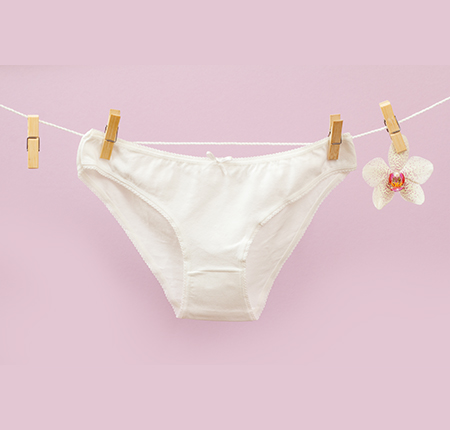
It really does – not least because "sexy" underwear is usually made from synthetic materials. Tight elastic bands aren't doing your intimate area any favours either. Why? Because the skin can't breathe, which means there's a risk of irritation or ingrown hairs – especially if you wear a synthetic material after intimate hair removal. The solution: choose 100% cotton underwear so your skin can breathe and regenerate.
Only use period products made from 100% organic cotton
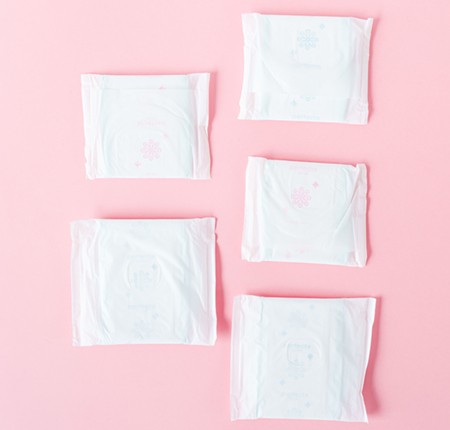
While we're on the subject of cotton: the same goes for period products – although here it should be organic cotton. Conventional products (made from a cocktail of chemical substances and synthetic fibres) cause a whole host of problems (from hormonal imbalances to irritation and allergies), whereas organic cotton products help prevent infections and keep bacteria in balance – not to mention your hormones.
Give perfumed products a miss
Perfumed moisturisers are never a good idea after removing pubic hair! They're packed with chemical substances that can seriously irritate sensitive skin. And as much as you may love that body lotion – it's also full of fragrances, so it's not a good choice for your vulva and vagina.
And yes, perfumed shower gels and soaps fall into exactly the same category. Opt for natural versions without fragrances or chemicals.
Change your razor blades regularly
Make sure you have clean razors and blades to hand when you want to remove your pubic hair. Prepare the area and use a fresh blade. Old blades can be ineffective and cause rashes. You also run the risk of ingrown hairs.
Never shave on dry skin
We all know those moments when we're in a rush – and don't give ourselves the time we need to prepare. But that's bad news for your skin. Shaving on dry skin can cause irritation. The best tip: take your time with grooming, turn it into a ritual and choose a moment when your pores are open and your skin is softer (after a shower, for example). Always use a foam so the blade glides better and you avoid the risk of nicks or irritation.
If you're letting it grow
Then there's nothing for you to do! Pubic hair only grows to a short length – so don't worry, you're not going to end up with long hair down there! Of course, you can try a Brazilian wax, trim the hair yourself or give it a shape, as long as you use special tools – a trimmer or hairdressing scissors – and remember to disinfect them before and after each use. These tools should be used exclusively on your intimate area and, above all: don't share them with anyone else, to avoid infections.
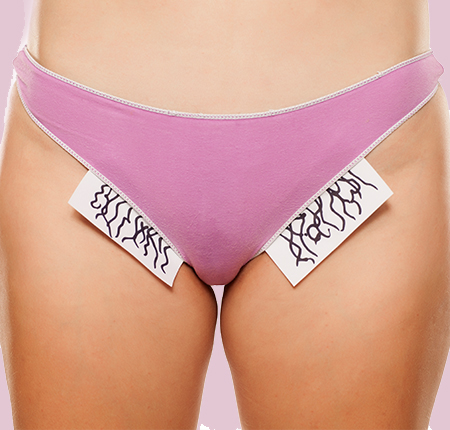
"Pubic hair is there to protect our delicate intimate area and to maintain a healthy, diverse microflora which, when balanced, prevents infections" – gynaecologist Dr Eden Fromberg
Rather than a conclusion, here's our advice: no one should tell you what to do with your own body – including your intimate area and the way you wear your pubic hair (or don't)! It's entirely your decision whether you remove it, wax it, shape it or let it grow naturally!

Medium, super or extra absorption

Low, medium or super absorption

Low or medium absorption


and happily breaking taboos!


