

Absent Periods – Causes, Triggers & Treatment
A late period: one of those situations where we're instantly delighted or, on the contrary, instantly panic-stricken – only to discover, more often than not, that there was no pregnancy at all.
It's true that a late period is one of the first signs of pregnancy, but it can also be caused by stress, eating disorders or other health problems. What such a delay means, how long it lasts, what causes lie behind it and what you can do to restore your menstrual balance – we'll cover everything you might be wondering about when your period is late.
What does it mean when your period doesn't arrive?
As the name suggests, a late period is when your menstrual cycle lasts longer than usual and the bleeding starts later than expected.
The menstrual cycle lasts an average of 28 days. But every body is unique and has its own rhythm, so the length of a normal cycle varies from woman to woman – anywhere between 21 and 40 days. If you have an irregular cycle, you may even notice these differences from one month to the next.
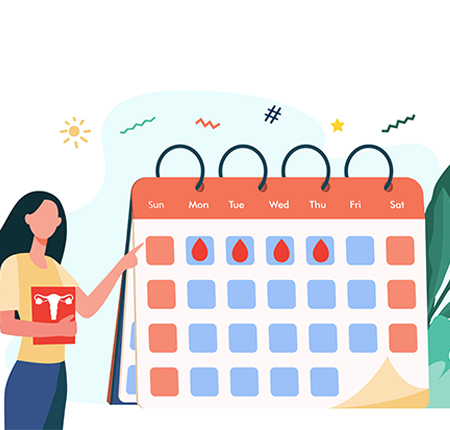
There's no need to worry straight away. It's perfectly normal for many women to have a period arrive late or even skip one altogether. It doesn't automatically mean you're pregnant – that's just one of many possible causes. Numerous other factors, from diet and physical activity to stress levels, age or hormonal and reproductive health issues, can cause a late period.
How late can a period be?
Experts say that if there's no underlying condition affecting your cycle, your period should arrive 21 to 35 days after the last day of bleeding. If it takes longer, it's considered a late period.
It's quite simple. Does your cycle usually last 29 days? If your period hasn't arrived by day 30, it's late. Is it normally 26 days? Then it's late if you still haven't started bleeding on day 27. So what counts as "late" for you depends on what's normal for your body.
How much of a delay is normal? Over a short window (4–5 days) there's usually no cause for concern. Depending on how much stress you've had in a given month, how you've eaten and how well you've rested, your cycle can shift by a few days.
However, when we're talking about longer delays, such as a 10-day delay, or when it stretches into weeks – for example, when your period is two weeks overdue – then it's fair to start asking questions. After six weeks, your period is considered missed, and it's time to see a doctor.
How serious the situation is also depends on age. In teenagers, the ovaries are still developing and hormonal fluctuations are considerable. That's why periods can be absent for several months without any cause for concern. In an adult woman, on the other hand, delays of more than seven days already warrant medical attention – so do pay attention to any changes.
Why is my period late? Causes.
As mentioned above, a late period doesn't automatically mean you're pregnant – there can be many other causes. Hormonal fluctuations due to age or stress, drastic changes in diet or weight, or other health problems – all of these can be reasons for a late period. Let's take a closer look at each one.
A late period caused by stress
If there's one thing we're not short of these days, it's stressors. Chronic stress can ultimately affect the hypothalamus – the part of the brain responsible for regulating your menstrual cycle. So if you're going through a particularly stressful patch, stress may well be the reason your period is late, your pain is worse, or your cycle has changed.
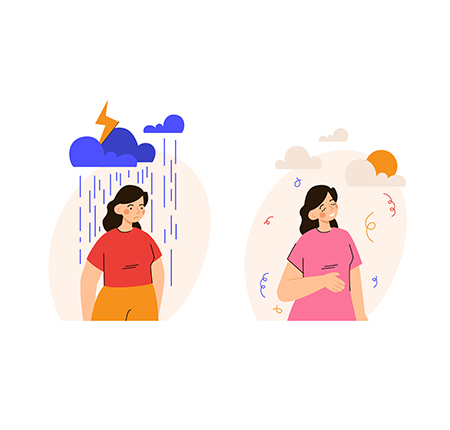
And it's not just about stress at work. Everyday life brings plenty of stressors, and any one of them can keep you in a state of constant tension and worry, which in turn affects your hormonal system. That includes the fear of having become pregnant – or indeed of not having – or the pressure of exam season.
A late period caused by physical exertion
Excessive physical exertion in particular. If you drastically increase your training load – whether through more intense workouts or more time spent exercising – your period may be late. This usually happens when you train for several hours a day and, intentionally or otherwise, create a calorie deficit. In other words, you burn more calories than you take in.
With a large calorie deficit, the body lacks the energy for all its organs and systems to function optimally. This can ultimately disrupt the reproductive system, ovulation and the menstrual cycle. The result? A late period.
A late period caused by health problems
Can a chill in the pelvic area delay your period? Yes, it can. If you're feeling unwell, so is the rest of your body. Whether you're battling a viral infection, an illness, an infection or other health problems, your whole body is working on healing you. And one of the consequences can be a disrupted cycle. Even a cold can ultimately lead to a late period – yes, even a common cold!
In fact, it isn't the illness itself that delays your period. But your body needs rest and slows down its functions, which pushes back ovulation and menstruation. At the same time, any health problem represents a new stressor for the body and can also lead to sudden weight loss. And that, in turn, can result in a late period.
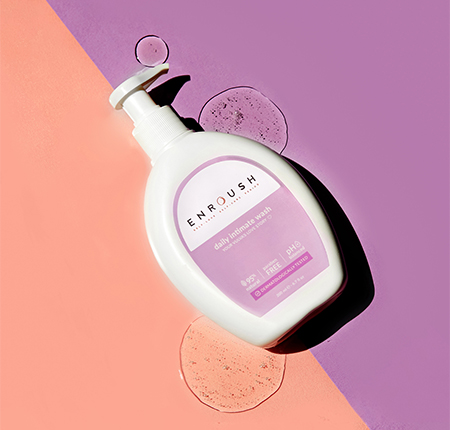
But did you know you can, to a certain extent, prevent situations where infections delay your period and cause discomfort in your intimate area? Natural intimate care helps you maintain vulvovaginal health and hygiene. That's why Enroush Intimate Gel protects you against Candida infections with 87% efficacy while strengthening your skin's immune defences with 95% natural ingredients that form a barrier against bacteria.
A late period caused by pregnancy
As mentioned above, pregnancy isn't the only cause of a delay. But if you're sexually active, it can't be ruled out. Ultimately, there's a good reason we think of pregnancy first when a period doesn't arrive: it's one of the earliest signs of pregnancy. We've discussed other signs that may point to a possible pregnancy in more detail HERE.
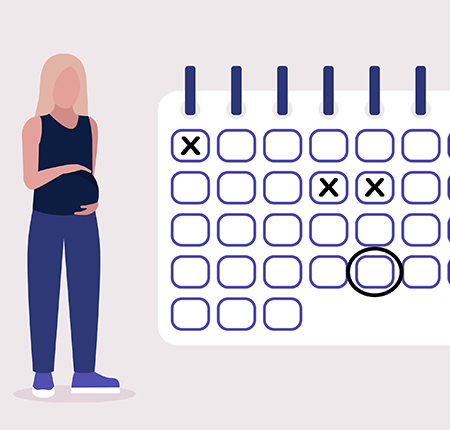
So if your period is late and you know you've had sex, it's possible the contraception you used has failed. You don't have to sit on tenterhooks the moment you notice the delay – you can take a pregnancy test. Thanks to medical advances, there are now tests that can detect a pregnancy from the very first day of a missed period – you'll find everything you need to know about pregnancy tests on the Enroush blog.
A late period while breastfeeding
Your period stops as soon as you become pregnant, but it doesn't return to normal immediately after giving birth. It comes back gradually and settles down step by step. If you decide to breastfeed, your cycle may remain irregular throughout the breastfeeding period and only return to normal afterwards.
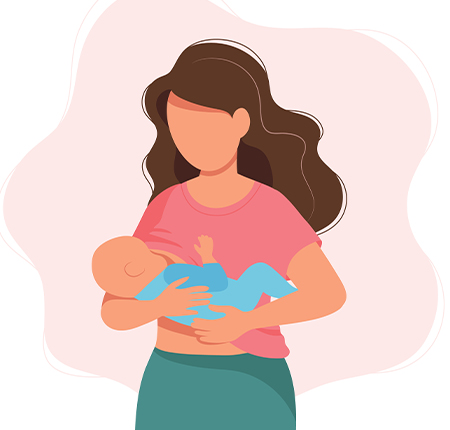
The explanation is simple: prolactin is the hormone that not only makes breastfeeding possible but also interferes with the processes of ovulation and menstruation. So if you're breastfeeding, it can take up to a year for your cycle to settle back into its rhythm.
A late period caused by weight loss
As mentioned earlier, weight loss results from a calorie deficit. That means if you lose weight suddenly or excessively, you're burning considerably more calories than you're taking in through food. In other words, you're drastically restricting your calorie intake.
When that happens, the body may stop producing the hormones needed for ovulation. And without ovulation, a late or missed period is the natural consequence.
A late period caused by the pill
Hormonal contraceptives – better known simply as "the pill" – introduce certain amounts of hormones into your body. It's therefore normal for them to affect your cycle. That's why you may occasionally skip a period without it being cause for concern.
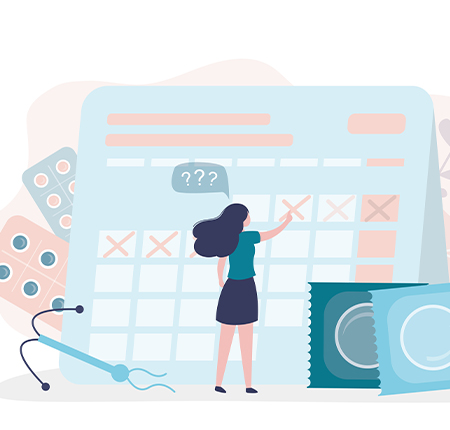
They prevent pregnancy through their progesterone and oestrogen content and are often prescribed precisely to regulate the cycle. Yet some formulations can cause a late period or stop it altogether for a time. You can read more about this HERE, as we've covered the topic of contraceptive pills in greater depth on the Enroush blog.
Even when you stop taking the pill, your period may be late because your cycle is no longer regulated by the hormone intake. It's important to discuss all these changes with your doctor and to follow their advice on starting or stopping the pill.
A late period during perimenopause / menopause
As you get older and approach the menopause, it's normal for your cycle to be disrupted. This happens as oestrogen levels in the body decline, which also affects ovulation.
At around the age of 45 to 55, perimenopause begins – the transitional phase leading to the menopause. Your period then arrives later or comes less and less frequently – a process that can take several years before it stops altogether. On the blog we've also covered the changes perimenopause brings to your body, should you wish to learn more.
If your period starts arriving late before the age of 40, another possible cause is early menopause – the medical term is premature ovarian insufficiency. This means your ovaries cease functioning before the age of 40, and oestrogen production and ovulation stop. The result is the typical menopausal symptoms, including late or absent periods.
A late period caused by being overweight
It isn't only weight loss that affects your cycle – obesity does too. Excess fatty tissue is one of the main reasons the body produces too much oestrogen. In fact, people who are overweight tend to produce oestrogen in excess.
Oestrogen levels that are too high naturally affect a woman's reproductive and sexual functions. They can cause an irregular cycle just as readily as late or missed periods.
A late period caused by hormonal disorders
Your period depends on ovulation, which is governed by the activity of the ovaries – and that in turn is closely linked to your hormonal balance. So if any hormonal imbalance occurs in the body, it's normal for your cycle to change too. We've written about this subject in more detail on our blog, so you can learn everything you need to know about hormonal disorders.
This happens during breastfeeding, for example, when prolactin levels change – we described above how this delays your period. The same applies to thyroid hormones, which influence numerous bodily functions, including the menstrual cycle. That's why an overactive or underactive thyroid can equally be a good reason for a late period.
A late period caused by chronic illness
With chronic illnesses the picture isn't much different: they not only represent a stressor for the body but also impair other bodily functions, thereby affecting menstruation.
If you don't keep a close eye on your blood sugar levels, for instance, type 1 or type 2 diabetes can sometimes lead to a late or missed period.
The same applies to coeliac disease, an autoimmune condition affecting the digestive system. The immune system damages the lining of the small intestine when you consume gluten, meaning the body can no longer absorb the nutrients it needs from food. This leads to malnutrition and weight loss, which affects hormone production and can throw the cycle off balance through late periods.
Why are periods late in teenagers?
It's rare for a cycle to be regular from the outset. In the first few years after a girl's first period, it's entirely normal for periods to arrive earlier or later than expected.
Have you ever heard of the hypothalamic-pituitary-ovarian axis? It may sound complicated, but it's essentially just the hormonal system that regulates your ovulation and menstruation. During puberty and adolescence this axis isn't yet fully mature – which is why it's natural for teenagers' periods to be late.
So a late period in girls going through puberty is normal. It can even take a few years for the axis to develop fully and mature enough to regulate the cycle. As a rule, this should happen by around the age of 20.
If your cycle is still irregular after that, or if bleeding is very painful or heavy, this is no longer considered normal and a visit to the doctor is necessary.
Bringing on a late period – what to do when your period doesn't arrive
We completely understand why you'd want to bring on your period. Amid all the stress of a late period, the desire to induce bleeding comes from trying to regulate your cycle and shake off the worry of an unwanted pregnancy. But because this involves a central function of your reproductive system, it's important to approach the subject with sensitivity and caution.
Whether it makes sense to try to bring on your period depends on the individual case. What methods are you considering? What is your state of health? We've tried to cover as many situations as possible below – but do remember: decisions about your health should always be made together with a specialist.
So you'd like to know what you can do when your period doesn't arrive, to bring it on sooner? Here are a few options. That doesn't mean we're inviting you to try them all – we're simply showing you a few approaches that might possibly encourage menstruation. They may work, or they may have no effect whatsoever:
- Reduce stress: Remember that stress was the first item on the list of possible causes? That's because it's a significant factor. If you manage to reduce it through relaxation techniques and rest, or through some form of exercise, your period might arrive sooner than expected.
- The contractions of an orgasm: Vaginal stimulation can boost blood circulation in the pelvis, while the contractions during orgasm help dilate the cervix and thus make it easier for menstrual blood to flow. Whether through sex or masturbation, an orgasm might bring on your period. Oxytocin, adrenaline and dopamine, which the body releases during intimate moments, can also hasten the onset of menstruation.
- Taking the pill correctly: One important role of hormonal contraception is regulating your cycle. If you take it as prescribed by your doctor, you should be able to get a late period under control and adjust things so it arrives at the right time.
- Tea for a late period: Let's not forget the home remedies that might help bring on your period. Parsley tea, for instance, which is rich in vitamin C. Or pineapple, which affects oestrogen production thanks to its high bromelain content. Ginger, too, might stimulate uterine contractions and encourage bleeding to begin.
Before trying any such method, make sure you're prepared in case it works and bleeding starts. Look after your intimate health with Enroush menstrual products made from 100% organic cotton. Use the organic panty liners to catch the very first signs of your period, then protect yourself in a natural, sustainable and healthy way with organic cotton pads and tampons.

One more crucial point: substances that encourage the onset of menstruation are known as emmenagogues – and if you are in fact pregnant, they can also trigger a miscarriage. So if there's the slightest suspicion that pregnancy is the cause of your late period, using these remedies can be dangerous and is not advisable.
When should you see a doctor?
Even though a late period is often harmless, it's normal for it to worry you. After all, we're used to our period arriving every month. Any disruption to the harmony of this natural process signals an imbalance in our lives. You should see a doctor particularly if:
- you normally have a regular period but suddenly, and uncharacteristically, experience delays.
- your period doesn't arrive and your pregnancy test is negative.
- your periods are still late and irregular after the age of 20.
- you're an adult but not yet 40 and your period is seven days overdue.
- the delay lasts longer than six weeks – regardless of your age.
- you have other symptoms (fatigue, dizziness, pain, weight fluctuations and so on).
You can start with a visit to your GP, who knows your medical history. They may ask further questions about your family history, sexual history, lifestyle and any other health problems. This helps narrow down the possible causes and allows you to be referred to the appropriate specialist:
- Gynaecology, if the cause lies in the reproductive system
- Endocrinology, if the problem is hormonal.
Treatment for a late period
There's no magic pill that works as a universal treatment – no tablet for a late period. Every body is different, every delay has its own reason, and the treatment plan depends directly on all these factors.
If your doctor identifies a health problem – a cold, an infection, a chronic illness – that is delaying your period, treating it takes priority and may well bring your cycle back once you're feeling better. The same applies to a hormonal issue, such as with the thyroid: this is treated first.
If early menopause is affecting the normal function of the ovaries, hormonal treatment with contraceptive pills or hormone replacement therapy might be the answer.
And if stress is the trigger, your doctor may recommend breathing exercises, meditation, yoga or even cognitive behavioural therapy. It's similar with weight fluctuations: here, certain dietary adjustments are recommended so the body can return to normal. If an eating disorder is at the root of it, treating that takes priority.
Can a late period be prevented?
It's difficult to prevent a late period if you don't know there's an underlying health problem. As a general rule, though: as long as there are no imbalances in the body, the cycle won't be disrupted. The healthier and calmer your lifestyle, the better your chances of a healthy menstrual cycle.
Although we can't promise you a punctual period every month, we do have some useful tips for preventing delays:
- A varied diet: With a diet rich in vitamins and minerals, free from excess and meeting your calorie needs, you avoid both a drastic deficit and a surplus – and with them, radical weight loss or gain along with the accompanying cycle problems.
- Balanced physical activity: Here too, excess is the enemy. Exercise is recommended to avoid a sedentary lifestyle, but excessive training two or three times a day is counterproductive. If you're a competitive athlete training intensively, you can speak to a sports medicine specialist to work out a suitable solution together and prevent a late period.
- Relaxation and stress relief: Getting enough rest, managing stressors and making time for relaxing activities are essential for preventing stress-related hormonal disruption.
- Regular check-ups: If your general health is good, your cycle will run normally too. Regular check-ups ensure that no untreated illness or disorder develops that could lead to a late period.
Frequently asked questions
Ultimately, a late period is no tragedy and shouldn't send you into a panic. Remember: there are solutions for almost every situation, and the person best placed to answer your questions and help you with such problems is your doctor.
But we know that questions and curiosity can be overwhelming. To put your mind at ease and keep you well informed, we've answered a few more common questions about late periods.
Can anything bad happen if my period is late?
Every woman experiences a late period at least once in her life without it being cause for concern. If it happens frequently, however, and other health problems are present, complications can arise in the reproductive system and on a psychological level. Lower abdominal pain, stress, infertility or pregnancy complications are all possible consequences.
Which medications can delay a period?
If you have a cold or are receiving treatment for other health problems, it's worth knowing that some medications can delay your period. Antibiotics, for example, can push back menstruation and cause cycle disruption. The same goes for antidepressants, thyroid medication and contraceptive pills.
How long after a missed period should you take a pregnancy test?
Gynaecologists recommend taking a pregnancy test after about seven days of delay. If you'd rather not wait that long, there are also tests that can detect a pregnancy from the very first day of a missed period. If the result is negative and you're still wondering "Why is my period late if I'm not pregnant?" – we discussed many other possible causes at the beginning of this article.
Can the morning-after pill cause a late period?
The emergency contraceptive pill doesn't stop your period – that's one of the myths about the morning-after pill – but it can shift your cycle by a few days. In other words, your period may arrive up to a week earlier or later. If the delay lasts longer, you can take a pregnancy test to find out early on whether the attempt to prevent an unwanted pregnancy has failed.
Are there foods that can delay a period?
You may have heard all sorts of rumours about delaying your period with lemon juice, apple cider vinegar, cinnamon tea or lentil soup. However, there are no studies or scientific evidence to show that any particular food reliably delays menstruation.

Medium, super or extra absorption

Low, medium or super absorption

Low or medium absorption


and happily breaking taboos!


