

What You Should Know About Toxic Shock Syndrome
What is Toxic Shock Syndrome (TSS)?
Toxic Shock Syndrome is a condition caused by toxins produced by Staphylococcus aureus bacteria or by toxins from group A streptococci. Around 30% of people carry Staphylococcus aureus on their skin or in their nose, and if you happen to find yourself in a female body: roughly 10–20% of us carry Staphylococcus aureus in the vaginal lining.
“50% of TSS cases occur in people who use tampons during their period”
Although it's associated with using tampons during your period, Toxic Shock Syndrome can affect anyone – regardless of age or gender. Symptoms appear suddenly and progress rapidly: once a diagnosis is made, treatment must begin immediately, because this is a serious, potentially life-threatening condition.
People who use tampons during menstruation develop this syndrome more frequently. Although the mechanisms aren't yet fully understood, links have been established with the presence of highly toxic ingredients that act as hormone disruptors.
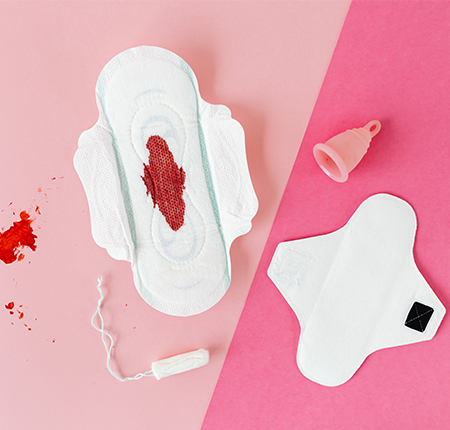
When are you at risk of developing TSS?
Risk factors arise when bacteria enter the body through wounds or skin injuries, surgical procedures, or the use of tampons and other intravaginal period products (menstrual cups, contraceptive sponges, diaphragms).
Possible causes of TSS:
- Tampons (which allow bacteria to multiply if they aren't changed within 4 to 6 hours of insertion)
- Menstrual cups
- Intravaginal contraceptive methods – the diaphragm
- Skin injuries, insect or animal bites, and surgical wounds
- The use of nasal packing for nosebleeds
- Childbirth
- Streptococcal or staphylococcal infections
What are the symptoms of Toxic Shock Syndrome?
The symptoms of Toxic Shock Syndrome come on suddenly, then progress and worsen rapidly. Here's how to recognise them:
- Sudden high fever with chills
- Headache
- A sudden feeling of exhaustion with no obvious cause (physical or emotional strain)
- Low blood pressure
- Vomiting, diarrhoea
- Flu-like symptoms: sore throat
- A sunburn-like rash on the palms and soles of the feet
- Bright red tongue and lips, bloodshot eyes
- Muscle aches
- Cramps
- Dizziness or feeling faint
- Difficulty breathing
Is Toxic Shock Syndrome treatable?
As it's bacterial in origin, treatment involves antibiotics along with targeted medication to relieve symptoms (painkillers, blood-pressure medication, oxygen, fluids and electrolytes given intravenously). Depending on the severity of the case, doctors will determine the treatment and the measures required – which may also be surgical (removal of tissue affected by bacteria).
What can you do to protect yourself?

Look after your intimate and personal hygiene, and treat injuries and infections promptly. And if you use tampons for period protection, choose organic products only and change them every 4 hours!
Did you know that a conventional tampon is made from plastic and synthetic fibres that can come loose and cause tiny injuries? That's precisely where bacteria can produce the toxins that trigger TSS.
Only tampons made from 100% organic cotton leave no residue behind in your body. Even so, the same rule applies when it comes to how long you wear them.
And where period care is concerned, doctors recommend alternating between different types of product, using organic products with as few toxic ingredients as possible (or none at all), changing tampons every 4 to 8 hours, and choosing the right product for each flow level.
Can Toxic Shock Syndrome happen again? How high is the risk?
Unfortunately, yes. Studies have shown that around 30% of patients experience at least one further episode of Toxic Shock Syndrome after the first. The risk of recurrence is highest during the first 3 menstrual cycles – particularly if the original infection wasn't cleared with the appropriate antibiotics.
As for antibodies, recent studies also show that around 66% of patients don't develop antibodies following menstrual Toxic Shock Syndrome, leaving them still vulnerable to bacterial toxins. The risk can be reduced, however, by avoiding wearing tampons or diaphragms for long periods.
If you have any questions we haven't answered in this article, do get in touch!

Medium, super or extra absorption

Low, medium or super absorption

Low or medium absorption


and happily breaking taboos!


