

Menstruation – EVERYTHING you need to know
Did you know that the menstrual cycle is about far more than just your period? In fact, menstruation is only the first phase of your cycle. So it's well worth paying it a little attention: what does it actually mean, and how does it affect your health and daily life?
What does menstruation mean?
Menstruation is the monthly vaginal bleed in which blood and tissue from inside the womb are shed through the cervix and vagina. Typically, menstruation:
- Occurs every 21 to 35 days, on average every 28 days
- Lasts between 2 and 7 days
- Involves losing 40 to 80 ml of blood
The first period is called the menarche and happens at around 11 to 13 years of age; the end of menstruation is the menopause, which occurs between the ages of 45 and 55.
Menstrual symptoms
Each month during menstruation, your body sheds the womb lining it has built up in preparation for a possible pregnancy. If an egg isn't fertilised and pregnancy doesn't occur, the uterus sheds the tissue it has created. So what might you feel during your period?
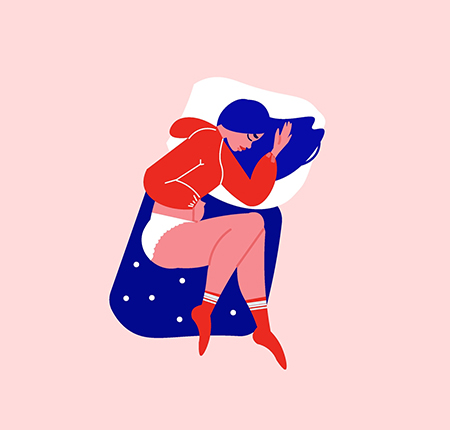
Common symptoms include:
- Abdominal and pelvic cramps
- Back pain
- Tender breasts
- Mood swings
- Changes in appetite
- Headaches
- Fatigue
One of the most common symptoms during menstruation is abdominal cramping. Cramps are real. Period pain, known medically as dysmenorrhoea, is typical of menstruation. It occurs before or during bleeding and can vary in intensity. It's estimated that 50 to 80% of women will experience dysmenorrhoea at some point in their lives. It's also the most common reason for gynaecological consultations and one of the leading causes of absence from school or work.
Premenstrual symptoms/PMS (before your period)
Premenstrual syndrome (PMS) covers a group of physical and emotional symptoms that begin before menstruation starts, and which you may recognise:
- Anxiety
- Low mood
- Mood swings
- Irritability
- Cravings for certain foods
- Insomnia
- Difficulty concentrating
- Muscle or joint pain
- Headaches
- Increased fatigue
- Bloating
- Tender breasts
- Acne
- Constipation or diarrhoea
The menstrual cycle
And speaking of hormones: your body works on hormonal signals throughout the entire cycle. The cycle can be divided into four phases: menstruation, the follicular phase, ovulation and the luteal phase.
The term menstrual cycle describes the sequence of processes that take place in a woman's body as it prepares each month for a possible pregnancy. The first day of your period is considered the start of a cycle. An average cycle lasts 28 days, although the length can vary from 21 to around 35 days.
While PMS has no single direct cause, several factors can contribute to it: hormonal changes, fluctuations in serotonin, and low iron or vitamin levels.
The menstrual phase
This phase usually runs from day one to day five of your cycle. During this time, the womb lining is shed through the vagina, provided pregnancy hasn't occurred. Most people who menstruate bleed for three to five days, but a period lasting just two days or as long as seven days is also considered normal.
The follicular phase (pre-ovulatory phase)
During the follicular phase, under the influence of follicle-stimulating hormone (FSH), a follicle (a small sac within the ovary) is selected in one of the ovaries for ovulation. Oestrogen enters the bloodstream and the womb lining begins to thicken. The follicular phase usually lasts around 8 days: from day 6 to day 14 of your cycle.
Ovulation (the ovulatory phase)
The ovulatory phase begins with a major surge of luteinising hormone (LH); the egg is now ready to be released. If fertilisation doesn't take place within 24 hours, the unfertilised egg breaks down.
The luteal phase (post-ovulatory phase)
The luteal phase follows ovulation. It lasts 14 days on average (if you're not pregnant) and ends on day 1 of your next period: progesterone levels drop and the cycle starts all over again.
A normal period
Even though it sometimes looks like a lot (especially on your heavier days), the amount of blood lost during menstruation doesn't exceed 60 to 80 ml. Normal bleeding lasts between 3 and 7 days. During this time, typical menstrual symptoms may appear, including acne, bloating, mood swings and cramps or insomnia.
Irregular menstrual cycle – causes
After your first period, changes in the length or heaviness of your cycle and bleeding are completely normal – even for several years afterwards. These changes also depend on other factors, such as:
- Stress
- Diet
- Emergency contraception
- Certain medications
- Excessive physical exertion
- Polycystic ovary syndrome
- Thyroid disorders
- Other conditions (endometrial polyps, uterine fibroids)
There are also irregular cycles in which you don't ovulate every month. However, if the changes are significant or very frequent, it's a good idea to see a doctor.
Signs of an irregular period
Irregular bleeding can affect anyone, and the causes are varied – though they're usually linked to your hormonal balance.
An irregular period can also be a sign of more serious conditions:
- Hypothyroidism
- Hyperthyroidism
- Diminished ovarian reserve (which can also occur in people under 40)
- Uterine polyps
- Polycystic ovary syndrome
Worth knowing: you can spot an irregular cycle if
- the interval between two periods changes frequently and noticeably
- you lose considerably less or more blood than usual
- the length of your cycle varies widely from month to month
Changes in hormonal balance can throw your cycle off. That's why irregular bleeding is particularly common during puberty and in the years leading up to the menopause. Other common causes, besides those listed above, can include:
- Using a coil as your method of contraception
- Switching contraceptive pill
- An intense sport or training programme
- Pregnancy and breastfeeding
- Uterine fibroids
Preventing cycle disorders
There's plenty you can do to ease your menstrual symptoms, help prevent cycle disorders and – obviously – get rid of painful cramps. These things can be put into practice on any day of your cycle, quite simply as part of your lifestyle.
Here are a few healthy habits for a balanced period:
- A healthy diet. Suitable supplements can also help lower the risk of inflammation in the body.
- Drink enough fluids. Good hydration is important and can ease bloating during your cycle as well as muscle aches.
- Herbal teas. Herbs and plants are well known for their healing properties – so why not try a tea with mint, chamomile, ginger or fennel?
- Organic pads & organic tampons. Period products should be 100% organic. Non-organic products contain plastics and chemicals that are seriously harmful to your hormonal balance. Did you know that all those toxins in conventional products can make cramps worse?
- Aromatherapy or massage with essential oils – they'll help you unwind effortlessly. Choose lavender, clove, rose or sage oil – or why not simply blend your own?
- CBD oil. Several studies have shown anti-inflammatory, pain-relieving and mood-lifting effects of CBD oil, particularly for menstrual symptoms.
- Exercise. The endorphins released through physical activity can improve how you feel overall and ease pain and cramps. Regular walks, yoga or stretching all do you good.
- Sexual health. It's hardly a secret any more that vibrators boost blood circulation and oxygenate the muscles. Sex toys also trigger waves of pleasure and can therefore free you from cramps too. So it's a win-win :P
Get enough sleep. Sleep is essential, especially during your period. Lack of sleep can raise your stress levels generally; getting enough, on the other hand, helps you relax your muscles and keep your hormones in balance.
Visiting the gynaecologist
If you notice marked changes in your cycle, you should see a gynaecologist: they may be signs of medical problems that need treating. Here are possible causes for concern where a visit to the doctor is absolutely advisable:
- You haven't had a period yet and you're older than 15
- Your period has suddenly stopped for more than 90 days and you're not pregnant
- Your period has suddenly become irregular
- Your cycle is shorter than 21 days or longer than 36 days
- Bleeding lasts longer than 7 days
- Your bleeding is considerably heavier than usual
- You have severe pain during your period
- You've developed a fever and feel very unwell after using tampons
Period calendar – tracking your cycle
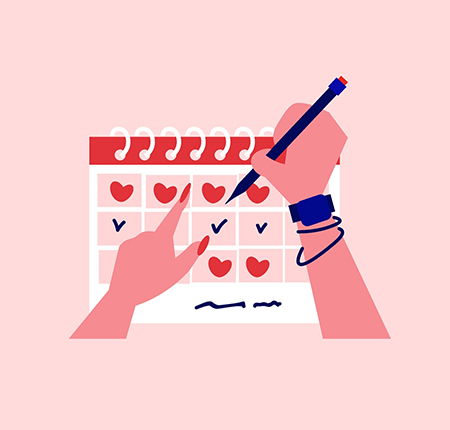
The good news is: the best way to stay on top of your cycle and spot potential problems early is to record it regularly! Whether as a calendar, a diary or an app on your phone, tracking has plenty of benefits: you'll notice an irregular cycle early, you can avoid pregnancy during your infertile phase (but don't forget contraception!), plan your holidays better and understand when and why you have more energy, or when you're more prone to mood swings.
We'd recommend an app (Flo, for example) – there are plenty of popular period apps tried and recommended by thousands. Or create your own diary or calendar, noting vaginal discharge and how it changes, your sex drive, when period cramps appear, and so on.
What colour can period blood be?
The colour of period blood can vary – and that's usually perfectly fine. So you may notice different shades of blood, and there are reasons behind these changes! Some can be cause for concern, so keep an eye out for any other uncomfortable symptoms.
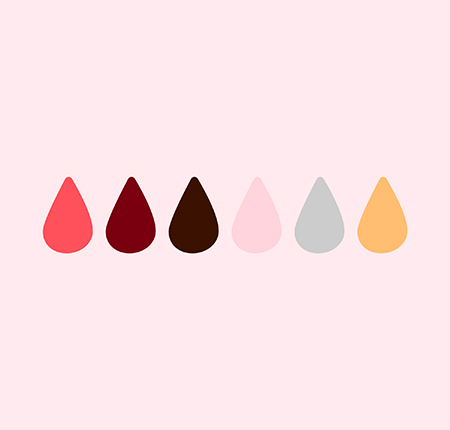
- Pink bleeding
A pink tinge can appear if you have spotting or light bleeding between periods. It can occur right in the middle of your cycle, in which case it's often cervical mucus mixed with blood, caused by ovulation. - Brown bleeding
At the beginning or end of your period, blood can be brownish or dark red with a thicker consistency. The reason? The blood is older and has taken longer to leave the uterus. - Black bleeding
Likewise, older blood can have a darker, almost black appearance and show up at the start or end of your period. If the colour is greyish, however, this can be a sign of infection. In that case, contact a gynaecologist. - Red bleeding
Bright red blood occurs with heavy bleeding, usually on the second or third day of your period, because the womb lining is being shed very quickly and the blood is fresh.
Menstrual cycle disorders
Menstruation is a natural process. However, if one or more symptoms before or during your period cause you real difficulty, a cycle disorder could be behind it. What are menstrual cycle disorders and conditions? Here are a few:
- Abnormal bleeding, including very heavy menstrual bleeding
- Absence of periods (amenorrhoea)
- Bleeding between periods
- Severe pain during your period – which isn't normal – or dysmenorrhoea
- Premenstrual dysphoric disorder – a severe form of premenstrual syndrome
Useful hygiene products for your period
When it comes to the products you use during your period, what matters is what suits you best. It helps to know how heavy your flow is, what symptoms you get, the level of comfort you want and what physical activities you'll be doing on those days.
In recent years the market for period products has become ever more varied – even if not all products are made with the same care for your body and for nature. Some contain substances that are toxic to the body, and manufacturers aren't obliged to list every ingredient on the packaging.
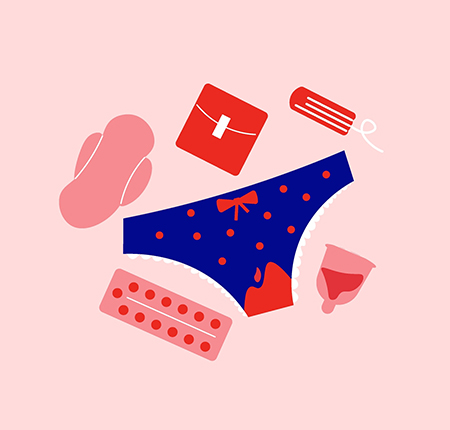
Let's look at the sustainable options available today:
Organic tampons
ENROUSH tampons are easy to use, absorb fluid evenly across their entire surface and are made exclusively from 100% organic cotton – with nothing else added.
Organic pads
Individually wrapped, easy to store and carry – ENROUSH pads are made from 100% organic cotton and exclusively from natural, plant-based fibres. They contain no fragrances or bleaching agents, minimising the risk of irritation or allergies.
Washable pads
Comfortable and easy to clean, made mainly from cotton – though they're not yet regulated and may contain synthetic materials.
The menstrual cup
It can be worn for up to 12 hours and is made of medical-grade silicone, free from chemicals, plastic and dyes. It's suitable for medium and heavy flows, although it can take a while to get used to. A menstrual cup has a lifespan of up to 10 years.
The reusable menstrual disc
It can be worn for up to 12 hours, and you can have sex while wearing it. It's made of ultra-thin medical-grade silicone, but differs from the cup in that it has no retaining rim – so it can take time to get used to and may be trickier to insert or remove.
Frequently asked questions about menstruation
Your cycle is unique. And it's really important to understand more about what it means and how it can affect your daily life. Of course, it's possible to live without periods: for some women it's actually more beneficial to suppress them – with endometriosis, for example.
In any case, your period can be a blessing when viewed from another angle: it's a good reason to pay more attention to your wellbeing and treat yourself! There are also plenty of myths and misinformation surrounding periods. Here are some particularly common questions!
How long before your period do your breasts hurt?
Breast tenderness is one of the symptoms of premenstrual syndrome and usually appears a few days before bleeding starts. But it's not a hard and fast rule! Some people get breast pain 4 to 5 days beforehand, while others report increased tenderness as early as 1 to 2 weeks before. Every body is unique.
How long does bleeding last in pregnancy?
Some people experience bleeding or spotting during pregnancy, which is common in the first trimester. Up to 30% of women may have bleeding during this time, lasting 1 to 2 days. Important: any heavy bleeding during pregnancy requires immediate medical attention.
How many days after your period are you safe?
The risk of becoming pregnant from unprotected sex is never zero – whatever day of your cycle you're on! That said, the first 10 days after your period can be infertile.
How long does the first bleed after giving birth last?
The first bleeding after birth can last up to 12 weeks. This isn't a period but the "remains" of the womb lining (lochia).
What can you do if your stomach hurts during your period?
Dysmenorrhoea – abdominal pain and cramps during menstruation – can be eased in various ways: you can warm the area with a hot water bottle, take a warm bath or take anti-inflammatory medication. Gentle exercise helps, and orgasms relax the muscles and relieve cramps.
How much blood do you lose during your period?
Even if it sometimes looks like more – because of the clots – it's normal to lose around 60 to 80 ml of blood each month. If the amount exceeds 80 ml (you're changing your period products several times an hour, over several days), you should see a doctor.
What happens if you donate blood during your period?
You can donate blood during your period; nothing will happen. Even so, it's worth asking a doctor beforehand, as it may be better to wait until the bleeding has finished.
Can you bathe during your period?
Yes. There are no contraindications.
Which vitamins do you lose during your period?
Every body is different, but during your period you may lose vitamins and minerals such as vitamin C, E, B or magnesium.
Can you have sex during your period?
Yes, but don't forget to use contraception!

Medium, super or extra absorption

Low, medium or super absorption

Low or medium absorption


and happily breaking taboos!


