

Everything you ever wanted to know about premenstrual syndrome
Just before your period arrives, your body starts sending you signals: a dragging sensation in your lower abdomen one day, a mood swing the next – for many women these are only mild signs each month, while for others the days before menstruation can be hugely draining. Either way: 3 in 4 women have experienced premenstrual symptoms at least once in their lives. And according to doctors, around 75% of people who menstruate experience some signs of PMS (premenstrual syndrome).
What is premenstrual syndrome?
Premenstrual syndrome is a combination of physical, behavioural and emotional symptoms that occur during the premenstrual phase of the menstrual cycle – read more here about each individual phase of the cycle! These symptoms can show up as food cravings, cramps, fatigue, breast pain, bloating before your period, or as a general sense of feeling unwell and mood swings.
If you've ever had these symptoms before your period, then you too experience premenstrual syndrome – or PMS. And if you find yourself dealing with states well before menstruation that interfere with your daily life – including work, school and relationships – you could be experiencing premenstrual dysphoric disorder – or PMDD.
How do the two present themselves? How do you tell them apart? What causes them, and what can you do to feel better each month? We cover all of this in this article – so do read on!
When does premenstrual syndrome (PMS) occur?
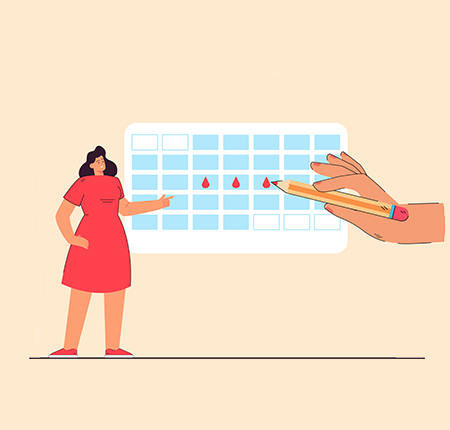
We'd love to know the exact answer too!! The truth, however, is that when PMS strikes varies from woman to woman. You might have symptoms a day before your period, or as early as just after ovulation – after the first 14 to 16 days of the menstrual cycle – and they may persist until after the bleeding has begun. In some (luckier!) cases, the symptoms disappear the very moment the bleeding starts.
Can premenstrual syndrome differ depending on your age?
Yes! If you're between 30 and 40 and you've noticed a change compared with previous years, when you only had mild premenstrual discomfort, you're not alone! Studies show that PMS symptoms can worsen the closer you get to the menopause, or when you're in the transitional stage, perimenopause.
If, for instance, you've ever found yourself in tears before falling asleep, or you're struggling with insomnia, that's because your hormone levels shift from year to year. In the years leading up to the menopause, hormone levels can rise and fall unpredictably, causing more unpleasant symptoms, discomfort and fatigue.
Symptoms before menstruation
Typically, the symptoms of premenstrual syndrome range from mild to moderate or severe.
Did you know that nearly 75% of women experience one or more PMS symptoms?
A smaller proportion – up to 30% of women – have symptoms before their period that are moderate or severe. And 3–8% of people who menstruate experience premenstrual dysphoric disorder.
How intense your symptoms are before your cycle may be quite different from what your friends experience. What's more, the intensity can vary from month to month! And here's what to remember: you don't need to have every sign and symptom of PMS at once to be affected by pre-cycle pain and mood swings.
For some people, for example, insomnia appears right before their period – you can read more about this on the blog. Alongside insomnia, symptoms can be emotional, behavioural and physical. Let's take a look at them in turn!
Premenstrual syndrome: emotional & behavioural symptoms
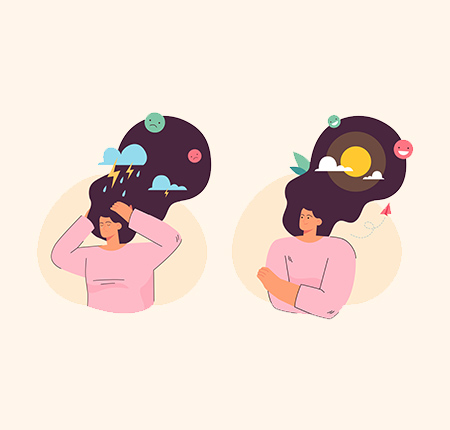
Emotional and behavioural symptoms differ from person to person; the most common are:
- Anxiety
- Inner tension
- Mood swings (irritability)
- Depression
- Cravings or changes in appetite
- Insomnia
- Changes in libido and in the way you experience pleasure (we've written more about this here: https://enroush.co.uk/blog/lets-talk-about-what-does-and-doesnt-turn-you-on)
- Social withdrawal or a need to isolate yourself
- Reduced ability to concentrate
Physical PMS symptoms
Alongside the emotional ones, physical symptoms can also appear, such as:
- Muscle and joint pain
- Headaches, cephalalgia
- Bloating
- Fatigue
- Acne
- Diarrhoea or constipation
- Increased breast tenderness and pain
- Fluid retention
- Lower abdominal pain
- Cramps
- Swollen hands or feet
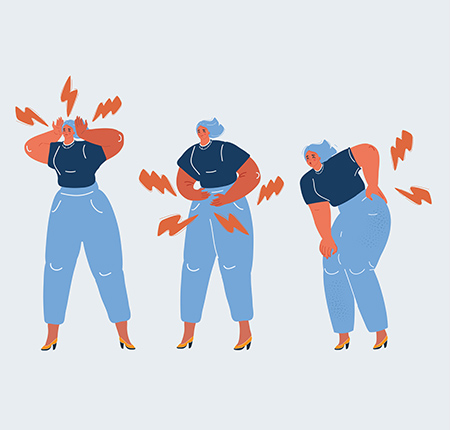
It's also entirely possible for premenstrual syndrome to show up as dizziness – particularly if you aren't drinking enough or your body is lacking certain vitamins and minerals. On top of that, some people feel nauseous before their period, which is anything but pleasant!
Can premenstrual syndrome affect existing conditions?
While it isn't a hard-and-fast rule, around half of women with PMS unfortunately also have another health condition that can worsen in the run-up to menstruation.
And in most cases, that condition has symptoms similar to premenstrual syndrome. Here are a few of them:
- Depression and anxiety disorders – the most common conditions that overlap with PMS and can worsen before or during your period.
- Myalgic encephalomyelitis or chronic fatigue syndrome (CFS) – women who have it may experience heavier menstrual bleeding and an earlier menopause
- Irritable bowel syndrome – the condition causes cramping and bloating, and symptoms can worsen before your period
- Painful bladder syndrome (interstitial cystitis) – can cause more severe cramping
In addition, PMS can worsen asthma, allergies and migraines.
Do see a doctor if mood swings linked to premenstrual syndrome, or other symptoms, start to affect your daily life and your health!
PMS – causes & risk factors
Although PMS is so common and widespread, the exact cause isn't known. Current studies suggest that premenstrual syndrome arises from changes in neurotransmitters and hormones. Fluctuating serotonin levels (a neurotransmitter) is one of the factors that can trigger PMS, because when there's too little serotonin, it affects both the body and mental health – in the form of depression, fatigue, insomnia and the other complaints we all know so well.
On top of that, there are risk factors that can make pre-period symptoms worse, even if they don't cause them:
- Smoking
- Lack of exercise
- Lack of sleep
- Excessive alcohol consumption
- Consuming excessive amounts of salt, sugar or red meat
- Depression
- A period of intense stress
You should also see a doctor if you have endometriosis. Although it's a chronic condition with no cure, there are treatment options that can ease the symptoms of PMS and those experienced during menstruation, such as hormone therapy. Read more about living with endometriosis in our article!
Diagnosing premenstrual syndrome
Premenstrual syndrome usually isn't diagnosed through examinations or lab results, but through a conversation with your gynaecologist about the symptoms that trouble you each month. For this, it's best to keep a symptom diary, noting the type, frequency, intensity and other details across several menstrual cycles – at least three. Your doctor may also recommend a specialist consultation with an endocrinologist to test the levels of certain hormones at the start of your cycle, as well as tests for possible thyroid dysfunction.
Treating premenstrual syndrome
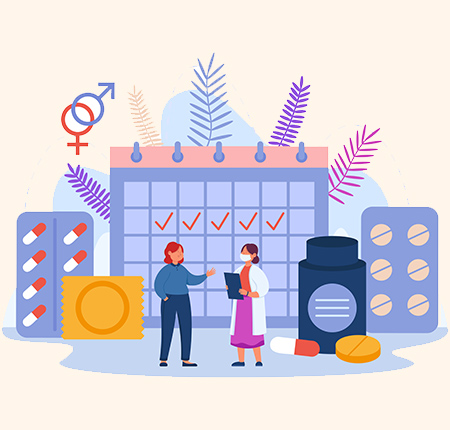
PMS symptoms can be eased differently for each person – through lifestyle changes; however, depending on the severity, certain medications and therapies may also be used.
- Antidepressants can ease mood swings; they're prescribed by a doctor.
- Non-steroidal anti-inflammatory drugs (such as ibuprofen) to relieve cramps.
- Diuretics, to reduce bloating and swelling, as they help flush out excess fluid.
Hormonal contraceptives – we've written more about these here!
How can I treat the symptoms of premenstrual syndrome at home?
Some PMS symptoms can be eased first and foremost through a healthy lifestyle, including:
- Regular physical exercise
- A diet that gives you vitamins, minerals and everything else your body needs – and that avoids excess caffeine, salt and sugar before your period
- Keeping to regular sleep times
- Managing stress, depression and anxiety – cognitive behavioural therapy, yoga, massage, meditation or other alternative approaches (acupuncture)
- Giving up smoking
Will vitamins and supplements help me manage PMS?
Before deciding which vitamins or supplements to take, speak to a doctor and make sure your blood tests are up to date so you can see where there's a deficiency. So far, studies show that calcium supplements (or foods that aid the body's absorption of calcium) and vitamin B6 could help ease premenstrual syndrome. Naturally, you'll find B6 in foods such as fish, cereals or poultry. Magnesium can also relieve some symptoms (particularly migraines), although the research isn't conclusive. We'd recommend speaking to your doctor before taking any supplements.
Tips & advice – easing PMS symptoms
If you have PMS, the likelihood of the symptoms returning each month may decrease over time – but they won't necessarily disappear altogether. Through diet, exercise and avoiding excess alcohol, caffeine, sugar and salt before your period, you can get certain symptoms under control.
When should you see a doctor?
Some people have to cope with severe symptoms, particularly where mental health is concerned. And if this happens to you every month, it could be more than simple premenstrual syndrome. Medically speaking, there's a condition that's less visible around menstruation but which has a negative impact on your mental health: premenstrual dysphoric disorder – and we'd recommend seeing a doctor about it.
Premenstrual dysphoric disorder (PMDD)
When premenstrual syndrome means more than cramps and sore breasts – and you experience unexplained low mood and anxiety every month – we can speak of premenstrual dysphoric disorder (PMDD).
Premenstrual syndrome vs premenstrual dysphoric disorder
Unlike premenstrual syndrome, PMDD symptoms are very severe and completely disrupt the lives of the women affected, through:
- Depression
- Heightened anxiety
- Persistent anger or irritability
- Reduced interest in usual activities (work, school, hobbies)
- Difficulty concentrating
- Insomnia or hypersomnia
- Physical symptoms similar to those of premenstrual syndrome
PMDD symptoms & diagnosis
Severe symptoms also include panic attacks and suicidal thoughts. To make an accurate diagnosis, your doctor may ask you about:
- personal and family history of premenstrual syndrome, PMDD and other mental health conditions
- family history of other conditions, including hypothyroidism or endometriosis
Depending on your symptoms, a gynaecological examination may also be recommended to rule out gynaecological conditions.
PMDD causes & treatment
The exact causes of PMDD aren't known, and unfortunately there's no cure. Improvements are possible, however, if you make changes to your lifestyle and seek psychotherapeutic support.
You can keep severe symptoms under control through:
- Reducing stress (for example, rearranging your schedule to lessen stress during the premenstrual week)
- Cognitive behavioural therapy
- Taking vitamin B6, calcium
- Antidepressants
- Hormone therapy
- Relaxation techniques (meditation, yoga)
- Cutting down on or giving up smoking
- Physical exercise
And during menstruation, our advice is this: always choose safe, sustainable, natural and organic products that are not only practical and kind to the environment, but also give you the comfort you need and the reassurance that they won't cause irritation or infection.

We'd recommend keeping a menstrual diary in which you note all the symptoms you have each month – and turning to a professional if they start to interfere with your daily life!

Medium, super or extra absorption

Low, medium or super absorption

Low or medium absorption


and happily breaking taboos!


