

Dysmenorrhoea – What is it and how can you get rid of period pain?
As a woman, you've almost certainly experienced pain in your lower abdomen during your period at least once in your life. From mild discomfort that passes on its own to severe pain that won't leave you alone for days – dysmenorrhoea can't be cured for good, but there are ways to ease the symptoms. Pain that's barely bearable, or the appearance of other symptoms that we discuss in detail below, are signs that it's time to see a doctor. Here's everything you need to know.
What does dysmenorrhoea mean?
Menstruation often comes with symptoms such as headaches and cramps. These complaints can be an important indicator of our state of health – which is why it's important to distinguish ordinary pain from the kind that points to a problem.
Dysmenorrhoea is the medical term for period pain, the intensity of which varies from woman to woman. The cramps can begin one to two days before the bleeding itself and usually continue through the first two days of the cycle.
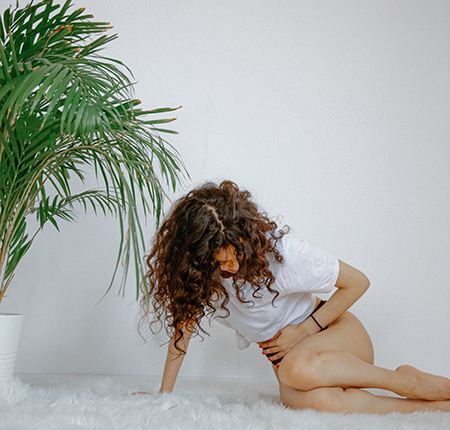
Why does period pain happen?
Period pain mainly affects women between 15 and 25, occurring in around 50% of them. The pain is usually at its worst in the first two years after the first period. It may lessen in intensity with age and can even disappear altogether after a first birth.
What actually happens in our bodies during this pain? During menstruation, the body releases hormones called prostaglandins, which cause the womb to contract so that the womb lining can shed. If the contractions of the womb are too strong, they can press on the blood vessels in the area and block the supply of oxygen to the muscle tissue in the lower abdomen. This lack of oxygen causes period pain. 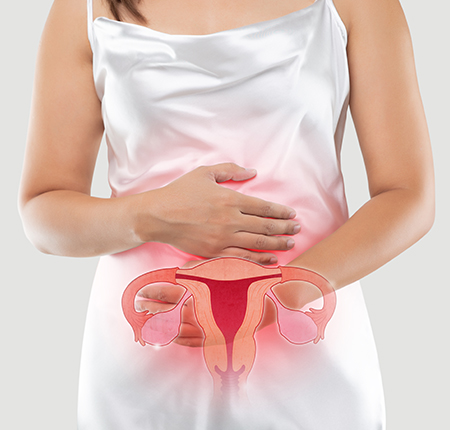
High prostaglandin levels are, in most cases, associated with severe period pain.
Types of dysmenorrhoea
Period pain that occurs only during menstruation is called primary dysmenorrhoea, while secondary dysmenorrhoea may be caused by conditions affecting the reproductive organs. Let's take a look at the main differences between the two.
Primary dysmenorrhoea
Primary dysmenorrhoea is the most common form of period pain; it recurs and is not caused by any other condition. The pain is felt one to two days before menstruation or as the bleeding begins, in the lower abdomen, the back or the thighs. The intensity ranges from moderate to severe and lasts between 12 and 72 hours.
Typical accompanying symptoms also include nausea, vomiting, diarrhoea or exhaustion. Primary period pain becomes less intense with age or after a first pregnancy.
Secondary dysmenorrhoea
Secondary dysmenorrhoea refers to pain caused by a condition of the female reproductive system or by an infection. This type of period pain starts early in the menstrual cycle and can last longer than the primary form.
Symptoms that should be treated as warning signs include: pain during intercourse, bleeding during or after intercourse, difficulty conceiving, constipation, foul-smelling vaginal discharge, frequent urination, fever or bleeding between periods, nausea and extreme fatigue.
Causes of dysmenorrhoea
With primary dysmenorrhoea, the cause is usually the same: prostaglandin release is high, so the womb contracts strongly. The cramps are painful, but after the first few days of the menstrual cycle they become less frequent and less intense.
Secondary dysmenorrhoea is a more complicated story. It is caused by certain conditions and disorders of the reproductive system, including:
- endometriosis – parts of the tissue lining the womb grow outside the womb;
- adenomyosis – the tissue lining the womb grows into the muscle of the womb;
- pelvic inflammatory disease (adnexitis) – caused by a bacterial infection that can develop in the womb and also affect other reproductive organs;
- cervical stenosis – narrowing of the cervical canal;
- fibroids (benign tumours) – which can grow on the walls of the womb.
- general details, we list causes of both primary and secondary dysmenorrhoea + list of causes (e.g. endometriosis, inflammation, etc.)
Causes of lower abdominal pain without menstruation
Can you have lower abdominal cramps outside your period days? In certain situations yes – and here are some of the causes:
- premenstrual syndrome – the pain can occur a few days before menstruation due to the release of oestrogen and progesterone;
- pregnancy – it's normal to feel lower abdominal pain without menstruation;
- thyroid disorders;
- intense physical activity;
- treatment with contraceptives;
- stress;
- polycystic ovary syndrome, which we've written about HERE;
- urinary tract infections;
- uncomfortable sexual positions or deeper penetration;
- ovarian cancer.
So if you experience unbearable pain during or outside your period, talk to a doctor to make sure everything is as it should be and that there's no cause for concern.
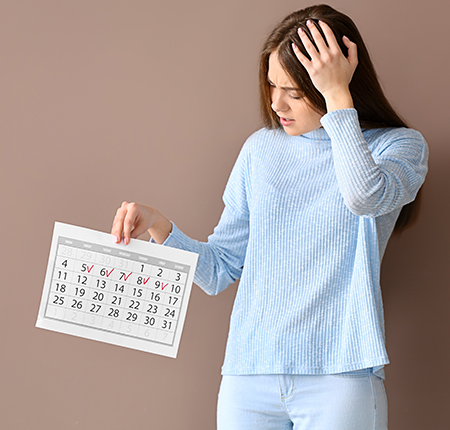
Causes of lower abdominal pain in pregnancy
Cramps can be a sign of pregnancy. They're usually felt lower in the abdomen than usual and can continue through the first weeks of pregnancy.
Odd as it may sound, period-like cramps are also common towards the end of pregnancy! So if you're in the third trimester and feel this kind of pain you haven't had in a long time, don't worry! During this time the foetus grows very quickly and the body does everything it can to adapt.
If you're wondering what other signals your body sends to announce a pregnancy, or if you simply want to learn more about yourself and your body, do read the article we've prepared for you HERE.
Symptoms associated with dysmenorrhoea
Usually, the pain associated with menstruation peaks 24 hours after the cycle begins and should subside after 2–3 days. The pain is either sharp or dull and persistent, and can sometimes even spread to the lower back or the legs.
Other symptoms that can accompany dysmenorrhoea include:
- nausea
- headaches
- dizziness
- vomiting
- diarrhoea/constipation
- bloating
- light-headedness
- mood swings
Period pain – risk factors
Even though period pain is normal, it's important to pay attention to how your menstrual symptoms change from month to month. Worth knowing: the risk of period pain increases if:
- women are under 30;
- puberty started early (at 11 or earlier);
- menstrual bleeding is very heavy;
- periods are irregular;
- you smoke;
- you consume excessive caffeine;
- there's no physical activity at all;
- emotional stress, depression or anxiety are present;
- you've never been pregnant;
- you've followed diets or weight-loss regimes.
Can intimate hygiene products make period pain worse?
As if hormonal fluctuations and the changes in the body weren't enough, many of the intimate care products on the market do us more harm than good. The culprits are all the chemicals, dioxins, chlorine and plastic in those very products we expect to protect the health of our intimate area every day.
If you often struggle with inflammation, infections or irritation, there's a good chance the pads or tampons you use are throwing your pH out of balance and disrupting the bacterial flora of your intimate area. If thrush won't leave you alone or itching is a real problem for you, your intimate gel probably isn't caring for your body the way it should. If the products you use in your intimate area smell pleasant, that means they contain fragrance – a real red flag. Even period pain (dysmenorrhoea) can get worse when your vulva comes into contact with harmful chemicals. 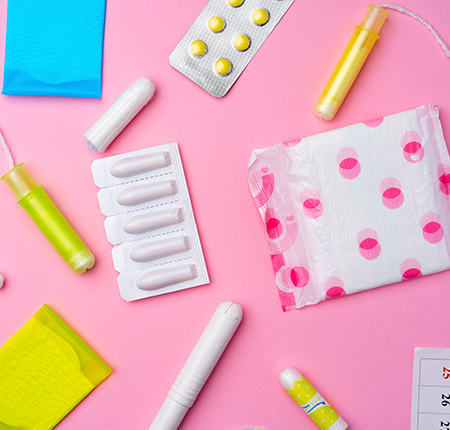
I had real trouble on my period days: shop-bought pads caused terrible irritation, and so did the intimate care products – I was at my wits' end! Then my mum recommended ENROUSH, the kindest brand I've ever come across. Since the first time I tried it, I haven't had a single bout of irritation! Love, love, love!
RUCSANDRA-IOANA
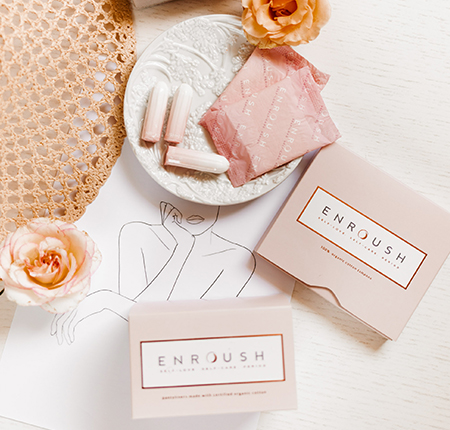
If it feels as though discomfort has become the new normal, discover how organic, 100% natural care can make all your problems disappear. At Enroush we've developed a pure formula – no trace of chemicals, no plastic or synthetic fibres – so that your health is protected while you enjoy the comfort you need every single day. Periods are no longer an ordeal, the pain is less, and you can say goodbye to infections, inflammation and unpleasant sensations. It's time to try ENROUSH.
Severe period pain – when should you see a doctor?
Over time you get to know your body better and can tell what's normal for you and what isn't – especially when it comes to menstruation. Since each of us is unique, there's no one-size-fits-all answer to the question "When should I see a doctor?"
There are, however, a few signs to watch out for – and if you notice them, do see a doctor:
- The anti-inflammatory painkillers you usually take no longer work;
- The pain lasts longer than 72 hours;
- The cramps are accompanied by a raised temperature (fever);
- The severe pain appears for the first time after the age of 25.
The most important thing to remember is this: seeing a doctor doesn't automatically mean a worrying diagnosis – it's actually a sign that you're looking after yourself and your health.
Diagnosing dysmenorrhoea
Making a diagnosis – especially when we try to do it ourselves – can be complicated. That's why it's wise to turn to a professional when we feel something isn't right.
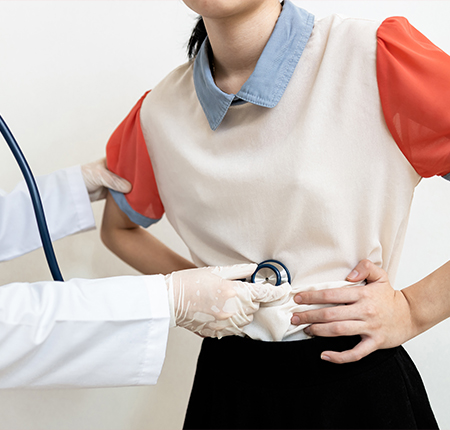
If the pain is acute and long-lasting, a visit to a gynaecology clinic for diagnosis and treatment is essential. Alongside the usual gynaecological examination, your doctor may recommend the following investigations:
- pelvic ultrasound – examination of the pelvis using ultrasound;
- MRI – this scan has a sensitivity of 93% and a specificity of 97% in diagnosing malignant gynaecological tumours;
- laparoscopy – a surgical procedure in which the abdominal organs or the internal reproductive organs are examined;
- hysteroscopy – a minimally invasive method that allows the uterine cavity, the cervix, the vagina and the openings of the fallopian tubes to be examined and operated on.
Treatment – how do you get rid of period pain?
When it comes to treating ordinary menstrual cramps, that is primary dysmenorrhoea, we can turn to anti-inflammatory medicines that help relieve the pain. It's best to seek medical advice to make sure we're making the right choice for us.
If your doctor identifies more complex problems, as with secondary dysmenorrhoea, certain hormonal contraceptives may be recommended. These contain hormones that prevent ovulation and so reduce menstrual pain.
Both primary and secondary period pain can be treated – so don't put off that appointment with a specialist, and don't take any medication without their approval. We do have one more tip for you, though.
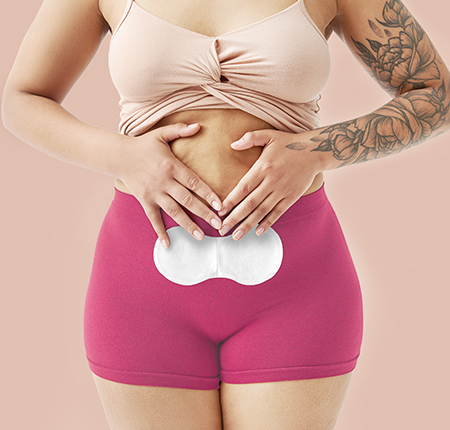
We live in an age of innovation and can genuinely choose what's best for our bodies. The best example is our most loyal friend during our period: the hot water bottle, which has soothed our pain countless times and never let us down. And it's true – heat therapy is balm for the soul as well as a remedy for period pain, because it gives us that sense of safety and comfort we so badly need on those red days. But you can't exactly stay in bed with a hot water bottle all day, can you?
Your period shouldn't bring your life to a standstill – and Enroush has the solution for you. The PERIOD PAIN PATCHES will become your best friends, because whenever, wherever: you stick one on your underwear and carry on with your day in comfort.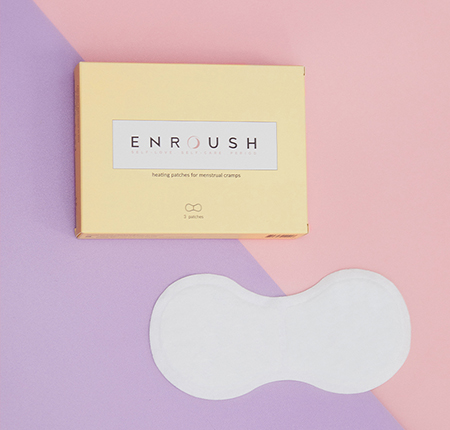
They're so thin that nobody will notice you're wearing one – and you'll feel exactly the warmth you need to ease menstrual cramps. The ingredients in the patches are 100% natural (after use you can tip the contents into your plant pot), they activate on contact with air and work for up to 8 hours. Bye-bye tablets, hello ENROUSH happy life!
Home remedies for period pain
Feel like you need more in those painful moments? Don't forget: to ease menstrual cramps, you can also try…
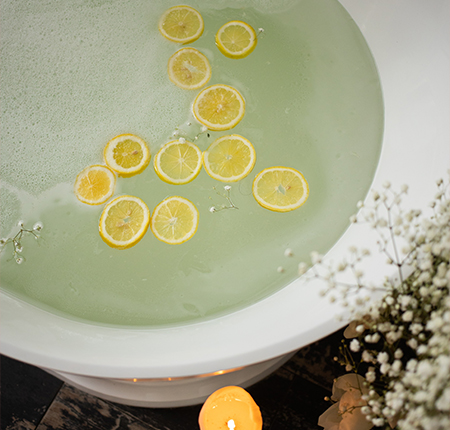
- a warm bubble bath with your favourite music
- muscle relaxation exercises (Kegel exercises or yoga)
- an abdominal massage (with or without essential oils)
- rest
- eating fruit and vegetables
- cutting out coffee and salty foods
- reducing stress and letting your body relax completely
Complications of dysmenorrhoea
Primary dysmenorrhoea doesn't usually cause any further complications. In practical terms, this means the cramps occur during menstruation and subside afterwards. They can, however, affect quality of life and turn everyday tasks into a real struggle – so take it easy and give yourself time to recover.
With secondary dysmenorrhoea, lower abdominal pain linked to other organs of the reproductive system can lead to various conditions such as adenomyosis or endometriosis – illnesses that can affect your health. Do see a doctor if your symptoms are worrying, or simply if you notice changes in how you feel during your period.
Preventing period pain
And still: is there anything you can do to prevent unpleasant period pain? We have a few ideas for you:
- Exercise regularly, including during your period.
- Stop smoking.
- Go for regular check-ups.
- Drink plenty of fluids.
- Choose a healthy diet and avoid caffeine and alcohol.
- Rest as much as you need to.

Medium, super or extra absorption

Low, medium or super absorption

Low or medium absorption


and happily breaking taboos!


