

Everything You Need to Know About Orgasms
Orgasm (climax) – What does orgasm mean for women & men? EVERYTHING you need to know
The orgasm is the peak of sexual arousal and manifests itself in extremely intense physical sensations. Although both women and men can experience orgasm, it unfolds differently. During orgasm, sexual tension builds until it reaches its peak, and the pressure in your body and genitals is released.
What does orgasm (climax) mean?
Although there is no universally accepted definition of the term orgasm, it is most often described as the pleasurable release of sexual tension. In women, orgasm is considered the third or even fourth stage of the sexual response process. It follows the stage of anticipation, of increasing arousal and the plateau phase.
During orgasm, the body experiences a series of physical sensations:
- involuntary release of muscle tension
- a series of muscle contractions
- verbal and vocal expressions of pleasure
- an increase in heart rate and breathing
The stages of the female orgasm
In their research, Masters and Johnson developed the idea of a physiological orgasmic response in four stages: arousal, plateau, orgasm and resolution. This division into stages is viewed differently by specialists. Some consider there to be only 3 stages, while others describe the 4 stages as anticipation, arousal, plateau and orgasm.

Arousal
According to the Masters and Johnson model, the first stage of the female orgasm is arousal. What exactly does that mean? During stimulation of the woman – whether physiological or psychological – the blood vessels in the genital area dilate. The increased blood supply allows fluid to pass through the vaginal walls, and the vulva becomes swollen and moist. The upper part of the vagina expands. During this stage, pulse and blood pressure rise, and breathing becomes faster. Because the blood vessels dilate, the skin flushes, particularly on the face and neck.
Plateau
In the plateau stage, blood flows to the vaginal opening, which becomes firmer as a result. The breasts may increase in size, and the increased blood supply to the areola makes the nipples appear less erect. The clitoris retracts, so that it seems to disappear.
Orgasm
During orgasm, the genital muscles contract at intervals of 0.8 seconds. During or shortly before orgasm, fluid may be released from the vulva. This is known as female ejaculation, although not all women experience it. In some cases it simply doesn't happen – and that is entirely normal. Unlike men, women have no recovery period after orgasm and can therefore experience further orgasms through repeated stimulation.
Resolution
In the resolution stage, the body gradually returns to its original state. The pulse slows and breathing returns to normal. Since endorphins are released during orgasm, it is normal to feel relaxation, happiness and even tiredness during this stage. Immediately after orgasm, it is also normal for the clitoris to be sensitive to touch and over-stimulated.
The stages of orgasm in men (ejaculation)
The male orgasm is also a highly complex physiological phenomenon, culminating in ejaculation. According to the Masters and Johnson model, the male orgasm likewise has four clearly defined stages.

Arousal
Stimulation of the man, whether physical or psychological, can lead to an erection. Blood flows into a spongy tissue that runs the length of the penis, causing the penis to grow and become stiff. The testicles move closer to the body as the scrotum contracts.
Plateau
In the plateau stage, the blood vessels in and around the penis continue to fill with blood. As a result, the glans and testicles increase in size. In addition, the thigh and buttock muscles tense, blood pressure rises, the pulse quickens and the breathing rate increases.
Orgasm
At orgasm, semen passes into the urethra through a series of contractions of the pelvic floor muscles, the prostate, the seminal vesicles and the vas deferens. The contractions of the pelvic floor muscles and the prostate also expel the semen from the penis – a process known as ejaculation.
Resolution
In men, the resolution stage is characterised by a recovery period. This can last from a few minutes to several days and varies from person to person. With increasing age, this stage becomes longer. During this time, the penis and testicles return to their original size. Breathing may be heavy and rapid, and the pulse is elevated.
How do you reach orgasm?
In men, direct penetration is usually very effective for reaching orgasm. In women, this process can be more complex, as it also requires foreplay with moments that stir the imagination, along with gentle exploration.
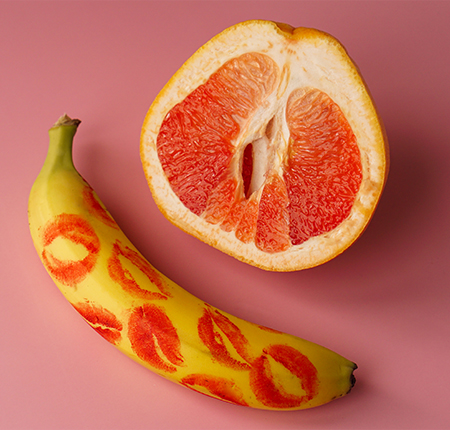
Although we usually associate orgasm with a partner, it's important to know that it also works without one. Women in particular often reach orgasm more quickly through masturbation – in around 8 minutes.
To reach orgasm successfully, it's worth bearing in mind a few useful tips and essential factors that can make a real difference to your sex life.
- Foreplay plays a major role in stimulating the senses
- In women, clitoral stimulation is a key element in reaching orgasm
- The pace of the intimate encounter is also very important. Sometimes you may want it slow and sensual, other times faster and more intense.
- Don't forget communication. An open conversation with your partner always helps in intimate relationships, so that you're both on the same wavelength.
- Communication goes hand in hand with trust. As long as you trust your partner and talk openly with each other, it will be far more enjoyable for both of you.
If you fancy something new and are ready to experiment, don't forget sex toys. Adult shops – whether on the high street or online – have come a long way over the years, and today there's something for everyone.
Types of orgasm
In men, orgasm is characterised by ejaculation. In women, there are several types of orgasm, depending on which zone is stimulated during intimate contact. It is generally accepted that women can experience up to 10 different types of orgasm. However, since sex toys keep evolving and more and more people are finding the courage to experiment in the bedroom, there are adventurous souls who claim that women can experience as many as 14 different types of orgasm.
Anal orgasm
The anus is made up of numerous, highly sensitive nerve endings. This makes it one of a woman's most erogenous zones. The anal orgasm is physically one of the most intense. The muscle contractions are felt not in the vagina but as contractions of the anal canal and the sphincter. Although the anal orgasm can be accompanied by slight discomfort, this doesn't last long.
Vaginal orgasm
This type of orgasm takes place inside the body and is usually accompanied by pulsations of the walls of the vaginal canal. Because of its numerous nerve endings, the vagina is an extremely sensitive and erogenous zone. When the G-spot – a specific point around 5 cm inside the front vaginal wall – is stimulated, this can lead to female ejaculation and a vaginal orgasm.
The G-spot is different in every woman, which is why it is often hard to find. More recent studies have found that the G-spot may even be part of the clitoral network.
Clitoral orgasm
The clitoral orgasm is very popular among women and is usually the easiest to achieve. It lasts around 20 to 30 seconds, but is less intense than the vaginal orgasm. It is characterised by an intense state of pleasure that gradually subsides. To reach a clitoral orgasm, it's a good idea to start gently and carefully, as clitoral arousal can take a little while. Once your body has become accustomed to it, you can increase the pressure and the speed. Different techniques can produce different sensations and feelings of pleasure.
Combined/blended orgasm
A combined orgasm occurs when the vagina and clitoris are stimulated at the same time. The result is often considerably more explosive. Sometimes such combined orgasms are accompanied by trembling throughout the whole body.
Erogenous orgasm
An erogenous orgasm occurs when lesser-known erogenous parts of the body are stimulated (ears, nipples, neck, elbows, knees and so on). When these zones are aroused – through touch, kisses, playfulness – this leads to a pleasurable release of energy. Some people describe the orgasm that follows as being felt throughout the entire body, unlike other types of orgasm.
Convulsive orgasm
Convulsive orgasms are orgasms that produce repeated spasms of the pelvic floor muscles, following one another in rapid succession. These orgasms usually occur after a long period of arousal. You can achieve a convulsive orgasm by repeatedly interrupting arousal just before orgasm. The over-stimulation that then leads to orgasm results in a convulsive orgasm.
Multiple orgasm
A person can experience several orgasms within a short space of time. Since women need a shorter recovery period than men, they can experience multiple orgasms during a single act of intercourse.
The benefits of orgasm
When you think about the benefits of orgasm, the first thing that comes to mind is naturally the feeling of pleasure. But that is by no means the only one. Orgasm has a number of important benefits for both physical and mental health.
During an orgasm, a hormone called oxytocin is released. This hormone has several benefits, such as:
- reducing levels of anxiety
- lowering the risk of developing heart disease
- lowering the risk of certain cancers such as ovarian cancer or cervical cancer
In addition, it is scientifically proven that orgasm has a positive effect during menstruation. It can reduce the intensity of abdominal pain, back pain, breast pain and migraines.
Orgasmic disorders
Orgasmic disorders are complaints that can trigger feelings of frustration, insecurity, shame or distress – both in the person affected and in their partner. That's why it's important to know which orgasmic disorders exist and what causes them.
Anorgasmia in women – the absence of orgasm
Anorgasmia in women is an orgasmic disorder characterised by the absence of, or a significant delay in, orgasm despite adequate stimulation. The causes may be physical – gynaecological problems or the use of certain medicines such as antidepressants or antiepileptics – or psychological, such as anxiety or depression.
Anorgasmia in men
Anorgasmia in men is similar to that in women. It too is characterised by the absence of, or a significant delay in, orgasm despite adequate stimulation. Anorgasmia in men may be a lifelong disorder or may occur only in certain situations. The causes may be physical, such as low testosterone levels, or psychological – anxiety, depression. Certain medicines such as antidepressants can also trigger anorgasmia in men.
Premature ejaculation
Premature ejaculation occurs when men ejaculate before reaching orgasm. There can be various reasons for this, but it is usually caused by psychological factors such as anxiety or biological factors such as hormone levels or nerve damage.
Why am I not having an orgasm?
Sometimes physical and psychological-emotional health can have a negative effect on orgasm. Factors such as anxiety, self-esteem, insecurity, the absence of the right partner or certain physical conditions can prevent you from experiencing an orgasm.
In women, there are a number of factors that can have a negative effect on orgasm
- orgasmic disorders such as anorgasmia in women
- insufficient stimulation
- lack of self-confidence
- the absence of the right partner
- poor communication between partners
- problems in the relationship
- certain prejudices or taboos, such as the idea that the menopause means the end of your sex life
- traumatic experiences in the past
- health problems or surgical procedures in the vaginal area
- affective disorders – depression, anxiety disorders
In men, too, there are a number of factors that can make orgasm impossible
- anorgasmia in men and premature ejaculation
- depression, anxiety or other affective disorders
- lack of self-confidence, hang-ups about sexual performance
- injuries to the pelvic nerves
- surgical procedures on the prostate or urethra
- low hormone levels – whether thyroid hormones or testosterone
- problems in the relationship
- poor communication between partners
More interesting facts about orgasm
Find out the answers to the most common questions about orgasm!
How long does an orgasm last?
As a rule, an orgasm lasts between 3 and 15 seconds. There are, however, cases of long orgasms lasting between 20 seconds and 2 minutes.
Can men have multiple orgasms?
Men need a longer recovery period between orgasms, so it can take anything from a few minutes to several hours before they experience a second orgasm. There are also cases of multiple orgasms in men, although ejaculation doesn't always occur.
What is squirting?
Squirting refers to the release of fluid from a woman's vulva during or after orgasm.
What does an orgasm feel like?
At orgasm, you feel a release of the built-up tension, a physical sensation of pleasure that can reach the point of ecstasy, and finally a pleasant feeling of calm and tiredness.
How often can a woman have an orgasm?
Although women can experience multiple orgasms, this only happens in 43% of cases. Scientifically, however, there is no exact figure for how many orgasms a woman can experience as part of a multiple orgasm.

Medium, super or extra absorption

Low, medium or super absorption

Low or medium absorption


and happily breaking taboos!


