

The morning-after pill: what questions does it raise?
„The methods we use today were invented for a different era of sexual values. While reading work on 'risky' sexual behaviour (particularly without a condom), it never occurred to me that I was experiencing the consequences of research based on a mindset from half a century ago." Emily Witt, Future Sex)
So: breathe in, breathe out and picture a moment of complete calm – perhaps that moment when you sink into a hot bath to ease period cramps, or the one when you've taken the pill. We mean the emergency pill, the one you take when the condom has split, when the contraceptive method you were using has failed, or when you got carried away and had unprotected sex.
Fortunately, all is not lost! Emergency contraception saves the day. And that's despite the fact that many people tend to whisper about the morning-after pill rather than discuss it in a normal tone of voice.
The mere mention of emergency contraception carries with it the implication that someone has acted irresponsibly – and often turns the subject into a taboo. And as Emily Witt writes in her book: the contraceptive methods we use today were developed at a time when sexual behaviour looked rather different. So why is the morning-after pill still something people don't talk about? This undoubtedly carries the risk that accurate information remains inaccessible and that confusion, rumours and myths continue to spread.
When do you take the morning-after pill?
Emergency contraception in tablet form can be taken up to 120 hours afterwards. That means you can take the morning-after pill up to 5 days after unprotected intercourse. There are two types of emergency contraception, containing the following active ingredients:
- Levonorgestrel. Can be used up to 3 days afterwards and is available over the counter at any pharmacy
- Ulipristal acetate. Can be used up to 120 hours afterwards and is available over the counter at the pharmacy
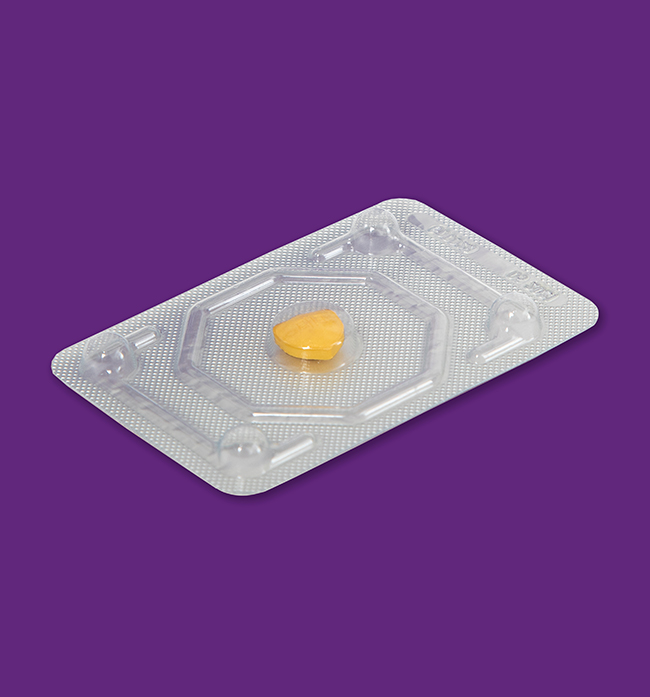
Image source: Sophia Moss, Pexels
The morning-after pill is taken to prevent pregnancy when:
- you didn't use a condom or any other contraceptive method
- you forgot to take your daily dose of the contraceptive pill, or to change your contraceptive patch or vaginal ring before intercourse
- the condom slipped off or split
- your partner didn't withdraw in time
- you were forced into unprotected sex
- you got carried away and forgot about contraception
These are just some of the reasons why you might use emergency contraception.
Is the morning-after pill dangerous?
At present there are no scientific data or studies linking the development of any illness with the correct use of emergency contraception. What's more, it contains the same active ingredients as ordinary contraceptive pills and doesn't affect your ability to become pregnant later on, whenever you choose. It does, however, have a number of side effects, which you can read about below.
That said, if you're looking for a long-term contraceptive method, there are more effective, more affordable options with fewer side effects: the pill, the condom, the contraceptive implant, the coil, the vaginal ring, the patch or the three-monthly injection.
Which option is best for you?
That depends on how much time has passed since the unprotected intercourse. The pill containing levonorgestrel works best within the first 72 hours, while the one containing ulipristal acetate works up to 5 days afterwards.
How does the emergency pill work?
The morning-after pill prevents or delays ovulation (the release of an egg), thereby reducing the likelihood of the egg being fertilised.
It's important to note, however, that the pill cannot end an existing pregnancy. If a fertilised egg has already implanted in the womb, emergency contraception will have no effect whatsoever on the existing pregnancy – so it works differently from the abortion pill (which is only prescribed by a doctor) - also known as medical termination of pregnancy.
Are there any side effects?
In the short term, yes: nausea, vomiting, dizziness, breast tenderness or headaches. Emergency contraception can also delay your period. If your period is around a week late, however, you should take a pregnancy test. It's also worth noting that, although it's very effective at preventing an unwanted pregnancy, you shouldn't use the morning-after pill as a regular form of contraception – only in an emergency. It's less reliable than regular contraception, and taking it repeatedly within a short space of time further reduces its effectiveness.

Medium, super or extra absorption

Low, medium or super absorption

Low or medium absorption


and happily breaking taboos!


