

Menopause – Causes, Symptoms and Treatment
Over the course of our lives, our bodies go through all manner of changes. As teenagers, we think about puberty and the hormonal upheaval it brings. In adulthood, pregnancy is one of the most profound changes the body can undergo. And as soon as we approach our 40s, the thought inevitably creeps in that the menopause isn't far off.
What is the menopause?
But what exactly is the menopause? The menopause is a deeply personal experience, lived through by most women as well as trans and non-binary people with female bodies. From a medical perspective, the menopause is the point at which ovarian function ceases. As a result, female sex hormones are no longer released and ovulation stops. In short: you're said to have reached the menopause one year after your last period.
At what age does the menopause begin?
In most cases, the menopause begins between the ages of 45 and 50. If it occurs before the age of 45, it's referred to as early menopause.
What is early (premature) menopause?
Early menopause is when it occurs before the age of 45. The cause may be endocrine or gynaecological conditions, which should be monitored by a specialist.
Other causes of early menopause can include a hysterectomy, chemotherapy or a genetic predisposition.
Symptoms of perimenopause (the early stages of the menopause)
The perimenopause, also known as the premenopause, is the transitional phase leading up to the menopause. It usually begins after the age of 45 and can last several years.
8 out of 10 women experience at least one menopausal symptom during this time, and often several. These include:
- Hot flushes
- Low mood
- Breast pain
- Fatigue
- Irritability
- Sleep problems
- Difficulty concentrating
- Migraines or headaches
- Anxiety
- Depression
- Vaginal discomfort
- Reduced sex drive
- Urinary incontinence or recurrent urinary tract infections (UTIs)
- Joint and muscle pain
- Bloating
- Memory problems
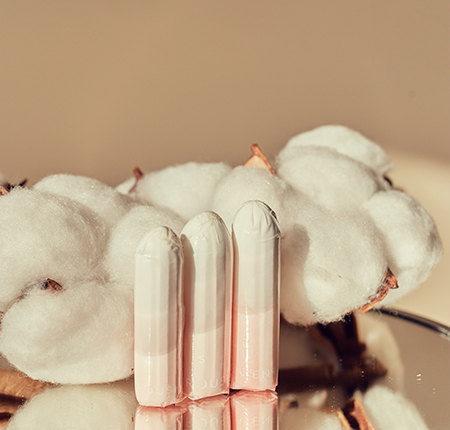
During this phase, periods become irregular and the flow can vary considerably. ENROUSH tampons are easy to use, absorb evenly across the entire surface and are made exclusively from 100% organic cotton – with nothing else added. Thanks to these ingredients, they're especially kind to the skin and can be soothing if you're experiencing vaginal discomfort.
Symptoms of the menopause
Once the menopause has begun, it can manifest very differently from one woman to the next. While some experience only mild symptoms, others suffer from persistent and distressing ones. Understanding what's happening in your body and how the menopause can affect you makes coping with these changes considerably easier.
The menopause may arrive suddenly, with periods stopping altogether, or gradually – with infrequent, irregular bleeding every 2 to 3 months. The menopause proper is reached when periods stop for good.
Menopausal symptoms can be divided into several categories:
- Changes to hair, skin and nails: dry, dull hair, brittle nails, dry skin that needs extra moisture
- Changes to the mucous membranes: vaginal dryness, recurrent urinary tract infections, leaking urine when exerting yourself, sneezing or laughing, reduced muscle tone in the pelvic area.
- Possible weight gain, as fatty tissue is distributed differently
- Puffy eyes, bags under the eyes, dark circles
- Joint pain with tingling or numbness
- Mood swings, depression, anxiety, sleep problems, panic attacks. Serious psychiatric conditions can also be triggered during this phase.
- Hot flushes
- General malaise: fatigue, loss of appetite, headaches, abdominal cramps, dizziness and even fainting.
Symptoms of the postmenopause
The postmenopause can last anywhere from 2 to 6 years. By the end of it, ovarian function has ceased completely.
Emotions during the menopause
The menopause brings with it numerous hormonal changes, some of which also affect mental health. These difficulties can already appear during the perimenopause. We're talking here about mood swings, anxiety, depression and sleep problems. The risk is particularly high for those who have previously experienced depression or anxiety disorders.
Treatment must be tailored to each individual. Therapeutic options include:
- cognitive behavioural therapy
- antidepressants and anxiolytics
- individually tailored treatment of specific symptoms
- therapies to improve sleep
Vaginal atrophy during the menopause
Many women notice changes in the vaginal area as a result of the menopause. Oestrogen and androgen levels fall. This causes the skin to thin and lose elasticity. It can lead to a phenomenon known as vaginal atrophy. These changes cause dryness, discomfort and pain during sex. What's more, vaginal atrophy is in many cases one of the factors contributing to urinary tract infections and a weakening of the pelvic floor.
Menopause testing & diagnosis
To determine whether the menopause has begun, a series of blood and urine tests are carried out first: full blood count, lipid profile, blood glucose, transaminases, kidney function and urinalysis. In certain cases, your specialist may also request measurement of hormone levels (oestrogens, progesterone) and gonadotropins (FSH, LH, prolactin).
If oestrogen levels are low while FSH and LH are between 70 and 100, this indicates that ovarian function has ceased.
To confirm a diagnosis of menopause, the following additional investigations may also be ordered:
- measurement of thyroid hormones
- bilateral breast ultrasound
- transvaginal ultrasound of the uterus and ovaries
- thyroid ultrasound
When should you see a doctor?
Once the menopause has begun, it can have a negative impact on physical health. Certain medical check-ups are therefore recommended:
- Cardiology: As oestrogen levels fall, the risk of cardiovascular disease rises. It's therefore important to attend regular cardiology check-ups, have blood tests done – particularly cholesterol, LDL, HDL and triglycerides – and keep an eye on your blood pressure.
- Rheumatology: Osteoporosis is one of the most common conditions associated with the menopause. In the first few years after the menopause, bone density decreases, bones become more brittle and the risk of fracture rises. A rheumatologist can carry out bone density tests and prescribe targeted drug therapy.
- Urology: Urinary incontinence can develop during the menopause. The vagina, urethra and smooth muscle of the bladder lose elasticity, resulting in a frequent urge to urinate or leaking urine when sneezing. These problems can also make urinary tract infections more likely. A specialist can recommend targeted treatment for urinary incontinence to help prevent these issues.
Recommended treatments for the menopause
Hormone therapy
Hormone therapy involves applying oestrogen intravaginally. Depending on individual needs, your specialist may recommend vaginal creams, tablets or pessaries containing oestrogen (estriol). Topical hormone therapy can help with vaginal dryness, ease pain during sex and reduce urine leakage. Even so, this form of treatment isn't suitable for everyone. Do speak to a specialist before starting any therapy.
Oestrogen replacement
Hormone therapy, also known as hormone replacement therapy (HRT), aims to replace the oestrogen in the body when levels fall during the menopause. The treatment regimen usually contains oestrogen and progesterone. The goal is to ease menopausal symptoms. However, HRT isn't suitable for everyone. Anyone who has already been treated for certain cancers, or who is at increased risk of them, should discuss the available treatment options with a specialist.
Non-hormonal medication
Depending on your individual circumstances, your specialist may also recommend non-hormonal medication for the menopause. This treatment may target the cardiovascular system, the musculoskeletal system or the nervous system. In addition, there are a number of herbal preparations that can ease menopausal symptoms.
Treating vaginal atrophy
To ease the discomfort of vaginal atrophy, you can start by using vaginal lubricants. Various hormonal treatments are also available:
- Oestrogen applied locally in the vagina as a cream, gel, tablet, pessary or vaginal ring
- Vaginal DHEA, used as a pessary
- Hormone replacement therapy (HRT)
Lifestyle changes
The menopause is characterised by falling oestrogen levels – a change that can lead to a range of chronic complications over time. Oestrogen deficiency can have a negative effect on the skeletal and cardiovascular systems, making cardiovascular disease and osteoporosis more likely. A balanced diet and a healthy lifestyle can, however, significantly ease menopausal symptoms in the long run and offer protection against these chronic conditions.
Two nutrients in particular are crucial for bone health, keeping bones strong: calcium and vitamin D. A diet rich in dairy products, green vegetables such as spinach or kale, grains, white beans and fish is therefore recommended to meet the recommended calcium intake through food. Vitamin D is found in eggs, grains, red meat and dairy products, and can also be topped up with vitamin D supplements from the pharmacy.
To protect your heart and prevent cardiovascular disease, there are a number of preventive measures you can take:
- Avoid saturated fats and use only unsaturated fats
- Include fish in your diet twice a week
- Avoid too much salt
- Don't drink alcohol to excess. Give up smoking entirely
- Supplement your diet with fibre-rich foods such as grains, fruit and vegetables
An active lifestyle also has a positive effect during the menopause. Exercise eases symptoms such as hot flushes, anxiety and depression. It also helps prevent weight gain and lowers the risk of heart disease.
Since the menopause can trigger panic attacks, severe depressive episodes, sleep problems and anxiety disorders, psychological therapy can also make a considerable difference to quality of life and help ease distressing symptoms.
Bleeding returning during the menopause
During the perimenopause, hormonal imbalance can cause irregular bleeding, spotting and even heavy bleeding.
Once the menopause has been reached, the menstrual cycle doesn't return. Bleeding during the menopause isn't normal. It may have a harmless cause – an unexpected fall, say, or insufficiently lubricated sex – or it may point to a serious condition.
First of all: don't panic. Protect yourself with panty liners made from 100% organic cotton.
Then you should consider seeing a doctor. As mentioned, the cause may well be harmless. However, it's equally possible that this metrorrhagia is caused by cancer. You'll find more information in our article on metrorrhagia and how it presents.
Do men go through the menopause too?
The male menopause remains a topic of debate among experts. "Male menopause" is an informal term for falling testosterone levels in men. This hormonal change can produce symptoms similar to those women experience during the perimenopause and menopause.
Frequently asked questions
Can you get pregnant during the menopause?
Pregnancy during the menopause is possible in two scenarios. In the first, ovarian function hasn't yet ceased completely, so pregnancy can occur. That's why it's important to use contraception until the menopause is definitively reached. Another option for women who want to have a child during the menopause is in vitro fertilisation using donor eggs.
Which vitamins should you take during the menopause?
The vitamin B complex supports the health of the nervous system and metabolic balance. It also has a positive effect on hair, nails and skin, which can suffer during the menopause. Vitamin D and calcium taken together strengthen the bones. Vitamin D also helps boost the immune system. Magnesium supports the heart and muscles in functioning optimally. And don't forget zinc for the immune system.
How long do hot flushes last during the menopause?
Hot flushes can last anywhere from a few months to 8 to 10 years.
Why do the ovaries hurt during the menopause?
Ovarian pain can occur during the perimenopause, but should disappear once the menopause is reached. If it persists, a specialist examination is needed.
Why do the breasts hurt during the menopause?
Breasts hurt during the menopause because hormonal changes cause fluid to be retained in the breast tissue – making the breasts tender and painful to the touch.

Medium, super or extra absorption

Low, medium or super absorption

Low or medium absorption


and happily breaking taboos!


