

Menstruation after childbirth
Once you become a mother, your body goes through a period of adjustment in which hormone levels shift to support recovery and – if you choose to breastfeed – milk production. This is why periods don't return at the same pace for every woman after birth.
Periods after birth & while breastfeeding – your first period after giving birth
The bleeding you notice in the first few weeks after giving birth – known as lochia, which is entirely normal after nine months of pregnancy – has nothing to do with your menstrual cycle. It gradually eases off as the womb sheds its lining and returns to its pre-pregnancy state.
Your menstrual cycle, on the other hand, may resume just a few weeks after birth, or it may be delayed by several months, particularly if you're breastfeeding. Ovulation can occur before your period returns, however – meaning fertility can come back before your first bleed.
What happens to your menstrual cycle after giving birth
Throughout the nine months of pregnancy, the placenta produces progesterone and oestrogen, which support the pregnancy and the development of the foetus. Once the placenta is delivered, levels of these hormones drop rapidly and the body enters a phase of adjustment and recovery.
As a result of these changes, ovarian function gradually resumes and the menstrual cycle returns at each woman's own pace. For some mothers, the cycle comes back relatively quickly after birth, within a matter of weeks; for others it takes several months, especially if the baby is being breastfed.
From your very first period after birth, you can protect yourself with pads and tampons made from 100% organic cotton – gentle on your skin and your body, so you feel as comfortable as possible during the postnatal period and beyond.
Why periods stop during pregnancy
A few days after fertilisation, the body begins producing pregnancy-specific hormones. Human chorionic gonadotropin (hCG), oestrogen and progesterone support the development of the pregnancy and prevent a new menstrual cycle from starting – so your periods stop for as long as you're pregnant.
The body's priority is maintaining the existing pregnancy. That's why the ovaries also stop releasing eggs during this time, and neither ovulation nor menstruation takes place over those nine months.
An active menstrual cycle requires ovulation and – if fertilisation doesn't occur – the shedding of the womb lining through menstruation. During pregnancy, these processes simply don't happen.
The difference between lochia and your first period after birth
Immediately after birth – whether vaginal or by caesarean – vaginal discharge occurs, through which the womb sheds blood and the tissue that supported your baby's growth. This bleeding is called lochia and it follows distinct phases over roughly six weeks after the birth.
In the first few days after birth, the bleeding is heavier and bright red in colour; it then lessens and changes to pink, brownish, yellowish and finally whitish discharge as the womb heals.
Your first period after birth usually arrives once the lochia has stopped completely and the body has resumed its normal hormonal cycle. Unlike lochia, menstruation has the characteristics of an ordinary monthly bleed – and although the flow and duration may differ at first, it may return along with familiar symptoms such as cramps or breast tenderness.
If the bleeding becomes very heavy, has an unpleasant smell, or is accompanied by fever and severe pain, it's advisable to seek medical advice.
How the womb returns to its normal size after birth
During pregnancy, the womb expands to accommodate the developing foetus. Once your baby is born, it begins returning to its original size and shape through a natural process known as uterine involution.
This process usually takes a few weeks and is accompanied by mild afterpains, which help expel the remaining pregnancy tissue through postnatal bleeding. Over time, the womb heals and the lining regenerates, preparing the body for the return of the menstrual cycle.
What is postnatal amenorrhoea?
The period after birth when you don't have periods is known as postnatal amenorrhoea. It's a normal phase brought about by the hormonal changes taking place in the body. How long it lasts depends on several factors – both each woman's individual recovery pace and whether she is breastfeeding.
Prolactin, the hormone responsible for milk production, can suppress ovulation and delay the return of the menstrual cycle. This is why postnatal amenorrhoea can last several months in breastfeeding mums, while it tends to be shorter in women who don't breastfeed.
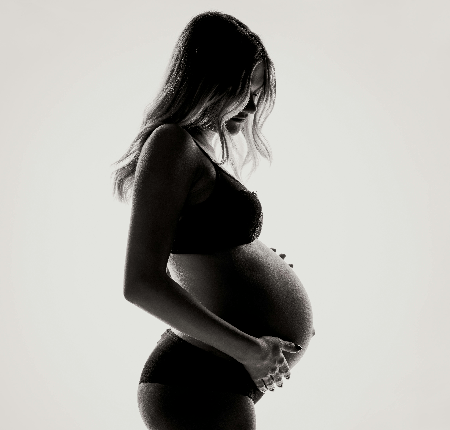
When periods return after giving birth
If you're not breastfeeding, periods usually return 6 to 8 weeks after birth – though the pace varies from woman to woman. If you're breastfeeding your baby, menstrual bleeding may be absent for several months, because high prolactin levels suppress ovulation.
How often you breastfeed, your diet and your lifestyle also influence your recovery time after pregnancy and the individual pace at which your periods return.
The return of your cycle if you're not breastfeeding
While the timeframe can be shorter or longer for each woman, the average time for the menstrual cycle to resume is 6 to 8 weeks after birth if you're not feeding your baby breast milk. Without breastfeeding, prolactin levels fall relatively quickly, allowing the body to resume ovarian activity sooner – your first period may even arrive before your postnatal check-up.
Menstrual flow and duration may differ from before during your first few periods after birth. The bleeding may be heavier or, conversely, lighter, and the gaps between periods may be irregular until the body finds its usual rhythm again.
The return of your cycle when exclusively breastfeeding
When you're exclusively breastfeeding, prolactin supports milk production but also affects ovulation. High levels of this hormone can temporarily suppress ovarian function, which is why periods may be absent for months.
Some women find their cycle returns even while breastfeeding, but it often remains absent throughout the period of exclusive breastfeeding. Its absence is entirely normal.
However, the absence of periods doesn't automatically mean that ovulation isn't happening. The ovaries can resume activity before your first period after birth, and fertility can return even if you haven't yet had a visible cycle. Changes in cervical mucus, mild lower abdominal pain, increased libido and breast tenderness can all be signs that ovulation has resumed after birth.
The return of your cycle with mixed feeding (combination feeding)
Prolactin levels also continue to fall if you alternate between breastfeeding and formula, or if the frequency of feeds decreases because your baby is sleeping for longer stretches without a night feed. This allows the body to resume ovulation and the menstrual cycle more quickly than with exclusive breastfeeding. After weaning, it may take around 4 to 8 weeks for your period to return.
Factors that influence when your periods return
Besides breastfeeding, how quickly your periods return after birth is influenced by a range of other factors that affect hormone levels. Breastfeeding frequency remains one of the most important, as it stimulates prolactin production, which can delay ovulation.
The hormonal fluctuations the body experiences after birth, possible postnatal hormonal imbalances, as well as stress and exhaustion can all contribute to these differences. Likewise, the type of birth and the way your body recovers can affect your hormonal balance.
In addition, weight fluctuations or major lifestyle changes during the postnatal period can influence the pace at which your menstrual cycle returns to normal.
Your first period after birth – what to expect
Your first period after giving birth may be different from the ones you knew before pregnancy. The womb is still in the process of involution after nine months of pregnancy and the body continues adapting to hormonal changes – which is why the flow, the length of your period and the intensity of any pain may vary in the first few months.
For some women, periods closely resemble those before pregnancy. For many new mums, however, temporary changes occur, such as heavier or longer bleeding, or irregular gaps between periods. In most cases, things settle down within a few months.
How your menstrual flow may change
Periods may be heavier after birth because the womb lining rebuilds itself and sheds differently. It's equally normal for bleeding to be lighter or irregular during the first few cycles – especially if you're breastfeeding.
You may notice blood clots during your period after birth; in most cases these are normal when bleeding is heavy.
How long your first period after birth lasts
Your first periods after birth may be shorter or longer than before pregnancy – depending on how your hormone levels fluctuate. Some women bleed for a few days longer, while others have a shorter bleed.
Over time, hormone levels stabilise and the menstrual cycle generally returns to the length it was before pregnancy.
Cramps and period pain after birth
Painful periods after birth can occur even in women who never experienced period cramps before, as the womb is still returning to normal and responds differently to the contractions that occur during menstruation.
Conversely, some women experience milder pain than before pregnancy, or none at all. The intensity varies from woman to woman – and even from period to period.
If period pain becomes very severe, persists, or is accompanied by excessive bleeding and other unusual symptoms, this isn't normal and requires a specialist examination.
Blood clots – when they're normal
Blood clots are normal during your period, particularly when bleeding is heavy, as long as they're small and only occur occasionally. During your first periods after birth, you may notice them more frequently.
If you have very heavy bleeding and notice clots larger than a coin, you should seek medical advice.
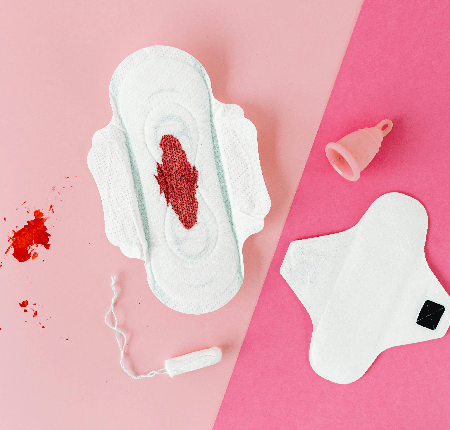
Is it normal for periods to be irregular after birth?
Your body goes through significant hormonal changes and needs time to restore its balance. It's therefore entirely normal to have an irregular cycle after birth, particularly in the first few months.
Oestrogen and progesterone, present in large quantities during pregnancy, drop dramatically after birth, and prolactin levels vary depending on how often and in what way you breastfeed. This hormonal instability can cause regularity and accompanying symptoms to vary from month to month.
Temporary hormonal imbalances
The sudden drop in oestrogen and progesterone after birth, along with fluctuations in oxytocin and thyroid hormones, can cause hormonal disturbances in the postnatal period. These are usually temporary and settle within around 4 to 12 weeks.
The return of ovulation and fertility after birth
Ovulation can begin before your menstrual cycle returns and stabilises after birth – in which case fertility returns before your first period. The most common signs that ovarian function has resumed include:
- Changes in cervical mucus
- Breast tenderness
- Mild lower abdominal pain (mittelschmerz)
- Increased sexual desire
Can I get pregnant before my first period?
Since the ovaries can release an egg even without menstrual bleeding, it's possible to become pregnant again as soon as you resume your sex life – even before your first period after birth. That's why it's important to use contraception during the postnatal period too, to prevent an unplanned pregnancy.
Periods after a caesarean vs a vaginal birth
The body recovers differently after a caesarean section than after a vaginal birth, and recovery from the procedure can to some extent affect the pace at which periods return after a caesarean. Even so, the return of your menstrual cycle depends more on hormonal fluctuations and breastfeeding than on the type of birth.
Are there really differences depending on the type of birth?
As there's no standard timeframe for periods returning after birth, how you gave birth makes relatively little difference to how long it takes for your cycle to resume. After both a caesarean and a vaginal birth, each woman's cycle returns depending on hormonal fluctuations and how she breastfeeds. Prolactin release can delay the first periods regardless of the type of birth.
How physical recovery affects your menstrual cycle
The type of birth doesn't directly affect how long it takes for your first period to arrive, but the recovery process differs between vaginal births and caesareans and can indirectly influence the menstrual cycle.
Stress, exhaustion and pain during the postnatal period can trigger various hormonal fluctuations that may delay or alter your first cycles after birth.
Normal signs vs warning signs with periods after birth
As we've already established, periods after birth can be different from those before pregnancy. The bleeding may be heavier, pain levels may vary and overall you may experience different sensations and symptoms.
But how heavy is too heavy? How can you tell whether a symptom isn't normal and you need to see a doctor urgently? Here are the most common warning signs:
- Excessive bleeding requiring you to change your pad every hour or use several pads at once
- Very large blood clots
- Very severe pain
- Fever
- Persistent bleeding
- An unpleasant odour in the intimate area
These can be signs of an infection or a postnatal complication and need to be assessed by a medical professional.
Periods and breastfeeding
So that the body can produce breast milk and enable breastfeeding, prolactin levels rise significantly after birth and inhibit the release of the hormones responsible for resuming ovulation and the menstrual cycle. Prolactin levels therefore directly affect periods while breastfeeding.
Exclusive breastfeeding can delay the return of your period, while not breastfeeding at all can encourage your first period to arrive sooner.
How prolactin affects ovulation
Levels of prolactin, the hormone responsible for milk production, directly influence ovulation. It rises after birth to initiate lactation and remains elevated in response to your baby's suckling. To ensure the body's resources go towards feeding your baby, prolactin suppresses the release of FSH and LH – the hormones that trigger ovulation.
Ovulation is temporarily inhibited, which is why periods may be absent during exclusive breastfeeding.
The lactational amenorrhoea method
Lactational amenorrhoea is sometimes used as a temporary method of contraception. It works best when you breastfeed exclusively, without topping up with formula, and feeds are frequent – including at night. The idea behind it: prolactin levels remain elevated in response to your baby's suckling and continue to delay the return of ovulation.
Its effectiveness as a method of contraception is limited, however, as ovulation can resume before your first period after birth – without any clear signs – making a new pregnancy possible.
Recommended contraception during the postnatal period
Condoms and contraceptive methods with proven effectiveness remain the safest options for preventing another pregnancy.
During the postnatal period, these methods should be chosen together with your gynaecologist – taking into account how you're breastfeeding, so that milk production isn't affected. You can discuss all of this at your gynaecological check-up, which is in any case very important for monitoring your health and how your recovery after birth is progressing.
Frequently asked questions about periods after birth
Want to know how long it's normal to go without a period after birth? Are period pains or irregular cycles after birth worrying you? Below you'll find quick answers to the most common questions about periods returning after giving birth:
When do periods return after giving birth?
Your first period may arrive as soon as 4 to 6 weeks after birth if you're not breastfeeding; it may be delayed by several months, however, if you're breastfeeding your baby or experiencing ongoing exhaustion and stress.
When will my period return if I'm breastfeeding?
With exclusive breastfeeding, periods may be absent for several months, as high prolactin levels suppress ovulation. With mixed feeding, prolactin levels fall gradually and periods may return sooner.
How long does the first period after birth last?
Your first period after birth may be shorter or longer, and the bleeding may range from heavy to light – these changes vary from woman to woman.
Is it normal to have an irregular cycle after birth?
It's normal for the menstrual cycle to be irregular in the first few months after birth – a response to hormonal fluctuations and possible postnatal imbalances.
Can I get pregnant before my first period?
Ovarian function can resume and trigger ovulation even without menstrual bleeding, so conception before your first period is possible. That's why contraception is recommended from the very first time you have sex, to prevent another pregnancy.
What's the difference between lochia and menstruation?
Lochia consists of normal vaginal discharge containing blood, secretions and uterine tissue, which begins immediately after birth and lasts a few weeks. During this time the amount decreases and the colour changes from red to pink and finally to whitish. Menstruation occurs after lochia has stopped and has the characteristics of an ordinary menstrual bleed.
Is heavy bleeding normal after birth?
It's entirely normal for menstrual flow to be heavier or lighter during your first periods after birth, while the womb is returning to normal after pregnancy. However, very heavy bleeding that requires changing your pad every hour and is accompanied by fever, an unpleasant smell, pain or other unusual symptoms isn't normal and requires urgent medical attention.
When does the cycle return to normal after birth?
As a rule, the body needs a few months to regulate hormone levels and the menstrual cycle after birth.
Why do I have painful periods after giving birth?
Pain may be more intense during your first cycles because the womb is still recovering. The intensity varies from woman to woman and gradually decreases – but do seek medical advice if the pain is very severe or accompanied by excessive bleeding.
Do periods return later after a caesarean?
The pace at which the menstrual cycle resumes depends more on hormone levels and how you breastfeed – so the type of birth doesn't directly affect the time between giving birth and your first period.
What does an absence of periods after birth mean?
Postnatal amenorrhoea, the absence of periods after birth, is the period of a few weeks or months following birth when periods don't occur. It's a natural phenomenon, particularly if you're breastfeeding, caused by hormone levels that are still settling after nine months of pregnancy.
Is it normal to have periods while breastfeeding?
High prolactin levels during breastfeeding usually suppress ovulation and delay the return of your period – but this isn't a hard and fast rule. Some women have periods despite breastfeeding, particularly when the frequency of night feeds decreases, and this is entirely normal.
Image sources: Pexels.com

Medium, super or extra absorption

Low, medium or super absorption

Low or medium absorption


and happily breaking taboos!


