

Sharp, stabbing pain in the intimate area in women – stabbing pain in the vagina
Most women immediately associate stinging in the vagina with an infection. In reality, this is often a mistake. The problem isn't always the sensation itself, but rather the fact that it gets ignored, overlooked or misinterpreted.
Stinging in the intimate area can also occur without an infection and doesn't automatically signal a serious problem. Yes, infections can be one of the causes, but there are many other factors that can trigger stinging. Read on to find out how to tell temporary discomfort apart from more serious medical symptoms, and what else you should know about vaginal stinging.
What vaginal stinging means and what it tells you about your intimate health
Have you ever felt a pinprick? Or a jab from something sharp? Stinging in the vaginal area feels much the same. It's localised in the vagina and can be brief and sharp, or intermittently throbbing, but it differs from other forms of persistent discomfort such as burning, soreness or itching in the intimate area.
These sensations may occur as one-offs or repeatedly, and they don't always point to a serious condition. Even so, it's important to identify the nature of the discomfort correctly, as it can reveal an imbalance in the intimate area and signal when a visit to the doctor is worthwhile.
Stinging in the intimate area can arise in various situations — for example, before or after menstruation, during intercourse and even during pregnancy. Stinging can also occur after using certain intimate care products or during stressful periods. It often reflects changes in the vaginal flora, irritation or hormonal fluctuations, and may be accompanied by other symptoms.
How vaginal stinging presents and which symptoms accompany it
You might experience vaginal stinging as a sharp prickling sensation, a throbbing, a constant pressure, a burning in the intimate area, or even as pain or soreness. The intensity can range from barely noticeable discomfort to acute pain that affects your sex life or your day-to-day activities. Accompanying symptoms may also appear, such as unusual vaginal discharge, itching of the vulva, burning when passing urine, abdominal pain, fever or chills.
There's often a link between stinging in the intimate area and particular points in the menstrual cycle, especially during ovulation, when hormone levels fluctuate and the ovary releases an egg. Sexual intercourse can also intensify these sensations, particularly if you suffer from vaginal dryness or other pre-existing conditions.

The difference between burning, itching and vaginal stinging
The mere presence of stinging isn't automatic confirmation of a vaginal infection — that's only one of the possible causes. The type of discomfort you feel can, however, offer important clues about the actual cause, whether it's an infection, irritation or a hormonal imbalance.
Burning, for instance, is often associated with urinary tract infections and may be accompanied by soreness when passing urine as well as constant pressure in the pelvic area. Stinging together with itching may point to thrush or other vaginal infections and often comes with discomfort during intercourse.
Intermittent stinging localised in the vagina, on the other hand, tends to be associated with local irritation, increased sensitivity of the nerve endings, or conditions such as vulvodynia. If you're dealing with hormonal imbalances or vaginal dryness, or you use irritating products in the intimate area, this can trigger or worsen the discomfort.
Common causes of vaginal stinging
The causes of stinging in the intimate area can be infectious or non-infectious in nature and may involve numerous hormonal, emotional and physical factors.
It's so important to assess the context in which you feel this stinging in order to understand whether it's temporary discomfort or a serious cause requiring medical investigation.
Vaginal stinging caused by vaginal infections
Vaginal infections — whether fungal, bacterial or sexually transmitted — are among the most common causes of stinging and discomfort in the intimate area. They're often characterised by changes in vaginal discharge, itching, unpleasant odour and discomfort during intimate contact.
Conditions such as thrush, trichomoniasis and bacterial vaginosis can be responsible for inflammation and increased sensitivity of the vaginal lining. In such cases, your doctor will usually prescribe treatment with antifungals or antibiotics, alongside an intimate care routine free from irritating products or excessive douching.
Vaginal stinging caused by urinary tract infections and cystitis
Urinary tract infections such as cystitis can cause stinging in the vaginal area, even though the source of the discomfort lies in the urinary tract. They frequently come with a burning sensation when passing urine, frequent urges to urinate and a feeling of pressure in the pelvis.
How do you tell a urinary tract infection from a vaginal infection? The location of the discomfort, along with the presence or absence of typical vaginal infection symptoms such as itching or unusual discharge, can give you useful clues. Confirmation, however, only comes from appropriate medical investigations such as a urine analysis or a gynaecological examination.
Vaginal stinging caused by chemical irritation and cosmetic products
Intimate care products containing fragrance and other harsh chemicals, the use of strong detergents, wet wipes or menstrual products with synthetic ingredients can all irritate the vaginal lining and the vulval area. This irritation can in turn trigger stinging, dryness or burning — even in the absence of infection.
In such cases, it's often enough to stop using irritating products and start a natural, hypoallergenic, skin-friendly intimate care routine for the symptoms to ease and eventually disappear.
Vaginal stinging caused by hormonal imbalances and vaginal dryness
The health of the vaginal lining and its natural moisture are strongly influenced by the body's hormone levels. Hormonal imbalances and fluctuations are therefore among the possible causes of stinging.
For instance, stinging in the groin area and constant pressure often occur during pregnancy, when hormone levels change and the womb grows.
Likewise, vaginal dryness and heightened sensitivity — typical of periods such as breastfeeding, the menopause or after stopping hormonal contraception — are often associated with stinging and discomfort in the intimate area, which can be eased with local moisturising and treatments recommended by your doctor.
Vaginal stinging caused by vulvodynia and neuropathic causes
Vulvodynia is a condition characterised by chronic pain, along with burning and stinging of the vulva, with no identifiable infectious cause. The discomfort may be constant or triggered by touch, intercourse or prolonged sitting.
This condition usually involves hypersensitivity of the nerve endings, and treatment is complex and tailored to the individual.
Vaginal stinging caused by stress and psychological factors
Chronic stress and anxiety can heighten the body's perception of pain and increase muscle tension.
Studies link periods of intense emotional stress in women's lives with nerve hypersensitivity in the intimate area, which manifests as involuntary muscle contractions and stinging or discomfort.
Where no other obvious causes are present, managing stress through relaxation techniques, therapy and meditation can make a considerable difference in easing the symptoms.
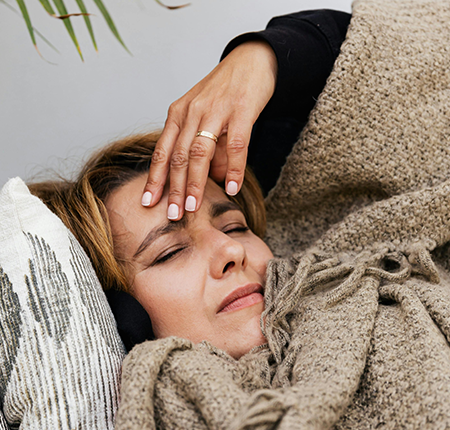
Symptoms that accompany vaginal stinging
It's not unusual for vaginal stinging to appear not as an isolated symptom but alongside other complaints that can offer clues as to the cause and severity.
Vaginal stinging with changes in vaginal discharge
It's normal for vaginal discharge to change over the course of the month, although the changes in colour and consistency are only slight. Healthy discharge is usually white or clear, doesn't smell unpleasant, and its consistency may be more watery, stretchy like egg white during ovulation, or thicker towards the end of the cycle.
Crumbly discharge with an unpleasant odour and a greenish or grey colour, on the other hand, is considered pathological and requires a medical examination, as it may indicate an infection or an imbalance in the vaginal flora.
Vaginal stinging and pain when passing urine or during intercourse
Pain when passing urine or dyspareunia (pain during intercourse) may be linked to inflammation of the vaginal lining.
If you have a vaginal infection, a sexually transmitted infection or another condition such as cervicitis, the genital tissues can become inflamed and locally more sensitive, causing pain on penetration and during intercourse.
Vaginal stinging with redness, inflammation and burning
Redness, inflammation and local burning are common symptoms in patients with thrush, bacterial vaginosis or contact dermatitis. When they occur alongside vaginal stinging, this points to irritation or an active infection.
Getting the right diagnosis for vaginal stinging
Since vaginal stinging isn't a condition in itself but a symptom of another problem, the correct diagnosis is the first step towards choosing the right treatment and easing the symptoms.
Given the variety of possible causes — from mild infections to gynaecological conditions and psychological factors — the specialist will make a diagnosis using specific tests.
Examination of vaginal secretions to diagnose vaginal stinging
Analysis of vaginal secretions is one of the most common investigations recommended when you see a doctor about stinging, burning or changes in discharge.
During the gynaecological examination, the doctor takes a sample of secretions using a sterile swab. The procedure is quick and painless, and the sample taken is examined to identify possible infections such as thrush, bacterial vaginosis, trichomoniasis or other imbalances of the vaginal flora.
Tests for urinary tract infections and sexually transmitted diseases in cases of vaginal stinging
If the stinging is accompanied by pain when passing urine, persistent discomfort, or discharge with an unusual odour or greenish colour, your doctor may recommend specific tests to detect urinary tract infections and sexually transmitted diseases.
Such tests may include a urine analysis, laboratory tests or rapid tests for chlamydia, trichomoniasis and gonorrhoea. The results of these investigations make it possible to distinguish urological causes from vaginal or sexually transmitted ones and to determine an effective treatment.
Gynaecological examination and pelvic ultrasound for vaginal stinging
If there's a suspicion that the stinging stems from a gynaecological condition such as ovarian cysts, endometriosis or other pelvic problems that cause pain to radiate into the vaginal area, your doctor may recommend a pelvic ultrasound.
The gynaecological examination and ultrasound allow assessment of the vaginal lining, the cervix and the external genitalia, and the doctor can determine whether there are signs of inflammation, irritation, lesions or changes that might explain the stinging.
Effective treatments for vaginal stinging
Treatment of vaginal stinging depends on the precise cause and may involve a combination of medical therapies, changes to daily habits and natural remedies to ease the symptoms.
Antifungal and antibiotic treatments for vaginal stinging
For infections such as thrush, bacterial vaginosis or trichomoniasis, your doctor may prescribe treatment with vaginal pessaries, creams, or oral antifungals or antibiotics. These help both to relieve the symptoms quickly and to treat the underlying cause of the stinging.
Soothing creams and sitz baths for vaginal stinging
Topical treatments are frequently used to provide temporary relief from burning and stinging. Creams containing soothing ingredients and sitz baths with medicinal plants such as chamomile can reduce inflammation and irritation, particularly where the stinging isn't caused by infection.
Lubricants and topical oestrogens for vaginal stinging caused by dryness
Where vaginal dryness is the cause of the discomfort — for example in the postnatal period or during the menopause — vaginal lubricants and topical oestrogen treatments can help ease intimate discomfort.
It's advisable to choose a 100% natural lubricant free from fragrance or harsh ingredients, which mimics natural moisture and nourishes the vaginal tissue so you can regain the comfort you deserve.
Natural measures and soothing remedies for vaginal stinging
Natural remedies such as essential oils, vaginal probiotics and herbal baths can help restore local balance and ease discomfort.
They are, however, only complementary to the treatment your doctor recommends following a proper diagnosis, and it's always wise to seek professional advice before trying them.
Preventing vaginal stinging and intimate irritation
Can you prevent vaginal stinging? In most cases, yes. If your daily intimate care habits are sound, you use suitable products and protect yourself properly, you can significantly reduce the risk of stinging, irritation and vaginal infections.
Proper intimate hygiene to prevent vaginal stinging
Cleanse the intimate area with lukewarm water and gentle products free from sulphates, alcohol or allergens that can disrupt your vaginal flora. Opt for a natural intimate wash with a balanced pH and avoid over-washing, to prevent irritation, disruption of your intimate flora and stinging.
Choosing the right products to prevent vaginal stinging
From hygiene products to the pads and tampons you use month after month, every product that comes into contact with your intimate area can affect your vulvovaginal health.
Always choose products with pure ingredients, pH-neutral and free from fragrance and parabens. They reduce the risk of allergies and irritation and support the long-term health of your vaginal lining.
Avoiding douching and synthetic underwear to prevent vaginal stinging
Douching can upset the balance of your intimate flora, and synthetic underwear maintains a damp environment that encourages bacteria to build up and infections to develop. All of this can ultimately lead to conditions that manifest as vaginal stinging and other unpleasant symptoms.
Wear underwear made from breathable materials such as cotton and avoid intimate douches to protect your intimate flora.
Hormonal balance and healthy vaginal flora to prevent stinging
A balanced diet, probiotics and suitable supplements can support your vaginal health and help prevent discomfort. Try to lead as healthy a lifestyle as possible to minimise the risk of episodes of vaginal stinging.
When to see a doctor about vaginal stinging
Although not every instance of vaginal stinging is caused by infections or serious conditions, this can only be established with certainty through a medical examination. Book a gynaecology appointment at the very first sign that something isn't right, and see a doctor immediately if you have worrying symptoms.
Signs of a severe or recurrent infection with vaginal stinging
If the stinging is accompanied by discharge with an unusual odour, texture or colour, persistent pain, bleeding or fever, these may be signs of a serious infection. See a doctor straight away to establish a diagnosis and appropriate treatment.
Persistent vaginal stinging or stinging that affects your sex life
Chronic discomfort that affects your sex life or everyday activities warrants specialist assessment. Your gynaecologist can recommend additional tests or specific treatments to reach a diagnosis and ease the symptoms.
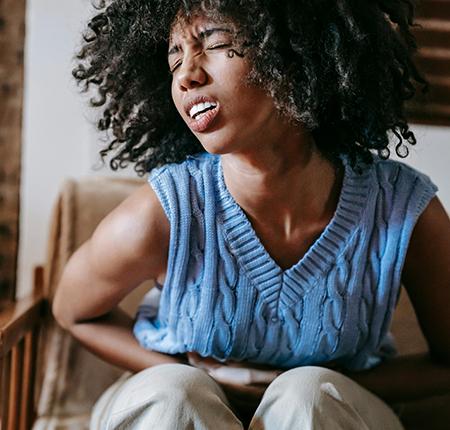
Frequently asked questions about vaginal stinging
Have you ever wondered why you feel stinging in the vagina even though you don't have an infection? Or how long it takes for the stinging to go away once you've started the treatment your doctor recommended? If your list of questions isn't finished yet, we hope you'll find the answers here. We've put together straightforward explanations for the most common questions about these sensations.
Why does vaginal stinging occur without an infection?
There are many non-infectious factors that can trigger vaginal stinging. These include allergic reactions and local irritation, hormonal imbalances and vaginal dryness, or hypersensitivity of the vaginal nerves.
What does vaginal stinging after intercourse mean?
Vaginal stinging during or after intercourse can be caused by friction, insufficient moisture or increased sensitivity of the vaginal tissue. If it happens frequently, it could indicate an allergic reaction to intimate care products.
How can I relieve vaginal stinging at home?
If the stinging is caused by an infection, the symptoms will improve with the treatment prescribed by your doctor. For vaginal dryness or other non-infectious causes, lubricants, sitz baths with plants such as chamomile, natural oils and probiotics can help reduce the discomfort.
Can stress cause vaginal stinging?
Yes. Anxiety and stress can increase nerve sensitivity and intensify stinging or local discomfort.
Which vaginal pessaries are recommended for vaginal stinging?
Your doctor may recommend antifungal, probiotic or antibiotic vaginal pessaries to treat thrush, various vaginal infections or sexually transmitted infections, as well as certain imbalances of the vaginal flora.
Can vaginal stinging be caused by the menopause?
Yes. The drop in oestrogen levels during the menopause can cause vaginal dryness and trigger stinging. The recommended treatment often involves using vaginal lubricants and topical creams containing oestrogen.
How do I tell the difference between thrush and bacterial vaginosis?
Thrush usually presents with intense itching and whitish discharge, whereas bacterial vaginosis can cause discharge with an unpleasant odour and a greyish-green colour.
Which cream helps with vaginal stinging?
Soothing creams containing aloe, chamomile or calendula oil can ease the burning, but they never replace the treatment recommended by your doctor. Always seek professional advice before trying any remedy.
Can a urinary tract infection cause vaginal stinging?
Yes. Cystitis and other urinary tract infections can present with burning and pelvic pressure, which you may perceive as vaginal stinging.
How long does vaginal stinging last after treatment?
As a rule, the stinging disappears within a few days of completing the correct treatment. If the symptoms persist, further medical assessment is needed.
Image source: Pexels.com

Medium, super or extra absorption

Low, medium or super absorption

Low or medium absorption


and happily breaking taboos!


