

Spots in the Intimate Area – Why They Occur & How to Treat Them
If you've noticed spots appearing in your intimate area, rest assured: you're not alone! These small red bumps are very common in women and can also appear on the vulva, the labia and in the vaginal area. That's why they're sometimes referred to as vaginal acne.
We know it can come as a surprise to discover a spot in the groin area, but it's by no means unusual. Sometimes these spots may contain pus – just like acne on the forehead or chin – and the causes are many and varied.
The question is: squeeze it or let it heal on its own? See a doctor or treat it at home? Let's talk about the causes of spots in the genital area and how to treat them.
Why spots appear in the intimate area – causes
Like spots on the face, chest or back, spots in the genital area are often caused by acne. When various bacteria, oils or other impurities clog the skin's pores, a pus-filled spot can form even in the vulval area. It may be tender or painful to the touch.
Aside from acne, however, there are many other causes of spots in the intimate area. Let's take a closer look:
Dermatitis
An allergy to certain ingredients in products that come into contact with your vulva is known as contact dermatitis. This type of dermatitis can cause inflammation and itching in the external genital area, swelling of the labia and vaginal area, or small red bumps in the groin.
So if you're dealing with bumps and irritation on the vulva, particularly in the external area, start by keeping track of everything that comes into contact with your intimate area: underwear, care products, hygiene items. Check the ingredients list carefully. Dermatitis is often caused by toxic chemicals in:
- bath products, shower gels, soaps or scented bubble baths
- scented toilet paper
- conventional pads and tampons, which may contain synthetic fibres or bleaching agents
- intimate wipes containing harsh or irritating substances
- underwear or tight clothing made from synthetic materials
- laundry detergents
- condoms, spermicides or lubricants
Dermatitis can also occur as an allergic reaction to bacteria that build up through sweat, urine, vaginal discharge or semen. That's why it's important to keep the vulva as dry and clean as possible.
Molluscum contagiosum
Molluscum contagiosum is a fairly common viral skin condition caused by the poxvirus of the same name. It can affect any part of the body, including the groin area.
It presents as small lesions and nodules that are skin-coloured, white or pink. The nodules may cause itching or pain, become red and swollen, and spread to the surrounding skin if you scratch or break them open.
They can appear on the vulva after sexual contact with an infected partner, or simply through contact with the virus via infected objects or the water of a contaminated swimming pool.
Hidradenitis suppurativa (acne inversa)
Hidradenitis suppurativa (HS), also known as Verneuil's disease or acne inversa, is a chronic autoinflammatory condition affecting the sweat glands. The causes aren't clearly understood, and there's no treatment that cures it permanently – though there are ways to ease the symptoms.
Hidradenitis suppurativa presents as spot-like lesions that appear in the armpits and the groin area (on the vulva and genitals). Essentially, the body attacks the hair follicles in areas where you sweat, causing recurrent abscesses. The spots are painful, deep-seated and leave scars.
Folliculitis
Hair follicles can also become infected by bacteria or fungi – this inflammation is known as folliculitis. It shows up as irritation, spots, small bumps and tiny blisters.
The best-known causes of folliculitis in the intimate area include:
ingrown hairs (e.g. after hair removal)
wearing tight-fitting clothing
contact with dirty or contaminated water (e.g. in the bath or swimming pool)
Allergic reactions
Along with itching, redness, swelling or burning, spots can also appear on the skin of the intimate area as a result of an allergic reaction to harmful substances.
These allergies are called contact dermatitis and, as explained above, can be triggered by any toxic ingredient that comes into contact with your vulva: fragrances in hygiene products, bleaching agents and synthetic fibres in menstrual products, irritating substances in laundry detergents, and so on.
Hair removal
Hair removal is one of the most common causes of folliculitis. When a hair curls round and its direction of growth turns back into the skin, it can trigger inflammation.
Any method of removing pubic hair can irritate the skin in the groin area and cause spots. What's more, sensitive skin is more prone to irritation if you use a blunt or stiff razor blade.
The difference between vaginal spots, genital warts and cysts
Vaginal spots can sometimes be mistaken for warts or cysts because they look similar. However, these are three distinct conditions, each with different causes and different symptoms.
Vaginal spots are small bumps that may be red and contain pus. They usually appear on the vulva or labia and develop when the skin's pores become clogged by bacteria or fungi.
Genital warts are single or clustered growths that look like spots. They appear in the genital and anal area and are caused by human papillomavirus. This isn't a simple allergic skin reaction but a sexually transmitted infection that requires treatment.
Vaginal cysts, meanwhile, are swellings that may contain air, mucus or pus. They usually appear on one side of the vaginal opening and can become painful. A visit to the doctor is necessary, as large cysts may need to be drained.
Treating vaginal spots (in the intimate area)
Spots in the groin area often clear up on their own without any treatment, particularly if it's a case of mild irritation. Otherwise, the first step is to identify the cause by seeing a doctor. It's especially worth seeing a specialist if:
- the spots don't go away or get worse
- the spots are large
- the spots are painful
- you frequently get spots in the genital area
- you're worried they might not be spots
Treatment options for vaginal spots include:
Topical medication
Topical medication means a treatment applied externally. It's applied to the affected area, but not inside the vagina. Depending on the cause of the spots, your doctor may recommend:
- Acne creams, which reduce the amount of sebum the body produces and calm the inflammation.
- Antihistamines in ointment or cream form for spots in the intimate area, if the cause is an allergy or contact dermatitis.
- Antibiotics in topical or oral form to treat spots caused by bacterial infections.
- Imiquimod cream to treat genital warts or nodules resulting from molluscum contagiosum infection, by modulating the body's immune response.
Vitamins and supplements for the immune system
Molluscum contagiosum often clears up without treatment, though your doctor may sometimes prescribe oral or topical medication.
At the same time, vitamins and supplements for the immune system can have an antiviral effect and support the effectiveness of the body's immune response to this infection. The following may be recommended:
Vitamins A, C, D and E
Zinc
Selenium
Iron
Chromium
Polyphenols and flavonoids
Omega-3 fatty acids
Salicylic acid-based exfoliants
If the spots are in the groin area and are caused by acne or appear after hair removal, your specialist may prescribe salicylic acid-based exfoliants.
Exfoliants are used only locally, on the external area of the vulva, to remove dead skin cells that clog the pores and cause spots. These are generally gentle exfoliants that soothe irritation and redness.
How to prevent spots in the intimate area
There are various steps you can take to prevent vaginal spots – but essentially it all comes down to caring for your vulva as gently and attentively as possible. The key is getting your intimate hygiene right and paying attention to all the products and ingredients it comes into contact with.
Here's what you can do:
Keep the intimate area clean
A build-up of bacteria, sweat and moisture in the intimate area creates the perfect environment for infections to develop and spots to appear in the genital area. Your vulva needs to be clean, well cared for and dry – so use water and a natural intimate wash daily to cleanse it externally.
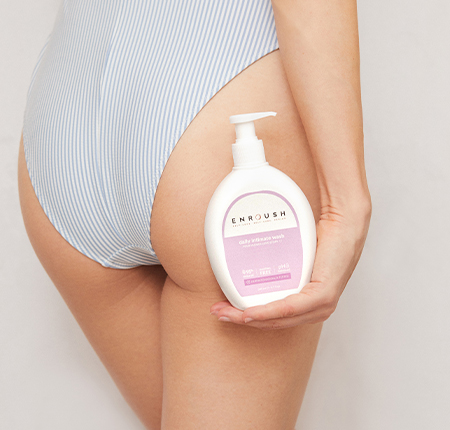
Enroush intimate wash contains 95% natural ingredients, has a neutral pH and is free from allergy-causing fragrances, to protect your intimate flora. It's enriched with propolis extract, Tribulus terrestris and neem oil, which help ward off infections and leave your skin clean and velvety soft.
Wear 100% cotton underwear
Underwear made from synthetic fibres traps heat and moisture in the intimate area – so it's best avoided. Choose breathable underwear made from natural fibres (e.g. 100% cotton) that lets your skin breathe.
Use pads and tampons made from natural materials
Conventional menstrual products can contain dioxin, chlorine, fragrances and other toxic chemicals that aren't even listed on the label. Can you imagine the effect these have when they come into contact with your vulva and are absorbed by the body month after month during your period? They're among the most common causes of irritation and spots in the intimate area.
Use Enroush pads and tampons made from 100% organic cotton, because they don't contain a single ingredient that could harm your intimate health. They're soft, comfortable and hypoallergenic, let your skin breathe and give you safe period care – without allergies or unwanted side effects.
Also, always change tampons and pads when they're full, or every 4 to 8 hours. This prevents the build-up of bacteria and unpleasant odours.
Avoid tight clothing
Like underwear made from synthetic fibres, tight clothing can cause inflammation and spots in the intimate area, because it doesn't allow the skin to breathe and keeps the environment damp.
At the same time, tight-fitting clothing constantly rubs against the skin and can cause redness or irritation. Permanently irritated skin can become infected – so it's best to give such garments a miss.
Opt for clothing made from natural fibres that's comfortable and breathable. Make sure you change after sweating (e.g. after a run or a workout).
Frequently asked questions about spots in the intimate area
We've already given you the general information on the causes of spots in the intimate area and how to treat them. But how long do you have to wait for them to go away? Can you squeeze them or do they need to heal on their own? To finish, we'd like to answer the most frequently asked questions about spots and bumps in the intimate area:
When should I see a doctor about spots in the intimate area?
Normally a spot in the intimate area should clear up on its own. If it doesn't heal, that's the first sign you should see a specialist. It's also worth seeing a doctor if you repeatedly get spots in the genital area, if they're large and painful, or if they get worse.
Are spots in the intimate area painful?
It's normal to feel a certain amount of discomfort when you have one or more spots in the intimate area. Whatever the cause, they're a form of skin irritation, and like any irritation they can come with itching, burning or even pain. However, if these spots don't go away, are large and the pain increases, that isn't normal and a medical examination is advisable.
Is it okay to squeeze a spot in the intimate area?
Avoid squeezing spots in the intimate area, however tempting it may be. For one thing, it's painful, because the skin there is sensitive. For another, the fluid that comes out can spread to other parts of the vulva and transfer bacteria, making you more prone to irritation and vaginal spots.
How long do spots in the intimate area take to go away?
Spots in the intimate area normally clear up within a few days to 1–2 weeks. If they're still there after two weeks, speak to your doctor.

Medium, super or extra absorption

Low, medium or super absorption

Low or medium absorption


and happily breaking taboos!


